
OPEC+ raises output as oil market enters new geopolitical era

Qabil Ashirov
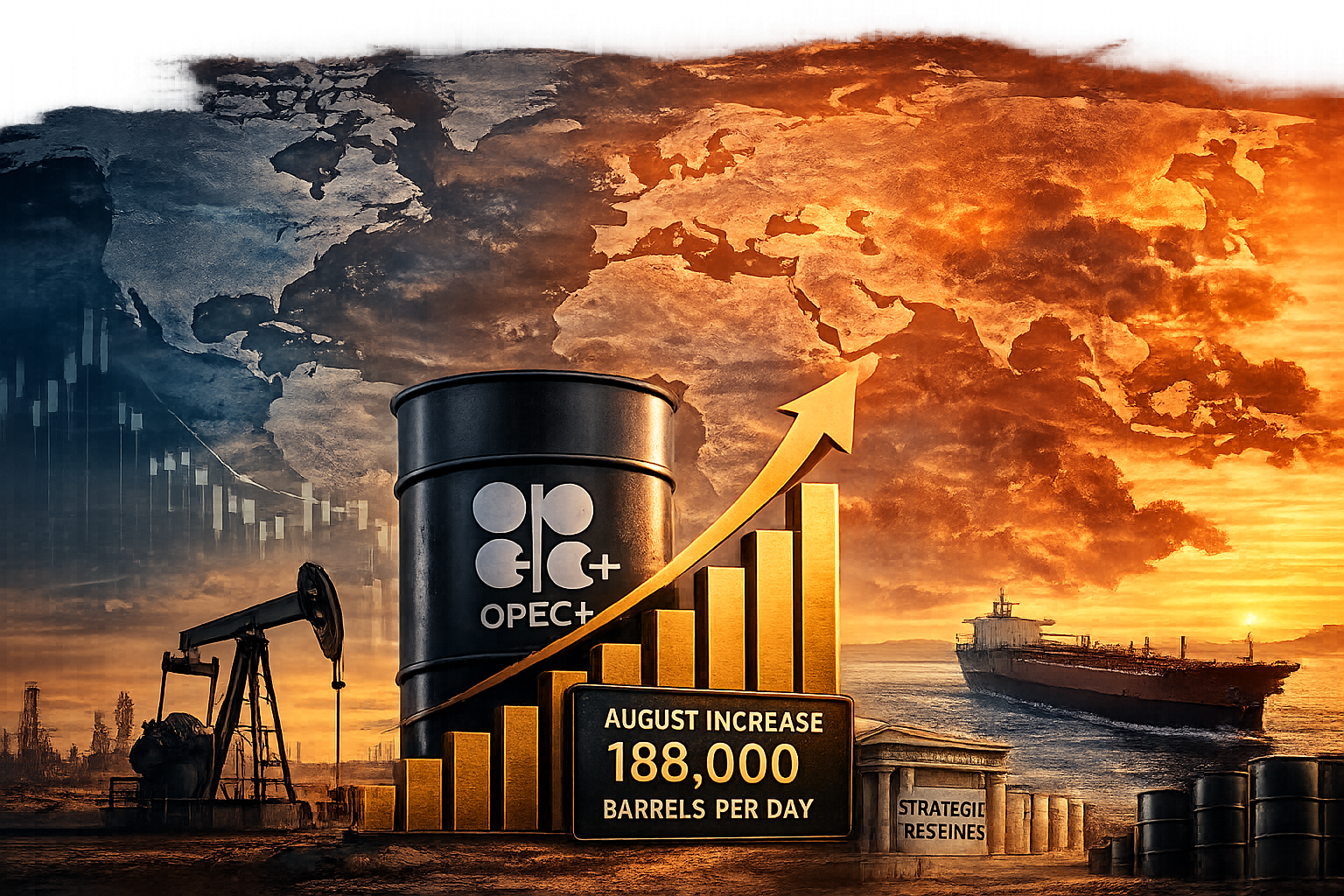
Read moreThe shifting tides of the global energy market have once again thrust OPEC+ into the spotlight, laying bare the delicate and often volatile intersection of geopolitics and oil economics. The group’s recent decision to boost oil production targets for August by 188,000 barrels per day is, on the surface, a standard regulatory tweak meant to stabilise a fluctuating market. However, looking beneath the bureaucratic announcements reveals a much more complex narrative of a cartel wrestling with forces beyond its control, primarily the geopolitical ripples of the US-Israel-Iran conflict and the strategic manipulation of global supply routes like the Strait of Hormuz.
For months, OPEC+ functioned largely on a paradox. While the alliance technically agreed to raise production quotas by nearly 800,000 barrels per day between April and July, these promises existed predominantly on paper. The harsh reality of wartime geography disrupted the best-laid plans of energy ministers. The temporary closure of the Strait of Hormuz—the world’s most critical maritime oil chokepoint—effectively choked the export capabilities of heavyweight producers like Saudi Arabia, Kuwait, and Iraq. Consequently, OPEC+ production plummeted significantly below its intended targets, demonstrating that in the modern energy landscape, geopolitical blockades can easily render institutional quotas irrelevant.
This disconnect between institutional intent and logistical reality highlights a fundamental vulnerability in the global oil supply chain. When the Strait of Hormuz is compromised, the math of oil production changes instantly. It did not matter how many barrels Riyadh or Baghdad were capable of pumping if those barrels could not safely navigate past the Iranian coast. The subsequent drop in actual output during the peak of the conflict served as a stark reminder that security, not capacity, remains the ultimate arbiter of oil availability.
Yet, what is perhaps most fascinating about the current situation is how the market reacted to these severe disruptions. In an earlier era, a prolonged closure of the Strait of Hormuz would have triggered an uncontrollable spike in crude prices, sending shockwaves through the global economy. Instead, oil prices have remarkably cooled down to pre-war levels. This resilience is not a fluke but rather the result of a calculated counter-balancing act orchestrated by Western consumers and shifting demand dynamics.
The United States played a pivotal role in this stabilisation, aggressively lobbying alternative producers like the United Arab Emirates to maximize their exports through secondary routes while simultaneously orchestrating record-breaking releases from the International Energy Agency’s strategic petroleum reserves. Combined with a cooling Chinese economy—which has noticeably dampened its insatiable appetite for crude imports—and surging production from non-OPEC producers in the Americas, the global market managed to absorb the shock of a Middle Eastern crisis without descending into panic.
Now, as the Strait of Hormuz undergoes a gradual reopening, OPEC+ find themselves walking a tightrope. The decision to press ahead with the August production increase is a preemptive strike against a looming oversupply. As blockaded oil begins to flow back into the market alongside rising non-OPEC volumes, the cartel risks a sudden supply glut that could send prices tumbling. By formalising a modest increase, OPEC+ is attempting to regain the narrative, signal confidence to global markets, and reassert its role as the manager of global oil liquidity.
Ultimately, this episode serves as a powerful case study in the limitations of cartel power in an age of fragmented geopolitics and diversified energy supply. OPEC+ remains a formidable force, but its ability to dictate terms to the global economy is increasingly constrained. The alliance can adjust the taps, but it cannot control the currents of international conflict that freeze those taps shut, nor can it fully neutralise the strategic countermeasures deployed by Washington and Paris. As the market transitions into the late summer, the success of the August quota increase will depend less on the compliance of OPEC members and more on whether the fragile peace holding open the world's shipping lanes can endure the unpredictable friction of Middle Eastern diplomacy.
Here we are to serve you with news right now. It does not cost much, but worth your attention.
Choose to support open, independent, quality journalism and subscribe on a monthly basis.
By subscribing to our online newspaper, you can have full digital access to all news, analysis, and much more.
You can also follow AzerNEWS on Twitter @AzerNewsAz or Facebook @AzerNewsNewspaper
Thank you!