
Baku revives century-old vision for modern Turkic world

Ulviyya Poladova
Read moreA century ago, Baku hosted an intellectual gathering that would become one of the defining milestones in the modern history of the Turkic world. The First Turkological Congress of 1926 brought together scholars to debate language reform, education, history, and culture at a time when the future of Turkic societies was being reshaped by political change.
One hundred years later, the Azerbaijani capital has once again become a meeting place for the Turkic world. Bringing together scholars, heads of research institutions, cultural figures, and Turkologists from across Eurasia, the week-long series of events was more than a celebration of history - it served as a platform for discussing the future of cooperation among Turkic states at a time of profound geopolitical transformation.
The week-long series of scientific and cultural events was organized in accordance with the Decree of the President of the Republic of Azerbaijan, Ilham Aliyev, "On the Celebration of the 100th Anniversary of the First Turkological Congress," signed on October 22, 2025.
The ceremony brought together 80 renowned Turkologists and scholars from scientific institutions in 20 countries, including the Turkic republics, as well as representatives of Turkic international organizations.
To understand the current momentum of the Turkic world, one must look back to the First All-Union Turkicological Congress held in Baku from February 26 to March 5, 1926. That assembly was one of the most significant intellectual events in the history of Turkic nations. The congress became a platform where issues related to language, alphabet reform, literature, history, ethnography, education, and the cultural memory of Turkic peoples were addressed for the first time in a systematic, international, and scientifically organized manner.
Today, as Turkic states deepen cooperation within the framework of the Organization of Turkic States, TURKSOY, the International Turkic Academy, the Turkic Culture and Heritage Foundation, and other institutions, the legacy of the 1926 congress has gained renewed relevance. At the heart of this cooperation lie a shared history, common linguistic roots, and a rich cultural heritage.
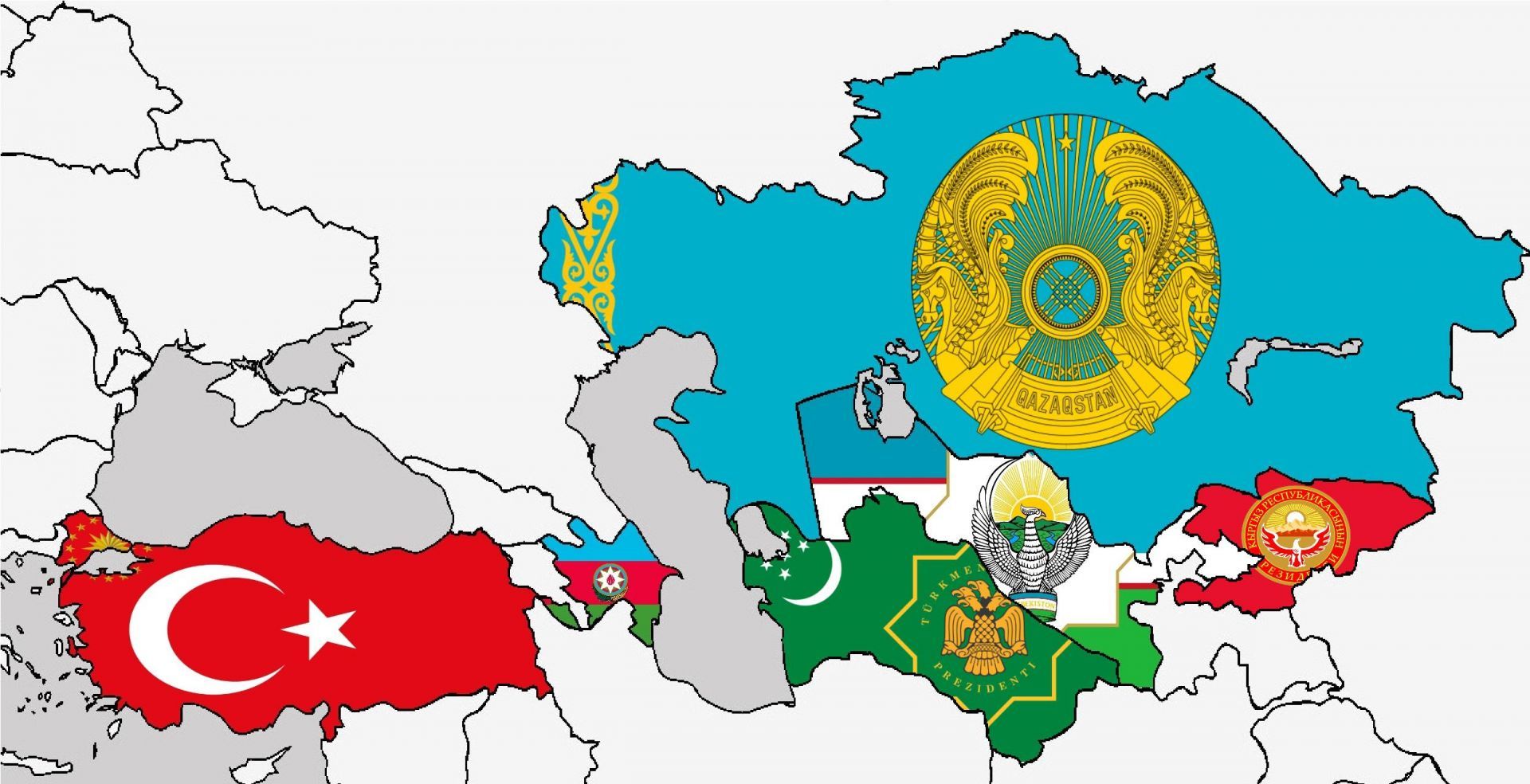
Azerbaijan’s role in this burgeoning union is multifaceted. Beyond hosting commemorative events, Baku acts as a diplomatic and logistical fulcrum. By actively participating in the OTS, Azerbaijan has fostered deep-seated cooperation with Türkiye, Kazakhstan, Uzbekistan, Kyrgyzstan, and Turkmenistan. This collaboration spans the traditional sectors of science and culture but increasingly moves into the high-stakes realms of transport, energy, and digital development.
The symbolic elevation of Shusha as the "Cultural Capital of the Turkic World" in 2023 was a definitive moment. It signaled Azerbaijan's commitment to weaving its national heritage into the broader Turkic tapestry.
In the scientific sphere, Azerbaijan promotes international conferences, forums, and research projects dedicated to Turkology, history, literature, and cultural heritage.
In recent years, the international system has undergone profound changes. Competition among major powers has intensified, transport routes have shifted, and the importance of energy security, digital technologies, artificial intelligence, and regional alliances has continued to grow. Against this backdrop, cooperation among Turkic states has acquired not only cultural but also strategic significance.
One of the most important factors is the development of the Middle Corridor (the Trans-Caspian International Transport Route) which connects China, Central Asia, the Caspian region, the South Caucasus, Türkiye, and Europe. Amid growing uncertainty surrounding traditional transport routes, the strategic importance of this corridor has increased significantly. Azerbaijan, Kazakhstan, Türkiye, and other Turkic states are becoming key participants in the emerging Eurasian logistics network.
Another important factor is, of course, energy. Turkic states possess substantial energy resources and transport infrastructure. Earlier this week, Kyrgyzstan's Ministry of Energy announced that the country had officially appealed to Azerbaijan to ensure stable supplies of fuels amid volatility in the global energy market.
It is also worth recalling that earlier this month Azerbaijan transferred the oil tanker "Dostlug" to Turkmenistan during the visit of Serdar Berdimuhamedov to Baku. The tanker, presented as a gift by Azerbaijan to Turkmenistan, was built at the Baku Shipyard.
At the last summits of the Organization of Turkic States, growing attention has been devoted to artificial intelligence, digital platforms, cybersecurity, data exchange, and the establishment of technological hubs. This demonstrates that Turkic cooperation is gradually moving beyond the traditional cultural agenda toward practical projects aimed at the future. On May 15, the informal summit of the Council of Heads of State of the Organization of Turkic States was held in the Kazakh city of Turkistan under the theme "Artificial Intelligence and Digital Development."
The meeting became a continuation of the Gabala Summit, during which Azerbaijan assumed the chairmanship of the organization and outlined priorities related to regional security and strengthening practical cooperation across the Turkic world.
The Turkic world possesses several important advantages. First, it enjoys a highly favorable geographical position. Turkic states are located at the crossroads of Europe and Asia and control important transport and energy corridors. Second, they possess significant demographic potential, with the combined population of Turkic states and communities representing a considerable share of Eurasia. Third, their cultural and linguistic proximity facilitates humanitarian and educational cooperation. Fourth, the region is attracting growing interest from external actors, including China, the European Union, the United States, the United Kingdom, Japan, Middle Eastern countries, and other international partners.
It is important to understand that historical identity should not become an instrument of isolation or confrontation with others, but rather a resource for open cooperation. Success will depend on whether Turkic states can transform their cultural affinity and political declarations into sustainable institutions and long-term strategies.
Here we are to serve you with news right now. It does not cost much, but worth your attention.
Choose to support open, independent, quality journalism and subscribe on a monthly basis.
By subscribing to our online newspaper, you can have full digital access to all news, analysis, and much more.
You can also follow AzerNEWS on Twitter @AzerNewsAz or Facebook @AzerNewsNewspaper
Thank you!