
State Pantomime Theatre presents Huseyn Javid's play in Aghdam [PHOTOS]
![State Pantomime Theatre presents Huseyn Javid's play in Aghdam [PHOTOS]](https://www.azernews.az/media/2026/07/02/htyhythth15.jpg)
Laman Ismayilova
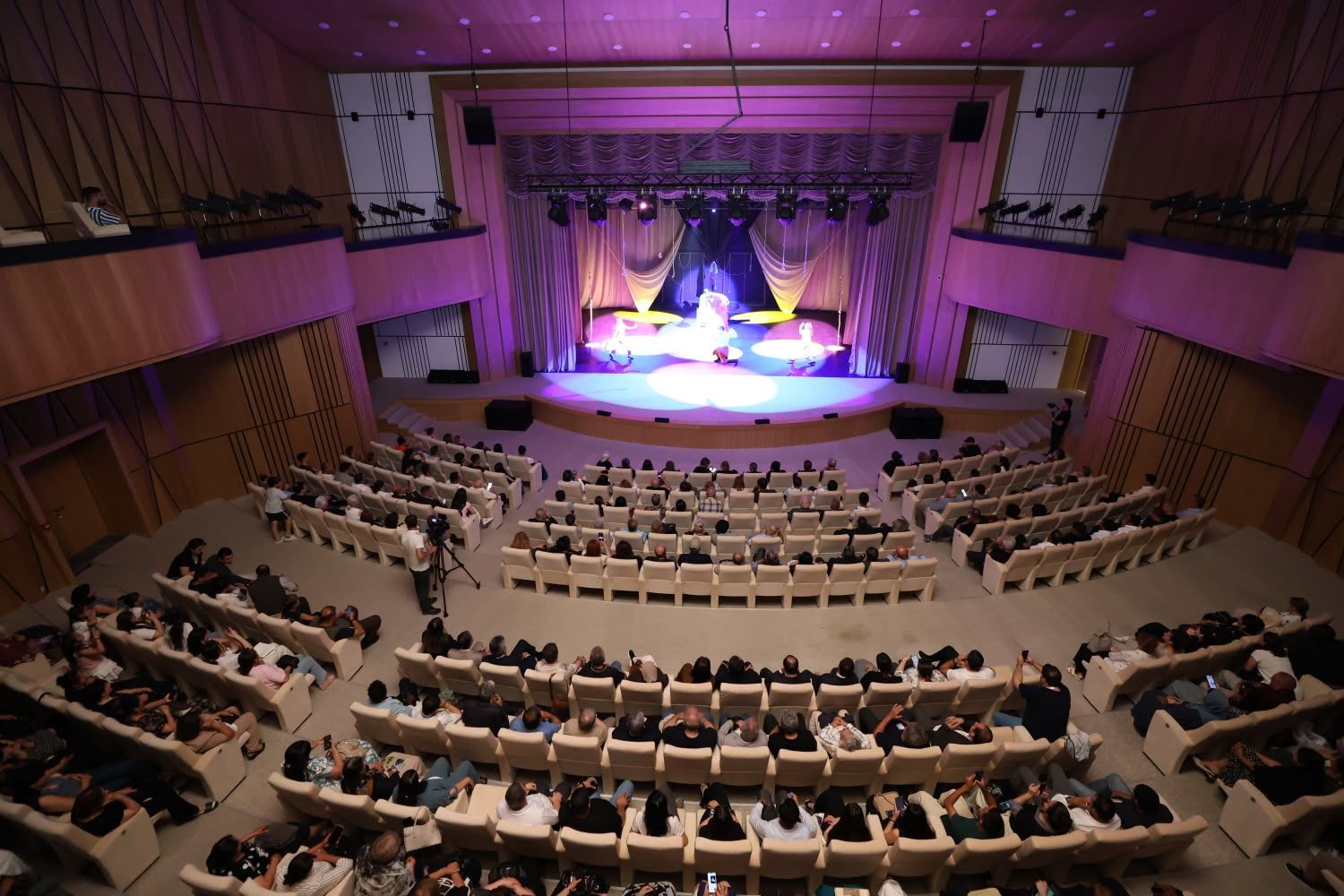
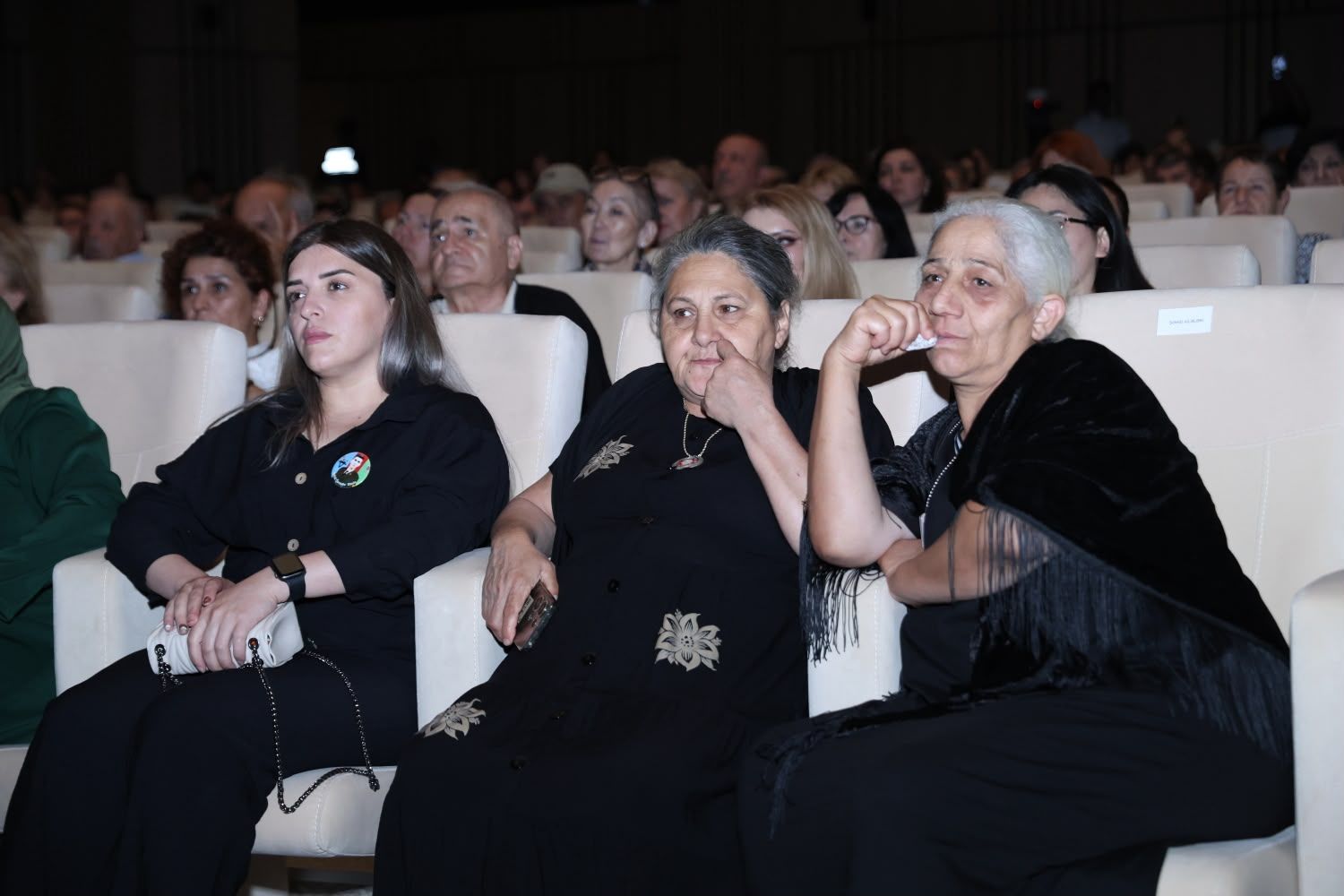
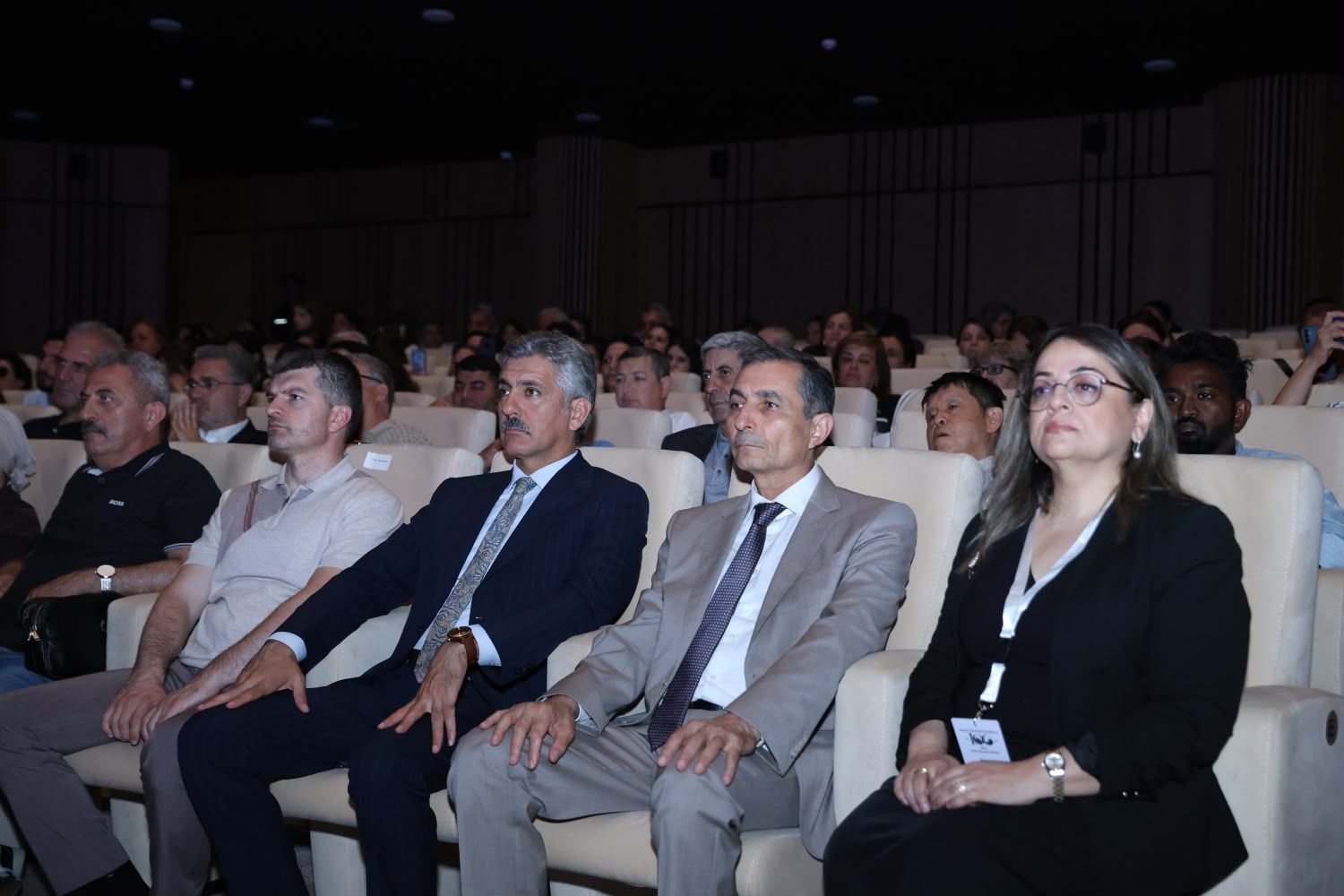
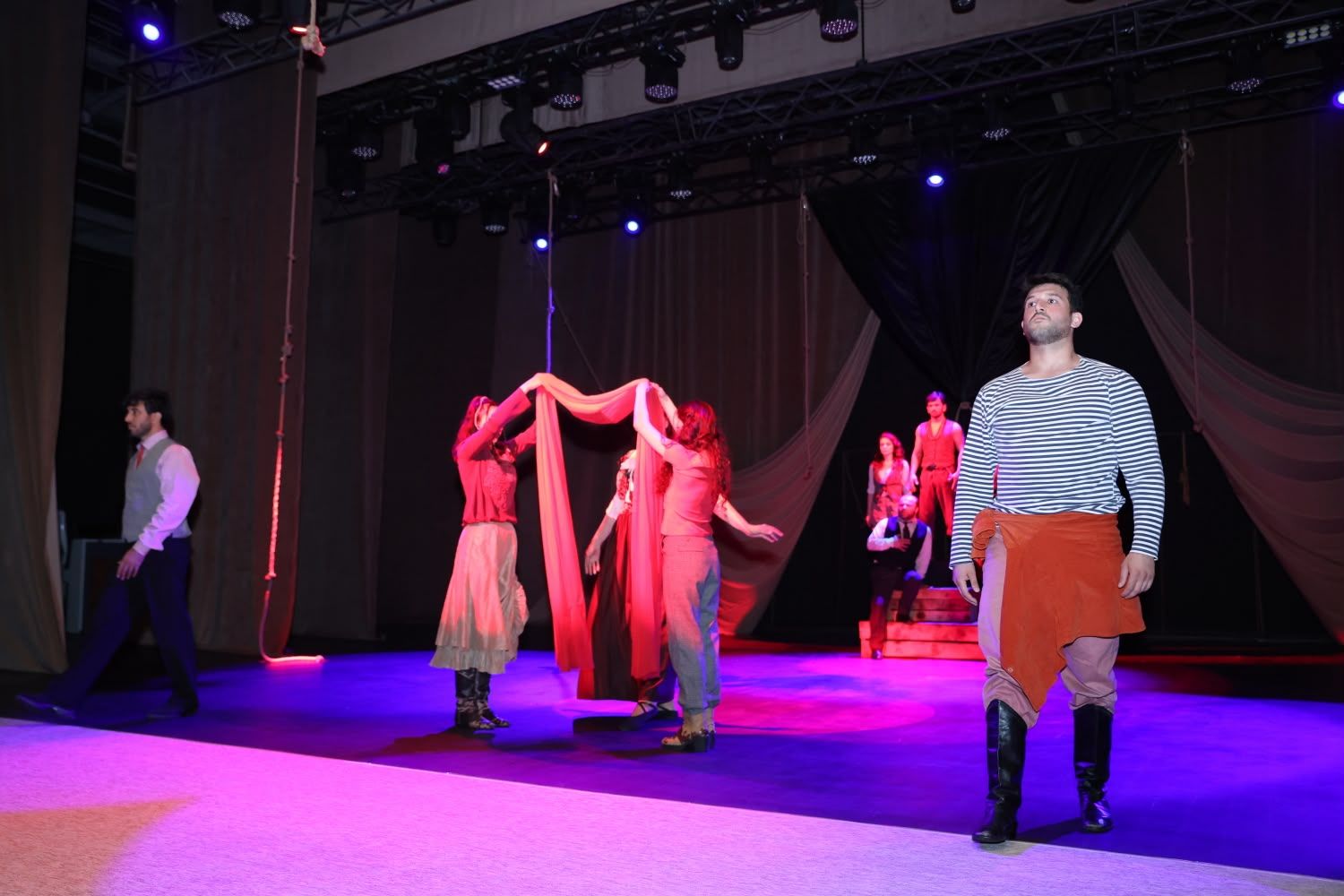
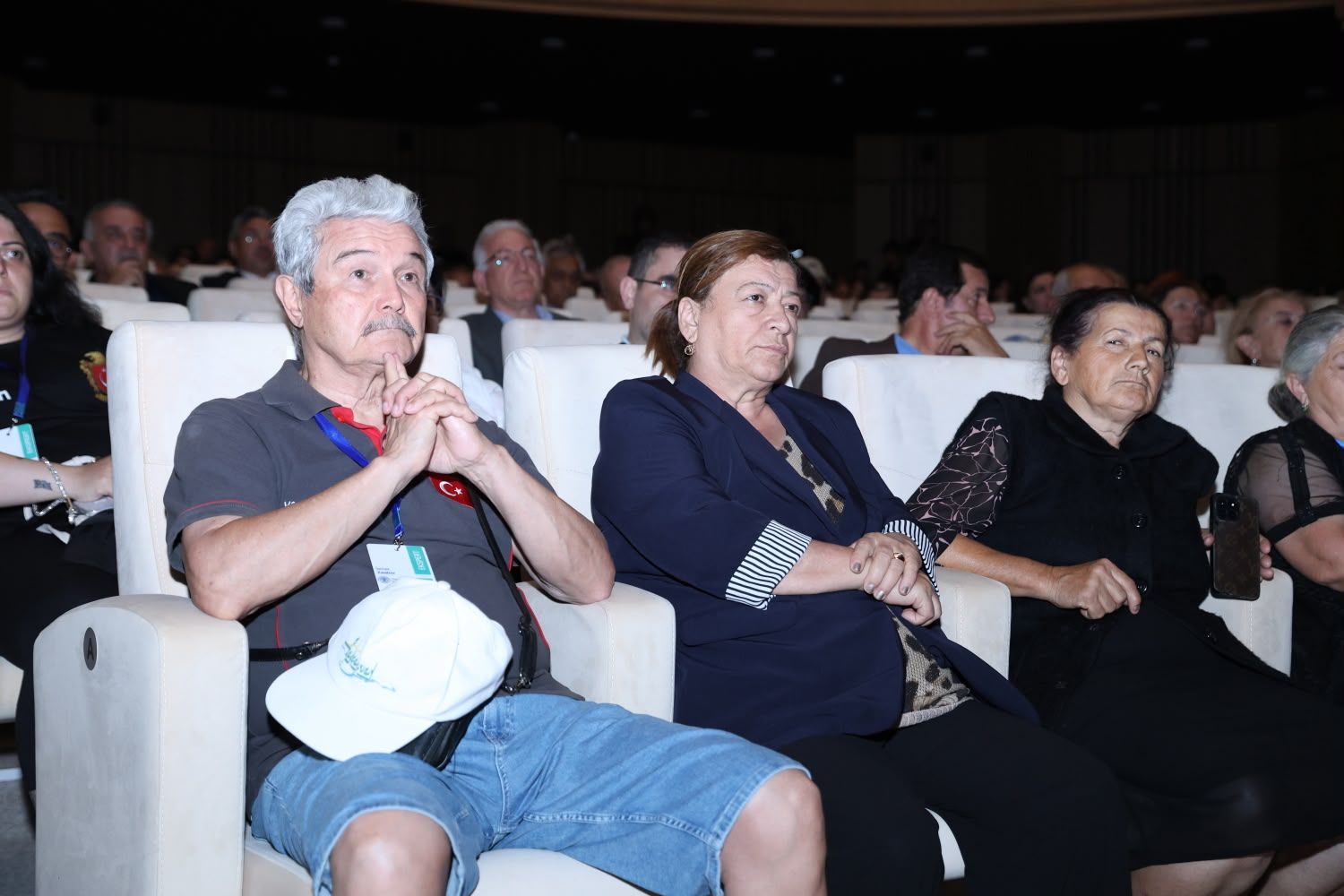
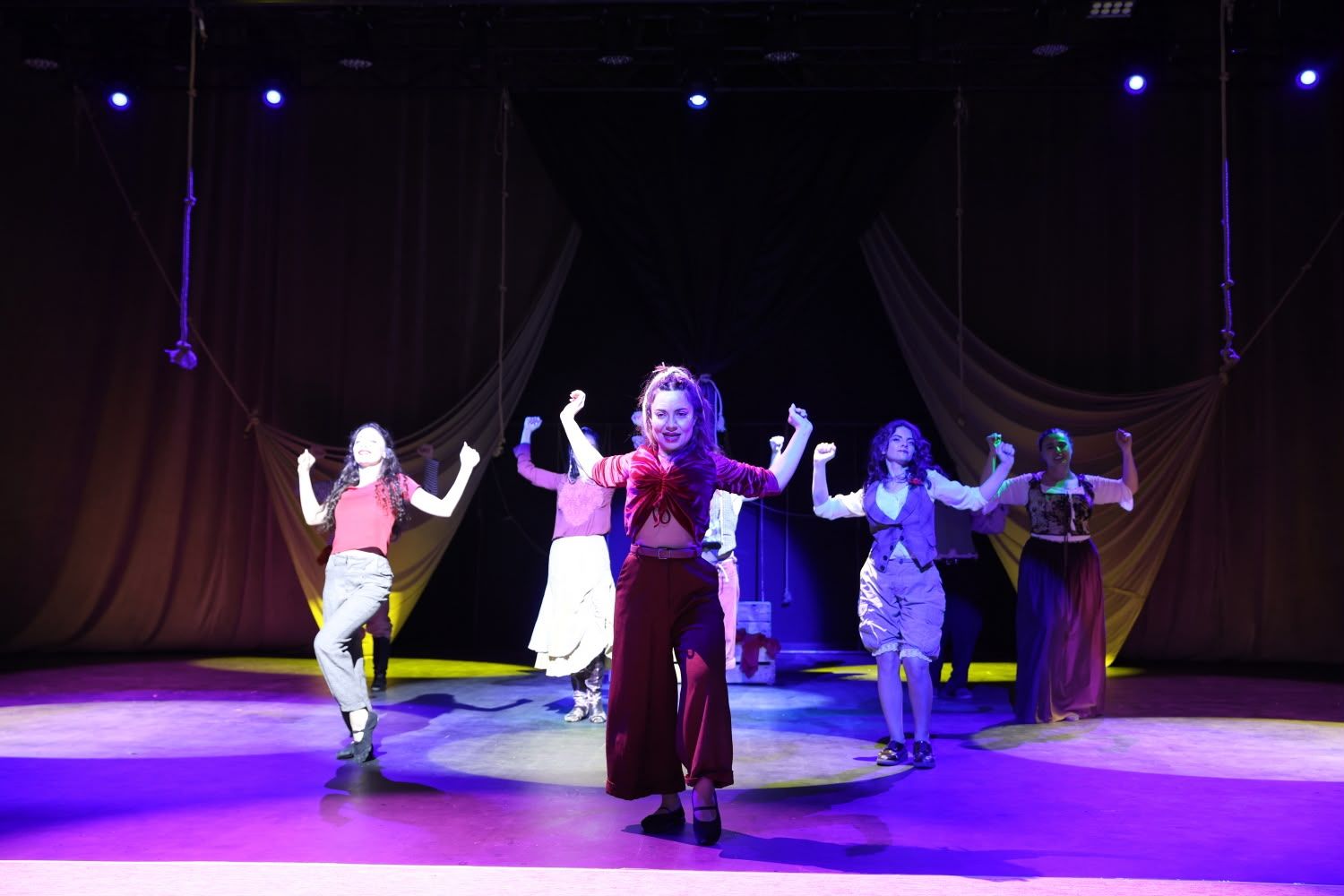
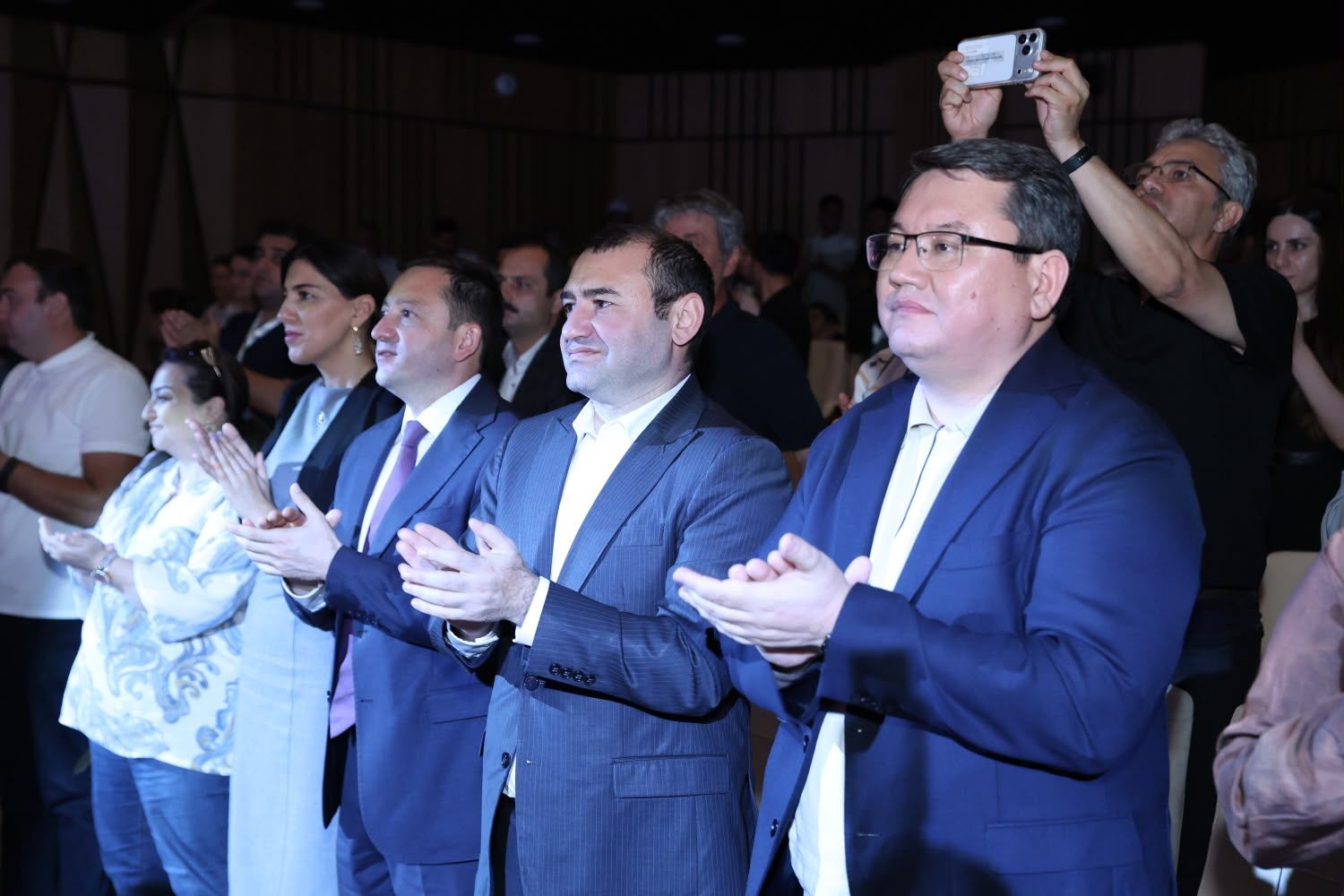
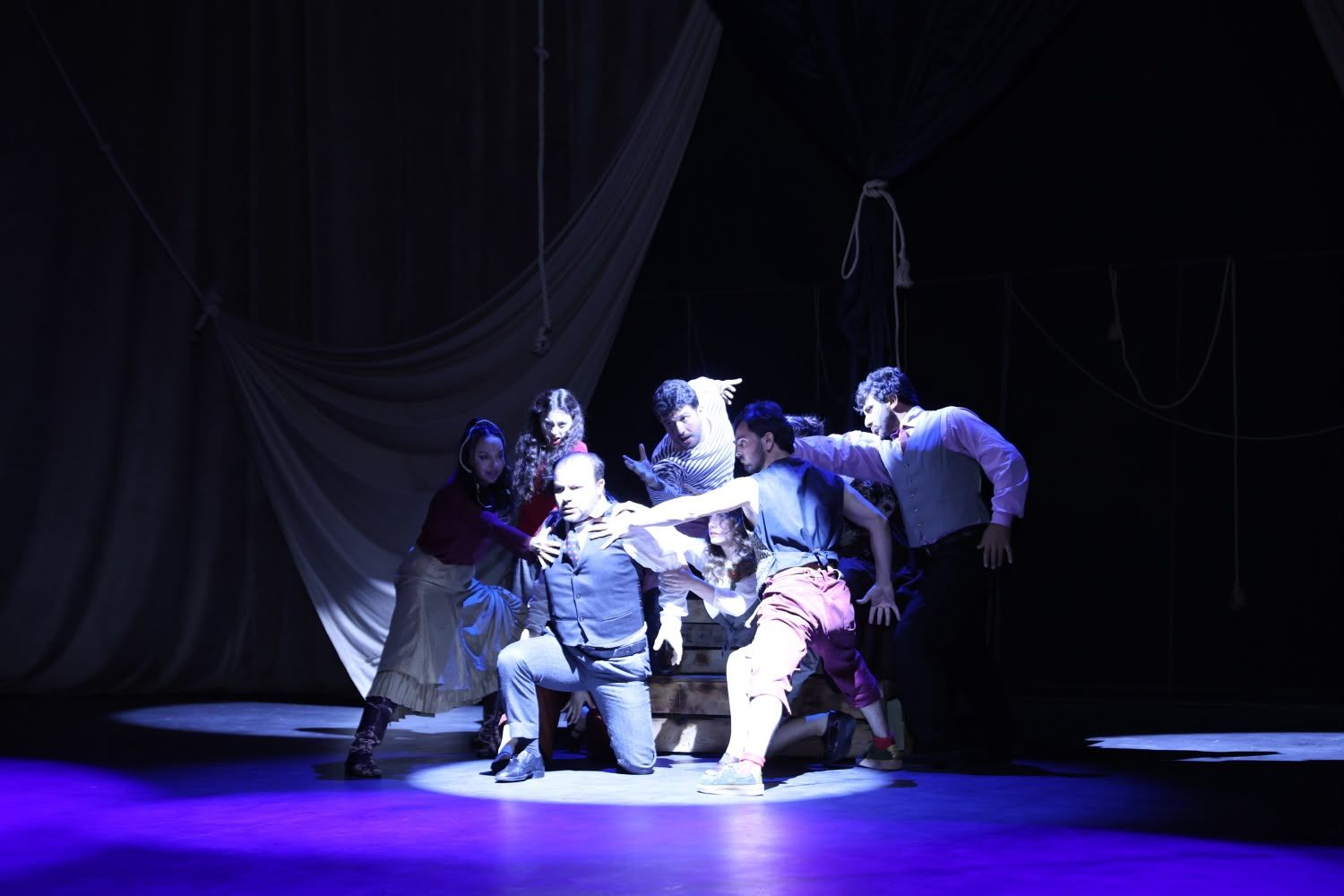
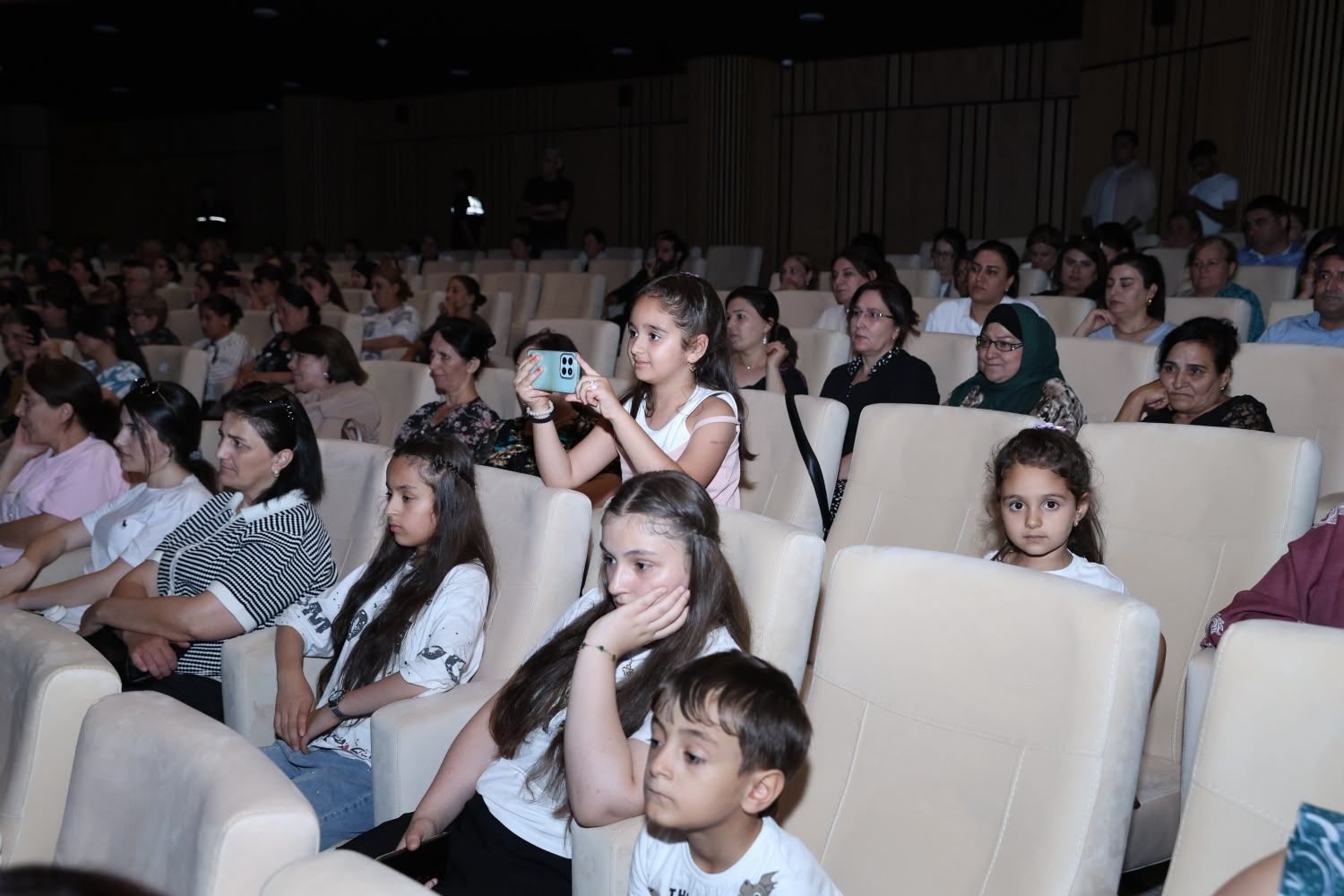
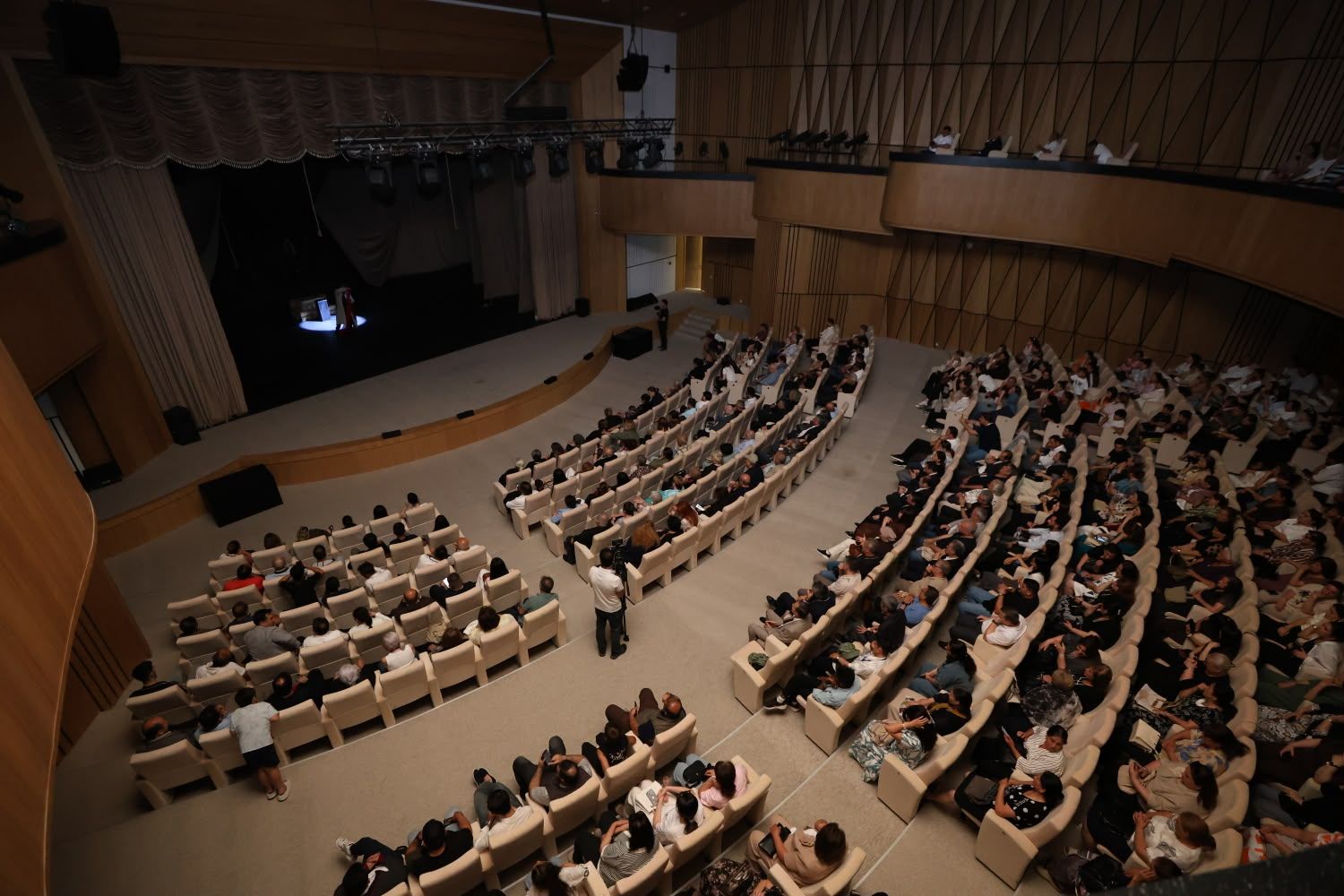
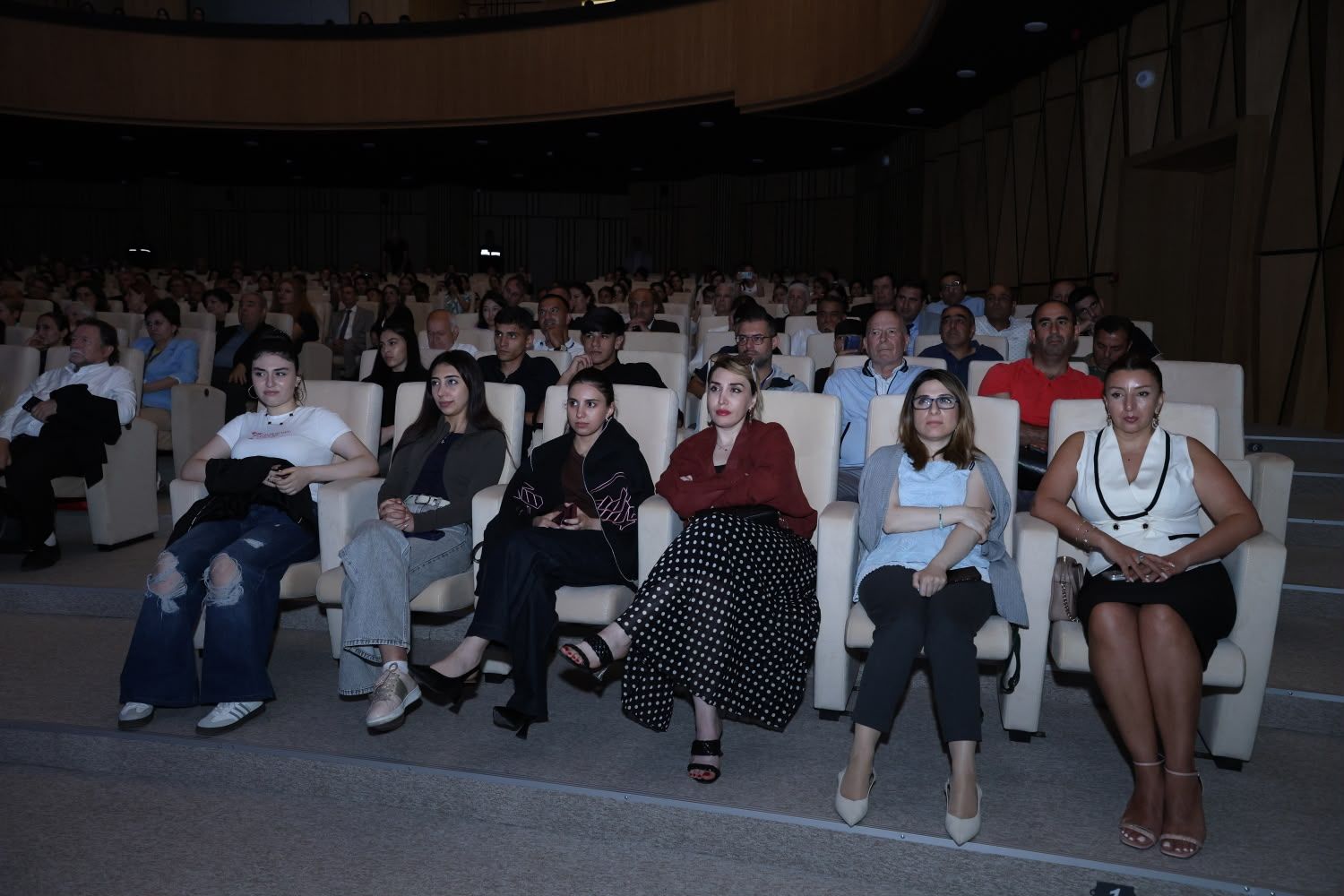
Read moreAzerbaijan State Pantomime Theatre has successfully staged Huseyn Javid's play "Iblis" at the Aghdam Mugham Center, AzerNEWS reports.
The event was organized as part of the Turkic World Week dedicated to the 100th anniversary of the First Turkological Congress.
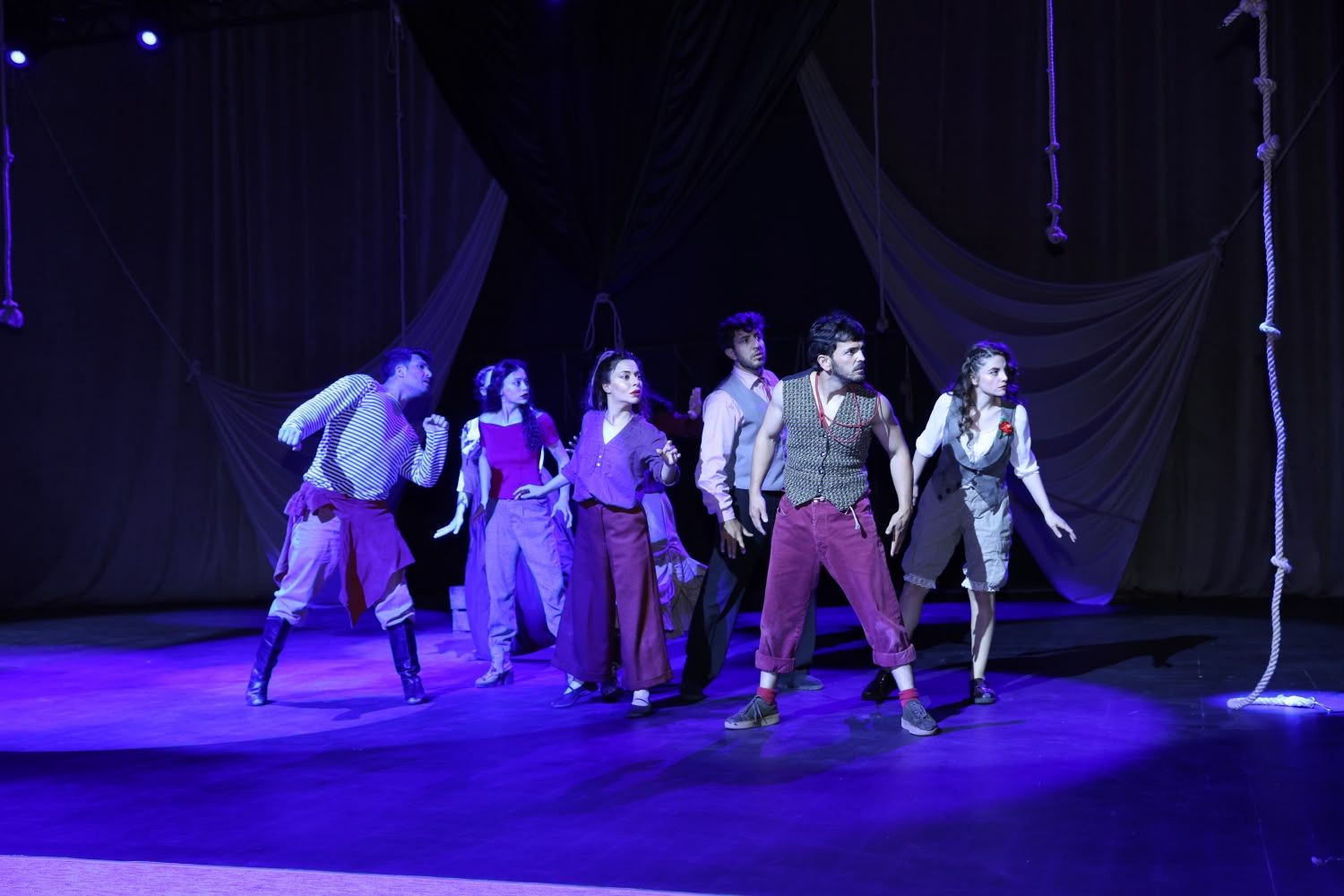
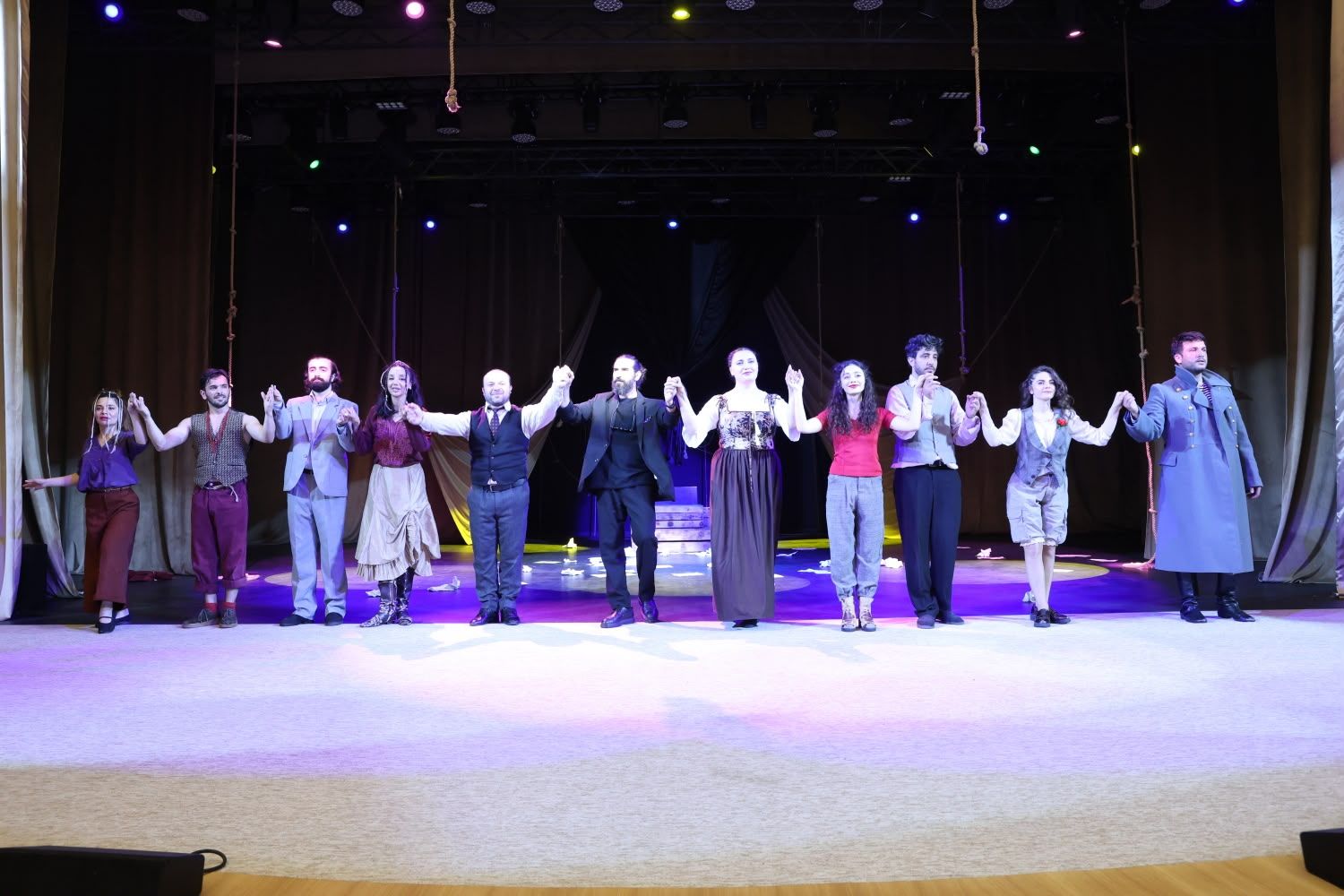
The production was directed by Honored Artist Bahruz Ahmadli, while the role of Iblis (the Devil) was performed by Honored Artist Sabina Hajiyeva.
The cast also included Nurlan Rustamov, Elkhan Shahaliyev, Elmin Giyaslı, Javad Nuriyev, Huseyn Ismayilov, Solmaz Badalova, Nurida Musabayli, and Jala Novruzova.
Based on the philosophical drama "Iblis" by Huseyn Javid, the performance depicts events taking place in a time marked by war, violence, and widespread suffering. It explores how people try to justify their wrongdoing by appointing a leader and then blaming all their sins on him. Conflict arises when the chosen leader refuses to become a tool in their hands. In the end, the majority prevails in this struggle.
The production emphasizes that the events portrayed remain relevant for all times and peoples. It presents the eternal struggle between humanity and evil through expressive physical movement and pantomime.
The visual and stylistic design of the performance draws inspiration from masterpieces by renowned world artists such as Francisco Goya, Michelangelo, and Auguste Rodin, adding a strong artistic and aesthetic dimension to the stage.
The Turkic World Week is organized jointly by the Azerbaijan Culture Ministry, the Azerbaijan National Academy of Sciences (ANAS), and the Ministry of Science and Education, together with the Organization of Turkic States (OTS), TURKSOY, Baku State University, the Turkic Academy, and the Turkic Culture and Heritage Foundation.
The event is dedicated to the 100th anniversary of the First Turkological Congress, which was held in Baku between February 26 and March 6, 1926.
The congress gathered 131 participants, including scholars, linguists, historians, ethnographers, writers, and public intellectuals from different Turkic-speaking areas of the Soviet Union, as well as invited international guests.
One of its major outcomes was the promotion of a Latin-based alphabet reform for Turkic languages. Participants discussed and strongly supported replacing the Arabic script with a unified Latin alphabet to enhance literacy, language standardization, and modern education across Turkic-speaking regions.
It also played an important role in developing Turkic linguistics as an academic field, encouraging more structured research into grammar, dialects, etymology, and comparative language studies.
In addition, the congress helped strengthen scholarly cooperation among researchers from various Turkic regions, creating intellectual networks that later supported cultural and academic exchange.
Finally, it contributed to broader discussions on Turkic history and identity, laying the foundation for comparative studies of shared heritage, folklore, and ethnographic traditions.
Photo Credits: Culture Ministry
Here we are to serve you with news right now. It does not cost much, but worth your attention.
Choose to support open, independent, quality journalism and subscribe on a monthly basis.
By subscribing to our online newspaper, you can have full digital access to all news, analysis, and much more.
You can also follow AzerNEWS on Twitter @AzerNewsAz or Facebook @AzerNewsNewspaper
Thank you!