
UAE state oil company says vessel attacked in Hormuz strait
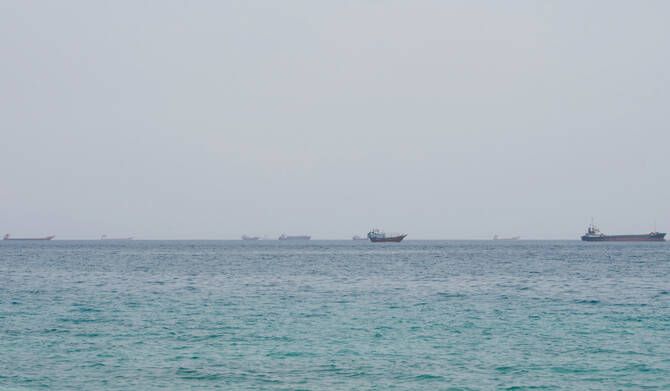
The United Arab Emirates’ state-owned oil giant ADNOC said Saturday one of its vessels came under attack in the Hormuz strait, the latest incident in the waterway at the center of the US-Iran conflict, AzerNEWS reports, citing Arab News.
Tehran has imposed an effective blockade of the strait, a vital shipping route for global energy supplies, carrying out strikes on commercial ships since the war began in February.
The Islamic republic has said it wants to charge users for passage, which Washington fiercely opposes.
The Abu Dhabi National Oil Company (ADNOC) “confirmed that one of its vessels was attacked while transiting the Strait of Hormuz on the evening of Friday, August 14,” according to the official WAM news agency, but reported no injuries.
In its statement, ADNOC stressed the importance of protecting seafarers and safeguarding freedom of navigation and maritime security.
The announcement came a day after the UAE accused Iran of attacking two vessels linked to ADNOC as they passed through the strait.
The UAE foreign ministry condemned what it called a “hostile Iranian attack” on the vessels and said no injuries had been reported.
It said in a statement Saturday that the incident violated a UN Security Council resolution affirming freedom of navigation and rejecting attacks on commercial vessels or obstruction of international maritime routes.
The ministry accused Iran’s Revolutionary Guard Corps of using the strategic waterway as a tool of economic coercion and said such acts threatened regional stability and global energy security.
It called on Iran to halt what it called unprovoked attacks and to ensure the Strait of Hormuz remains fully open to safeguard regional security and global trade.
Last week, ADNOC reported that three of its tankers had been attacked in the waterway, while the UAE foreign ministry separately announced an attack on another ADNOC tanker a day later.
Continued attacks in the strait, which was free to transit before the Middle East war began, led to the collapse of an April ceasefire between the United States and Iran.
A June deal — meant to serve as a jumping-off point for negotiations on a permanent settlement — had said Iran and Oman, also bordering the waterway, would hash out future arrangements for the strait in discussion with other Gulf countries and “in line with the applicable international law.”
Last week, Iranian security chief Mohammad Bagher Zolghadr set out a series of conditions for reopening the strait fully, including an end to what he described as war against Iran and its regional allies, the lifting of sanctions and compensation for wartime damage.
Here we are to serve you with news right now. It does not cost much, but worth your attention.
Choose to support open, independent, quality journalism and subscribe on a monthly basis.
By subscribing to our online newspaper, you can have full digital access to all news, analysis, and much more.
You can also follow AzerNEWS on Twitter @AzerNewsAz or Facebook @AzerNewsNewspaper
Thank you!