
US-Iran hostilities intensify around Hormuz despite ceasefire efforts

AzerNEWS Staff
Read moreThe United States said it shot down two Iranian drones threatening international shipping in the strategically vital Strait of Hormuz, marking the latest escalation in a conflict that entered its 100th day on Sunday with no sign of a diplomatic breakthrough.
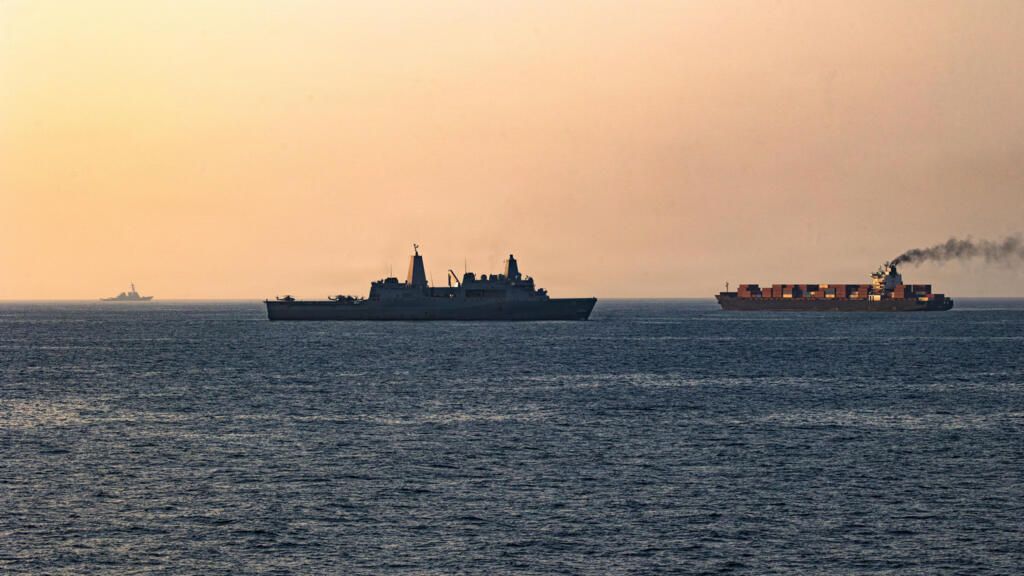
According to the U.S. Central Command (CENTCOM), American forces destroyed the drones after determining they posed a threat to maritime traffic in the narrow waterway, one of the world's most important energy transit routes.
The latest action came only hours after CENTCOM announced separate strikes against four additional Iranian drones and coastal surveillance radar installations, underscoring the growing intensity of military operations around the Gulf.
The confrontation unfolded against the backdrop of stalled diplomatic efforts. Weeks of indirect negotiations between Washington and Tehran, accompanied by repeated threats and intermittent exchanges of fire, have failed to produce an agreement capable of ending the conflict or restoring normal navigation through the Strait of Hormuz.
Tensions rose further after Iran launched a missile barrage toward Bahrain and Kuwait on Saturday. CENTCOM said seven ballistic missiles were fired, with six intercepted and one failing to reach its target.
Iran's Revolutionary Guards confirmed the attacks, saying they had targeted what they described as "enemy bases in the area."
The strikes drew strong condemnation from Gulf states. Bahrain, home to the headquarters of the United States Fifth Fleet, described the attack as "blatant aggression," while Kuwait warned that the missile launches represented a dangerous escalation of the conflict.
The latest incidents have increased concerns about regional stability and the security of global energy supplies. The Strait of Hormuz remains a critical chokepoint through which a significant share of the world's oil and liquefied natural gas exports pass, making any disruption a major concern for international markets.
With the ceasefire reached on April 8 increasingly fragile and diplomatic efforts showing little progress, the conflict appears to be entering a more volatile phase, raising the risk of broader regional involvement and further threats to maritime security in the Gulf.
Here we are to serve you with news right now. It does not cost much, but worth your attention.
Choose to support open, independent, quality journalism and subscribe on a monthly basis.
By subscribing to our online newspaper, you can have full digital access to all news, analysis, and much more.
You can also follow AzerNEWS on Twitter @AzerNewsAz or Facebook @AzerNewsNewspaper
Thank you!