
$100 oil question: why even peace may not be enough to calm markets

Qabil Ashirov
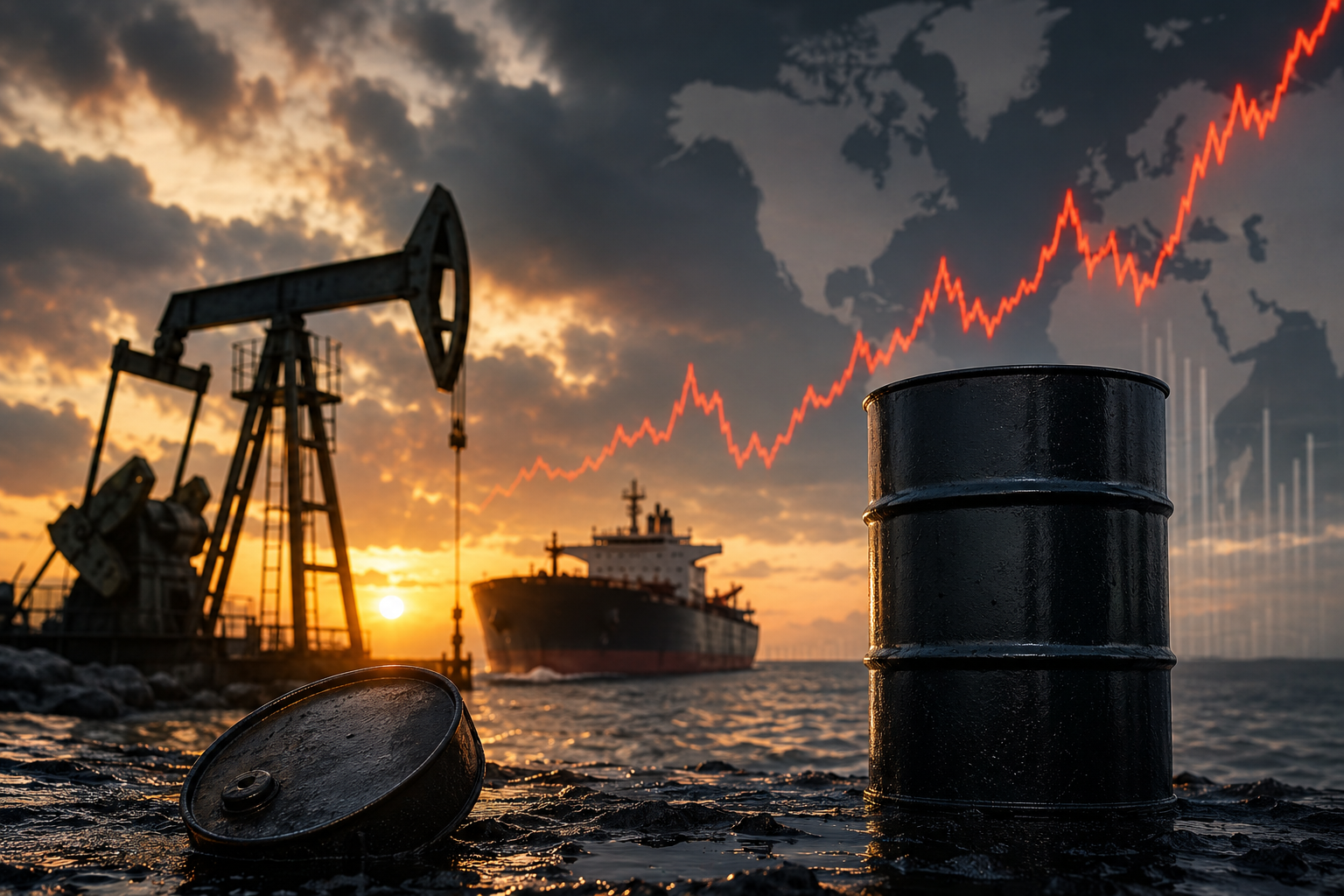
Read moreOil has once again crossed the symbolic threshold of $100 per barrel, reviving memories of previous geopolitical shocks that sent energy markets into turmoil. The immediate explanation is familiar: rising tensions in the Middle East, concerns over shipping routes, and fears that global oil supplies could be disrupted. Yet the more important question is not why prices have surged today, but how markets will behave tomorrow. The answer may be very different from what investors witnessed only a few months ago.
When geopolitical tensions first escalated, oil prices rose rapidly as traders priced in the possibility of supply disruptions. Later, optimism returned after diplomatic efforts suggested that a broader conflict might be avoided. Prices retreated as markets assumed that the worst-case scenario had been taken off the table. That optimism, however, proved to be short-lived. Renewed instability has demonstrated that earlier diplomatic understandings were unable to deliver lasting security. As a result, the market's perception of geopolitical risk has fundamentally changed.
Financial markets are driven not only by events but also by confidence. Once confidence is damaged, it takes considerably longer to rebuild than to lose. This psychological shift may become the defining feature of the current oil cycle. Even if a comprehensive peace agreement were reached tomorrow, traders may no longer respond with the same optimism seen during previous rounds of diplomacy. Instead of immediately removing the geopolitical risk premium from oil prices, markets are likely to adopt a wait-and-see approach, demanding evidence that the agreement is durable before fully adjusting expectations.
This distinction matters because oil prices are determined not only by physical supply and demand but also by perceived risks. The geopolitical premium embedded in crude prices reflects uncertainty rather than actual shortages. If investors believe that ceasefires can collapse within weeks or months, they will continue assigning value to that uncertainty. Consequently, the premium could persist long after military operations have subsided.
That creates two plausible scenarios for the remainder of the year.
The first assumes that a credible peace agreement is achieved in the near future. Under normal circumstances, such an outcome would have been expected to send oil prices sharply lower, perhaps toward the levels seen before the latest escalation. This time, however, markets may respond differently. Rather than collapsing back toward the $70 range, Brent crude could remain between $80 and $90 per barrel for several months while investors assess whether the agreement is genuinely sustainable. The lesson learned from recent events is simple: announcements alone are no longer sufficient. Markets will require proof.
The second scenario assumes that no lasting political settlement emerges and that regional tensions continue to threaten shipping lanes and energy infrastructure. Under those conditions, oil could remain around $100 per barrel—or even above that level—through the end of the year. Such an outcome would not necessarily imply a severe physical shortage of crude. Instead, it would reflect the persistence of geopolitical uncertainty and the market's willingness to pay a premium against future disruptions.
Either scenario carries important implications for the global economy. Energy prices remain one of the most influential components of inflation. Even if oil stabilizes between $80 and $90 per barrel, inflationary pressures are likely to remain stronger than previously anticipated. Transportation costs, industrial production expenses, and logistics would all face upward pressure. Inflation would not return to the levels experienced during the energy crisis of 2022, but the path back to central banks' inflation targets would become more difficult.
If oil instead remains above $100 for an extended period, the consequences become more significant. Higher energy costs would increasingly filter through supply chains, raising production expenses across multiple sectors. Import-dependent economies would face additional pressure on trade balances, while households would encounter higher fuel and utility costs. Inflation expectations, which play a critical role in monetary policy, could begin drifting upward once again.
This shift would also reshape the outlook for monetary policy worldwide. In developed markets, central banks would likely postpone interest-rate cuts that many investors currently expect. Rather than moving toward easier financial conditions, policymakers could choose to maintain restrictive interest rates for longer than markets have anticipated. The possibility of additional rate increases would also become more realistic if inflation proved stubborn and economic activity remained resilient.
The impact could be even more pronounced across developing economies. Many emerging markets are considerably more vulnerable to fluctuations in global energy prices because of their dependence on imported fuel and greater exposure to currency volatility. Higher oil prices would place additional pressure on exchange rates, increase inflation, and potentially force central banks to maintain elevated borrowing costs—or even tighten monetary policy further to protect price stability and investor confidence.
The greatest mistake would be to assume that peace automatically restores yesterday's prices. Markets rarely function that way. They evolve through experience, and recent experience has made investors more skeptical. Diplomatic agreements that once inspired immediate confidence may now receive only cautious optimism until their durability is proven. In that sense, the current oil rally is about more than supply. It is about trust—and trust has become one of the world's most valuable commodities.
Whether oil ultimately settles closer to $85 or remains above $100 will depend not only on political negotiations but also on whether financial markets are convinced that today's promises will still hold tomorrow. That may be the most important change of all. The next peace agreement, if it comes, will no longer be judged by the words that announce it. It will be judged by the time that follows.
Here we are to serve you with news right now. It does not cost much, but worth your attention.
Choose to support open, independent, quality journalism and subscribe on a monthly basis.
By subscribing to our online newspaper, you can have full digital access to all news, analysis, and much more.
You can also follow AzerNEWS on Twitter @AzerNewsAz or Facebook @AzerNewsNewspaper
Thank you!