
Expert: Former IDPs becoming “direct partners” in Azerbaijan’s economic future
Akbar Novruz
Read moreFor three decades, the phrase "internally displaced person" remained one of the defining social realities of Azerbaijan. Following the conflicts of the early 1990s, the country carried one of the world’s highest per-capita displacement burdens, forcing the state to build an extensive humanitarian and social protection system for hundreds of thousands of citizens uprooted from their homes.
Over the years, the Azerbaijani government implemented one of the region’s largest long-term social protection campaigns. Between 2004 and 2019 alone, the President signed 75 decrees and orders, the Cabinet of Ministers adopted 224 resolutions, and Parliament approved 11 major laws specifically aimed at improving the living conditions and social welfare of internally displaced persons.
The latest step came through amendments to the laws of the Republic of Azerbaijan "On the status of refugees and internally displaced persons (IDPs)" and "On social protection of IDPs and persons considered equal to them," signaling what many analysts describe as a broader transition from a reactive humanitarian model toward a more sustainable framework focused on reintegration, development, and long-term economic participation.
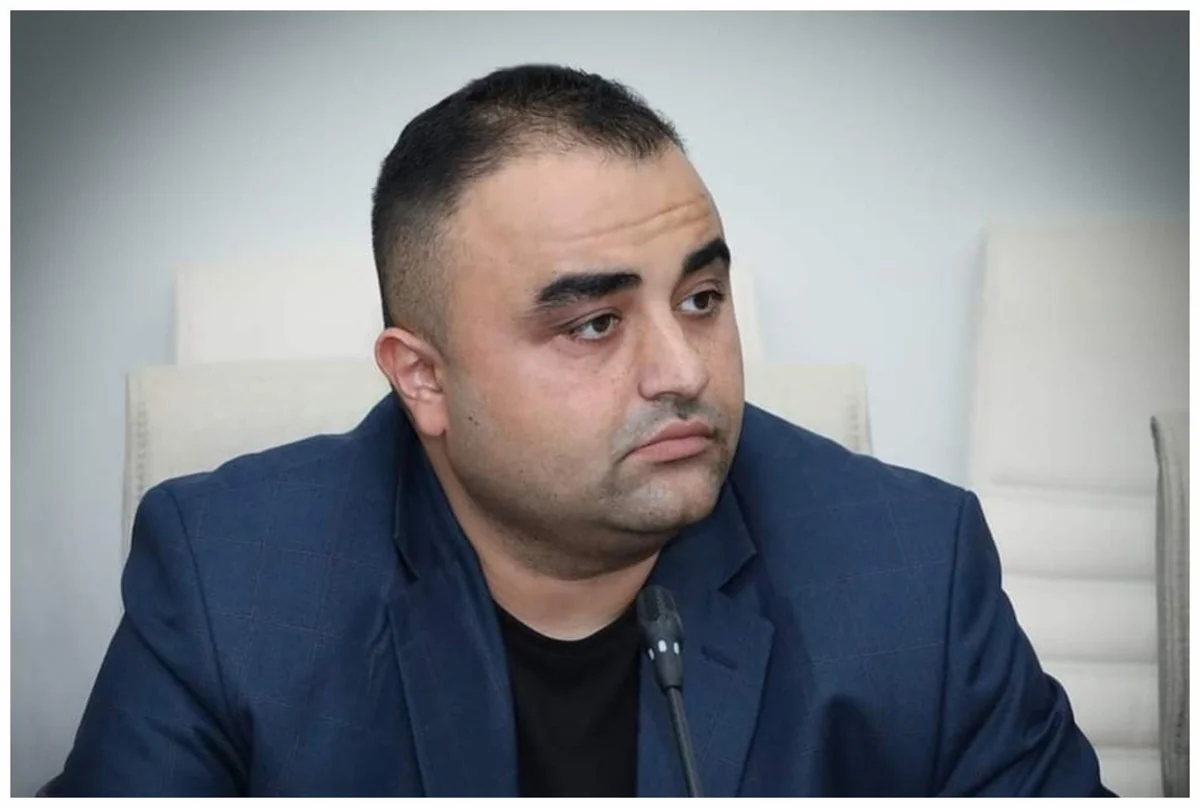
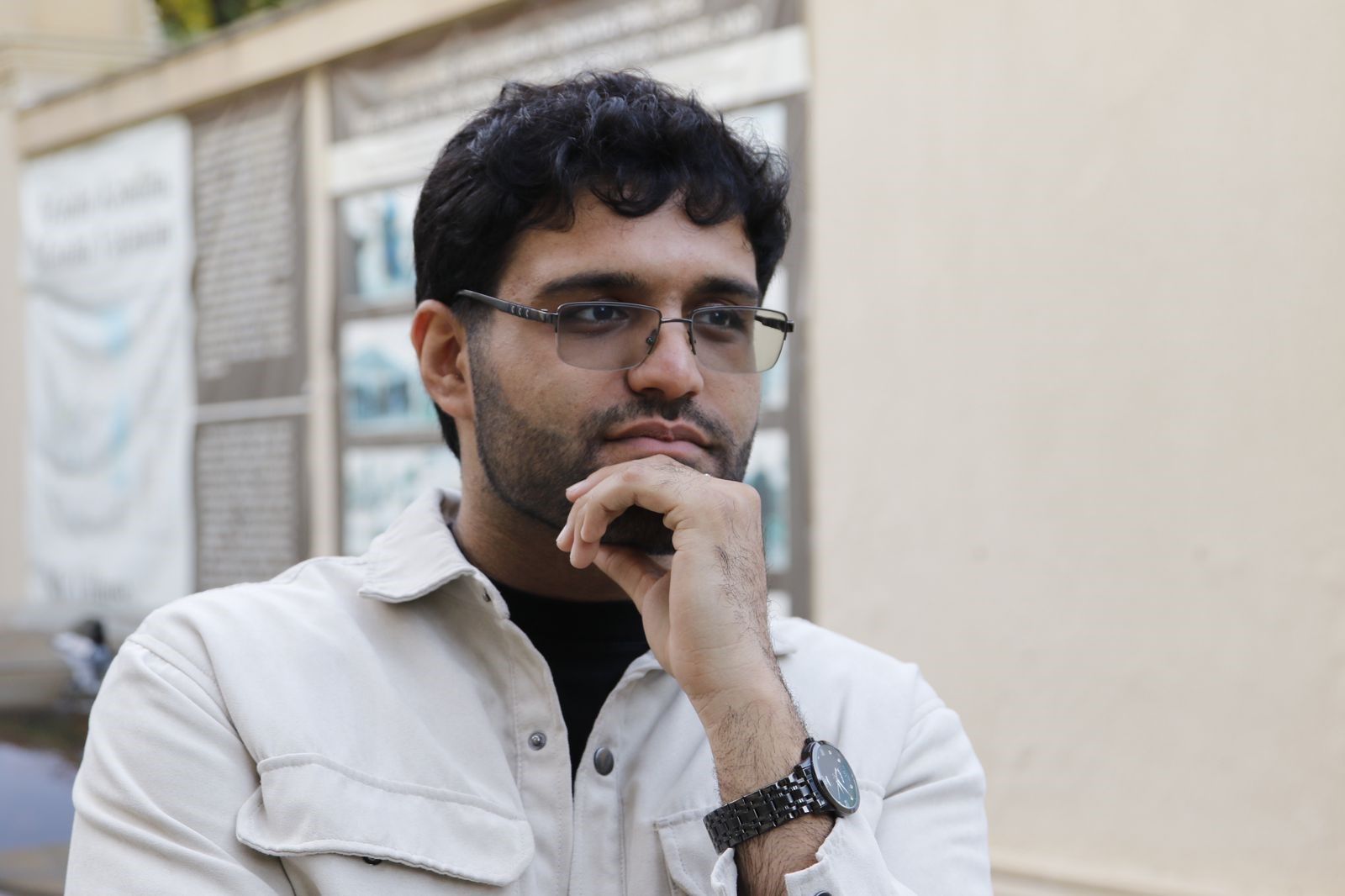
Speaking to AzerNEWS, analyst Tural Ismayilov said the restoration of Azerbaijan’s sovereignty and the reconstruction of Garabagh and East Zangezur have fundamentally changed the strategic requirements of the country’s socio-economic policy.
"The restoration of Azerbaijan's sovereignty throughout the country and the process of reconstruction of Garabagh and East Zangezur necessitate the adaptation of the fundamental foundations of the state's socio-economic policy to the requirements of the new era. The legislative amendments presented to the public today are not just legal revisions, but a strategic step that formalizes the transition from the humanitarian support and protection model that has been formed over the past thirty years to a model of sustainable development, direct economic partnership and full-scale reintegration.
This reform aims to reveal the real potential of human capital by changing the form of the state's high level of care for its citizens and strengthening it at a new level."
According to Ismayilov, the reforms create a legal and institutional basis for former internally displaced persons to move from dependency-oriented assistance mechanisms into active participation within the country’s evolving economic system.
"In terms of socio-economic reintegration, this step creates a strong legal basis for former internally displaced persons to become active producers and leading entrepreneurs in the economy. The systematic social protection measures, benefits and utility benefits program implemented over the past years have fulfilled an unparalleled and absolute mission in terms of the state supporting its citizens and protecting their well-being.
In the current new reality, the success of the Great Return program depends on these people becoming the central managers and builders of the newly formed economic ecosystem on the liberated lands."
He argued that the reforms elevate citizens from passive recipients of state support into direct economic stakeholders involved in internal economic zones, agrarian projects, and industrial clusters developing across the liberated territories.
"The new approach elevates the citizen from the status of a person surrounded by the comprehensive care of the state to the status of a direct partner of internal economic zones, agrarian and industrial clusters. This ensures both the full integration of the individual into the future development of society and gives impetus to the rapid realization of the economic potential of the region."
Ismayilov also identified the expansion and clarification of property rights as one of the most important institutional dimensions of the new reforms.
"The expansion of property rights is the most important institutional pillar of the changes. If during the period of displacement the state fully provided the citizen with housing and necessary conditions, guaranteeing his social security, at the current stage these relations are transitioning to a higher legal stage - the transformation of citizens into full-fledged property owners.
The complete clarification of the legal status of modern apartments built by the state and the allocation of land plots and the establishment of the citizen's private property rights create a new capital mobility."
According to him, transforming housing and land ownership into legally protected private assets creates wider opportunities for entrepreneurship, investment, and intergenerational wealth creation in the post-conflict environment.
"This approach transforms property from a mere shelter into a stable collateral for business, an investment tool, and a strong tangible asset that is passed down from generation to generation. This step not only raises legal certainty in the region to the highest level, but also forms a reliable and attractive environment for attracting domestic and foreign investments."
Addressing the evolution of social support mechanisms, Ismayilov said the reforms reflect broader efforts to strengthen social justice, institutional unity, and targeted state assistance under Azerbaijan’s new post-conflict realities.
"The transition of social support mechanisms to a new stage is based on the principles of unification and further strengthening of social justice. The new reality requires the protection of the principles of equality and the management of social integrity with new criteria. The evolution of the legal status and privileges of former internally displaced persons in the context of general state progress strengthens a single and unshakable model of civil solidarity in society.
This allows for a more targeted distribution of state social resources in accordance with the real needs of citizens."
He concluded that the legislative transformation represents one of the most strategically significant post-conflict governance reforms undertaken by Azerbaijan in recent years.
"As a result, this fundamental transformation in legislation is one of the most mature, far-sighted, and legally and politically perfect steps taken by Azerbaijan in the post-conflict period for the sake of sustainable development, internal unity, and strong economic growth."
Here we are to serve you with news right now. It does not cost much, but worth your attention.
Choose to support open, independent, quality journalism and subscribe on a monthly basis.
By subscribing to our online newspaper, you can have full digital access to all news, analysis, and much more.
You can also follow AzerNEWS on Twitter @AzerNewsAz or Facebook @AzerNewsNewspaper
Thank you!