
First Turkological Congress and its lasting influence [PHOTOS]
![First Turkological Congress and its lasting influence [PHOTOS]](https://www.azernews.az/media/2026/06/29/ijfreoi1.jpg)

Laman Ismayilova
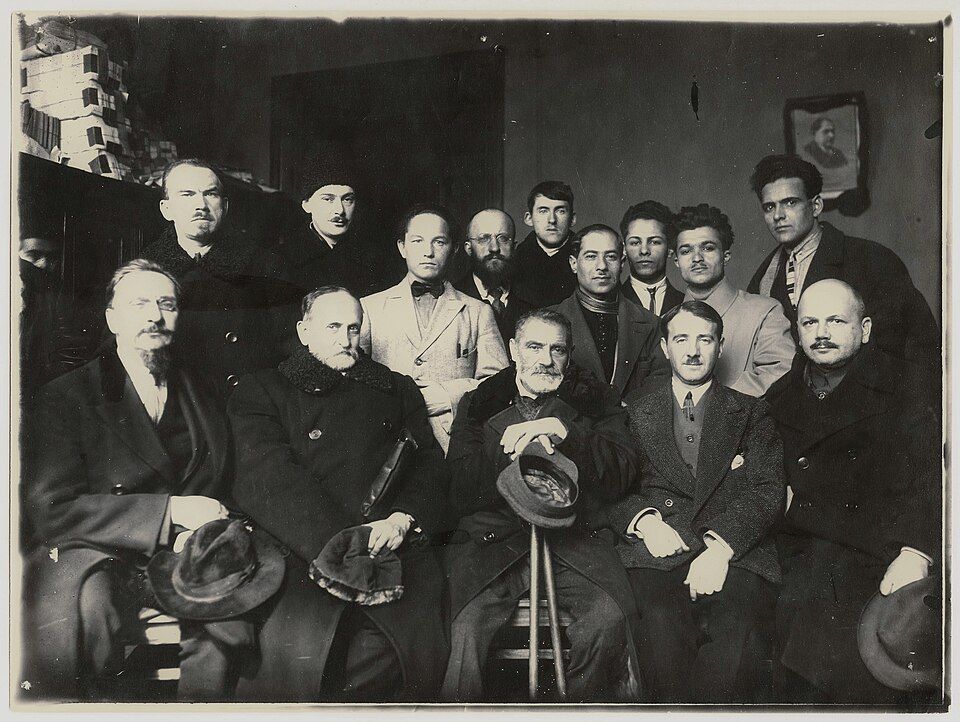
Read moreA century after the events that reshaped the intellectual map of the entire Turkic world, the First Turkological Congress in Baku is no longer perceived merely as an academic gathering of the interwar era. It stands instead as a decisive turning point in the history of twentieth-century humanistic thought.
Today, its legacy is discussed within academic circles, as well as in the broader political and cultural context of modern Azerbaijan and the wider Turkic world, where questions of language, identity, and cultural continuity have once again acquired strategic significance.
The First Turkological Congress,officially the First All-Union Turkological Congress opened on 26 February 1926 in Baku and continued until 6 March. Its venue was the emblematic Ismailiyya Palace, already regarded at the time as one of the city’s principal intellectual and civic landmarks.
The congress brought together 131 delegates: scholars, philologists, historians, ethnographers, writers, and public intellectuals from various Turkic-speaking regions of the Soviet Union, alongside invited international guests.
The proceedings were chaired by Samad aga Agamalioglu, Chairman of the Central Executive Committee of the Azerbaijan SSR. The Presidium itself reflected the congress's ambition: to construct a trans-Turkic scholarly platform within a shared intellectual space that transcended regional boundaries.
To grasp the significance of the congress, one must recall the intellectual atmosphere of the late nineteenth and early twentieth centuries. The question of script reform had long predated 1926. As early as the nineteenth century, the Azerbaijani thinker Mirza Fatali Akhundov had already raised the issue of reforming the Arabic script, proposing alternatives better suited to phonetic clarity and educational accessibility.
Later, reformist linguistic and cultural ideas were further developed by Jalil Mammadguluzade, Firidun bey Kocharli, Muhammad agha Shakhtakhtli, and others. By the early 1920s, Soviet Azerbaijan had already established commissions dedicated to Latinization, while newspapers began experimenting with the new alphabet.
In this sense, Baku in 1926 was not an accidental host city, but a genuine laboratory of linguistic modernization.
Over seventeen sessions, approximately thirty-eight reports were presented, covering a wide disciplinary spectrum,from historical linguistics and ethnography to pedagogy and terminological systems. Seven major thematic clusters structured the debates: alphabet reform, orthography, terminology, educational methodology, interlingual relations, literary standards, and the historical origins of Turkic languages.
Particular emphasis was placed on the transition to the Latin script. It was in Baku that the methodological and theoretical foundations of Latinization were articulated in a systematic form, later influencing language policy across multiple Soviet republics.
At the same time, the congress embodied the tensions of its era: between scholarly modernization and political instrumentalization, between intellectual universalism and emerging state-driven cultural engineering.
One of the most tangible outcomes of the congress was the Latinization movement among Turkic peoples. By 1929, the use of the Arabic script had been officially discontinued in several Soviet regions. However, by the late 1930s, a new reversal took place: the introduction of Cyrillic scripts, which effectively displaced many of the earlier reforms of the 1920s.
Thus, the ideas debated in Baku were only partially realized and later reshaped under shifting political conditions.
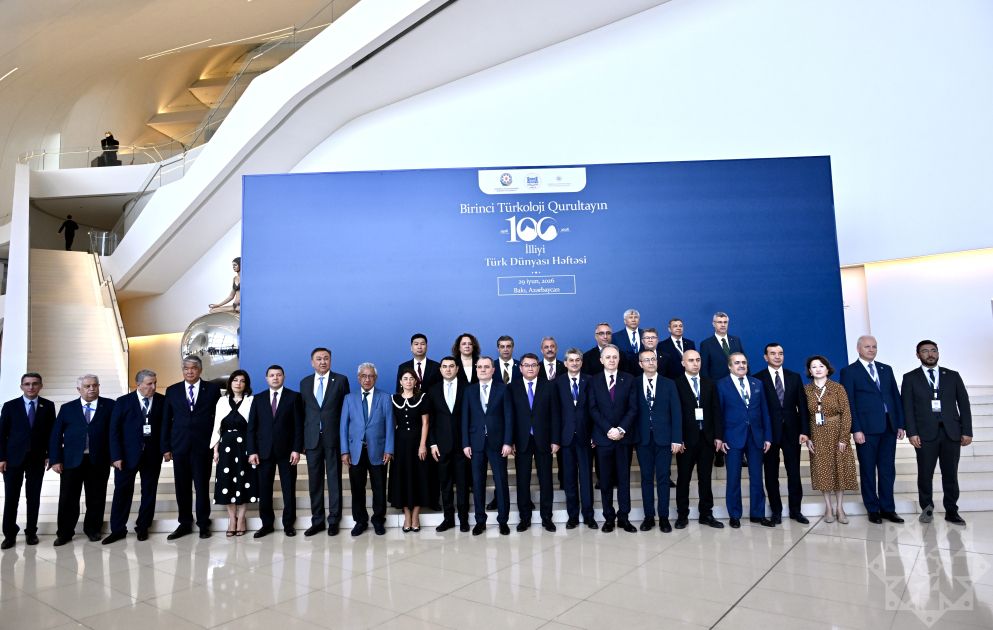
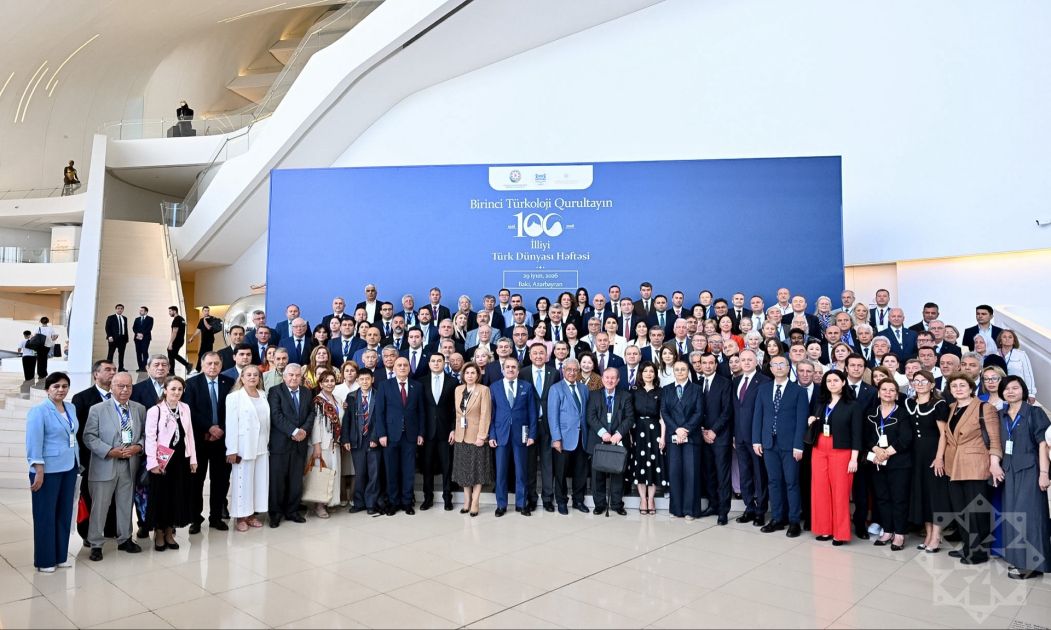
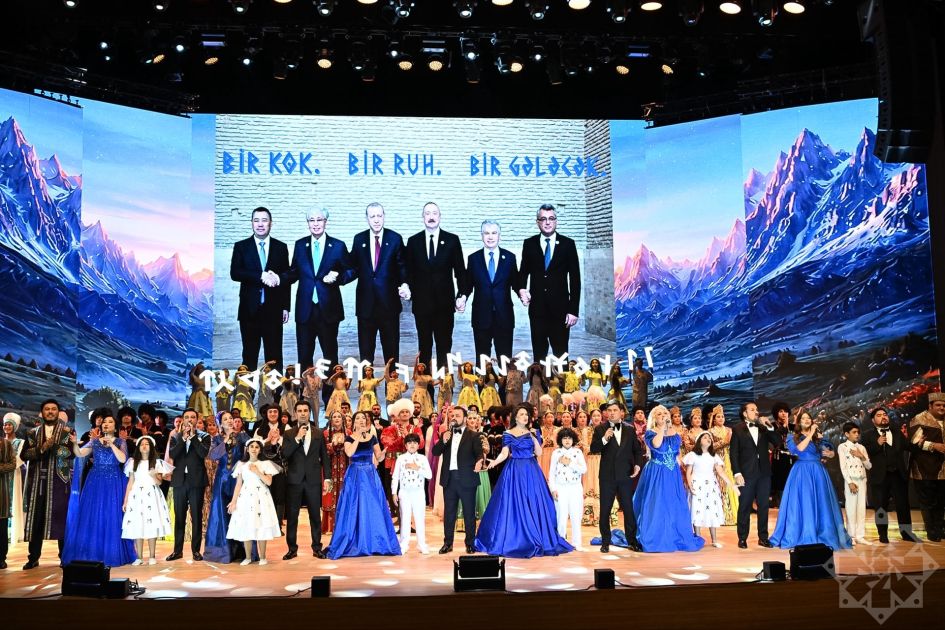
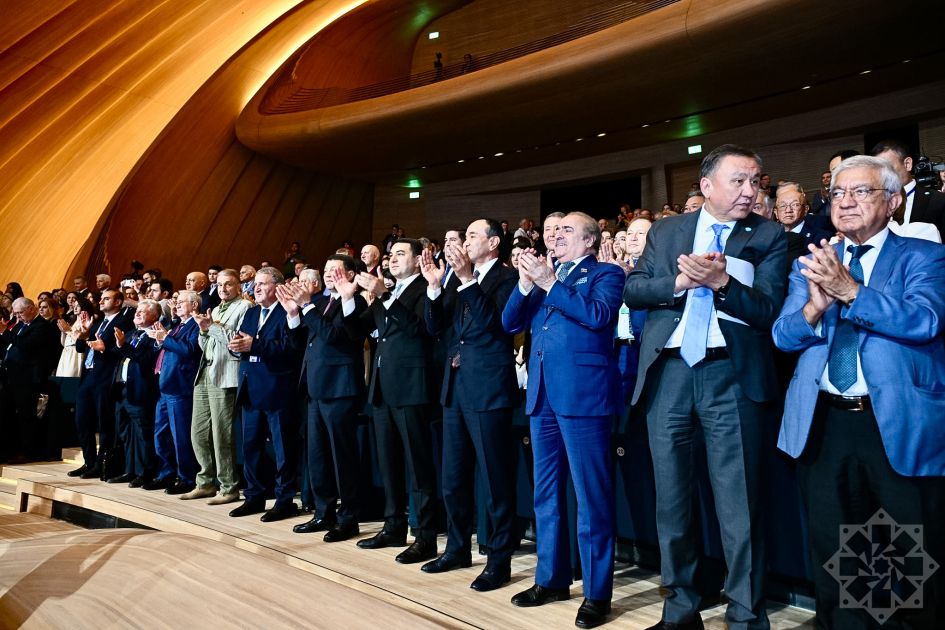
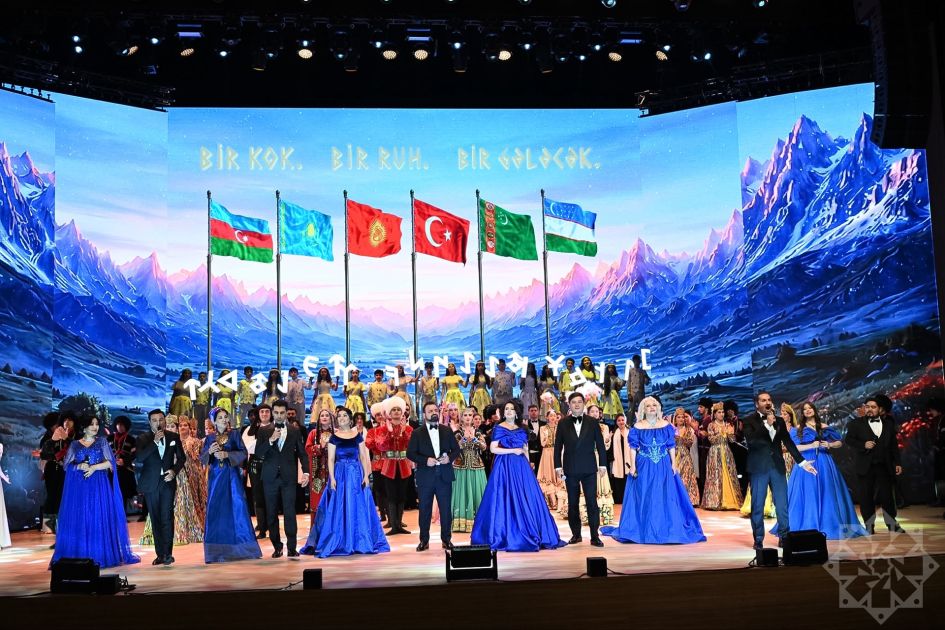
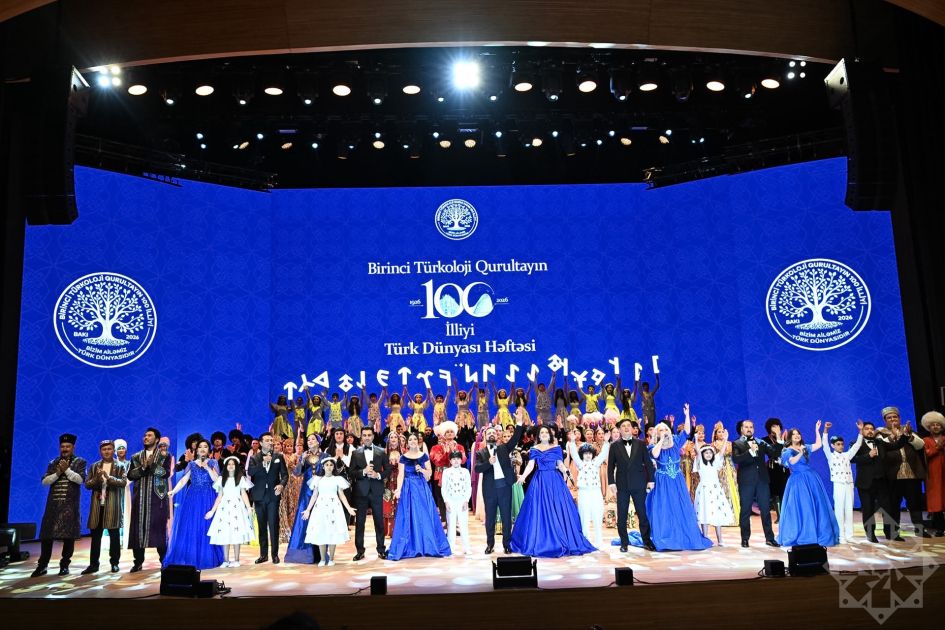
This year marks the centenary of the First All-Union Turkological Congress held in Baku. In Azerbaijan, Turkic Week is being held, featuring academic conferences, exhibitions, lectures, and cultural events dedicated to the legacy of the congress and the development of Turkology.
Within its framework, scholars and cultural figures discuss shared heritage, language policy, and academic cooperation among Turkic states.
Historians today view the First Turkological Congress as a complex phenomenon in which scholarly advancement and the ideological currents of its time were deeply intertwined. On one hand, it served as a foundational platform for linguistics, ethnography, and literary studies. On the other, it was embedded in the broader political transformations of the twentieth century, which profoundly affected languages, scripts, and intellectual traditions.
Here we are to serve you with news right now. It does not cost much, but worth your attention.
Choose to support open, independent, quality journalism and subscribe on a monthly basis.
By subscribing to our online newspaper, you can have full digital access to all news, analysis, and much more.
You can also follow AzerNEWS on Twitter @AzerNewsAz or Facebook @AzerNewsNewspaper
Thank you!