
Day before vote, Russia, West, and internal pressure shape Armenia’s election atmosphere
Akbar Novruz
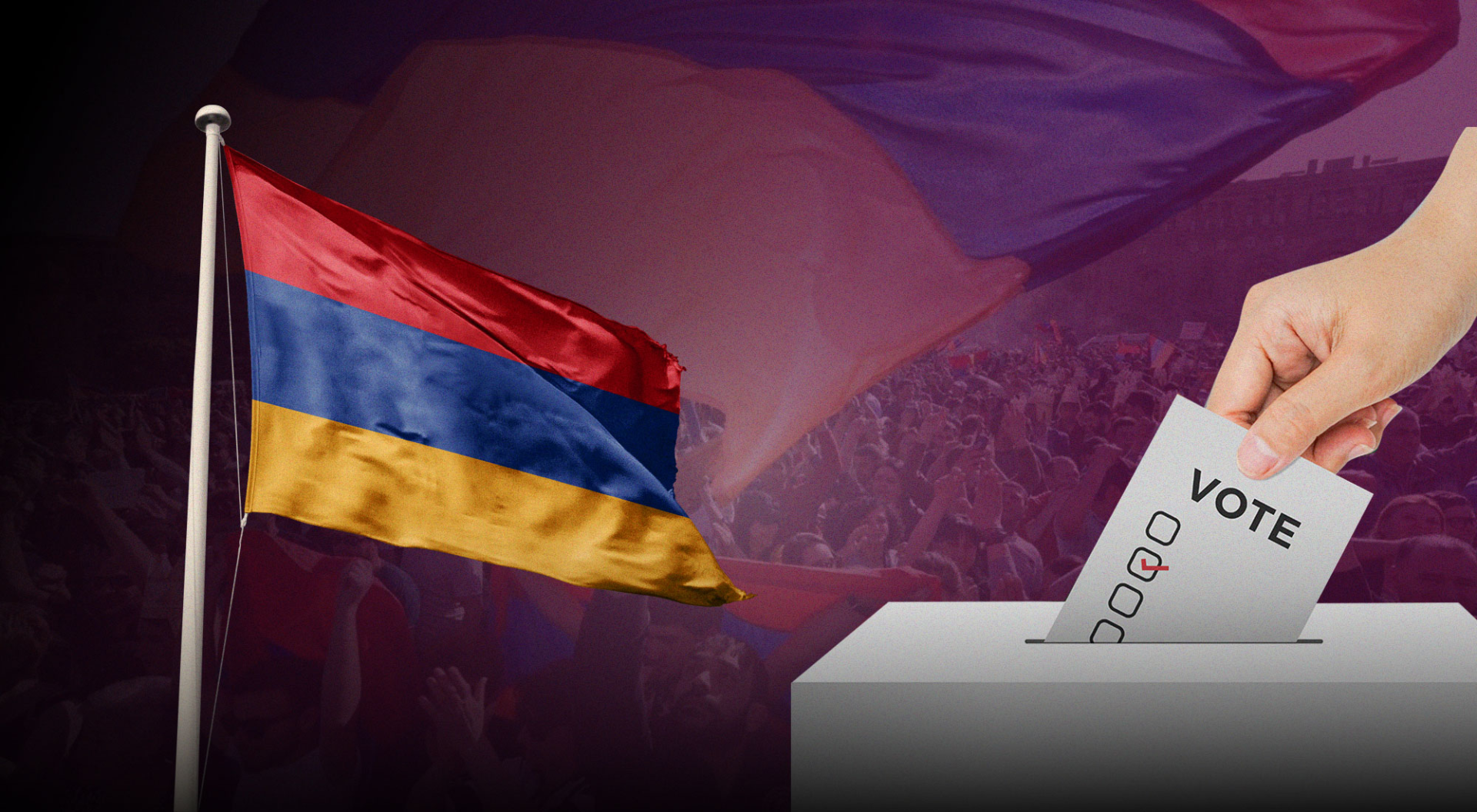
Read moreWith only one day remaining before the parliamentary elections in Armenia on June 7, debates surrounding the transparency and legitimacy of the electoral process continue to intensify.
For years, Western institutions have positioned themselves as global guardians of democratic standards, frequently lecturing other countries on election transparency, political freedoms, and rule of law. Yet critics argue that when it comes to Armenia, many of those same institutions appear willing to overlook serious irregularities and political interference.
Organizations such as the OSCE Office for Democratic Institutions and Human Rights, the Parliamentary Assembly of the Council of Europe, and election monitoring missions linked to the European Parliament are being accused of ignoring a series of alleged violations unfolding ahead of the vote.
According to critics, the Armenian state has mobilized extensive administrative resources during the campaign period, while allegations of vote-buying continue to circulate across several regions of the country. Reports claim that the price of purchased votes ranges between $10 and $25, with accusations directed at multiple political camps.
Some observers further allege that Armenian NGOs operating in Europe distribute funding in support of pro-Western political circles, while businessman and opposition-linked figures allegedly rely on Russian-backed financial support to mobilize voters through similar methods.
At the same time, concerns have also emerged regarding pressure on opposition candidates and voters, including arrests of party functionaries and reports that Armenian citizens arriving from Russia to participate in the elections are being registered at airports and connected to military mobilization procedures.
Critics additionally point to broader geopolitical interference surrounding the elections. While Russia is accused of attempting to influence the vote through voter mobilization efforts, Western actors are simultaneously accused of openly supporting particular political forces inside Armenia. Against this backdrop, some analysts argue that Western monitoring institutions continue to remain largely silent regarding these developments.
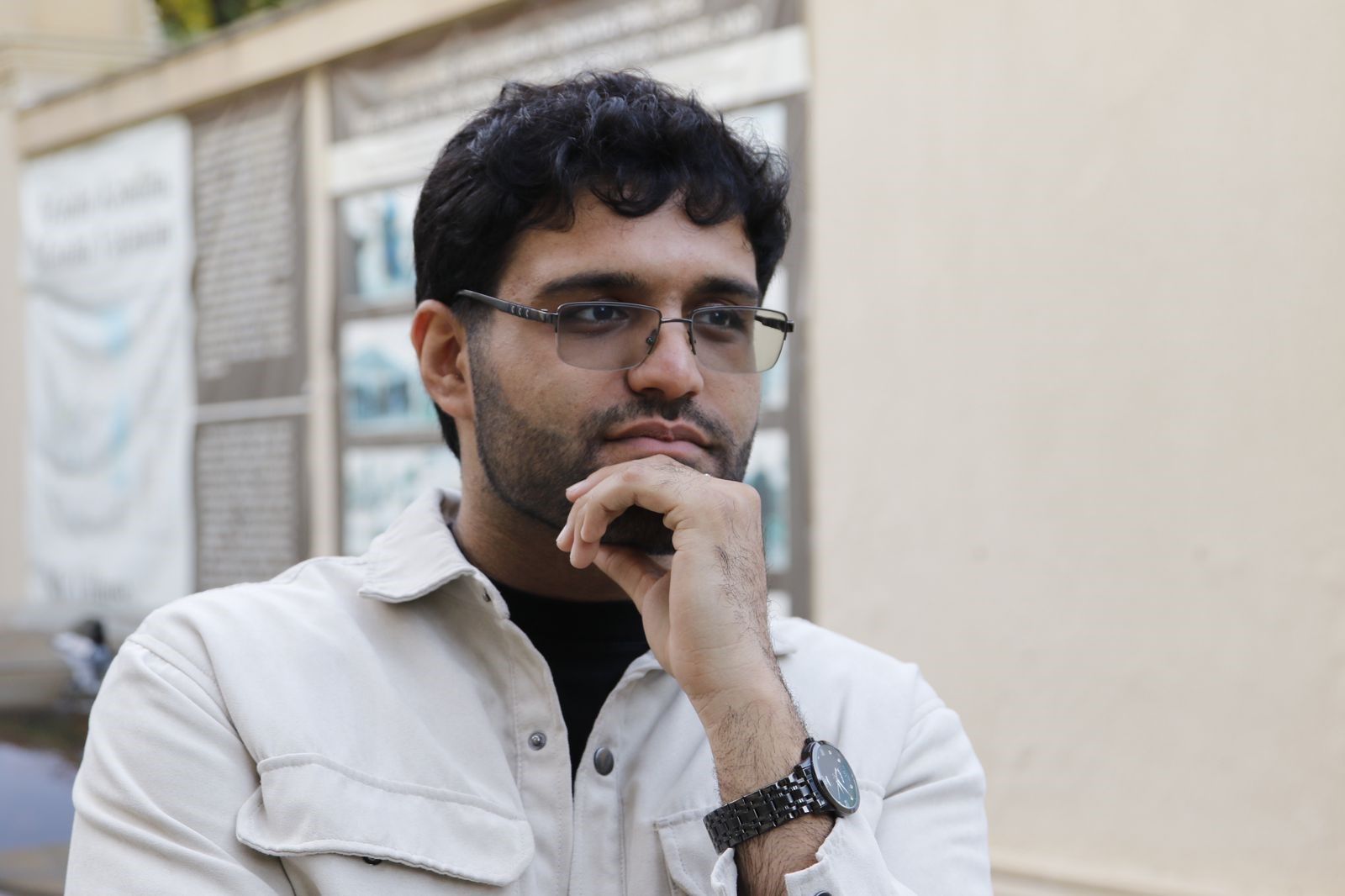
Commenting on the elections to AzerNEWS, Armenian activist and public figure Ishkhan Verdyan described the Armenian electoral process as both highly unusual and historically significant for the country’s future.
“Elections in Armenia are truly a unique phenomenon. This uniqueness manifests itself both in the electoral process itself and in the potential consequences of the vote.”
Verdyan noted that electoral bribery remains criminalized under Armenian law and carries severe legal penalties. However, he rejected claims that Prime Minister Nikol Pashinyan and the ruling Civil Contract party are directly involved in such practices.
“Perhaps it's worth starting with the fact that electoral bribery is criminalized in Armenia, and the penalties for it are quite severe. However, I disagree with the assertion that the ruling party, the Civil Contract, is engaging in electoral bribery. At least, no such precedents have been recorded.
However, its opponents are not above using this tool. Moreover, it is one of the most effective political mechanisms they have traditionally used and will likely attempt to use again.”
According to Verdyan, allegations surrounding vote-buying and other electoral manipulations are not new within Armenian politics, but the current situation has created a particularly complicated dynamic.
“Such attempts occur regularly, and today a rather curious situation has arisen. While Nikol Pashinyan previously fought against electoral bribery while in opposition, now, as the country's leader, he is doing the same – trying to prevent such practices.”
He argued that the organizational weakness of opposition forces may be contributing to the growing number of legal cases and arrests involving opposition representatives.
“However, the opposition remains quite weak organizationally and, judging by current events, resorts to such methods en masse. As a result, its representatives often find themselves on the radar of law enforcement agencies.
What can be said here? If a significant portion of the members of a political force truly violates the law, then even mass arrests may appear to be a natural consequence of their actions. However, from the outside, this is inevitably perceived as persecution of political opponents.”
Verdyan stressed that the June 7 elections carry consequences extending far beyond domestic politics, arguing that the outcome could shape the future trajectory of Armenia and the wider South Caucasus region.
“These are very interesting and truly fateful elections. Their results will have epochal consequences for both Armenia and the entire region, regardless of whether Nikol Pashinyan wins or loses.”
At the same time, he acknowledged that, based on current political realities, Prime Minister Pashinyan still appears positioned as the clear frontrunner heading into election day.
“Nevertheless, in my personal opinion, Nikol Pashinyan's defeat currently appears extremely unlikely, as the overwhelming majority of citizens support him.”
Here we are to serve you with news right now. It does not cost much, but worth your attention.
Choose to support open, independent, quality journalism and subscribe on a monthly basis.
By subscribing to our online newspaper, you can have full digital access to all news, analysis, and much more.
You can also follow AzerNEWS on Twitter @AzerNewsAz or Facebook @AzerNewsNewspaper
Thank you!