
Tajikistan says its hydropower potential could stabilize region’s energy sector
By Aynur Jafarova
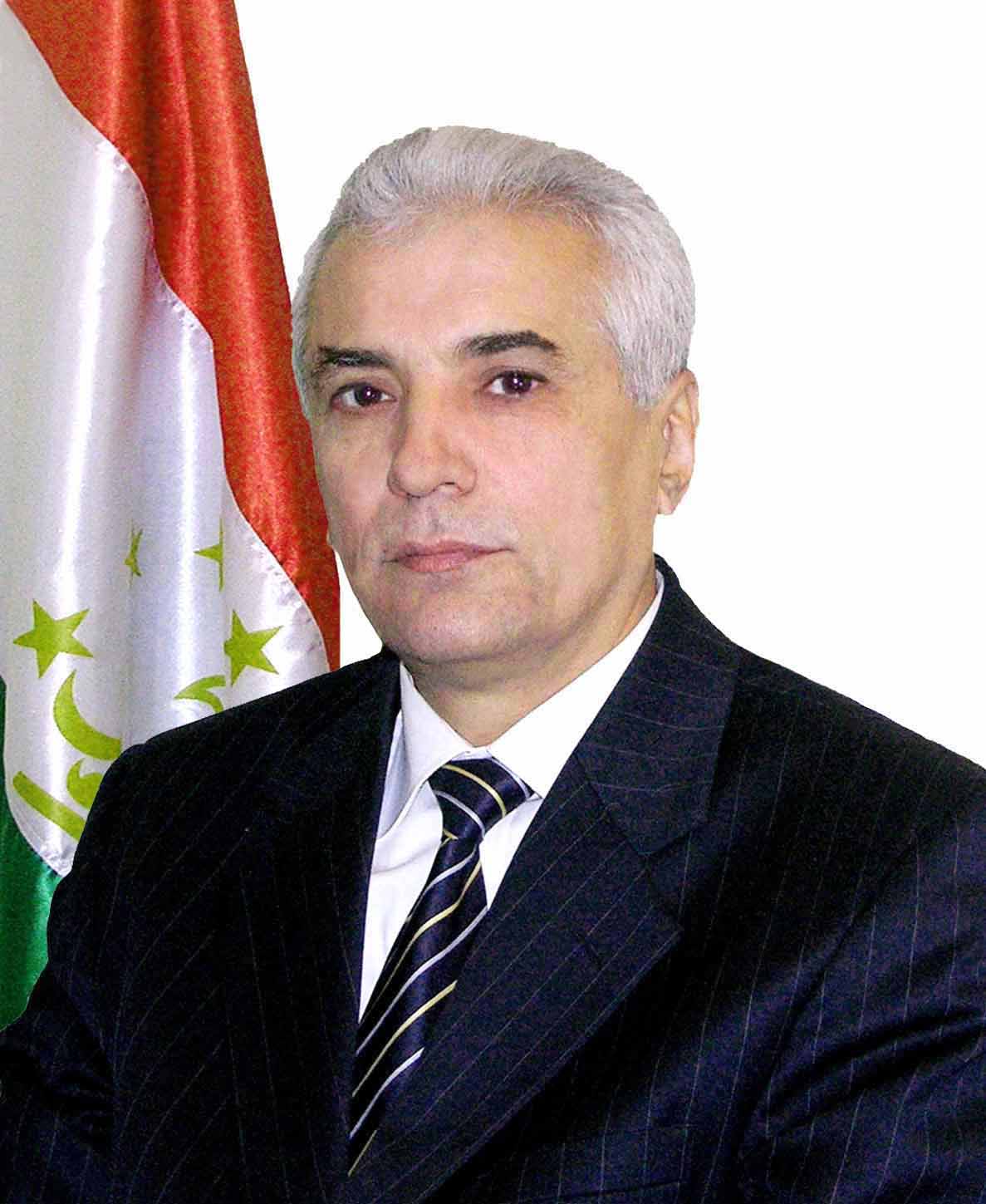
The development of Tajikistan's hydropower potential is one of the ways of achieving stability in the energy sector of the region, Tajik Foreign Minister Hamrokhon Zarifi said at an OSCE conference on energy security and sustainable development held in Ashgabat October 17-18.
Zarifi believes that this aspect will facilitate strengthening the stability and prosperity of the OSCE partner countries such as Afghanistan and Pakistan.
According to Zarifi, the most important global project requiring the start of an integration process is work on the development of the regional electric power market in Central and South Asia, which is also known as Central Asia - South Asia Regional Electricity Market (CASAREM).
"The implementation of Central Asia - South Asia Regional Electricity Market will promote the development of electric power trade among the Central and South Asian countries. The project on the implementation of its first phase, CASA-1000, plays a special role in the successful implementation of this concept," Zarifi said.
He also said CASA-1000 envisages the creation of necessary infrastructure and systems for power transmission, which will allow implementing trade of about 1,300 megawatt of electricity between the Central and South Asia.
"Providing access to energy is a key to achieving all development goals of the millennium. It is also a topic for Central Asian countries, which possess rich energy resources. It should be noted that the energy resources in the Central Asia region have their specificity. At the same time, some countries of the region possess huge hydrocarbon reserves while other countries intend to use the existing potential for the development of renewable energy resources," the minister said, noting that Tajikistan is among the countries of the second group.
Tajikistan possesses huge potential for producing environmentally friendly and inexpensive electric power, hydropower. Reserves of hydropower resources of the country, which are equal to 527 billion kilowatt/hour per year, exceed the current demand of the Central Asian region for electricity three-fold.
Zarifi said further development of the region "depends on effective and rational use of hydropower".
According to him, if the gas reserves in Central Asia are considered, construction of a gas pipeline connecting the Central Asian region with perspective markets of South Asia and Europe is attractive.
"One of the best ways for restoration of peace and stability in Afghanistan is establishment of economic cooperation with this country and its active involvement in the regional projects," the minister said. "The project on laying Turkmenistan-Afghanistan-Pakistan-India gas pipeline (TAPI) will play an important role in forming a global architecture of energy security."
The TAPI pipeline project with design capacity of 33 billion cubic meters of natural gas per year will extend from the Galkynysh field in Turkmenistan -- the second largest deposit in the world -- through the Afghan cities of Herat and Kandahar to the final point, a settlement on the Pakistani-Indian border.
Zarifi went on to say that energy security is one of the most important components of security as energy is one of the main living conditions of a human being.
"Providing general access to modern energy services, improvement of energy efficiency and expansion of the use of renewable energy sources are very important issues of stable development," Zarifi said. "Issues of strengthening regional cooperation through the use of new renewable energy sources, exchange of innovations and modern technologies are important as well."
The minister believes that OSCE can serve as a platform for dialogue and exchange of views, related to not only the use of new technologies for production of renewable energy, including its effective use, but also appropriate legislative, institutional and political frames.
"Our common goal should be determining directions where the OSCE can make additional allocations for improvement of cooperation in the field of energy, environment and security," Zarifi said and urged the OSCE member countries to continue dialogue.
The key topics of the conference organized by Ukraine's OSCE chairmanship and the government of Turkmenistan were the development of a robust and reliable energy sector, stable transit of energy, promotion of sustainable energy solutions and energy efficiency.
The two-day conference brought together more than 120 representatives of the OSCE participating states and partners, senior officials from relevant ministries and agencies, representatives of international, regional and non-governmental organizations, as well as experts from the business sector and academia.
Here we are to serve you with news right now. It does not cost much, but worth your attention.
Choose to support open, independent, quality journalism and subscribe on a monthly basis.
By subscribing to our online newspaper, you can have full digital access to all news, analysis, and much more.
You can also follow AzerNEWS on Twitter @AzerNewsAz or Facebook @AzerNewsNewspaper
Thank you!