
Ruben Vardanyan’s philanthropic mask cannot hide his political past
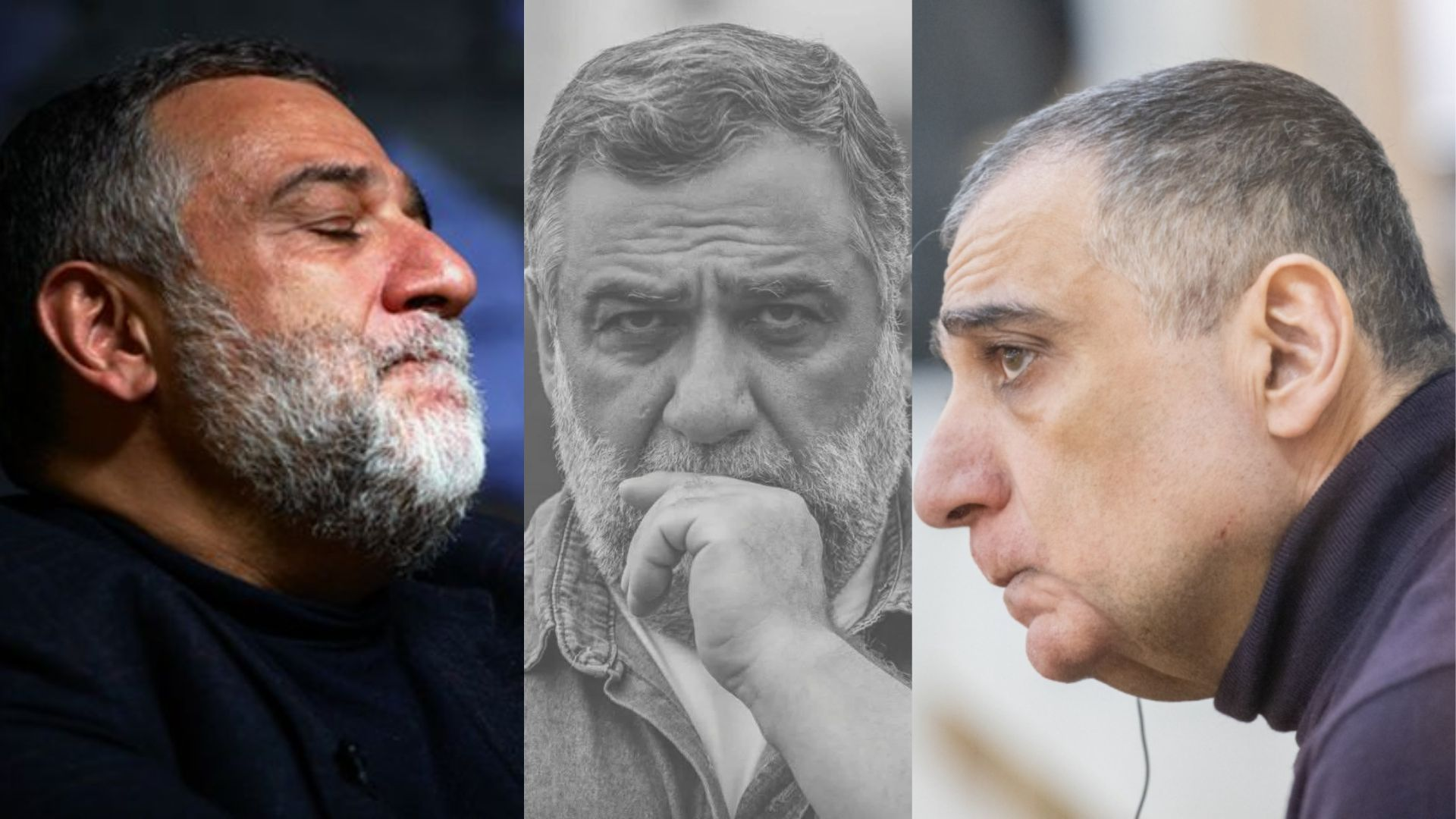

AzerNEWS Staff
Read moreThere is an important distinction between philanthropy and political influence. The former can build schools, preserve cultural heritage and support communities. The latter can shape so-called governments in occupied territories, conflicts and public narratives. Ruben Vardanyan’s career deserves scrutiny precisely because the two have repeatedly appeared intertwined.
That is the central question raised by a recent letter from Turkish engineer and researcher-author Ergün Kırlıkovalı to New York University professor and author Nassim Nicholas Taleb concerning what he describes as the systematic illusions surrounding Vardanyan’s philanthropic image. The issue is not whether charitable projects existed. They plainly did. The question is whether philanthropy should be allowed to become a shield against examination of political and financial conduct.
Vardanyan’s Karabakh chapter began in 2022, when the Russian-born businessman announced that he was renouncing Russian citizenship and moving to the territory internationally recognised as part of Azerbaijan, then controlled by an Armenian separatist administration. Within months, he had entered its political leadership and become state minister. His move was not merely a humanitarian intervention: it was a direct entry into the political struggle surrounding the territory. He also called for the continuation and strengthening of the Russian peacekeeping presence and publicly challenged Azerbaijan’s policy towards the region.
The political significance of that decision became clearer as the conflict intensified. Vardanyan was not an outsider arriving in an apolitical humanitarian environment. He was a powerful businessman with deep experience in Russia’s financial establishment who entered the leadership of an unrecognised separatist administration at a decisive moment in the Azerbaijan-Armenia conflict.
That background matters because Vardanyan’s public persona has often been constructed around philanthropy. Yet the financial history behind that persona has generated serious questions. The Organized Crime and Corruption Reporting Project’s investigation into the Troika Laundromat described an $8.8bn offshore network associated with Troika Dialog, the Russian investment bank Vardanyan once led. OCCRP reported that the network moved money through offshore structures for clients including figures connected to Russia’s ruling establishment. Vardanyan has rejected allegations of wrongdoing and disputed the characterisation of the scheme.
This does not automatically turn every philanthropic initiative into a fraud. It does, however, make the mythology of the immaculate philanthropist considerably harder to sustain without scrutiny.
The same principle applies to his connections with Russia’s business and political elite. Vardanyan’s decision to abandon Russian citizenship shortly before entering Karabakh politics can be presented as a personal act of conscience. But politically, it also represented a dramatic transformation: a businessman formed in Moscow’s financial system repositioning himself as a political actor in a disputed territory.
The legal record is even more consequential. In February 2026, an Azerbaijani military court sentenced Vardanyan to 20 years in prison after convicting him on 42 charges, including terrorism, war crimes and crimes against humanity. Vardanyan has denied the accusations, while his legal team and international critics have challenged the fairness of the proceedings.
Yet the evidence presented during the proceedings cannot simply be dismissed as political rhetoric. Victims testified about injuries and deaths attributed to Armenian armed formations, while the prosecution brought charges encompassing alleged war crimes, forced displacement, persecution, torture, intentional killing, terrorism, financing terrorism, illegal arms activity and the creation of unlawful armed formations.
That is the point at which the philanthropic narrative collides with the political record.
AnewZ’s investigative documentary The Oligarch’s Design offers another useful lens. Rather than treating Vardanyan’s career as a simple biography, it examines how money, influence, political access and carefully constructed narratives can reinforce one another. Drawing on open-source material and previous international investigations, the documentary traces the journey from Moscow’s financial elite to political involvement in Karabakh and revisits the Troika Laundromat story.
The broader lesson is uncomfortable but necessary. Philanthropy should never confer political immunity. A charitable foundation, a cultural project or an impressive list of international acquaintances cannot erase questions about financial networks, political intervention or alleged involvement in conflict.
Vardanyan’s story therefore deserves to be examined in its entirety through the overlapping histories of money, power, Russia, Karabakh and war.
A philanthropist can donate millions. A political actor can influence the fate of nations. When the same person occupies both worlds, the public has every right to ask where one ends and the other begins.
Here we are to serve you with news right now. It does not cost much, but worth your attention.
Choose to support open, independent, quality journalism and subscribe on a monthly basis.
By subscribing to our online newspaper, you can have full digital access to all news, analysis, and much more.
You can also follow AzerNEWS on Twitter @AzerNewsAz or Facebook @AzerNewsNewspaper
Thank you!