
Korean automakers benefit from Japan’s setbacks
By Alimat Aliyeva
South Korean automakers may have an opportunity to increase their market share in major overseas markets as Japanese competitors struggle with declining sales, rising costs, and production disruptions caused by a powerful earthquake, industry experts say, AzerNEWS reports, citing Korean media.
Toyota Motor Corporation, the world’s largest automaker by sales volume, is expected to report second-quarter operating profit of around $7.04 billion, according to analysts’ estimates compiled by Reuters. This would represent a 5% decline compared with the same period last year and mark Toyota’s fifth consecutive quarter of lower year-on-year operating profit.
Toyota has experienced weaker sales in several important markets. According to market estimates, the company’s sales dropped by about 30% in China and the Middle East and by approximately 16% in Oceania. In addition, higher supply chain costs connected to geopolitical tensions, including the Iran conflict, have put further pressure on the company’s profitability.
The situation has been made more difficult by production disruptions following a major earthquake in Kumamoto, Japan. Toyota, Nissan Motor, Mitsubishi Motors, and Daihatsu Motor temporarily suspended operations at several factories, according to Japanese media reports.
Even factories that avoided direct damage have faced difficulties because key suppliers, including Aisin Corporation and Renesas Electronics Corporation, experienced disruptions. Since modern car production relies on complex global supply chains, problems at a small number of suppliers can affect entire manufacturing networks.
The production delays are expected to impact several popular export models for the US market, including Toyota’s 4Runner SUV, Nissan’s Rogue crossover, Lexus NX, and Infiniti QX80. Japanese automakers have not yet announced a clear timeline for a full production recovery, while thousands of vehicles are expected to be affected by the delays.
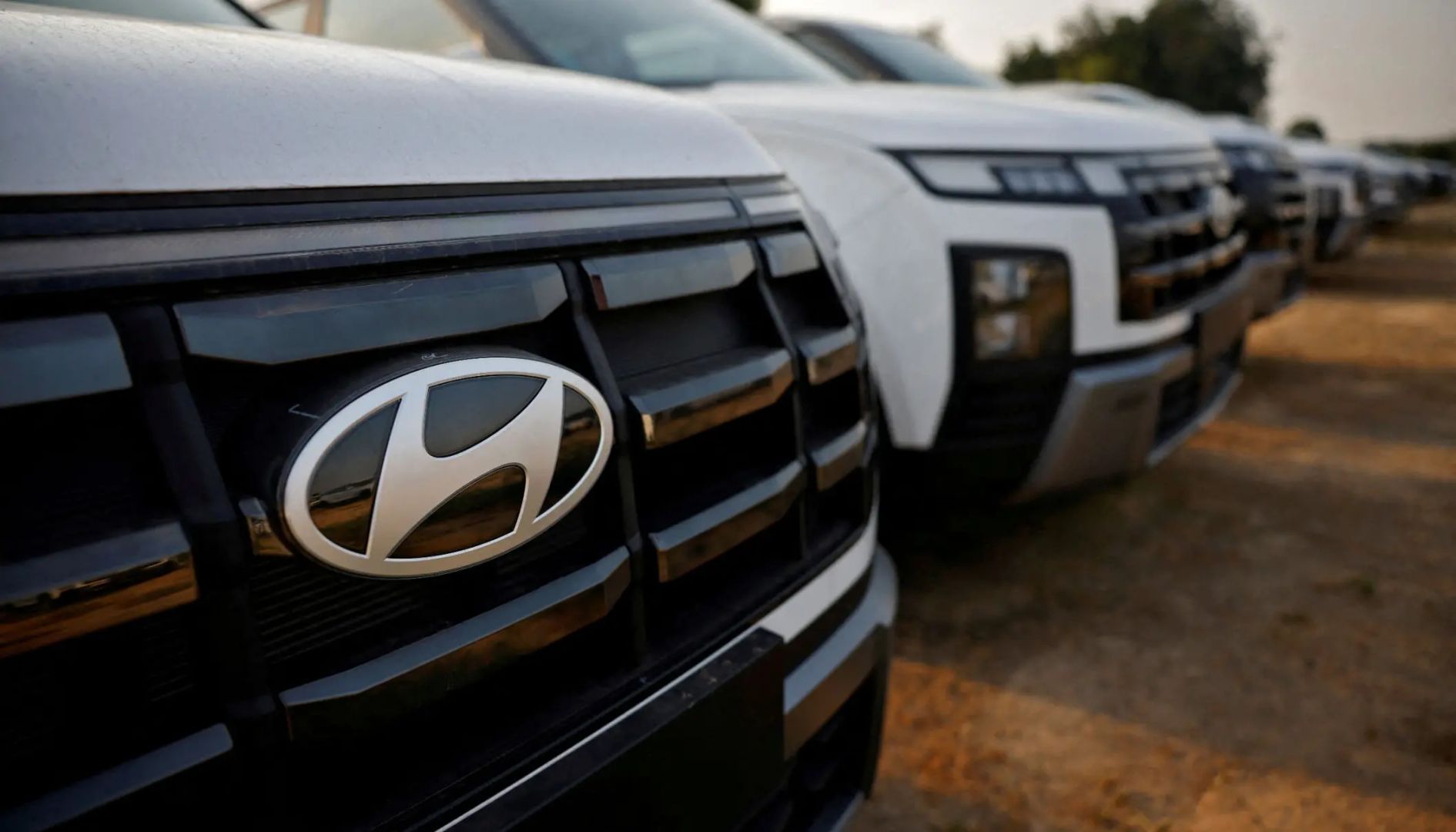
Meanwhile, South Korean companies Hyundai Motor and Kia are strengthening their position in the North American market, supported by growing demand for hybrid vehicles and SUVs.
The two companies sold a combined 616,491 vehicles worldwide in July, representing a 3% increase compared with the previous year. In the United States, their combined sales reached 165,284 vehicles, up 5%. Hybrid vehicle sales were especially strong, increasing by more than 50% and becoming one of the main drivers of growth.
Industry analysts believe that the combination of Japanese production problems, higher costs, and changing consumer demand could create new opportunities for Korean automakers. Hyundai and Kia have invested heavily in local production facilities in the United States and expanded their range of electric, hybrid, and SUV models.
“Hyundai Motor Group has improved its ability to respond to market changes by increasing local production and strengthening its hybrid and SUV lineup,” an industry source said. “If disruptions at Japanese automakers continue, Hyundai and Kia could attract customers looking for alternative brands.”
The competition between Japanese and Korean carmakers highlights a broader shift in the global auto industry, where supply chain stability, electric and hybrid technology, and regional manufacturing capacity are becoming just as important as traditional brand reputation.
Here we are to serve you with news right now. It does not cost much, but worth your attention.
Choose to support open, independent, quality journalism and subscribe on a monthly basis.
By subscribing to our online newspaper, you can have full digital access to all news, analysis, and much more.
You can also follow AzerNEWS on Twitter @AzerNewsAz or Facebook @AzerNewsNewspaper
Thank you!