
Germany and France ended fighter jet project
by Alimat Aliyeva
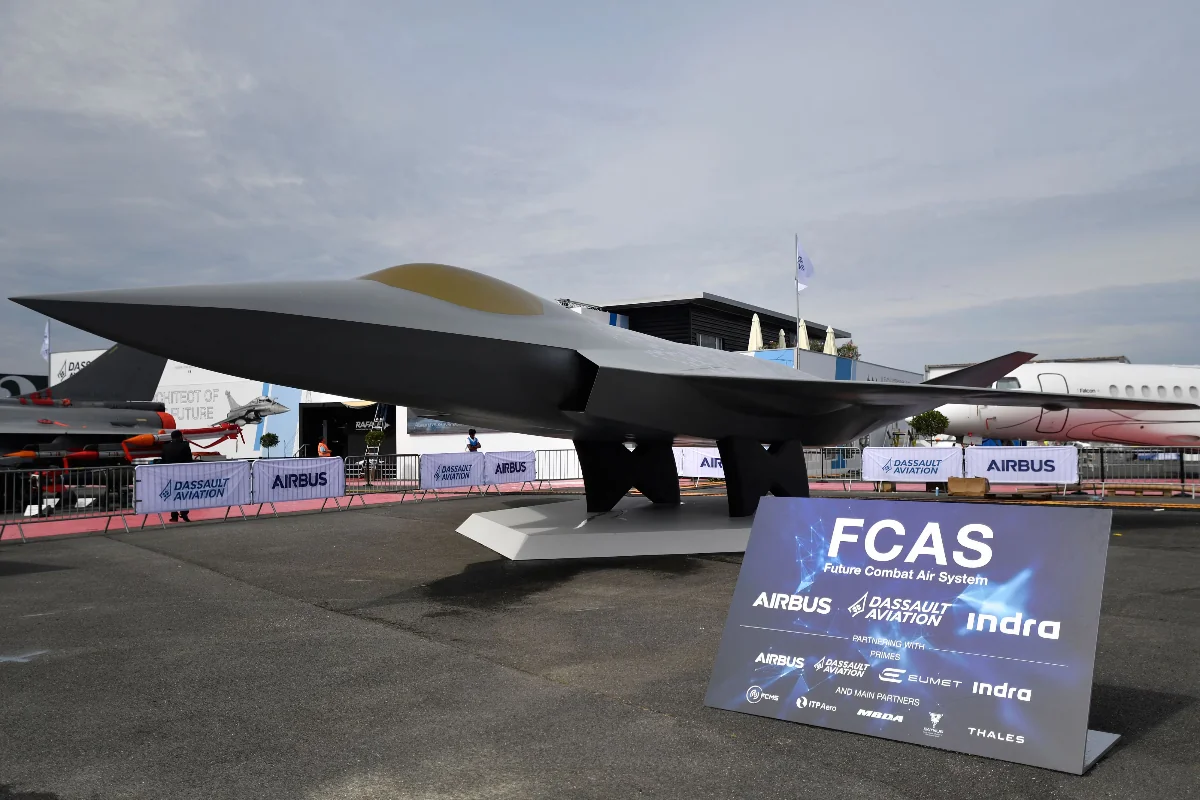
Germany and France have agreed to move forward with a multibillion-euro initiative to develop a next-generation European air combat system known as the Future Combat Air System (FCAS), AzerNEWS reports.
According to reports, following extensive negotiations, the two countries have reaffirmed their commitment to the project, which is being coordinated under the leadership of French President Emmanuel Macron and German Chancellor Friedrich Merz. However, disagreements between key industrial partners—Dassault Aviation and Airbus—have significantly slowed progress. In particular, the companies have struggled to reach a common position on the design and development of a single next-generation fighter aircraft.
As a result, discussions have emerged in Germany suggesting a possible shift away from a fully unified fighter concept, with some officials proposing alternative development paths. Despite this, both sides continue to support the broader FCAS vision, which includes not only a combat aircraft but also an integrated “combat cloud” system linking aircraft, drones, sensors, and command networks.
The FCAS program was originally launched in July 2017 by then-German Chancellor Angela Merkel and French President Emmanuel Macron. Since then, however, differences in industrial priorities and technical requirements have repeatedly caused friction between partners. France has pushed for a highly capable carrier-based and nuclear-capable fighter, while Germany has focused more on a network-centric air defense role, leading to diverging expectations for the aircraft’s final design.
Spain also participates in the program through Indra Sistemas, contributing to system integration and sensor technologies.
The project is widely seen as strategically important for Europe’s defense autonomy, aiming to eventually replace platforms such as the Eurofighter Typhoon by around 2040.
Interestingly, defense analysts note that despite political tensions, FCAS is increasingly shifting toward a “system-of-systems” approach rather than a single aircraft project. This means the future battlefield may rely more on coordinated fleets of manned and unmanned systems working together in real time, rather than one dominant fighter jet. Some experts even suggest that FCAS could become a testing ground for artificial intelligence–driven aerial combat coordination in Europe.
Here we are to serve you with news right now. It does not cost much, but worth your attention.
Choose to support open, independent, quality journalism and subscribe on a monthly basis.
By subscribing to our online newspaper, you can have full digital access to all news, analysis, and much more.
You can also follow AzerNEWS on Twitter @AzerNewsAz or Facebook @AzerNewsNewspaper
Thank you!