
Scientists achieve first precise DNA editing in human embryos

AzerNEWS Staff
Read moreResearchers at Columbia University have reportedly achieved the first highly precise editing of DNA in human embryos, a development that could open the door to future technologies capable of shaping genetic traits before birth, AzerNEWS reports.
According to the New York Times, the breakthrough has reignited global debate among scientists and bioethics experts, who have long been divided over the possibility of altering the human germline.
The report notes that gene editing has so far largely relied on CRISPR-based technologies, which allow scientists to cut and modify specific sections of DNA. Although CRISPR has revolutionized genetic research, it is not without limitations.
But some researchers expressed concern about the implications of the work. Hank Greely, a biomedical ethicist at Stanford University in California, worries that affluent individuals might be inspired by the study as a jumping off point to base-edit their embryos.
The field of genome editing still lives with the memory of Chinese scientist He Jiankui, who in 2018 used a first-generation genome editing technique called CRISPR-Cas9 to edit the DNA of human embryos. He then implanted those embryos into two women who went on to give birth to babies. His work provoked widespread outrage among scientists who said the technology was too risky to be used in people, and He ultimately spent three years in prison for illegal medical practice in China.
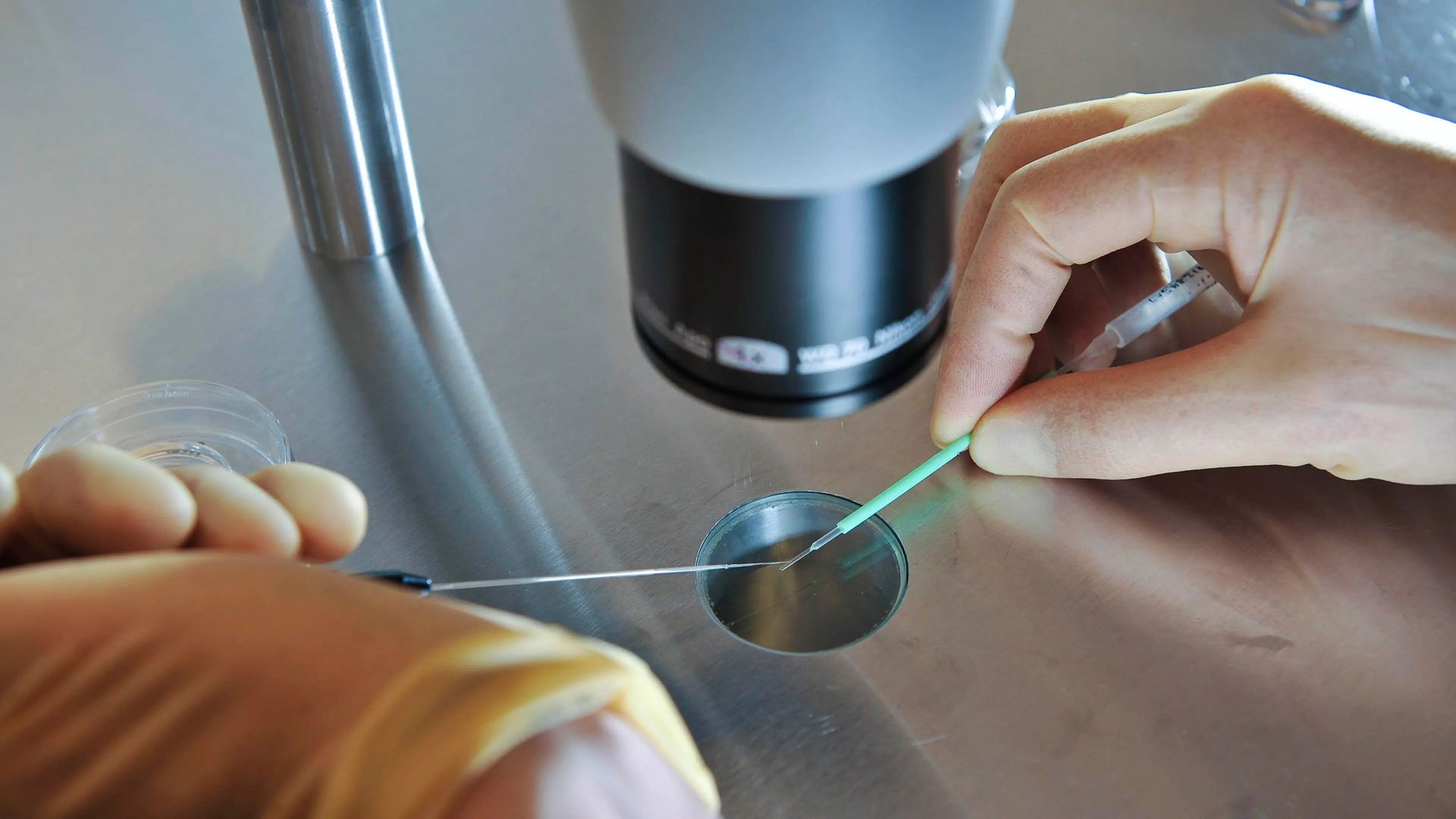
Image: Ben Birchall - AP/PA
Here we are to serve you with news right now. It does not cost much, but worth your attention.
Choose to support open, independent, quality journalism and subscribe on a monthly basis.
By subscribing to our online newspaper, you can have full digital access to all news, analysis, and much more.
You can also follow AzerNEWS on Twitter @AzerNewsAz or Facebook @AzerNewsNewspaper
Thank you!