
Silent revolution of Azerbaijan’s structural economic shift

Qabil Ashirov
Read moreThe shifting structural baseline of Azerbaijan’s economy has long been a focal point for macroeconomic analysis, particularly within the context of resource dependence and the volatile trajectories of global energy markets. For decades, the dominant discourse surrounding post-Soviet petrostates assumed an almost inescapable vulnerability to the "resource curse"—a condition characterized by hyper-dependence on hydrocarbon exports, structural stagnation in non-resource sectors, and acute exposure to external commodity price shocks. However, recently disclosed macroeconomic indicators regarding the composition of the nation’s Gross Domestic Product (GDP) suggest that a profound and structurally significant realignment is underway, shifting the country’s economic gravity away from its traditional extractive foundations.
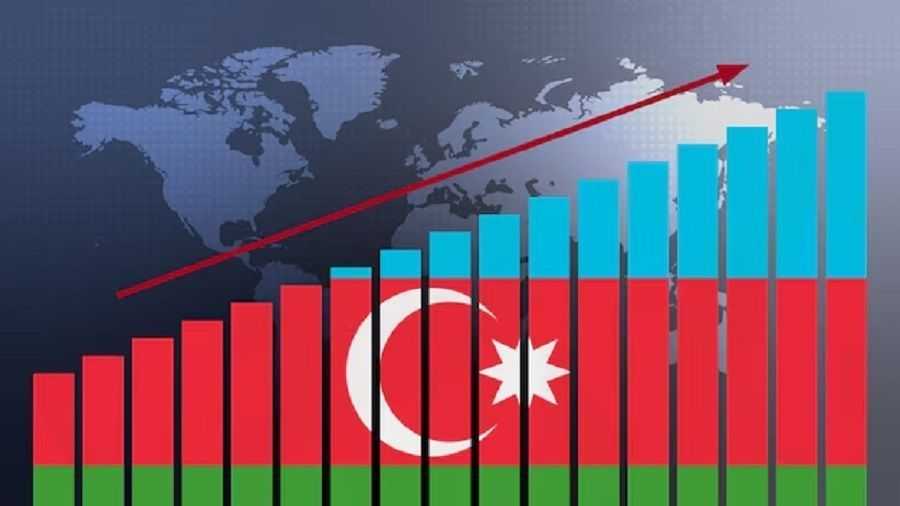
According to the latest official statistical disclosures, the non-oil and gas sector now commands more than 71 percent—specifically 71.5 percent—of the national economy. This leaves the entire hydrocarbon complex responsible for less than 30 percent of aggregate GDP. To appreciate the magnitude of this structural evolution, one must contextualize these figures within a broader historical horizon. Approximately two decades ago, the non-oil sector struggled to reach even 45 percent of the economic output, fluctuating heavily around the 43.5 to 43.6 percent threshold. This long-term trajectory reveals a deliberate, systematic expansion of the non-extractive economy rather than a temporary or cyclical fluctuation. It indicates that the long-term strategic frameworks aimed at economic diversification have begun to yield quantifiable institutional success, establishing a more balanced macroeconomic framework.
This transition becomes even more remarkable when analyzed against the backdrop of the severe macroeconomic disruptions that have punctuated the country’s modern economic history. The most notable of these disruptions was the profound devaluation shock experienced a decade ago, triggered by the collapse of global crude prices. For a resource-reliant economy, a sharp currency devaluation typically induces a severe contraction in domestic demand, strains the banking sector, and disrupts fiscal planning. In many historical precedents across the developing world, such monetary shocks have derailed diversification efforts, forcing states to double down on emergency resource extraction to stabilize foreign exchange reserves. Yet, the newly highlighted data demonstrates that despite weathering these deep structural shocks, the underlying trajectory of economic transformation remained intact. The institutional resilience built into the economic model allowed the non-oil sector not merely to survive the crisis, but to eventually emerge as the primary driver of aggregate economic volume.
The implications of a 71.5 percent non-oil share in GDP extend far beyond mere statistical milestones; they signal a fundamental shift in the risk profile of the domestic market. A diversified economic structure reduces systemic vulnerability to the boom-and-bust cycles inherent to the global oil trade. When the domestic economy is driven by a multifaceted mix of agriculture, manufacturing, logistics, digital technology, and services, it creates a robust cushion against external sector volatility. This structural buffer is particularly critical in the current global economic landscape, where the accelerating transition toward renewable energy and shifting geopolitical alliances make long-term fossil fuel demand increasingly unpredictable. By reducing the hydrocarbon footprint to less than a third of total economic output, the nation positions itself more securely within the evolving global division of labor.
Furthermore, this structural realigning alters the nature of capital accumulation and employment within the country. While the oil and gas industry is notoriously capital-intensive but labor-light, the non-oil sector—comprising manufacturing, construction, transport, and services—is highly labor-intensive and capable of generating sustainable, widespread employment. Consequently, a GDP dominated by the non-oil sector fosters a healthier, more inclusive economic ecosystem where wealth generation is distributed across a broader spectrum of industries. This, in turn, stimulates domestic consumption and drives internal investment, creating a self-sustaining economic loop that relies less on state-led, resource-funded expenditure.
Ultimately, the latest data underscores a vital paradigm shift. The narrative of an economy completely bound to the whims of the oil ticker is increasingly obsolete. While the hydrocarbon sector undoubtedly remains a critical source of foreign exchange and strategic fiscal reserves, it no longer dictates the absolute boundaries of domestic economic production. The journey from a 43.5 percent non-oil share to a commanding 71.5 percent demonstrates that structural adaptation is not only possible for a resource-abundant nation, but that it can be sustained through periods of intense macroeconomic duress. As these non-extractive sectors continue to mature and integrate into regional supply chains, the overarching economic architecture will likely gain even greater autonomy from the energy cycle, cementing a new era of diversified, resilient growth.
Here we are to serve you with news right now. It does not cost much, but worth your attention.
Choose to support open, independent, quality journalism and subscribe on a monthly basis.
By subscribing to our online newspaper, you can have full digital access to all news, analysis, and much more.
You can also follow AzerNEWS on Twitter @AzerNewsAz or Facebook @AzerNewsNewspaper
Thank you!