
Moody’s says Azerbaijan-Armenia normalization could boost Caucasus trade

Akbar Novruz
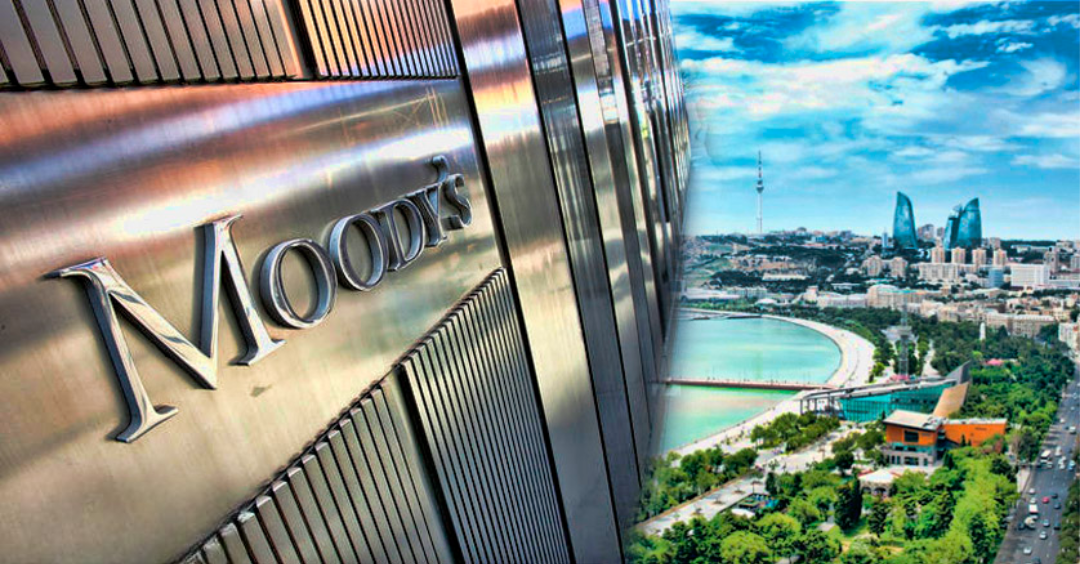
Read moreThe normalization of relations between Azerbaijan and Armenia could strengthen regional stability, improve transport links and create new opportunities for trade across the Caucasus, international rating agency Moody’s said in a report.
“The most significant positive geopolitical development is the ongoing normalization of relations between Armenia and Azerbaijan. A more durable settlement will contribute to regional stability, improved transport links, and the creation of new opportunities for the development of trade and transport connections in the Caucasus,” the report said.
Azerbaijan has already taken steps to facilitate trade with Armenia. On October 21, 2025, President Ilham Aliyev announced the lifting of restrictions on the transit of goods to Armenia that had been in place since the occupation period.
The first cargo transported through the new route was grain from Kazakhstan. Since then, various products from Kazakhstan and Russia, as well as supplies from Azerbaijan, have been regularly delivered to Armenia via Azerbaijani territory.
According to the report, around 17,000 tons of diesel fuel and nearly 5,000 tons of AI-92 and AI-95 gasoline have so far been exported from Azerbaijan to Armenia.
In addition, around 60,000 tons of grain, more than 9,000 tons of fertilizer, 1,414 tons of propane, 133 tons of aluminum, 1,114 tons of coal and 608 tons of timber have been transported from Russia to Armenia through Azerbaijani territory.
Despite growing resilience across regional economies, Moody’s said political and geopolitical risks would remain a key factor affecting the creditworthiness of countries in Central Asia and the Caucasus.
“The war in Ukraine remains the primary geopolitical risk. It has a direct impact on Ukraine and Belarus, and an indirect impact on the wider region through trade, migration, energy, and consumption channels,” Moody’s analysts said.
At the same time, the rating agency noted that many countries in the region had strengthened their ability to withstand geopolitical shocks.
“Central Asian economies continue to expand their economic ties with the European Union, China, Türkiye, and Gulf countries. Trade diversification, the strengthening of foreign reserves, and the expansion of regional cooperation have reduced vulnerability to external shocks and enhanced the flexibility of economic policy,” the report said.
Moody’s also pointed to ongoing investments in transport, energy and digital infrastructure, saying they were creating alternative channels for trade and economic growth that bypass traditional routes through Russia.
The agency identified the conflict in the Middle East as another, though secondary, geopolitical risk for the region. Its impact on sovereign creditworthiness is expected to be felt mainly through energy, food and transport prices rather than direct trade or financial links.
“Net importers of energy resources—particularly Moldova and certain Western Balkan countries - remain more vulnerable to these factors. At the same time, rising energy prices bolster the fiscal and external balances of exporters such as Kazakhstan and Azerbaijan,” Moody’s said.
The agency added that stronger economic policy frameworks, increased resilience and continued diversification would help countries in the region mitigate geopolitical risks and support improvements in their credit profiles.
Here we are to serve you with news right now. It does not cost much, but worth your attention.
Choose to support open, independent, quality journalism and subscribe on a monthly basis.
By subscribing to our online newspaper, you can have full digital access to all news, analysis, and much more.
You can also follow AzerNEWS on Twitter @AzerNewsAz or Facebook @AzerNewsNewspaper
Thank you!