
IRGC-linked cell blamed for drone attack on Saudi oil pipeline

Qabil Ashirov
Read moreA small armed network allegedly operating directly under a senior Islamic Revolutionary Guard Corps (IRGC) commander carried out a drone attack on Saudi Arabia’s East-West oil pipeline, according to three commanders from Iran-backed Iraqi armed factions.
The commanders told The New Region that three major Shiite factions operating under the banner of the Islamic Resistance in Iraq were not involved in Thursday’s attack, despite initial suspicions that the groups could have been responsible.
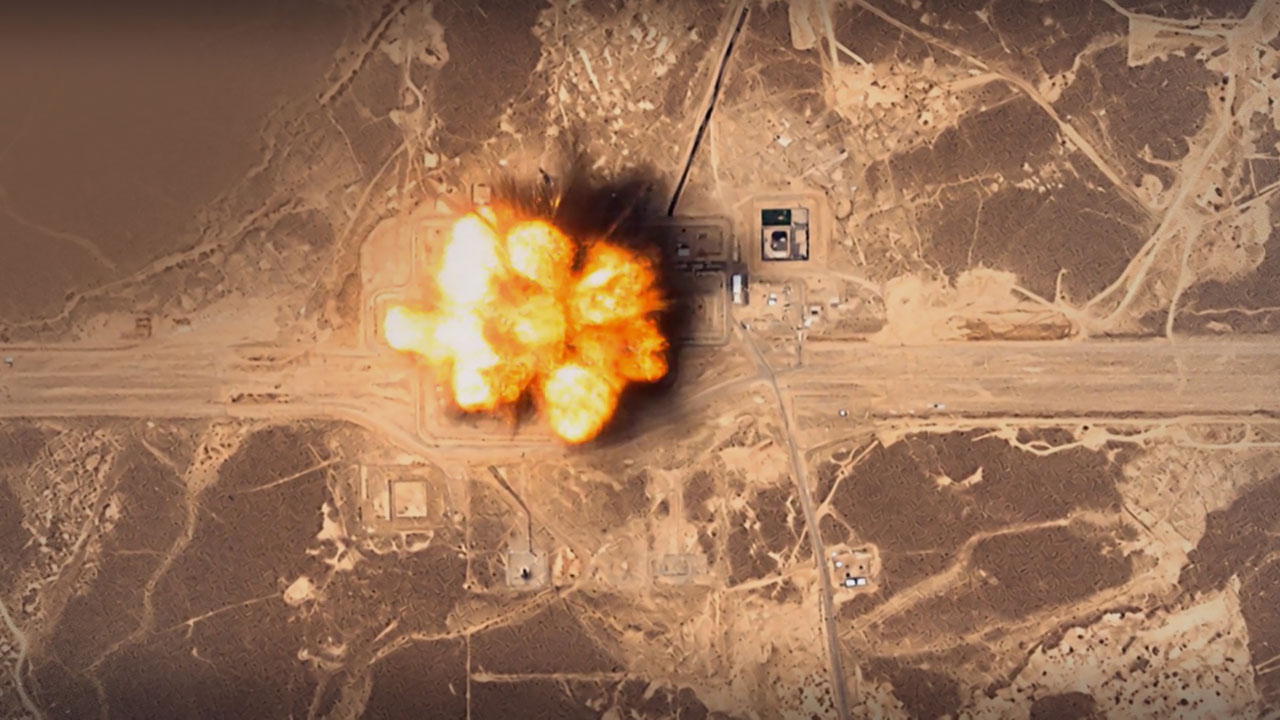
Saudi Arabia’s Foreign Ministry said on Friday that several drones launched from Iraqi territory had targeted the East-West Pipeline in the Riyadh and Medina regions, causing injuries and limited material damage.
Riyadh said that, following a request from Iraqi Prime Minister Ali al-Zaidi, Baghdad would be given an opportunity “to take measures to prevent attacks launched from Iraqi territory against the Kingdom and neighbouring countries”.
Zaidi subsequently ordered an urgent investigation into the launch site and those responsible for the attack.
Investigators determined within hours that the drones had been launched from the al-Tayeb border area, around 75 kilometres east of Amarah in Iraq’s southeastern Maysan province, according to Iraqi authorities.
The discovery prompted a major security response in Maysan.
Zaidi dismissed the province’s operations and police commanders and transferred the heads of its security agencies to their headquarters pending an investigation into what he described as “security breaches that occurred in the province”.
Iraq also ordered the closure of the Shib and Shalamcheh border crossings with Iran. The Mandali border crossing was also closed, according to Iraq’s Border Ports Authority.
Iraqi authorities said on Sunday that the border would be fully reopened by Thursday.
The attack initially drew suspicion towards factions of the Islamic Resistance in Iraq, which had threatened to target Saudi Arabia last month in retaliation for US-Saudi airstrikes on Popular Mobilization Forces (PMF) positions across seven Iraqi provinces. The strikes in late July reportedly killed and wounded dozens of people.
The Islamic Resistance denied responsibility on Saturday, saying that attacks on vital Saudi facilities were “an honour we do not claim”. The groups also offered to participate in any government investigation into the incident.
The Iraqi government has not publicly identified those responsible for the attack.
However, three commanders from Iran-backed Iraqi armed factions told The New Region that the operation was carried out by a separate armed network allegedly linked to a senior IRGC officer.
According to the commanders, the network was established around seven months ago and operates independently of Iraq’s established Iran-backed armed factions.
They identified its alleged commander as IRGC Colonel Hamed Abdollahi, known in Iraqi political and military circles as Haj Hamed.
The network reportedly operates through small cells in different parts of Iraq. Each cell consists of several experienced and highly trained fighters allegedly recruited from seven major Iran-backed armed factions.
The commanders said the cells report directly to Abdollahi and operate without the knowledge, coordination or authorisation of the commanders of their original factions.
One commander described the development as an increasingly serious internal rift within the Iran-backed armed network in Iraq.
“Hamid is going behind our backs. He formed a group that has begun acting independently,” the commander said.
Another commander alleged that the network's members include defectors, dissidents and suspected double agents who no longer operate under the authority of their former factions.
“The members of this group are a mixed bag of defectors, dissidents and double agents. They work directly with Hamid and are not under our command at all,” the commander said.
If the allegations are confirmed, the attack could expose a new layer of fragmentation within Iraq’s Iran-backed armed groups, with elements operating through parallel structures outside the command of the factions that have traditionally controlled them.
It could also put additional pressure on Baghdad to prevent Iraqi territory from being used for attacks against Saudi Arabia and other regional states.
For now, however, Iraqi authorities have yet to publicly confirm the identity of the group or individual responsible for the drone strike.
Here we are to serve you with news right now. It does not cost much, but worth your attention.
Choose to support open, independent, quality journalism and subscribe on a monthly basis.
By subscribing to our online newspaper, you can have full digital access to all news, analysis, and much more.
You can also follow AzerNEWS on Twitter @AzerNewsAz or Facebook @AzerNewsNewspaper
Thank you!