
Ayyub Guliyev: Opera Days project reveals depth of Azerbaijani music [INTERVIEW]
![Ayyub Guliyev: Opera Days project reveals depth of Azerbaijani music [INTERVIEW]](https://www.azernews.az/media/2026/07/09/trjgiotrjhoiyj79.jpg)
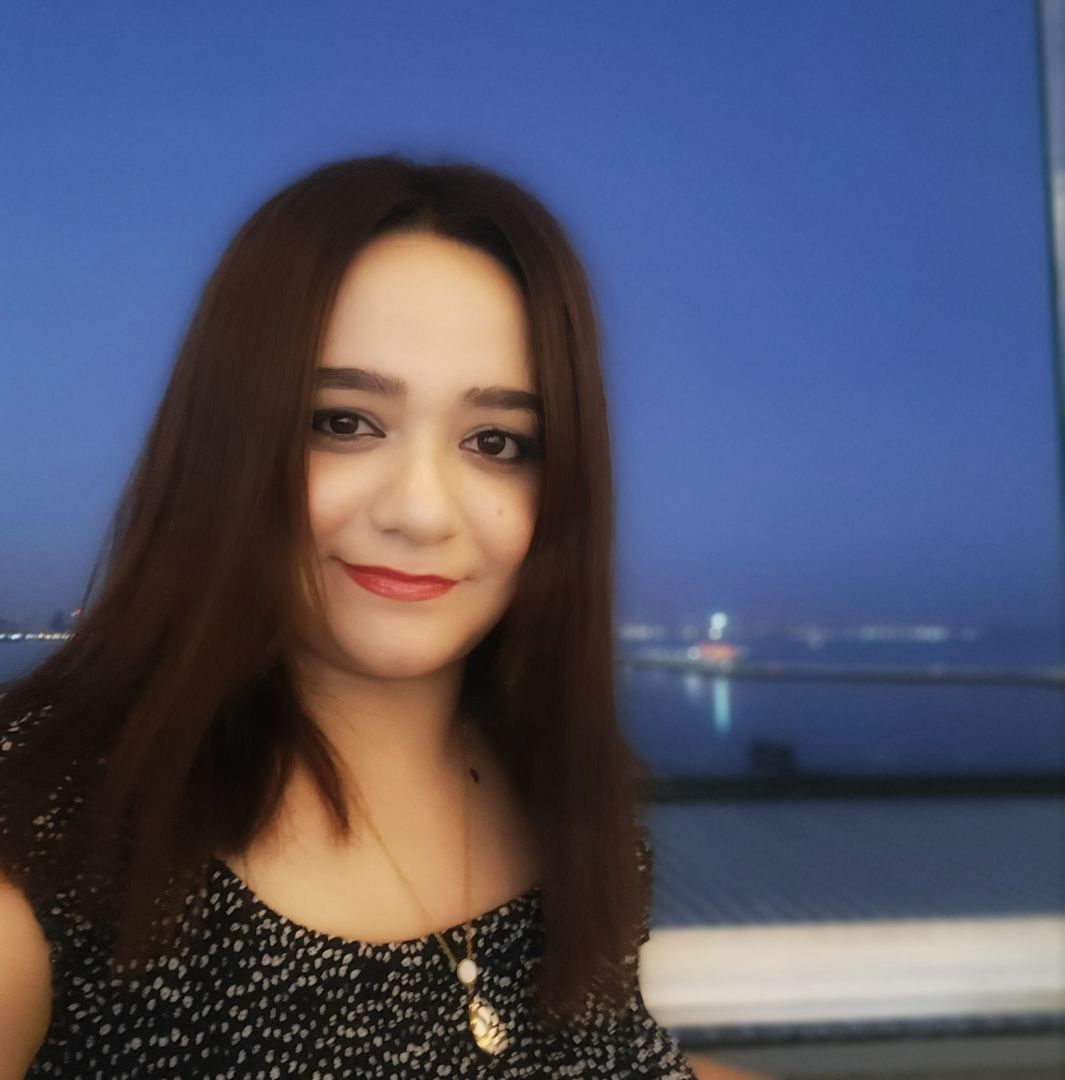
Laman Ismayilova
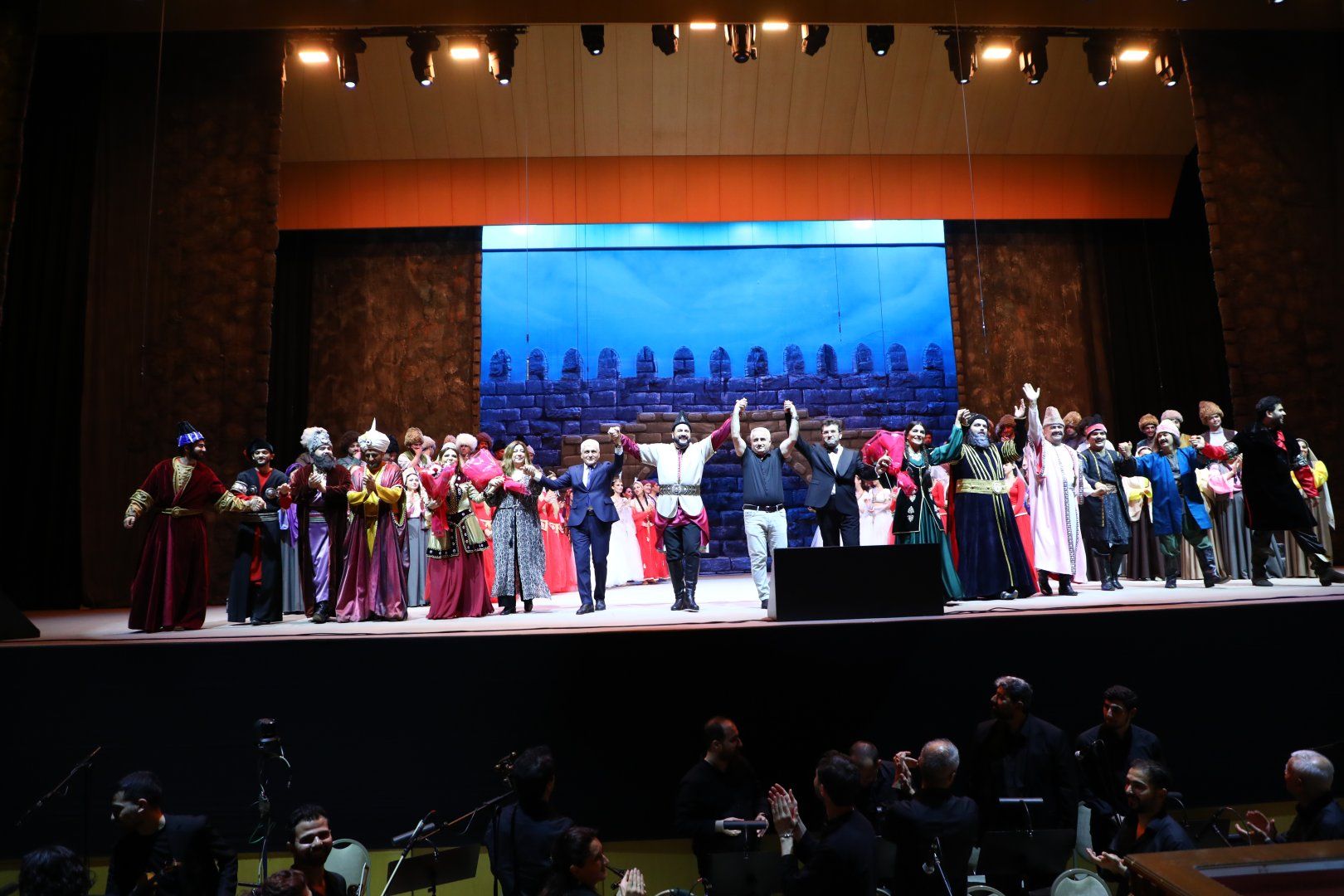
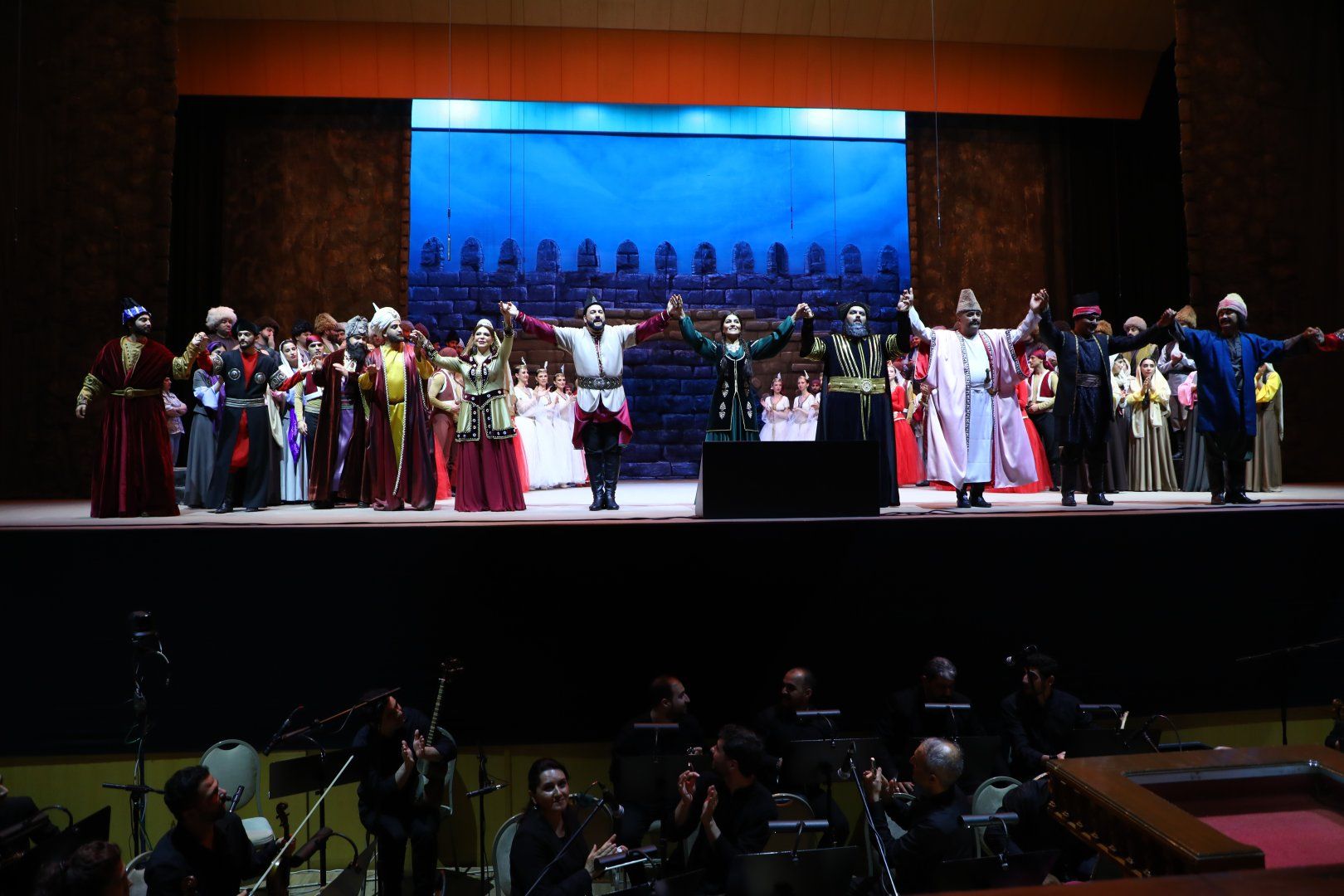
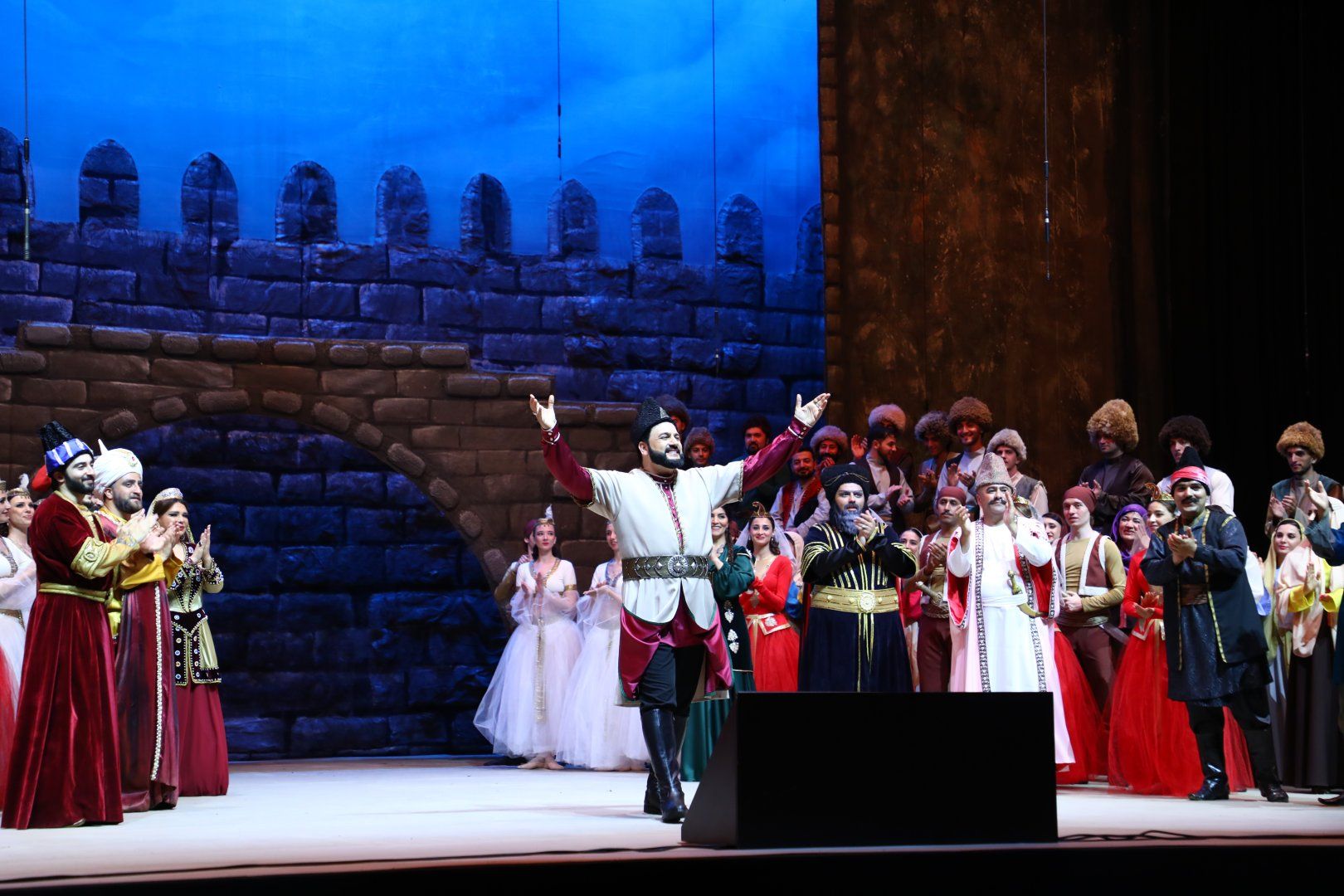
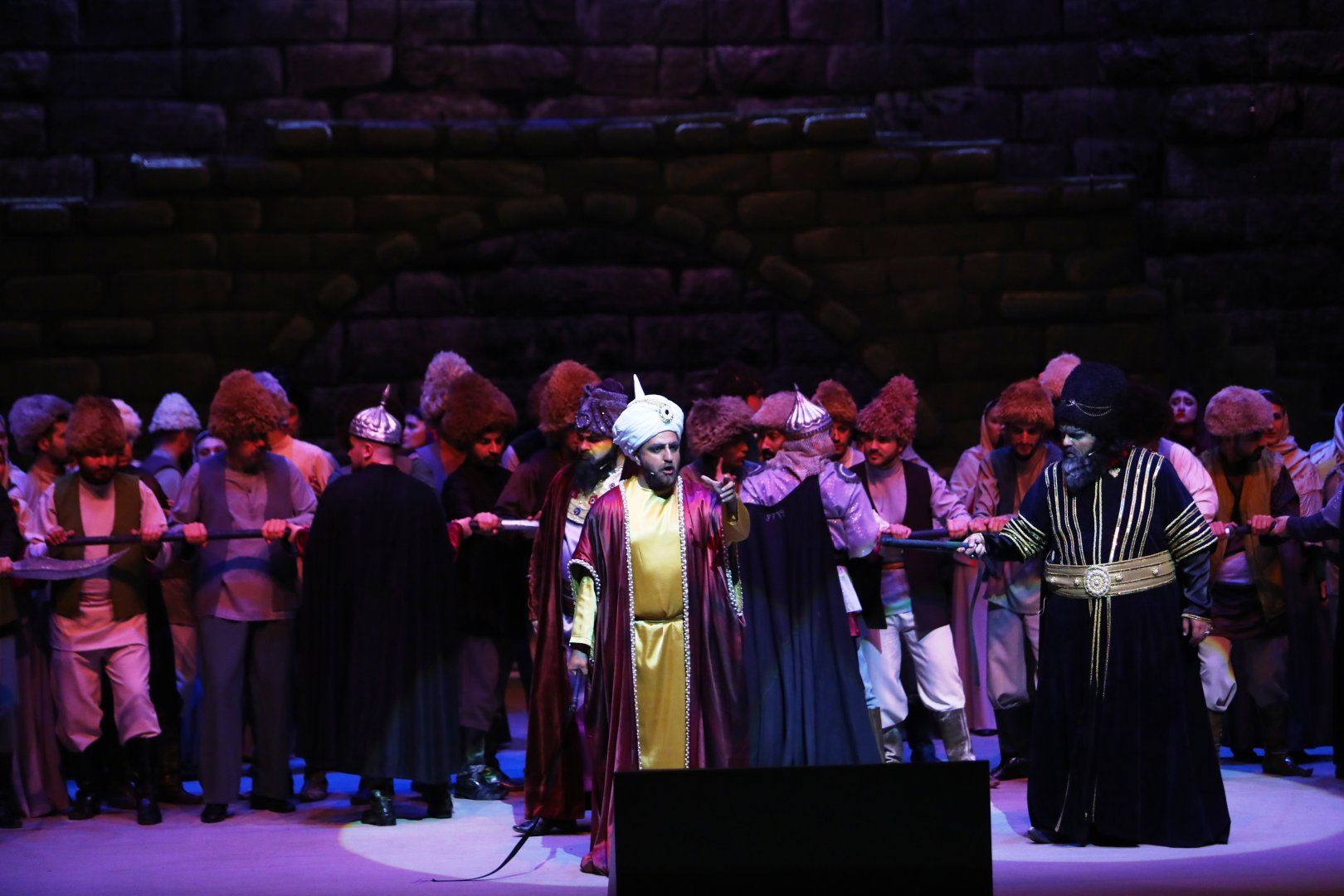
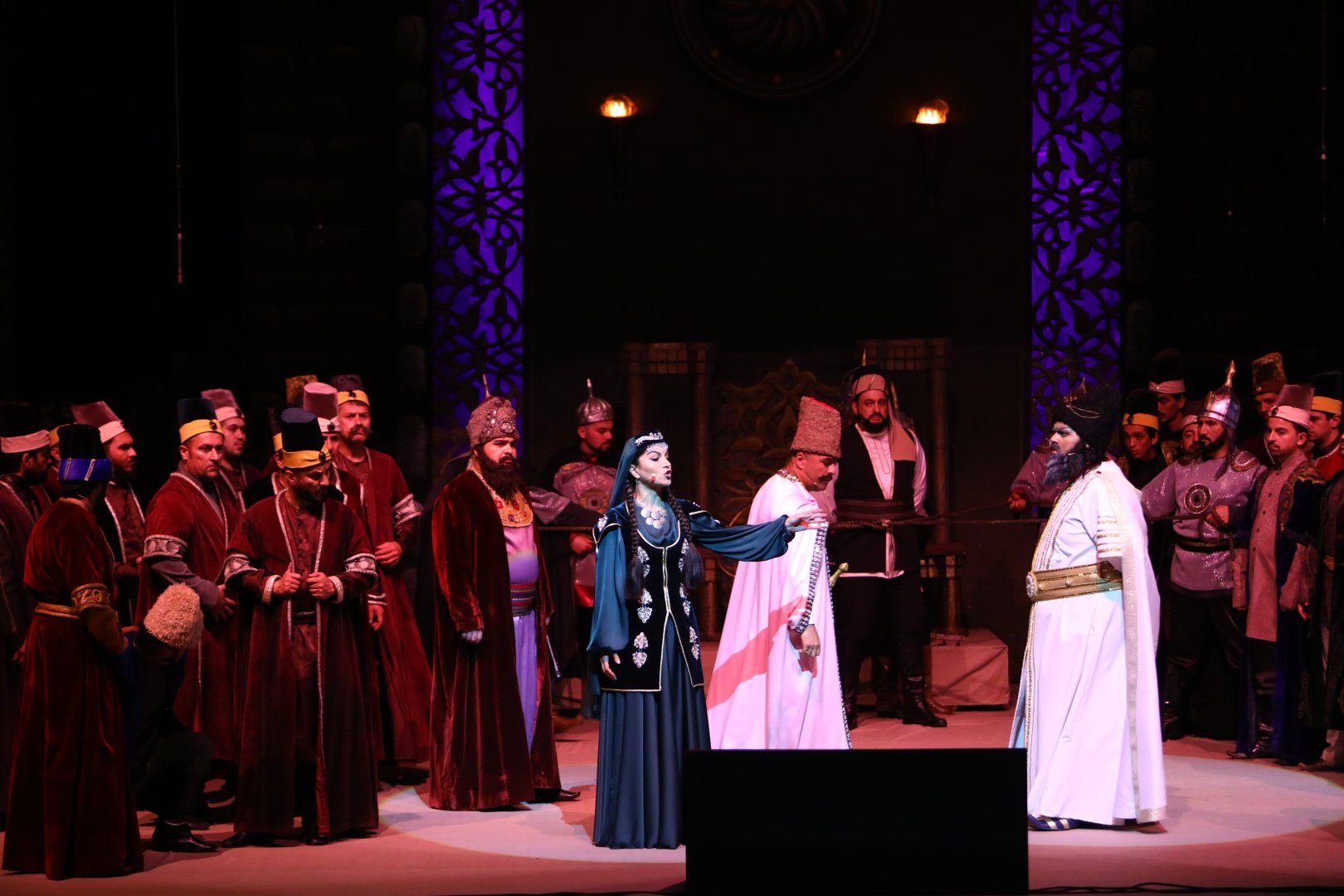
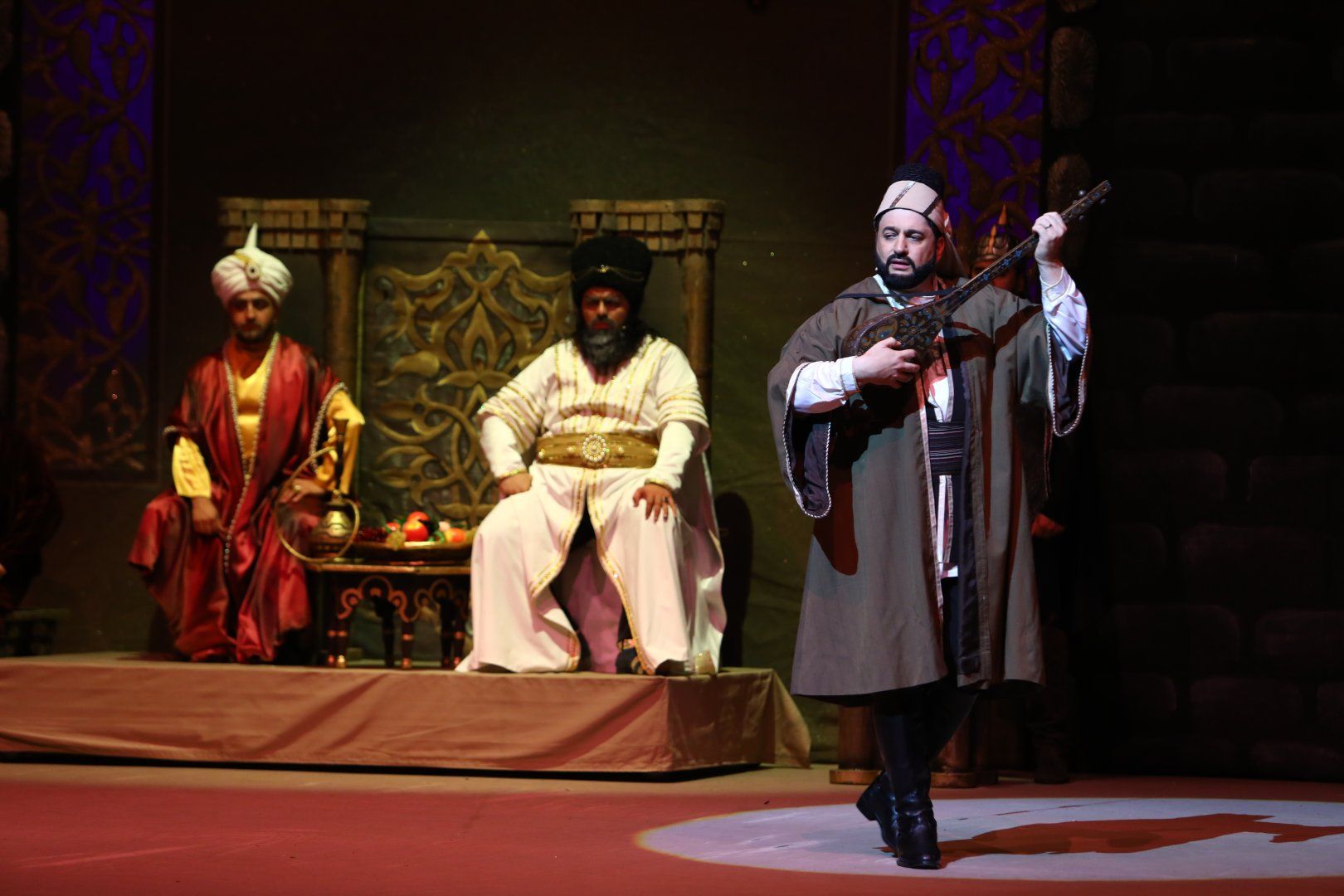
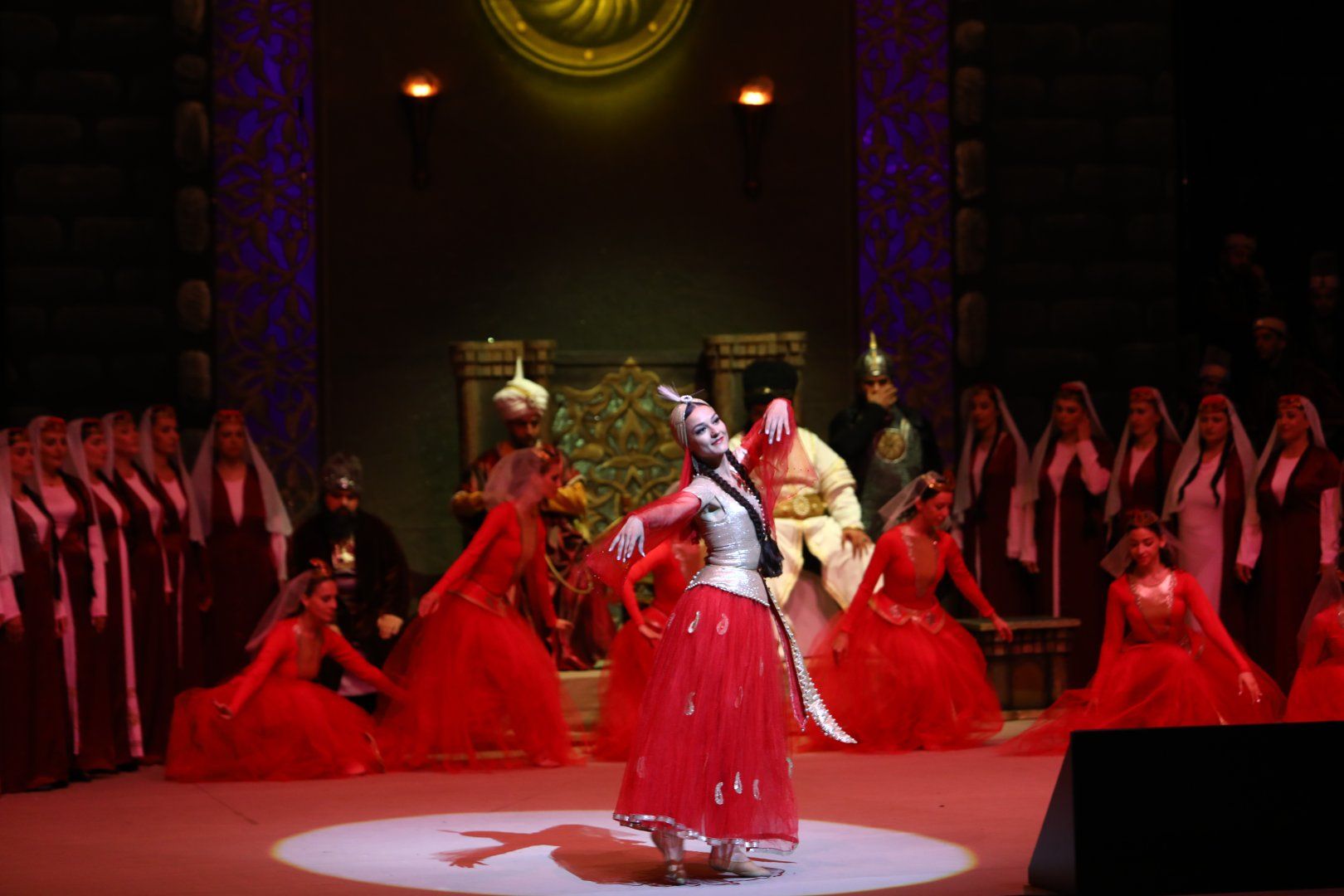
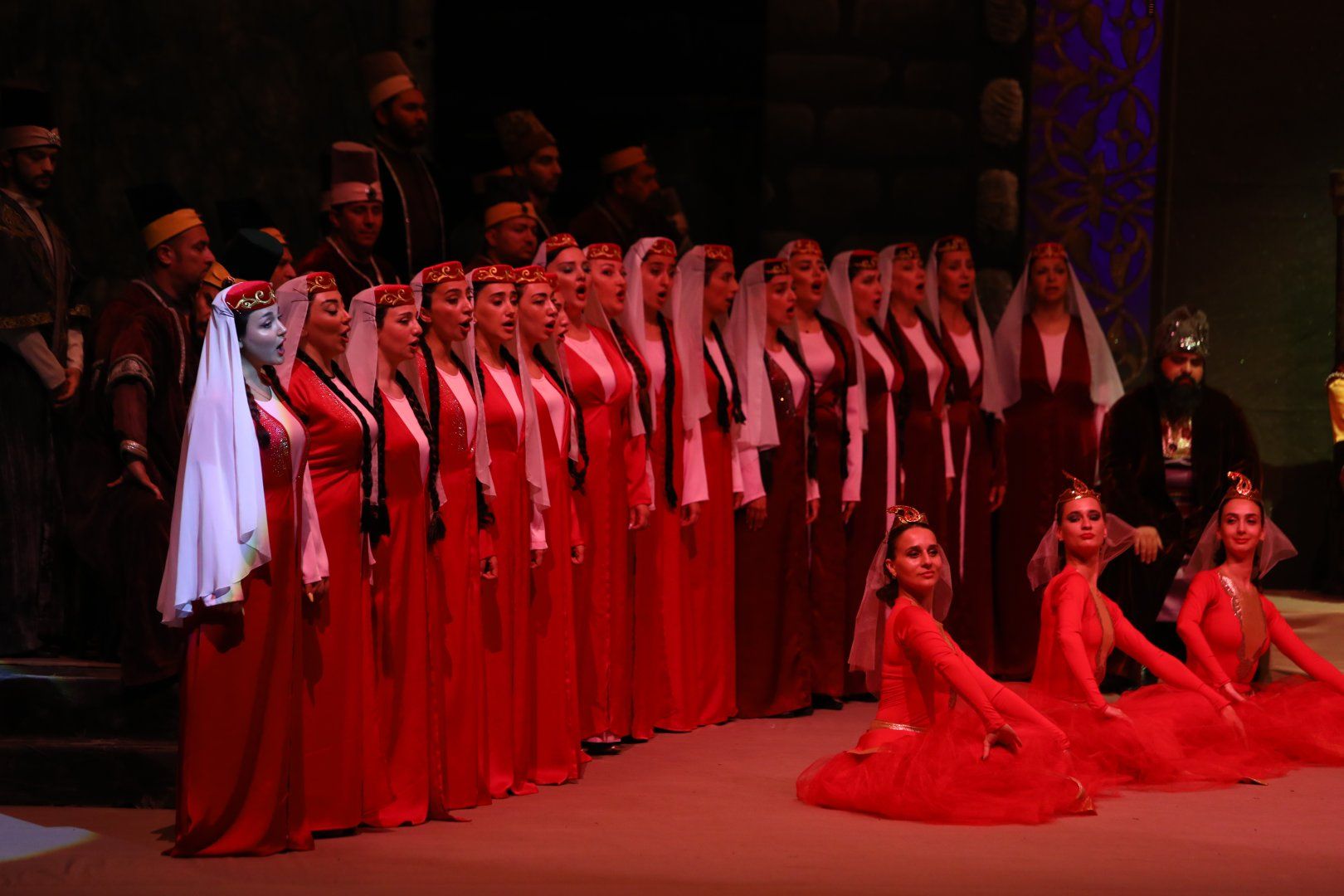
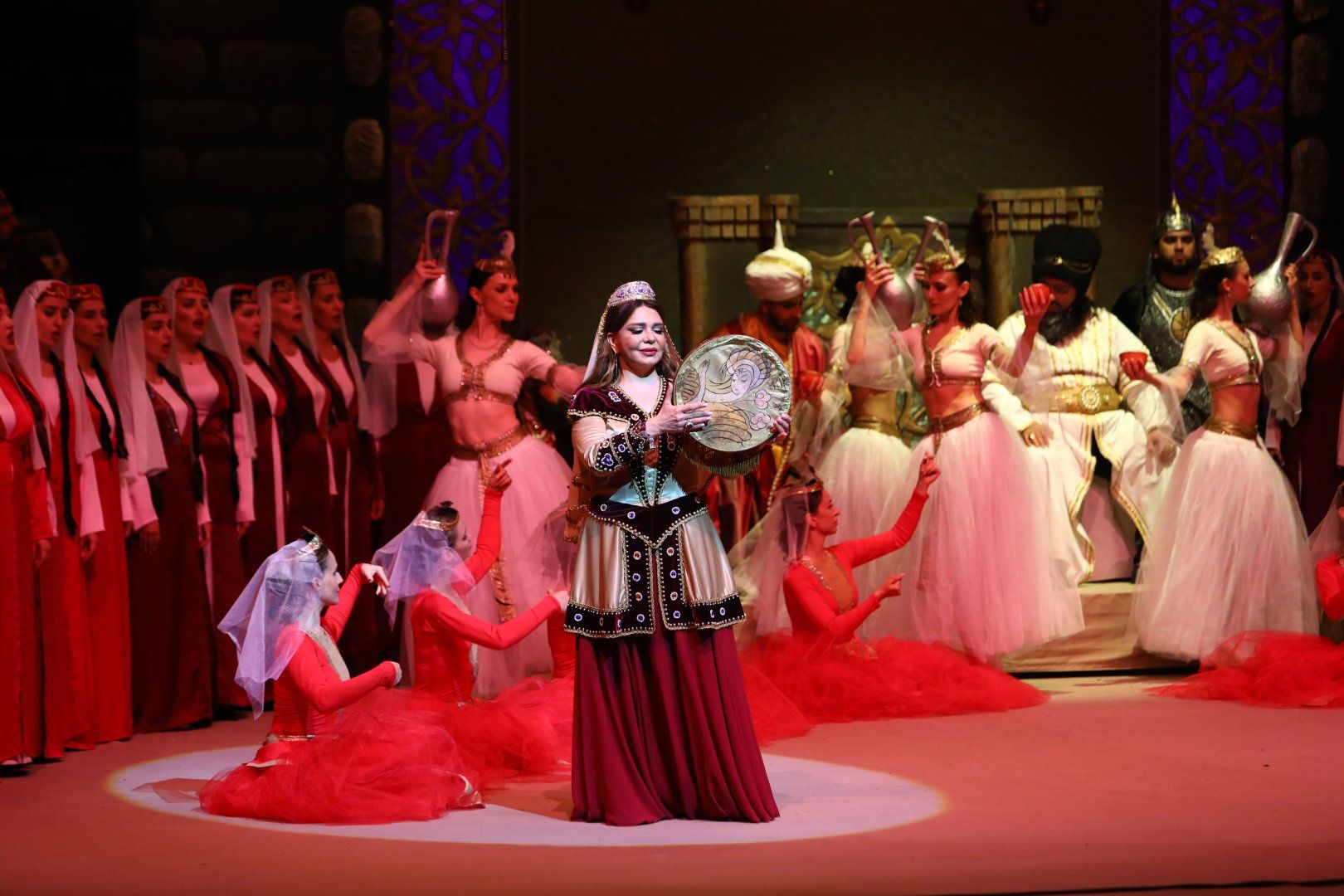
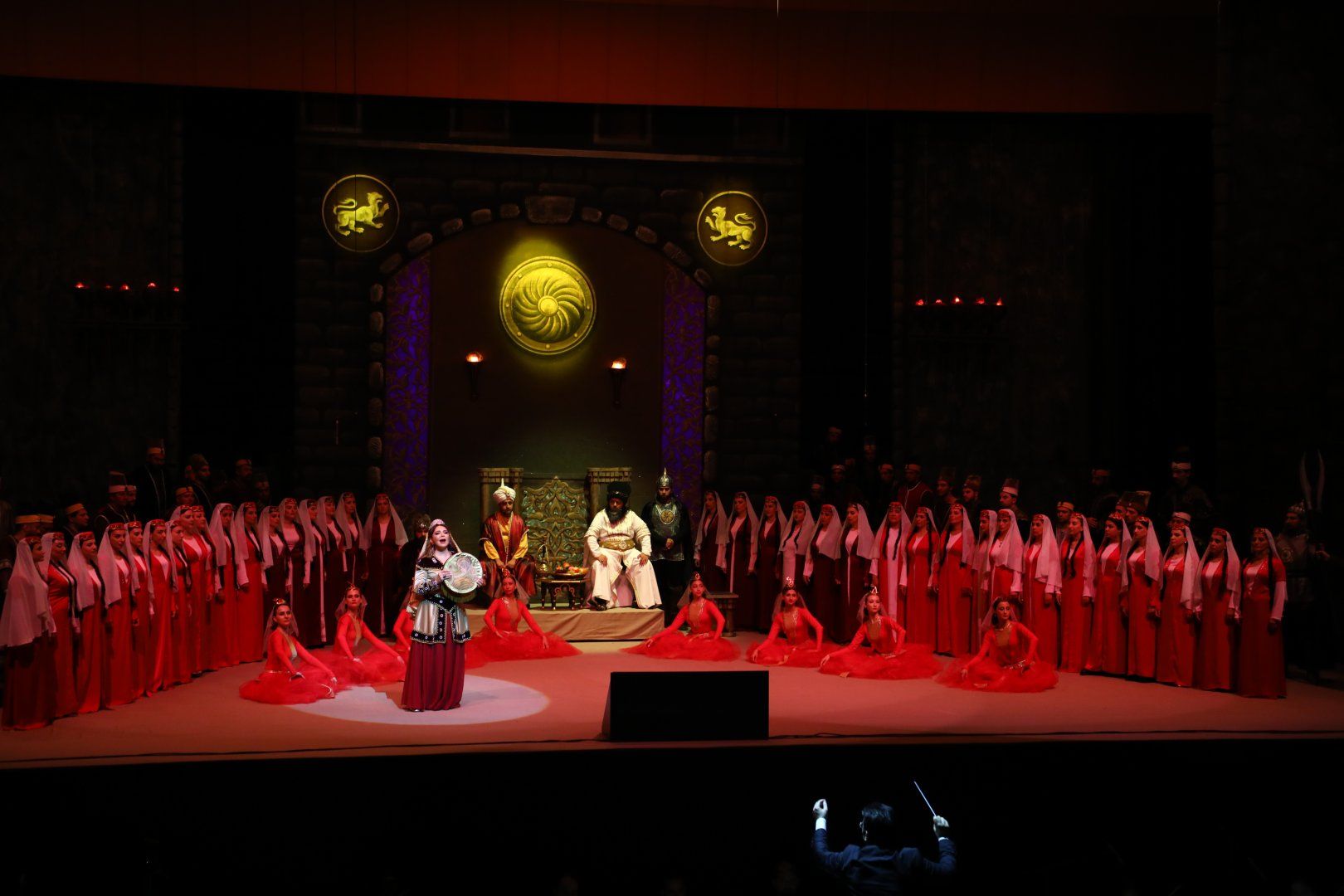
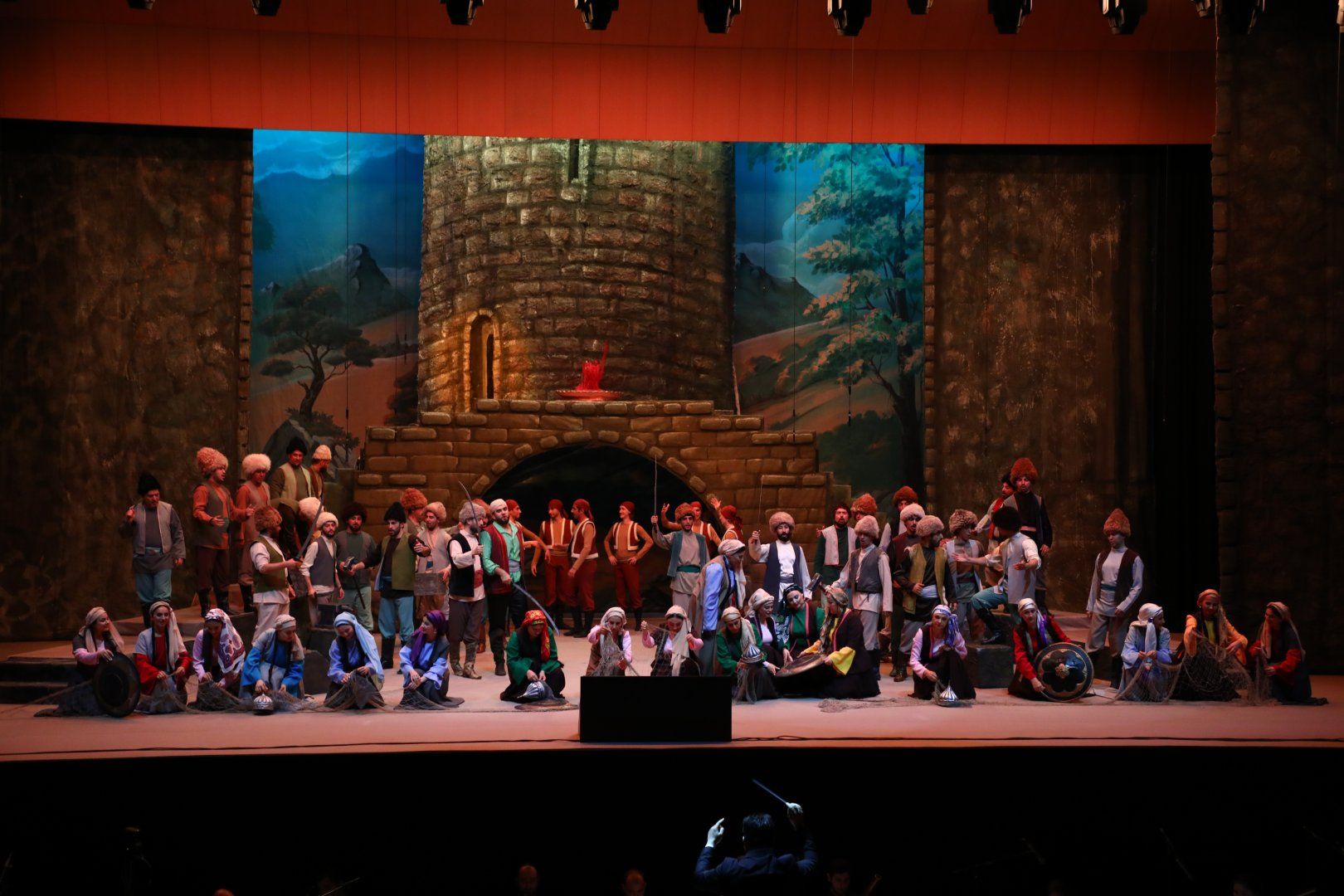
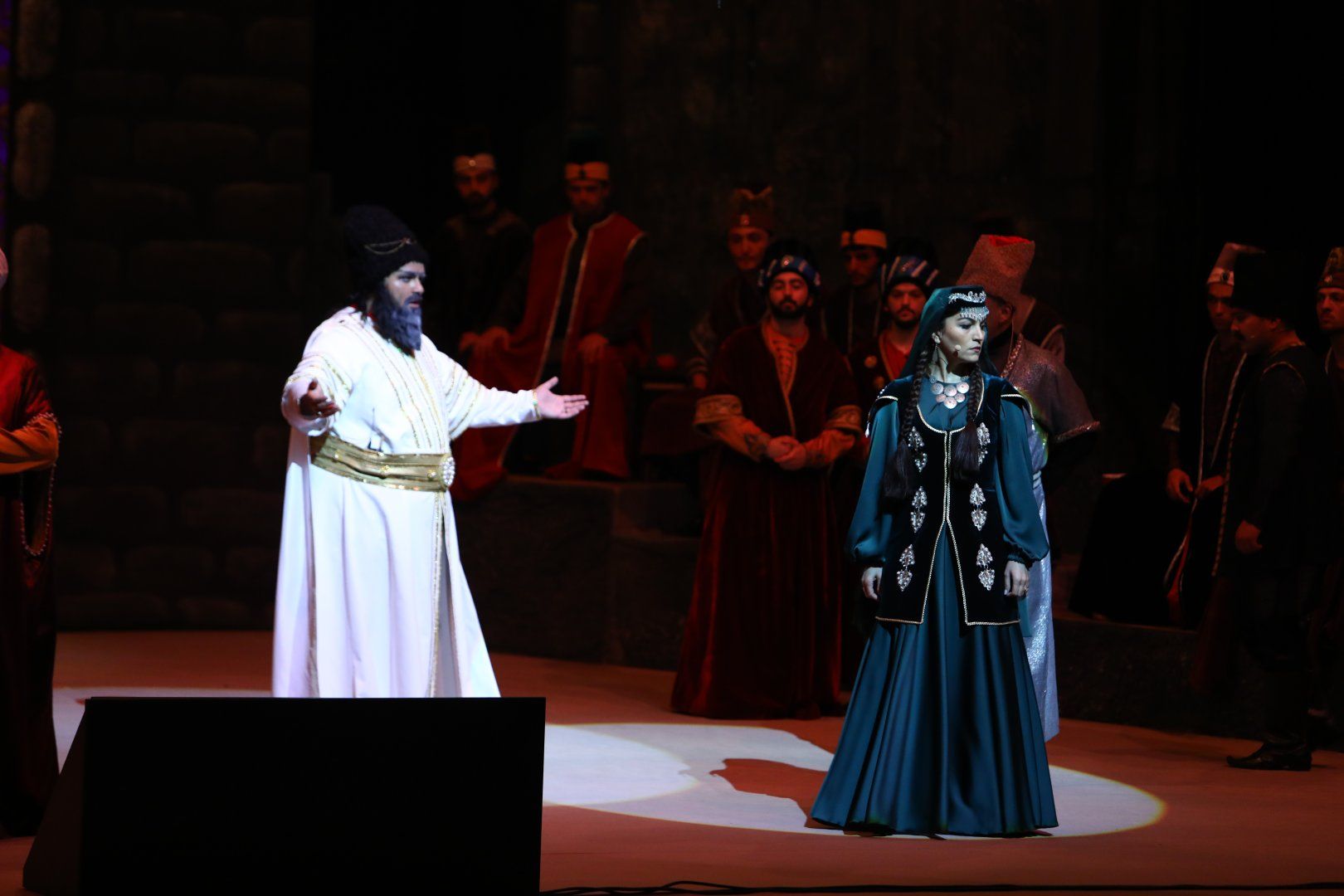
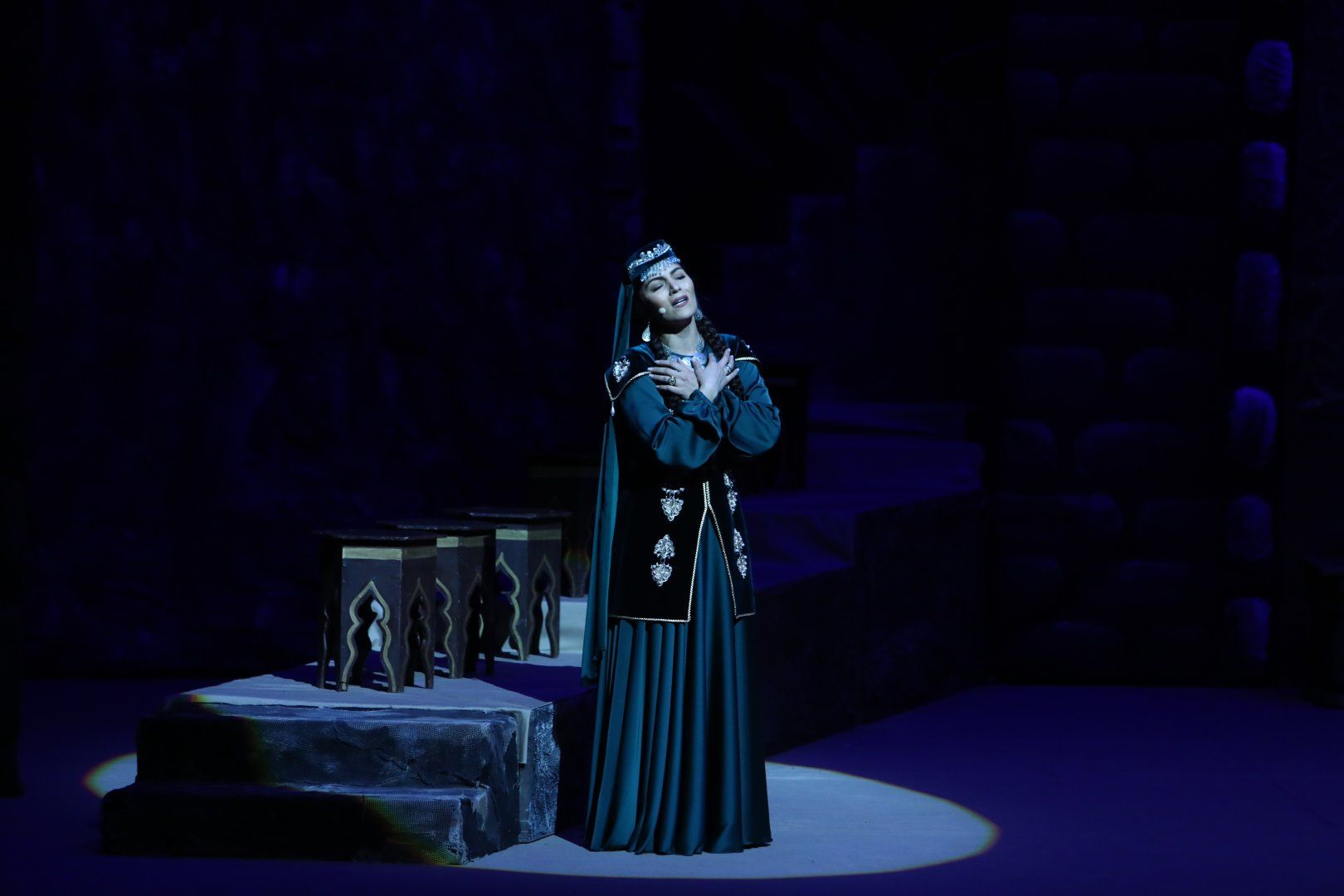
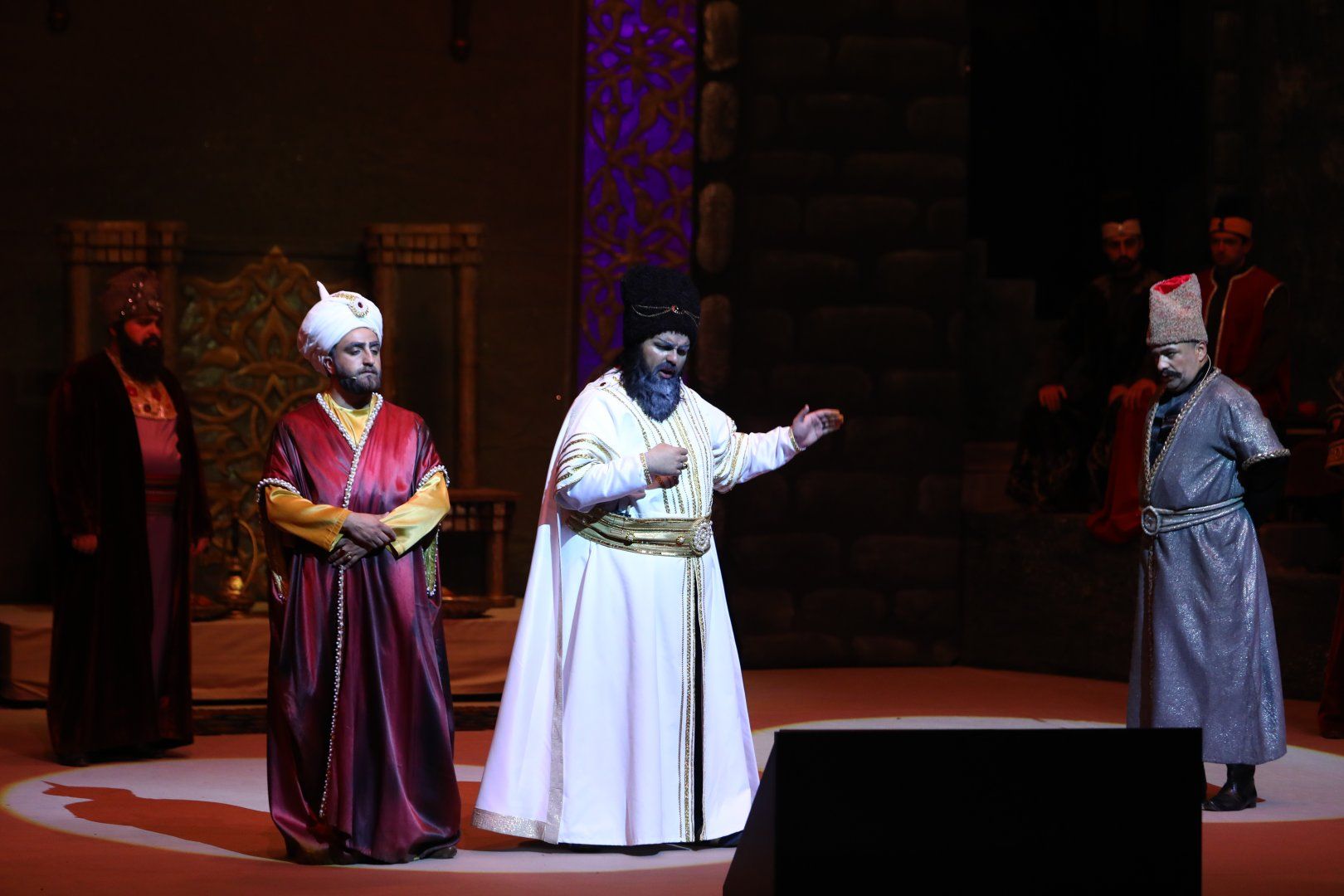
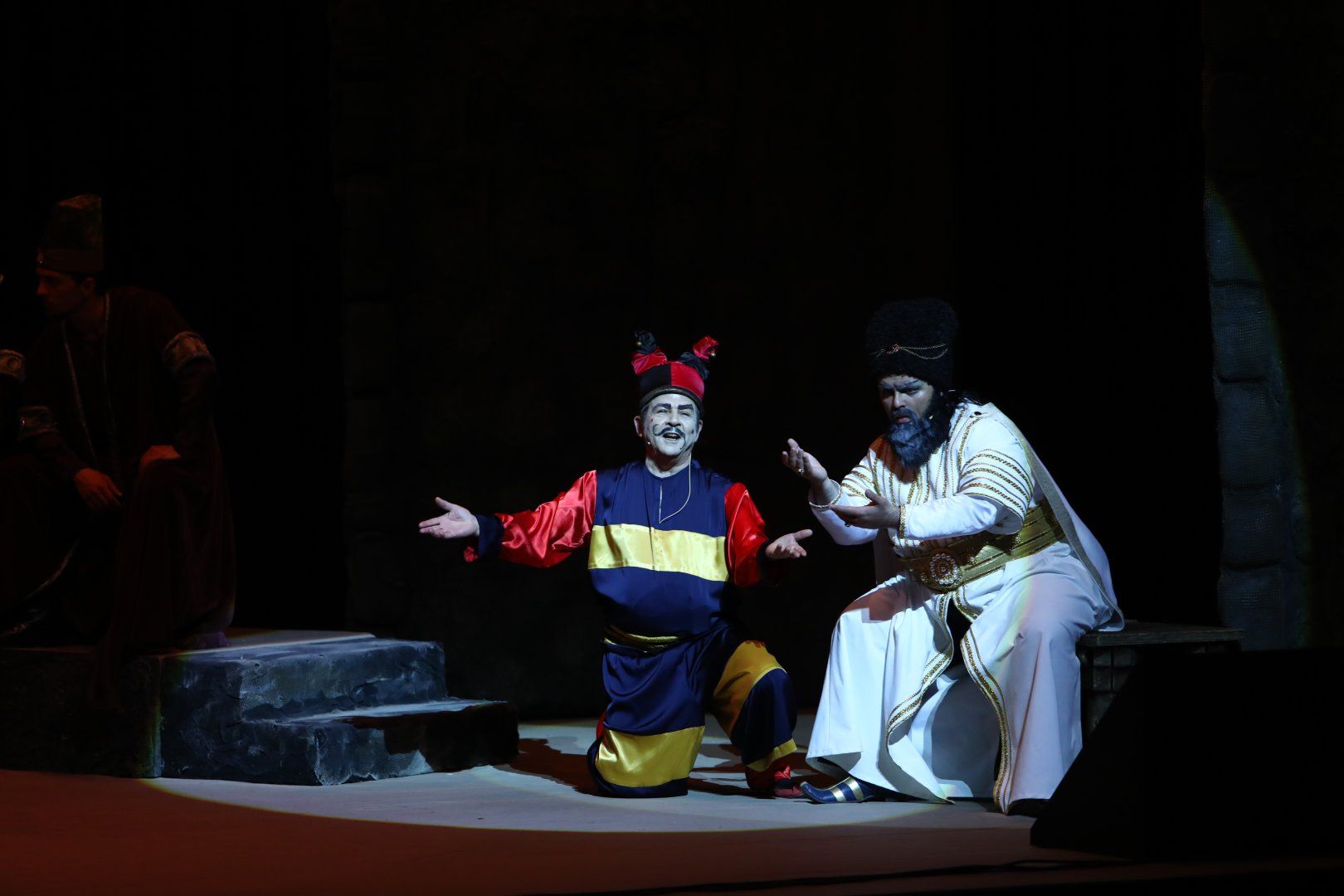
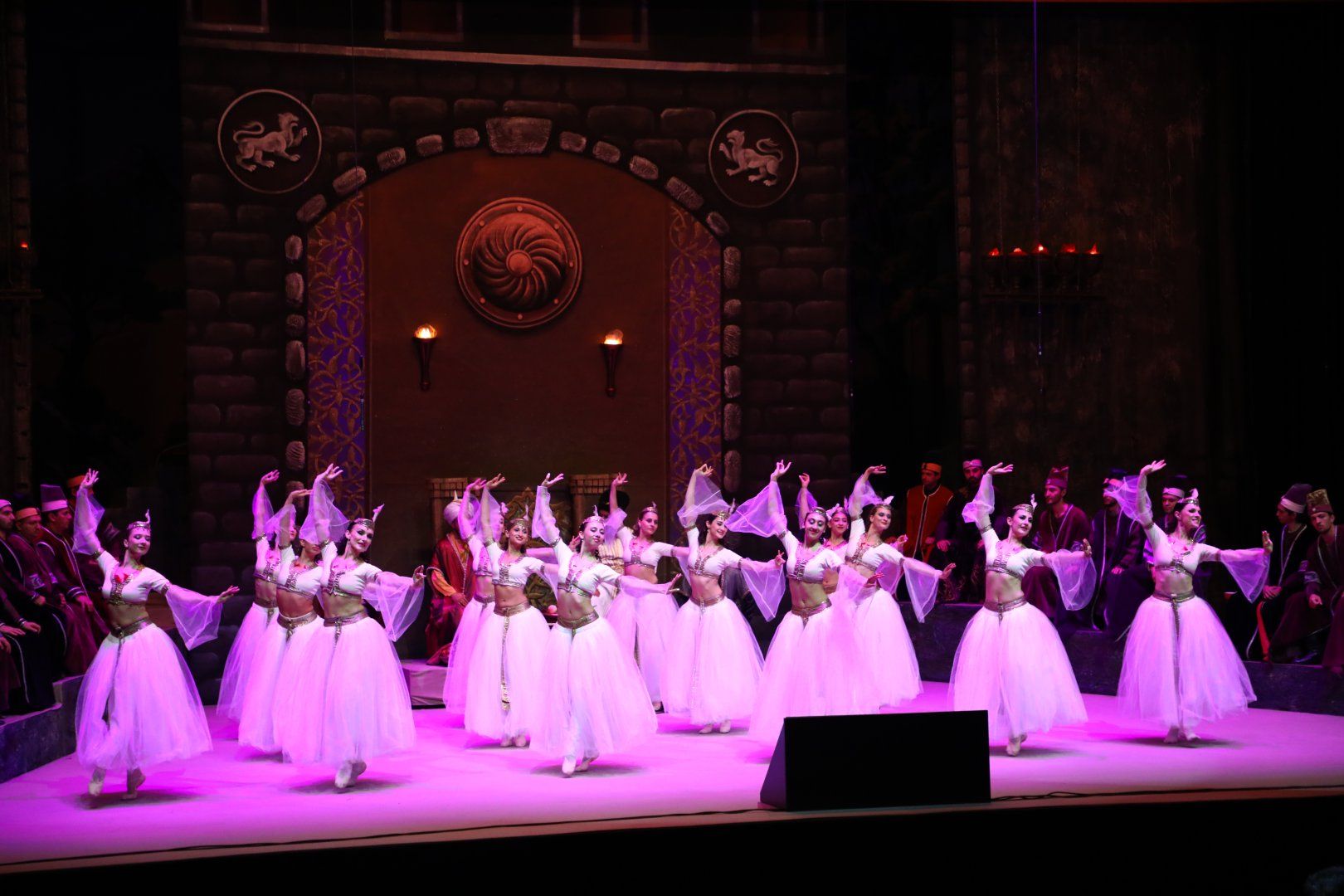
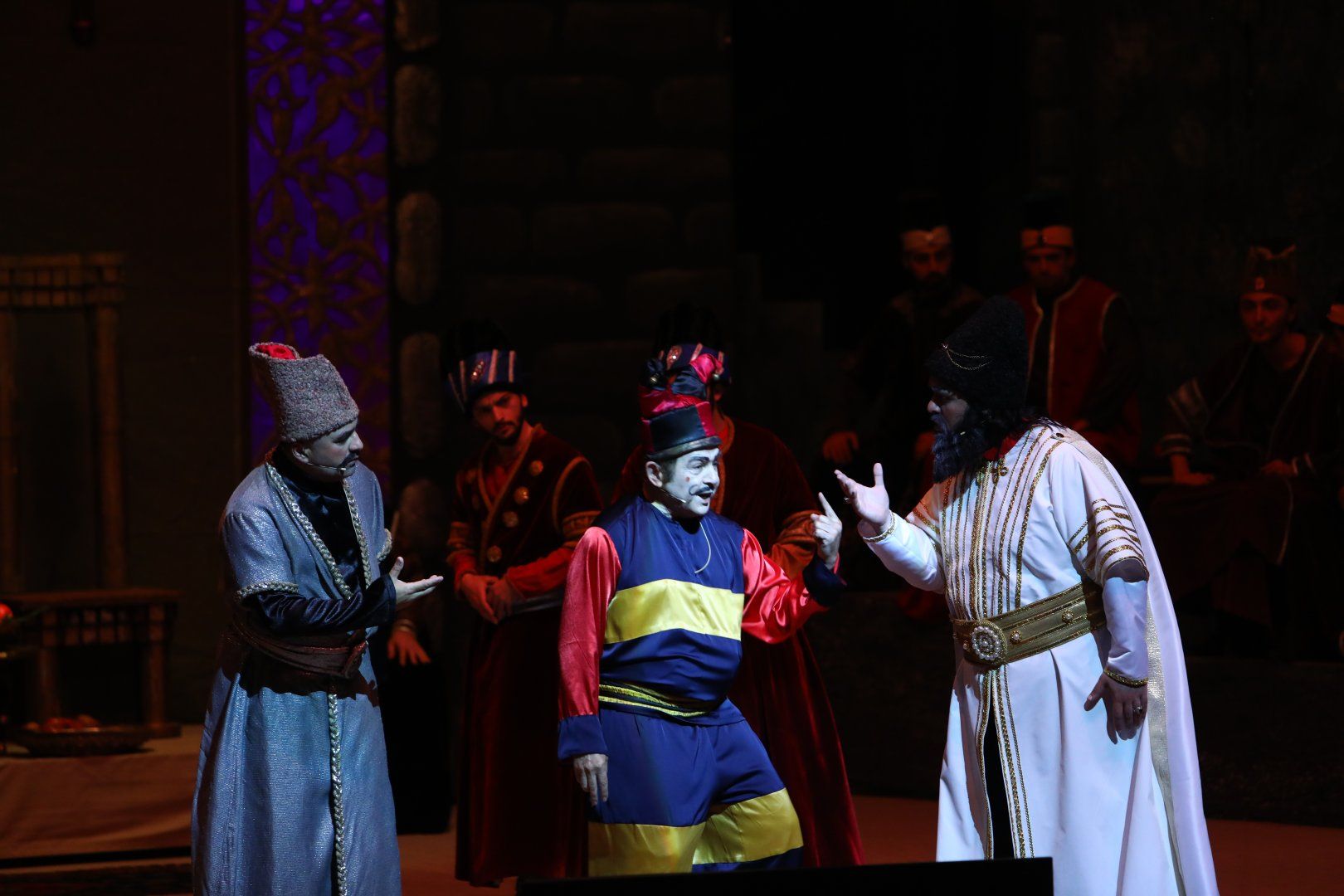
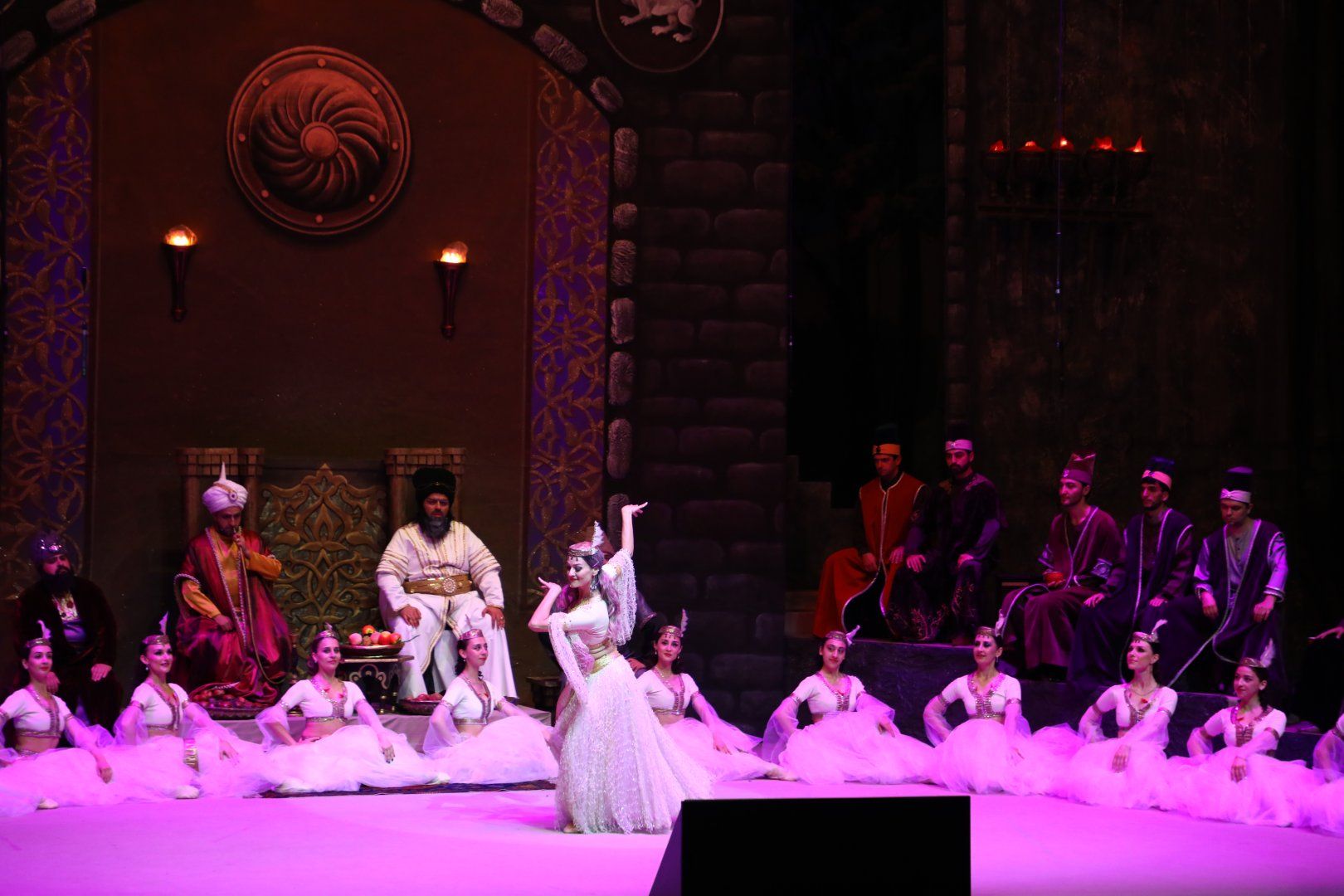
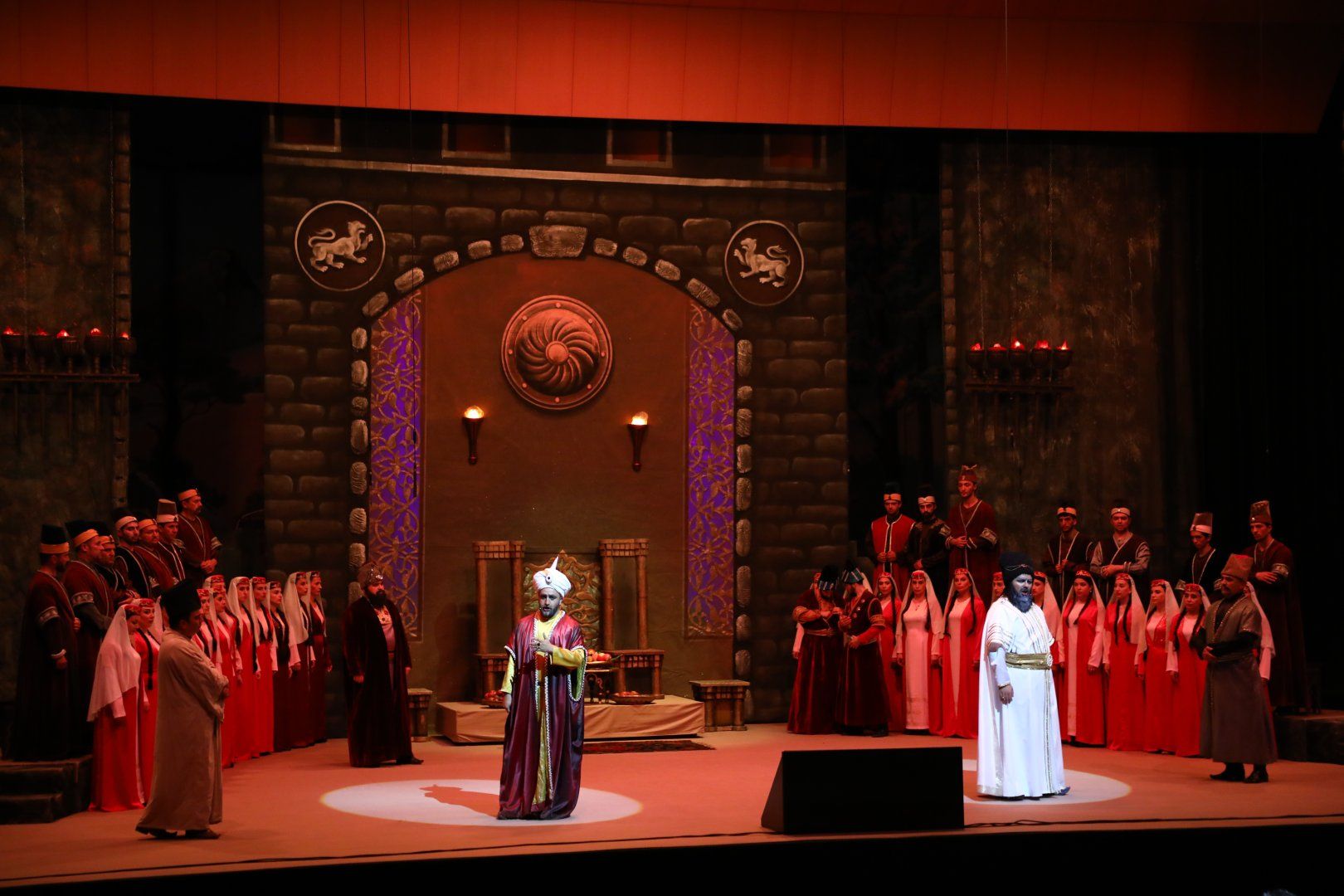
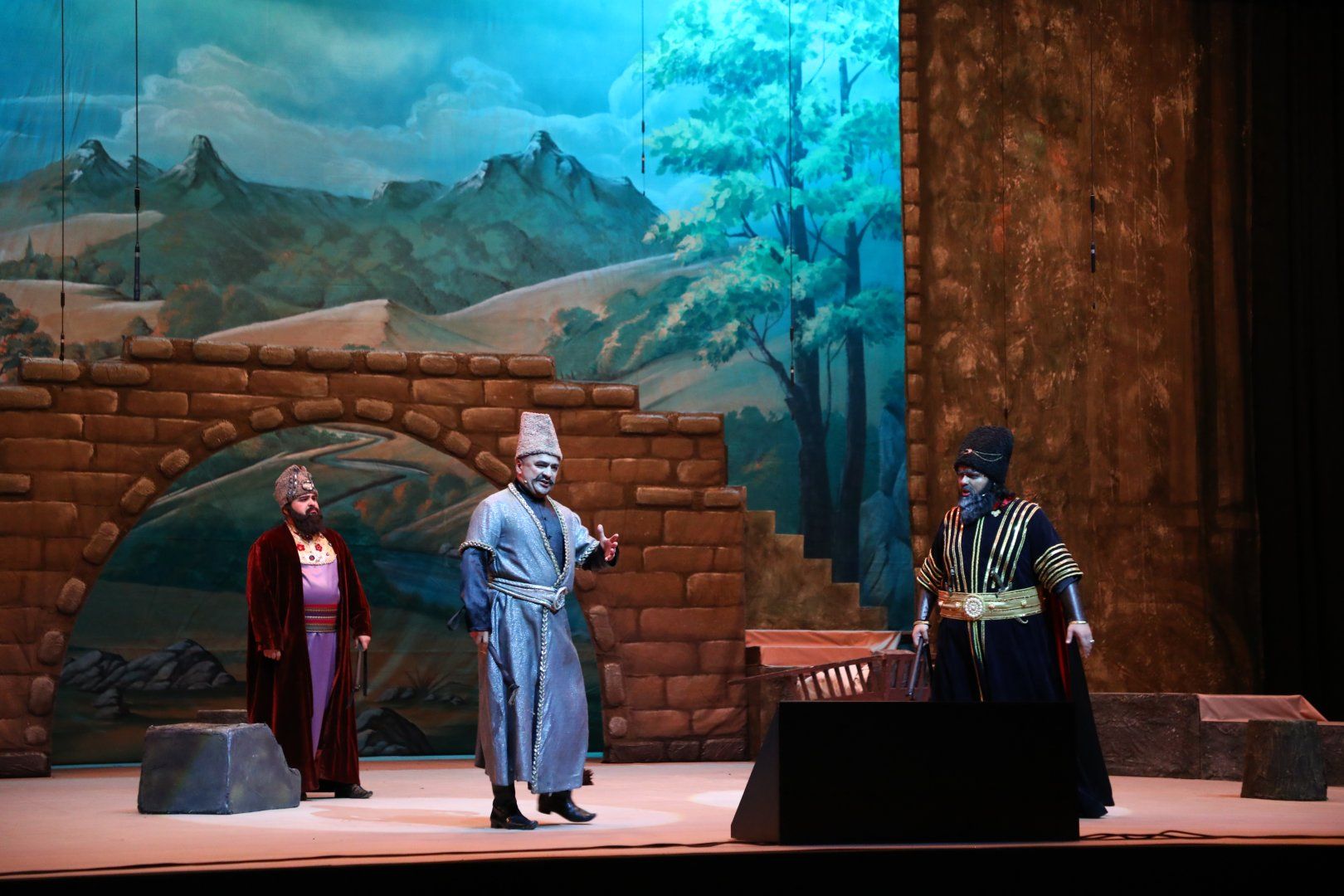
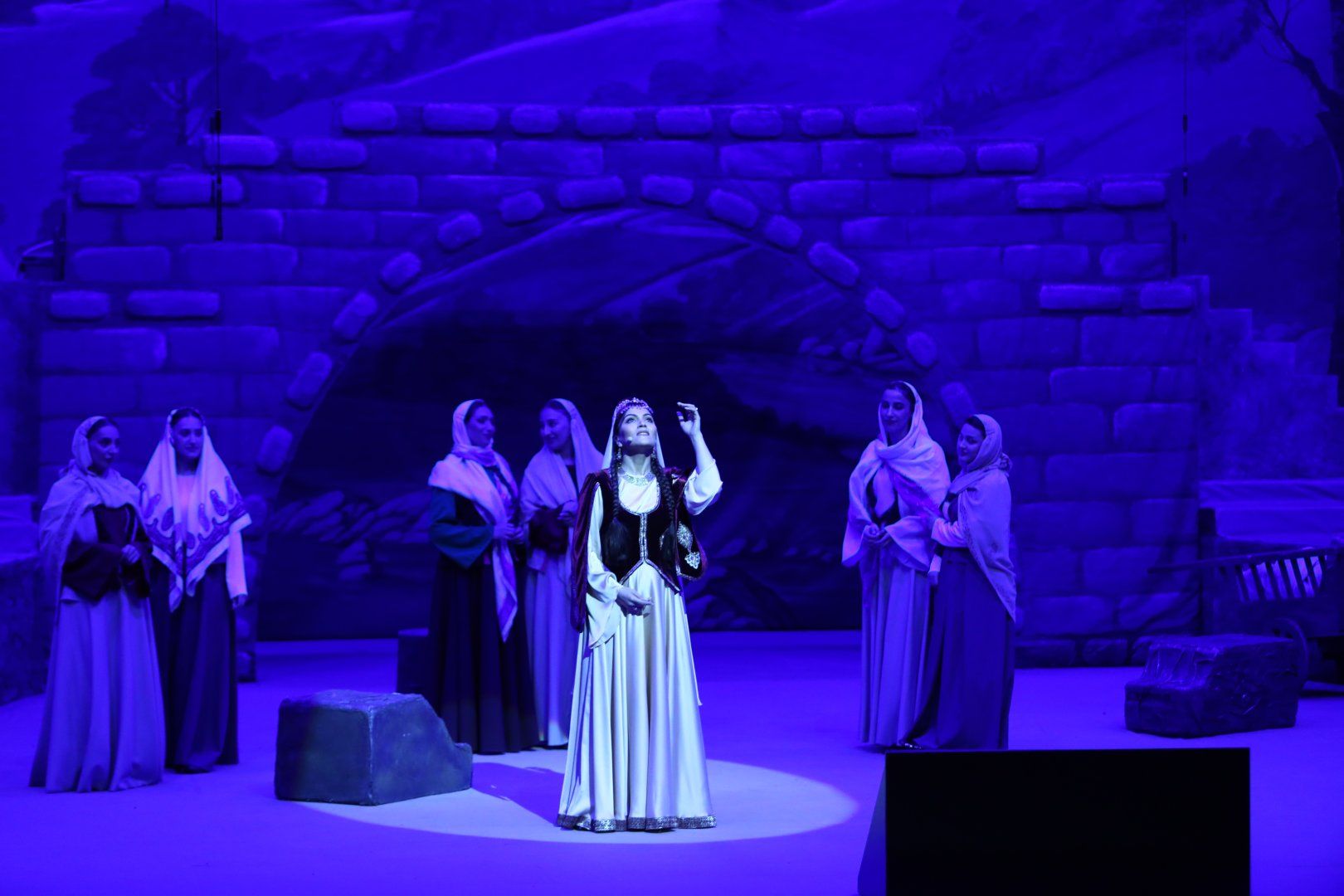
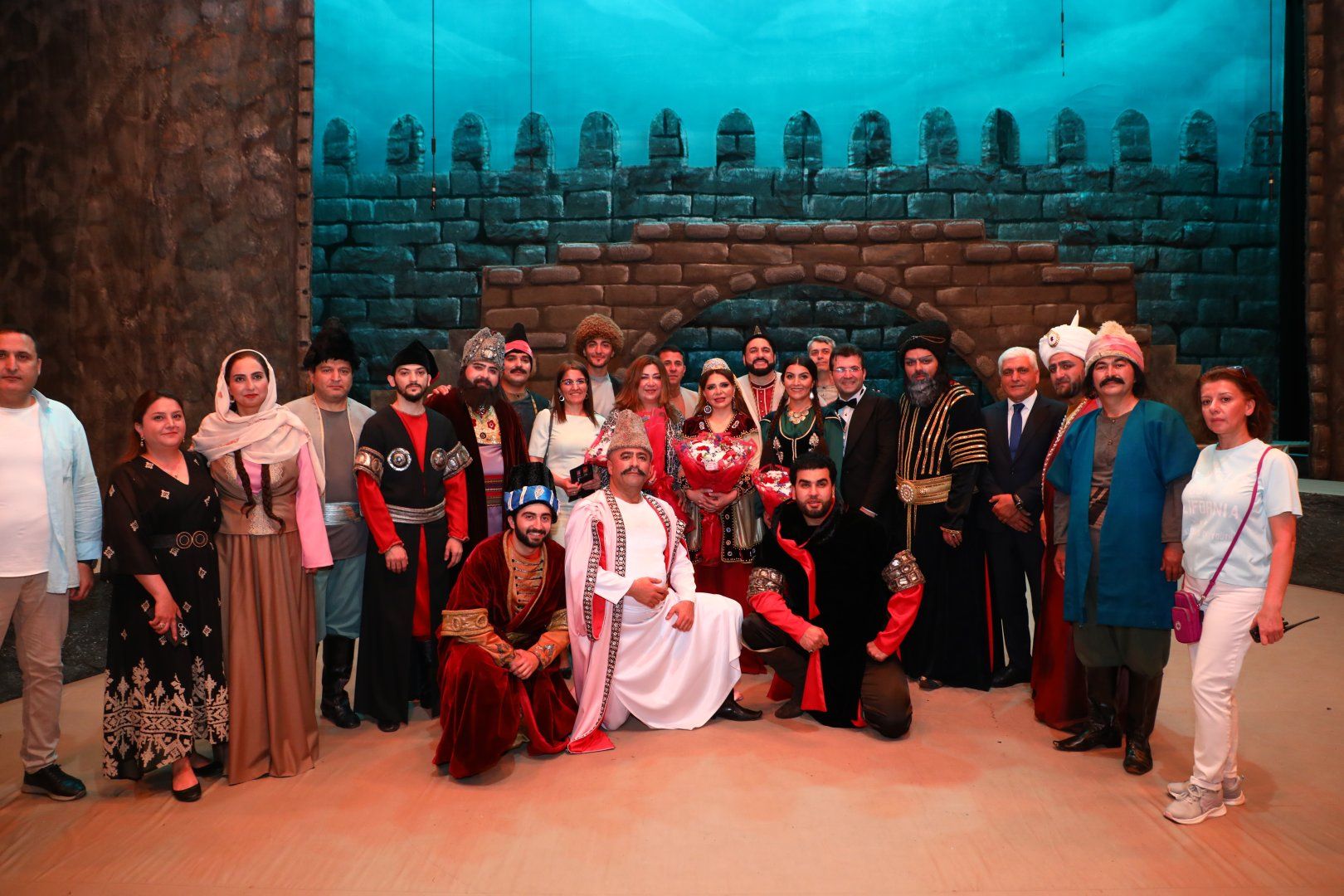
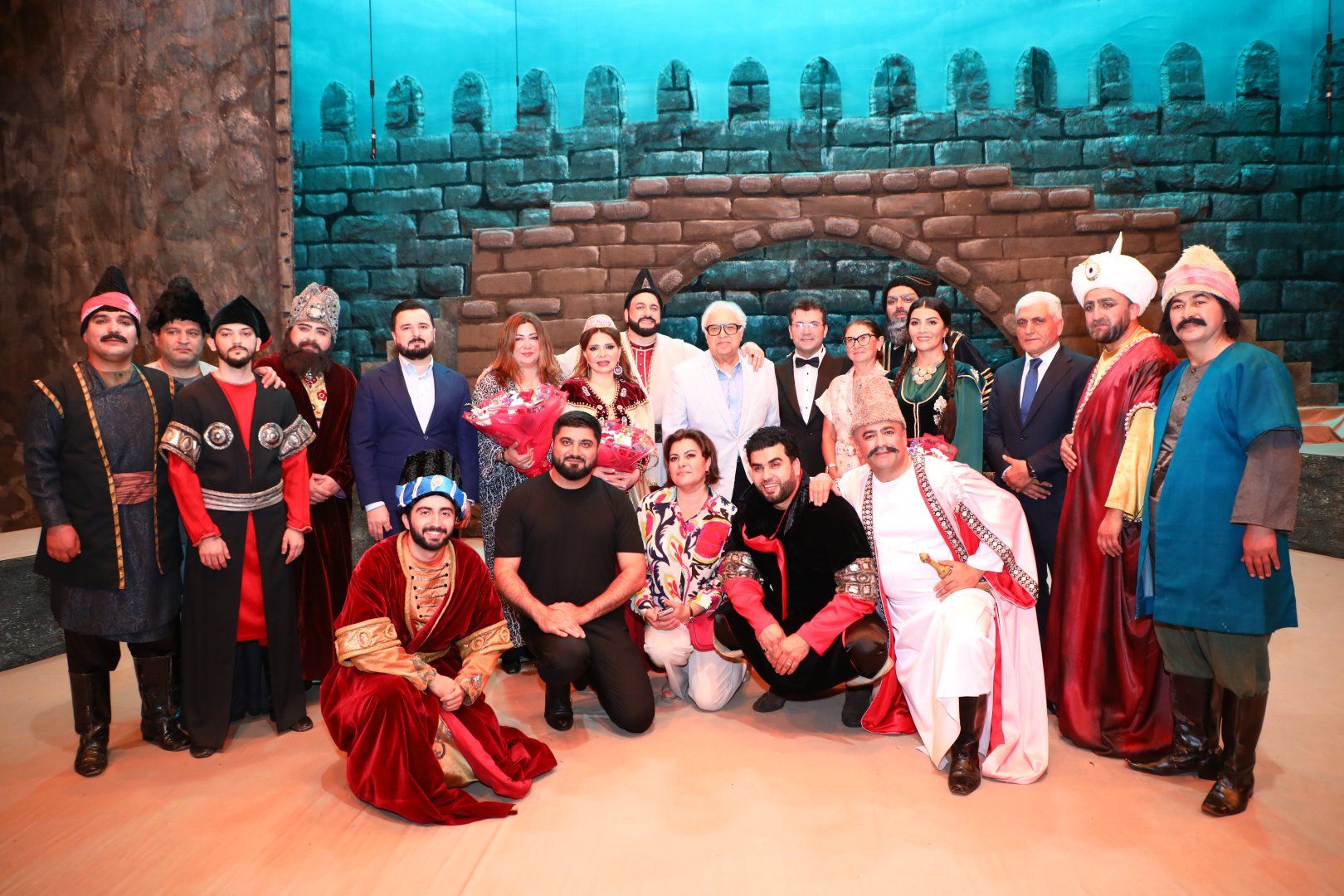
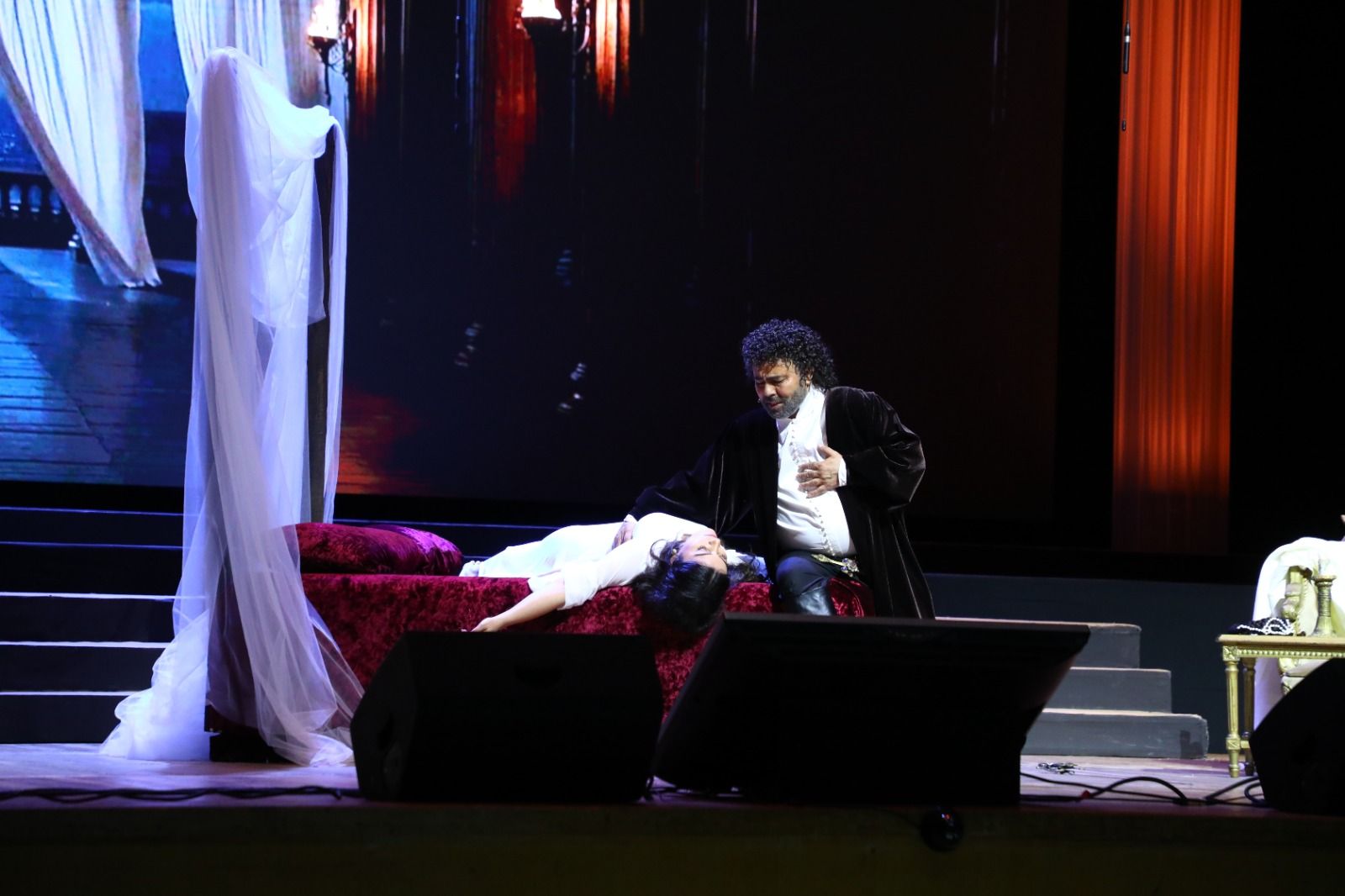
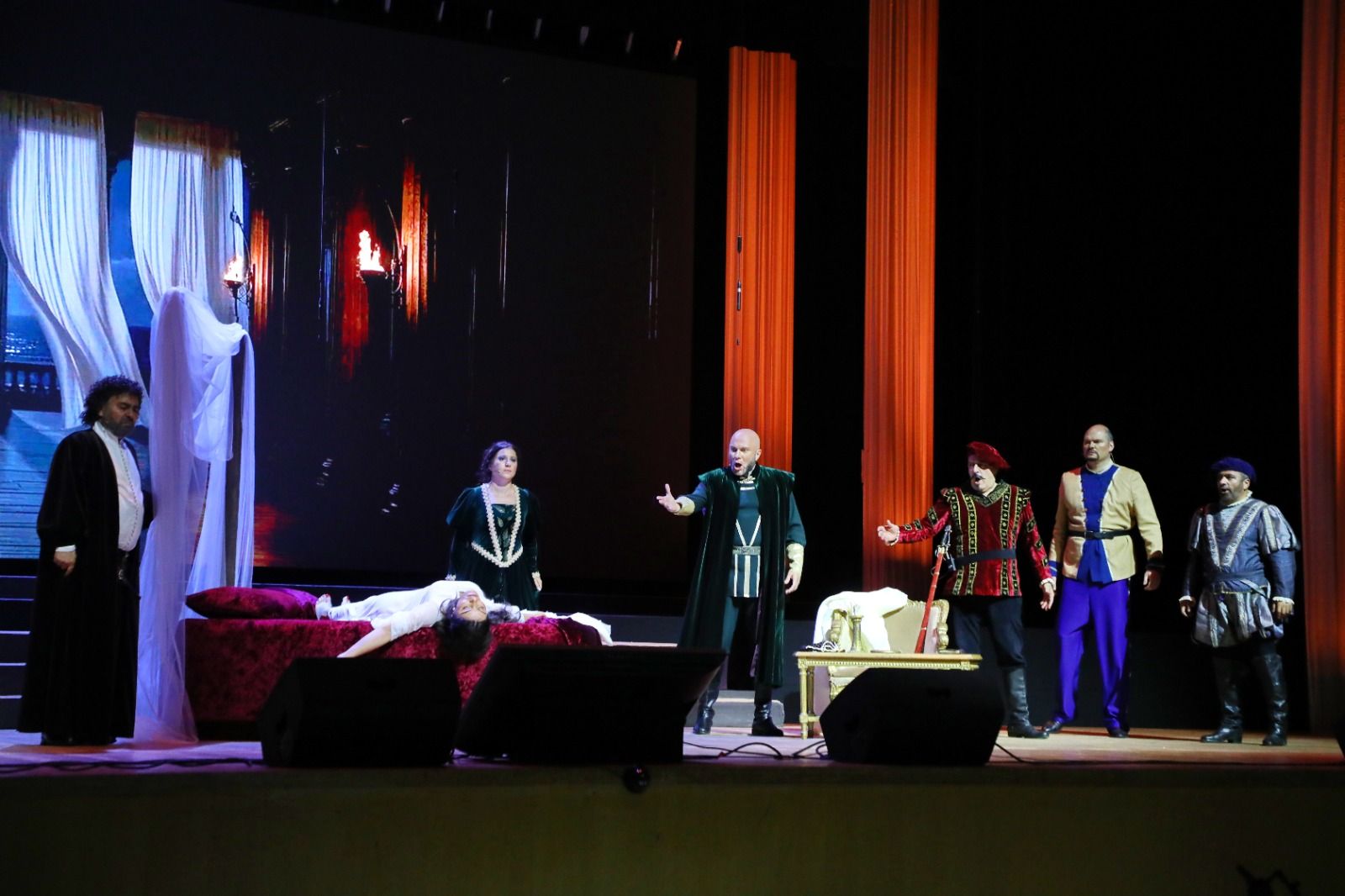
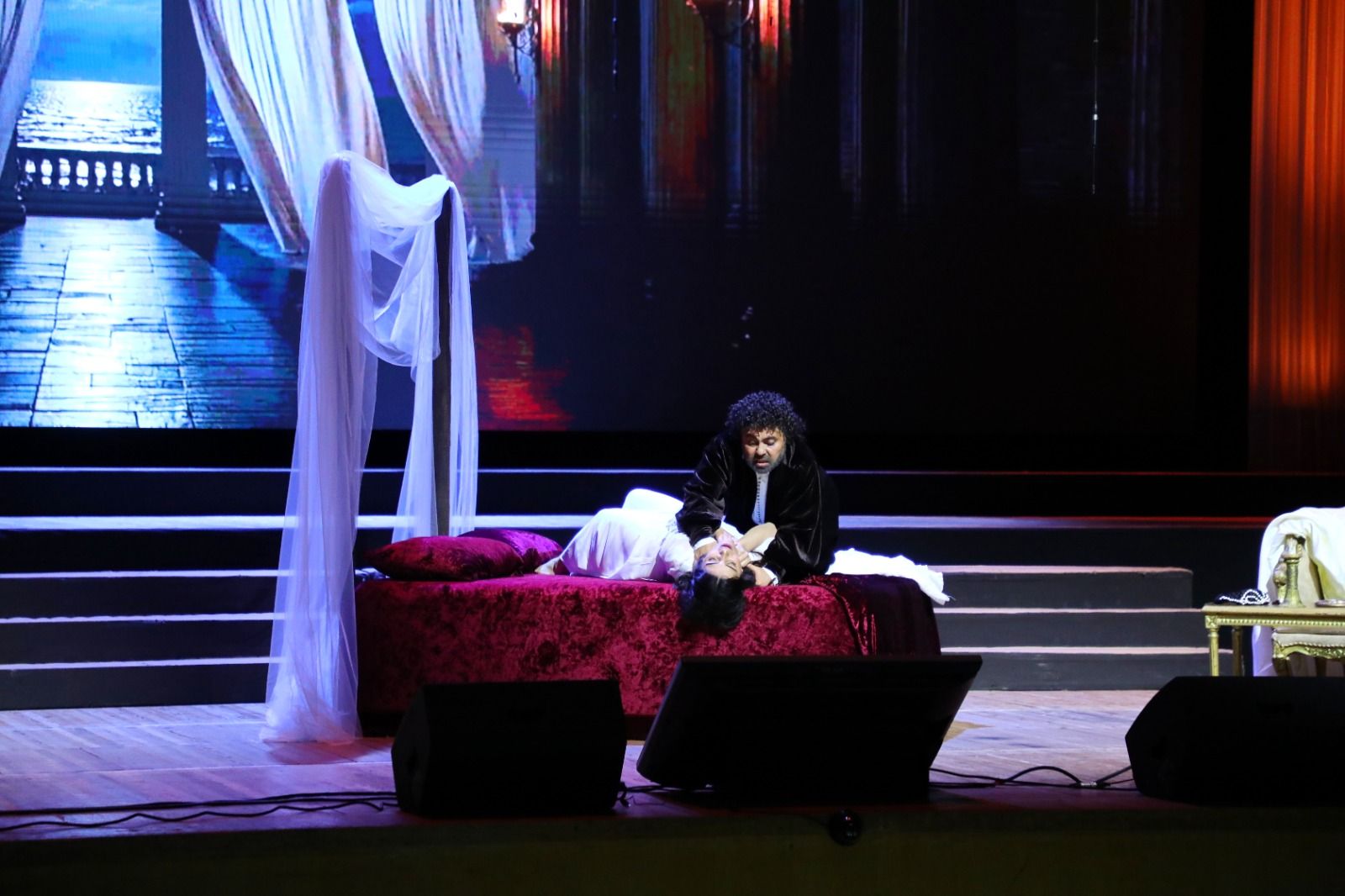
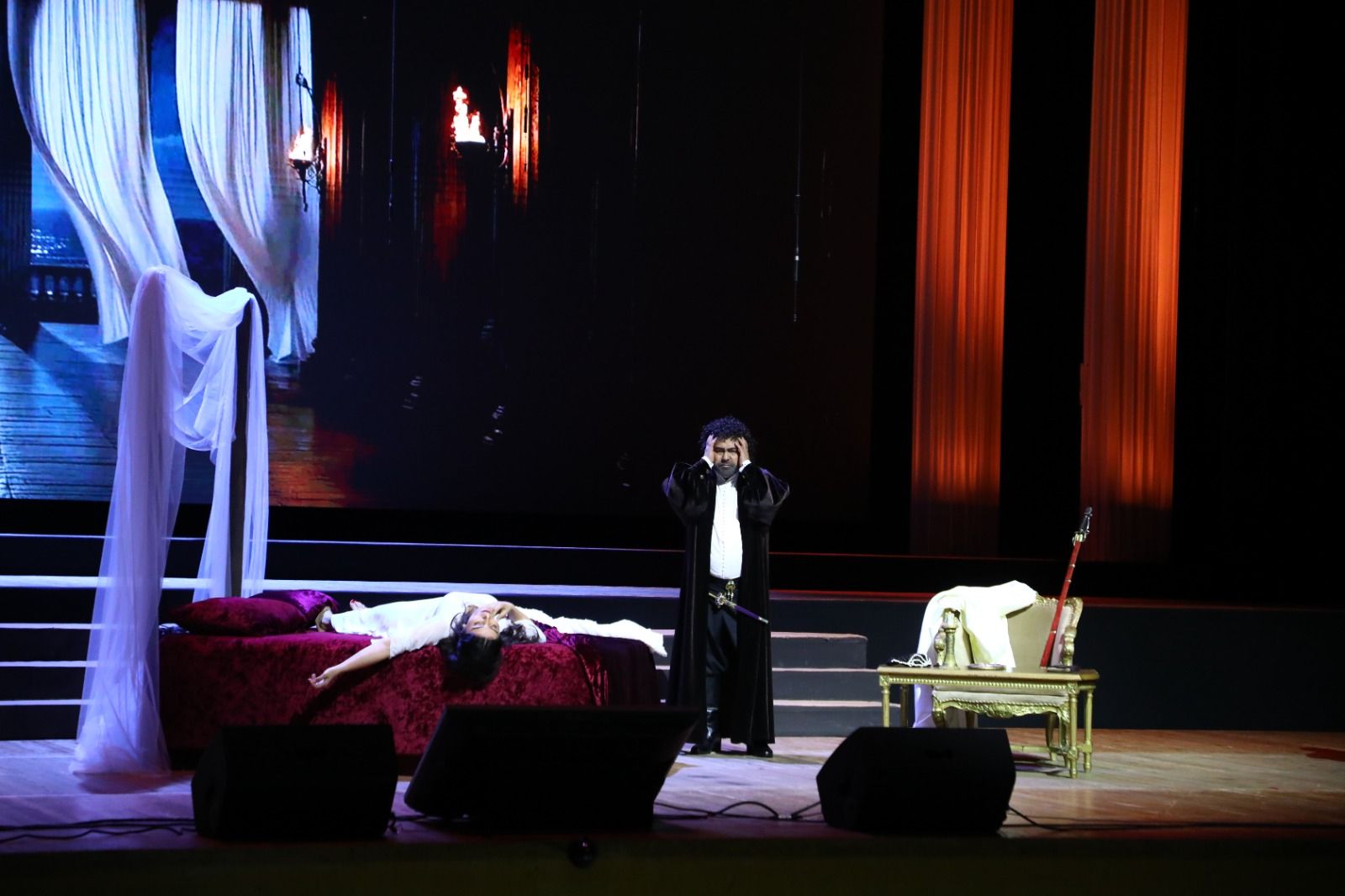
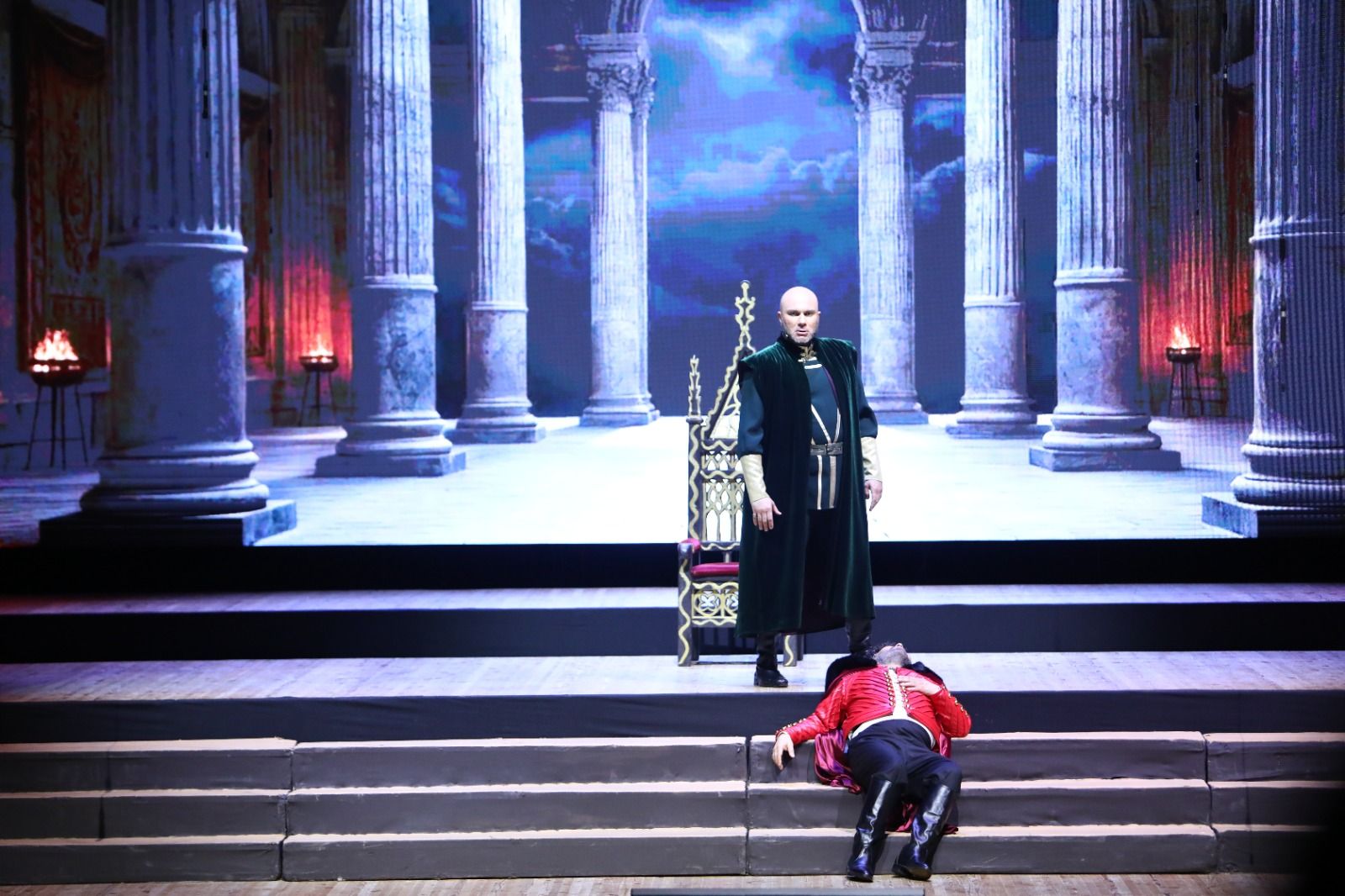
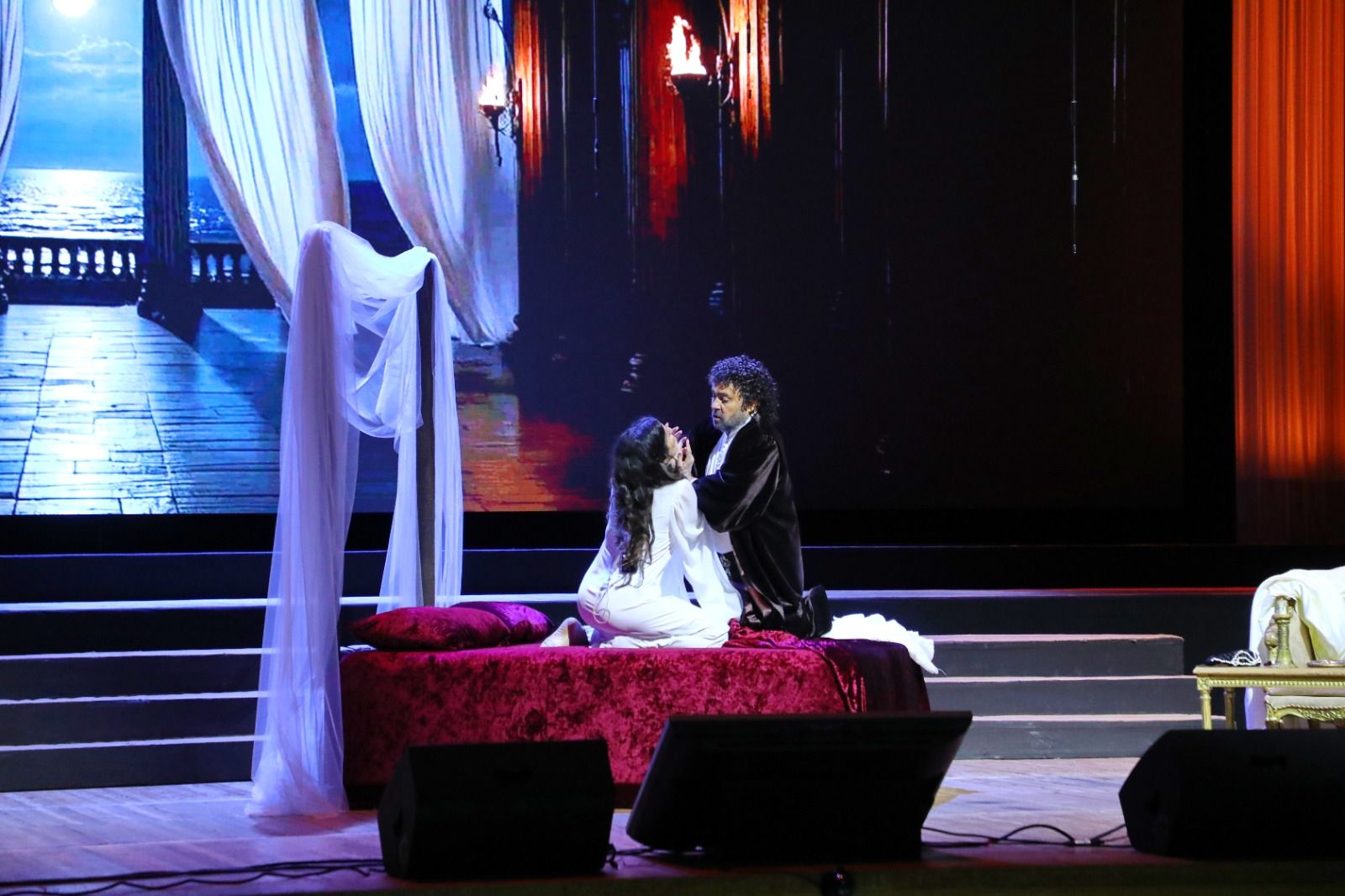
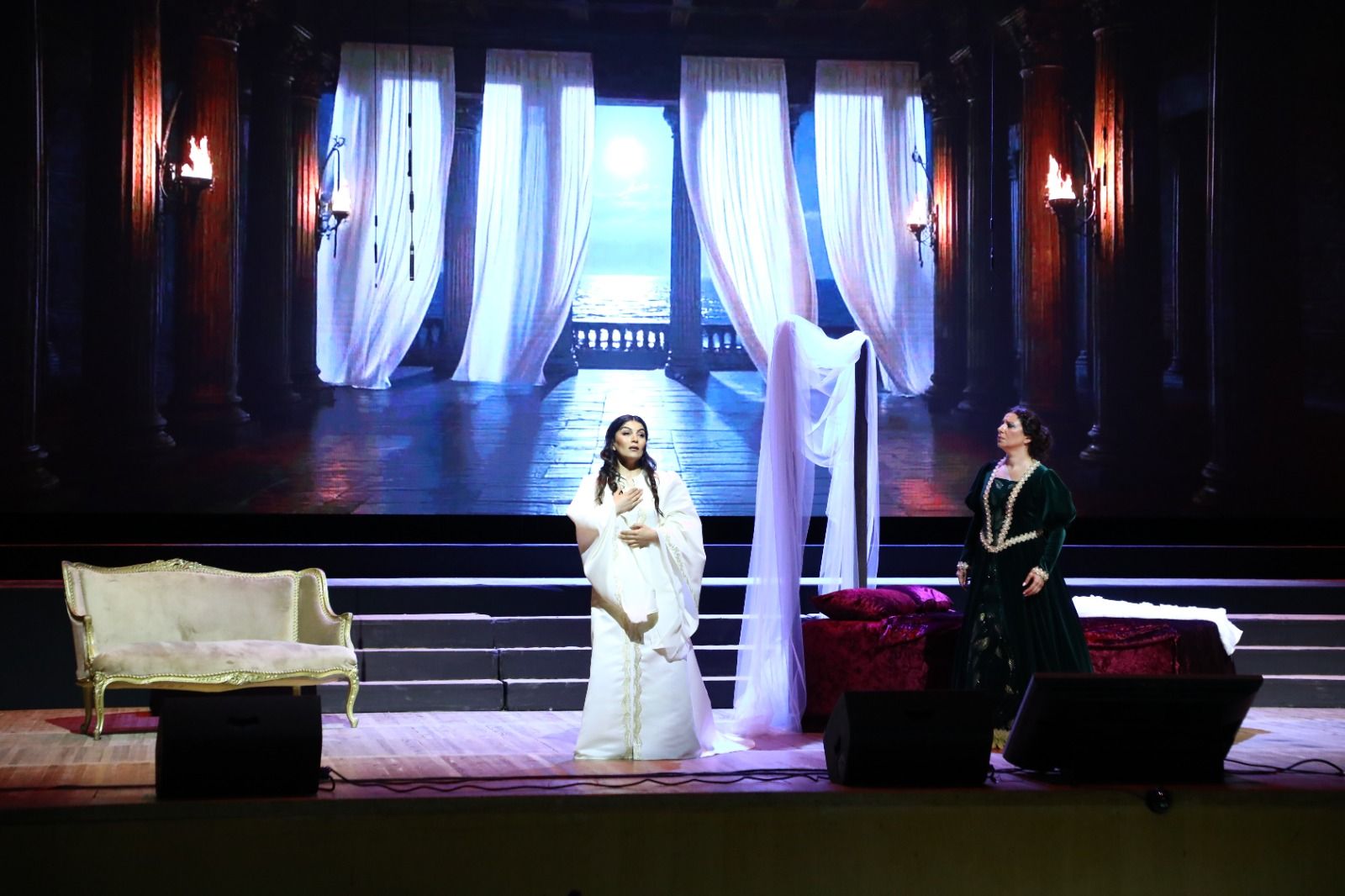
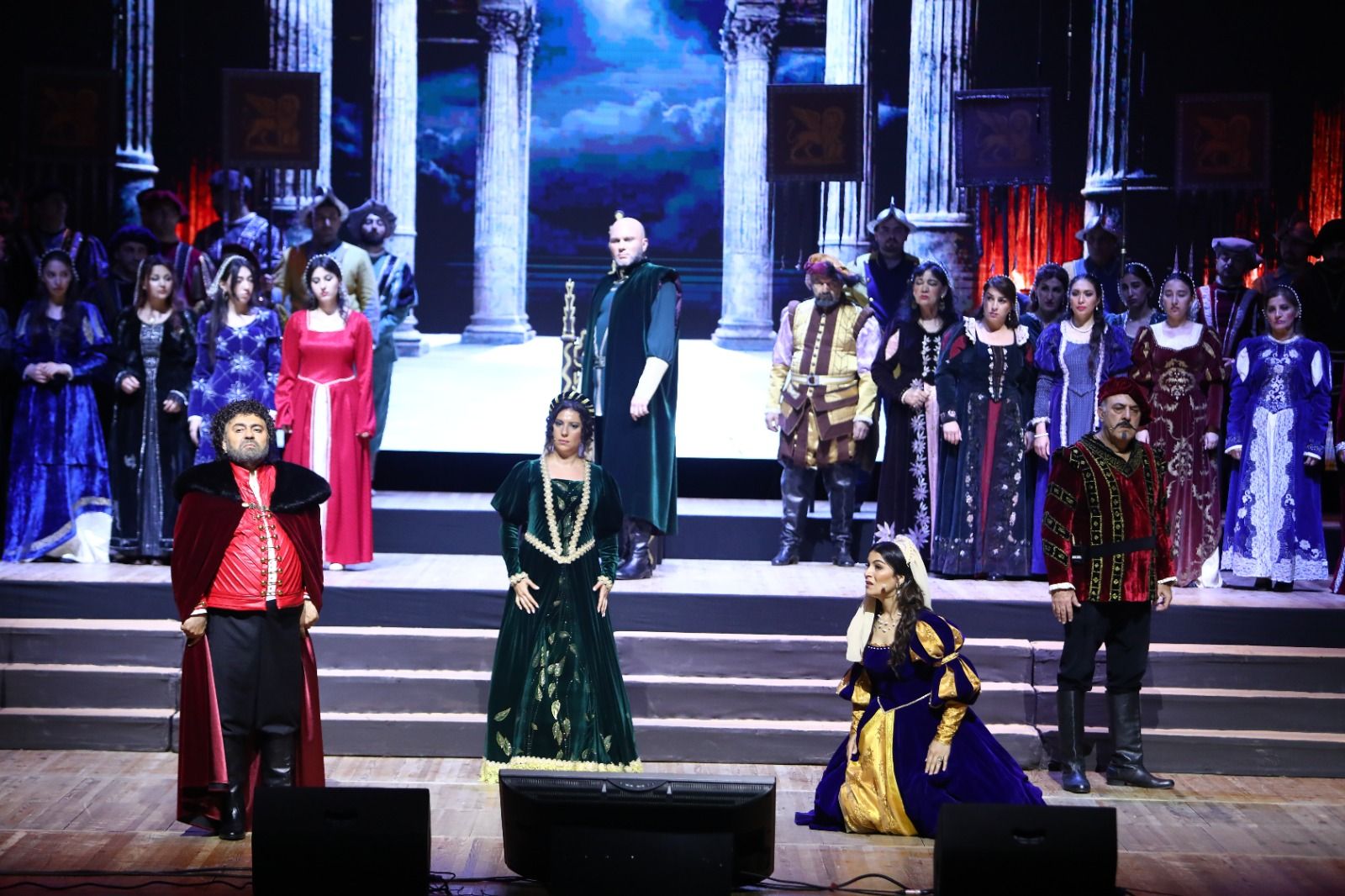
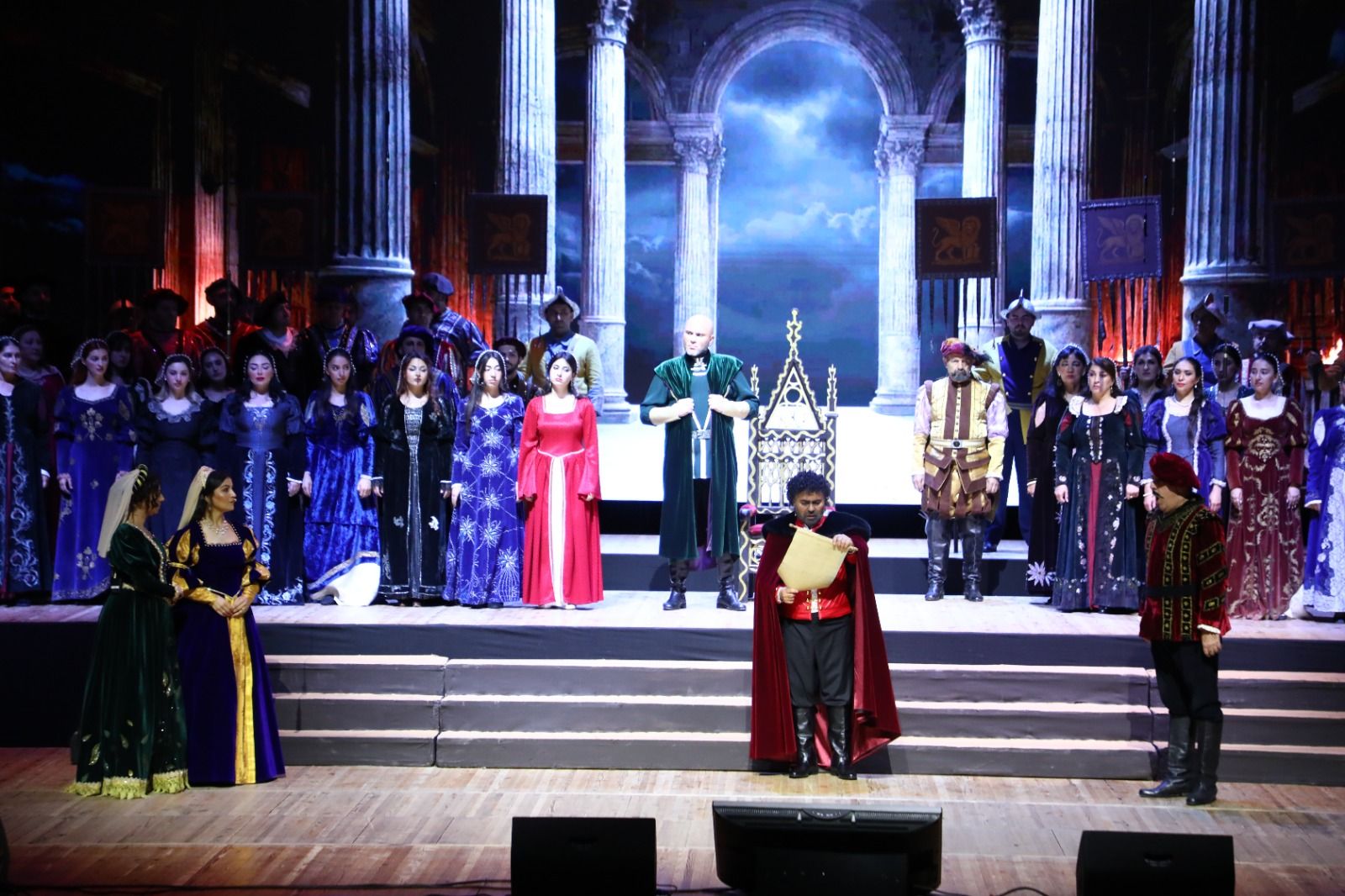
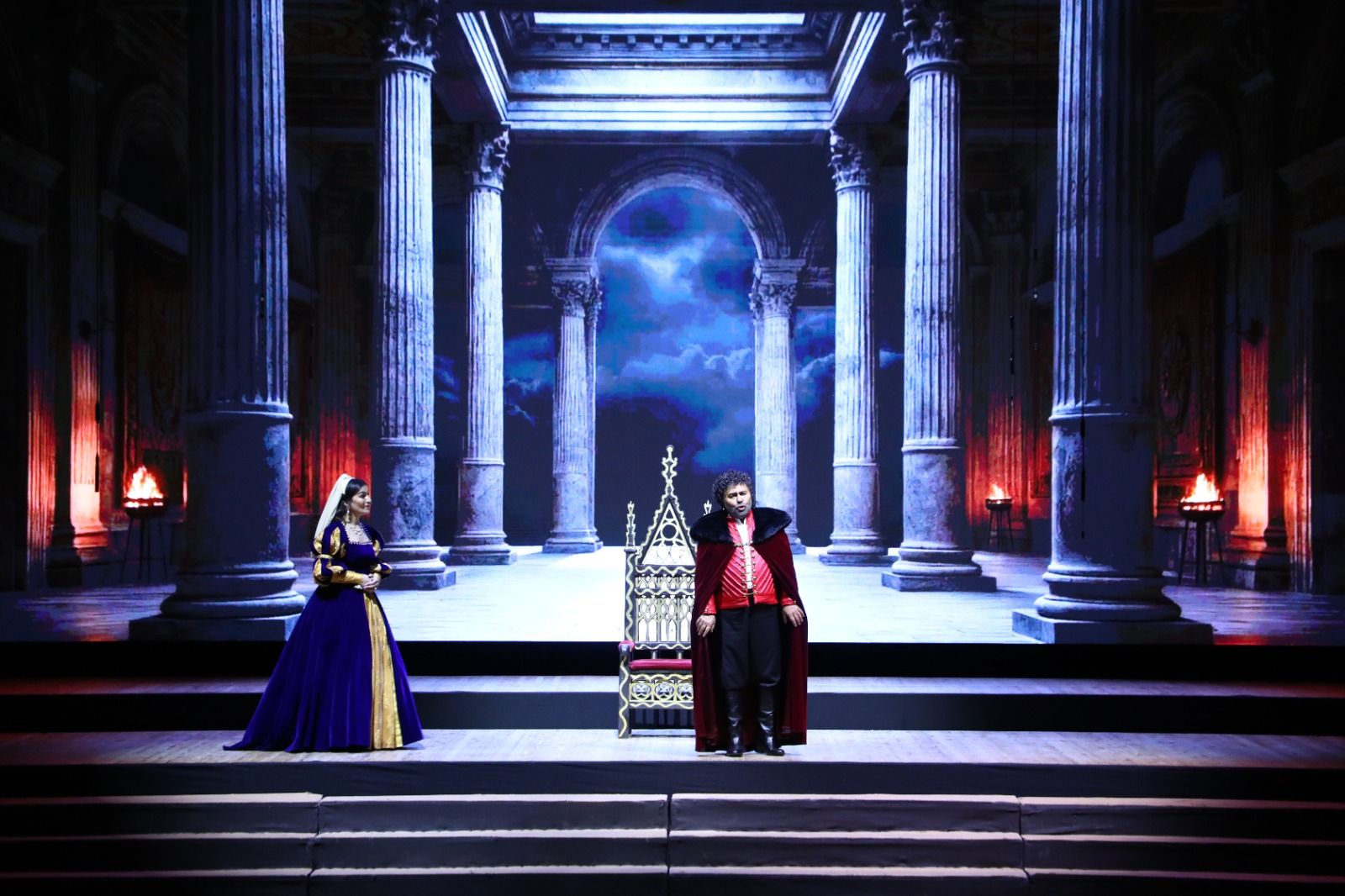
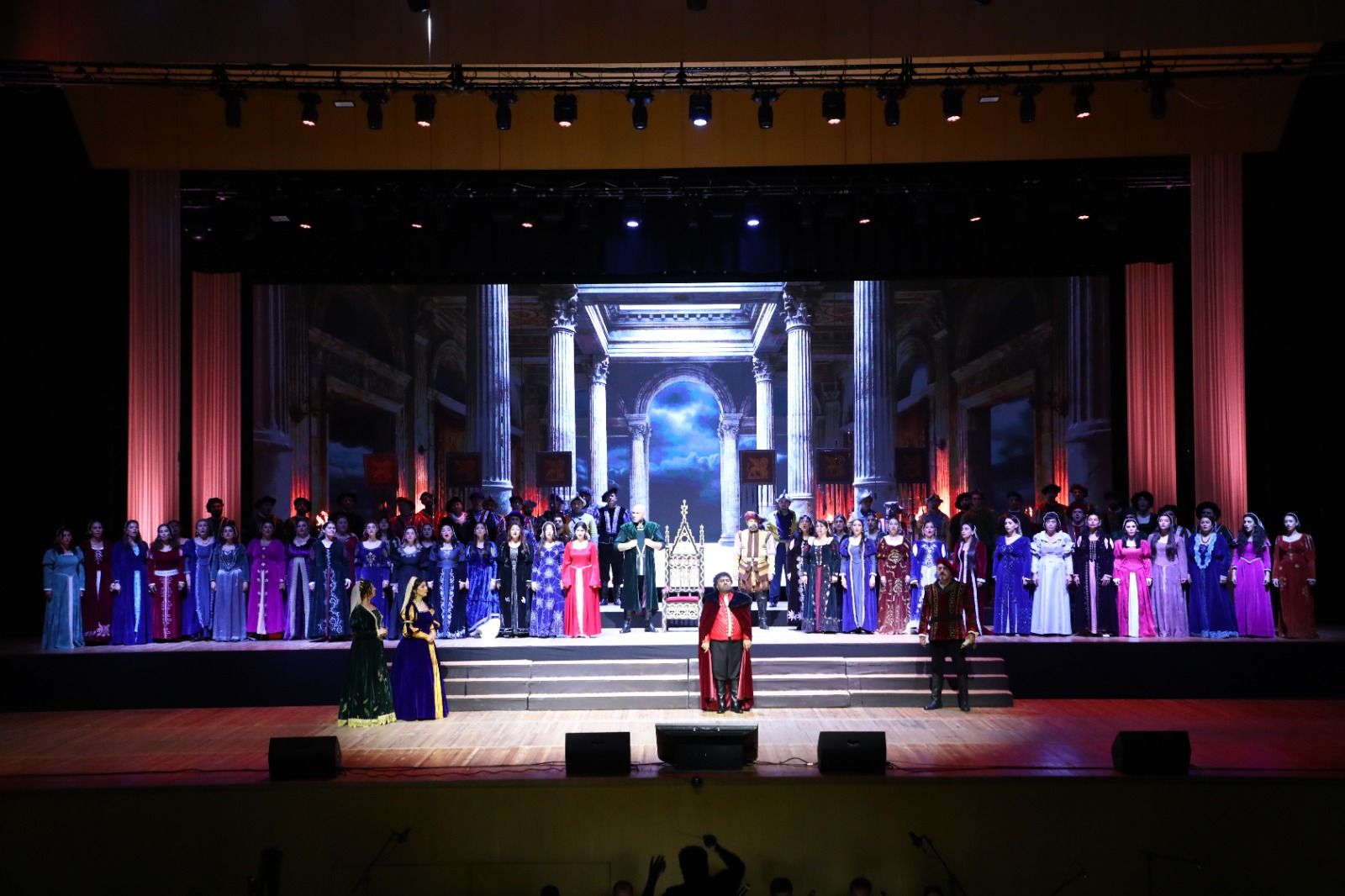
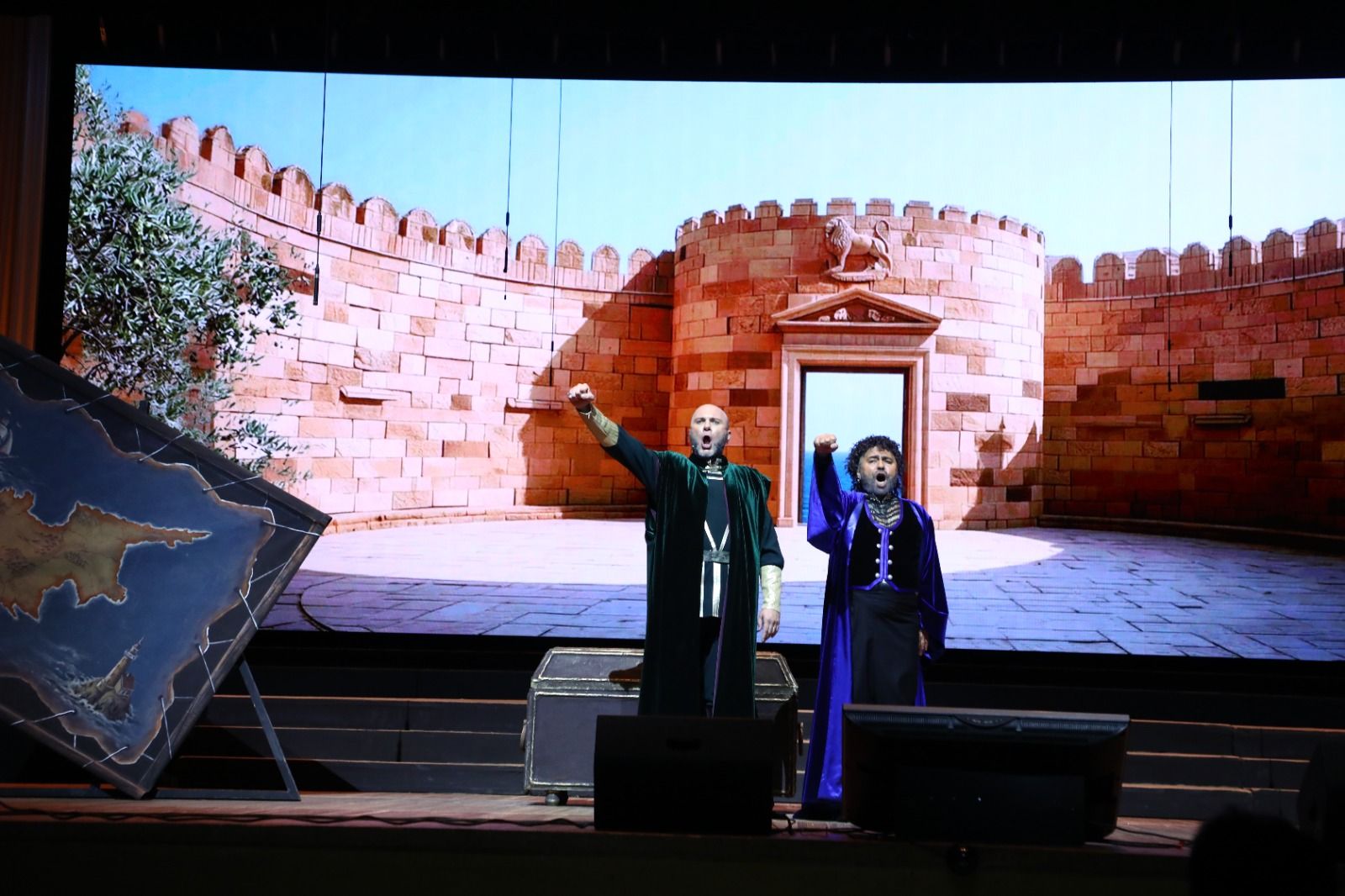
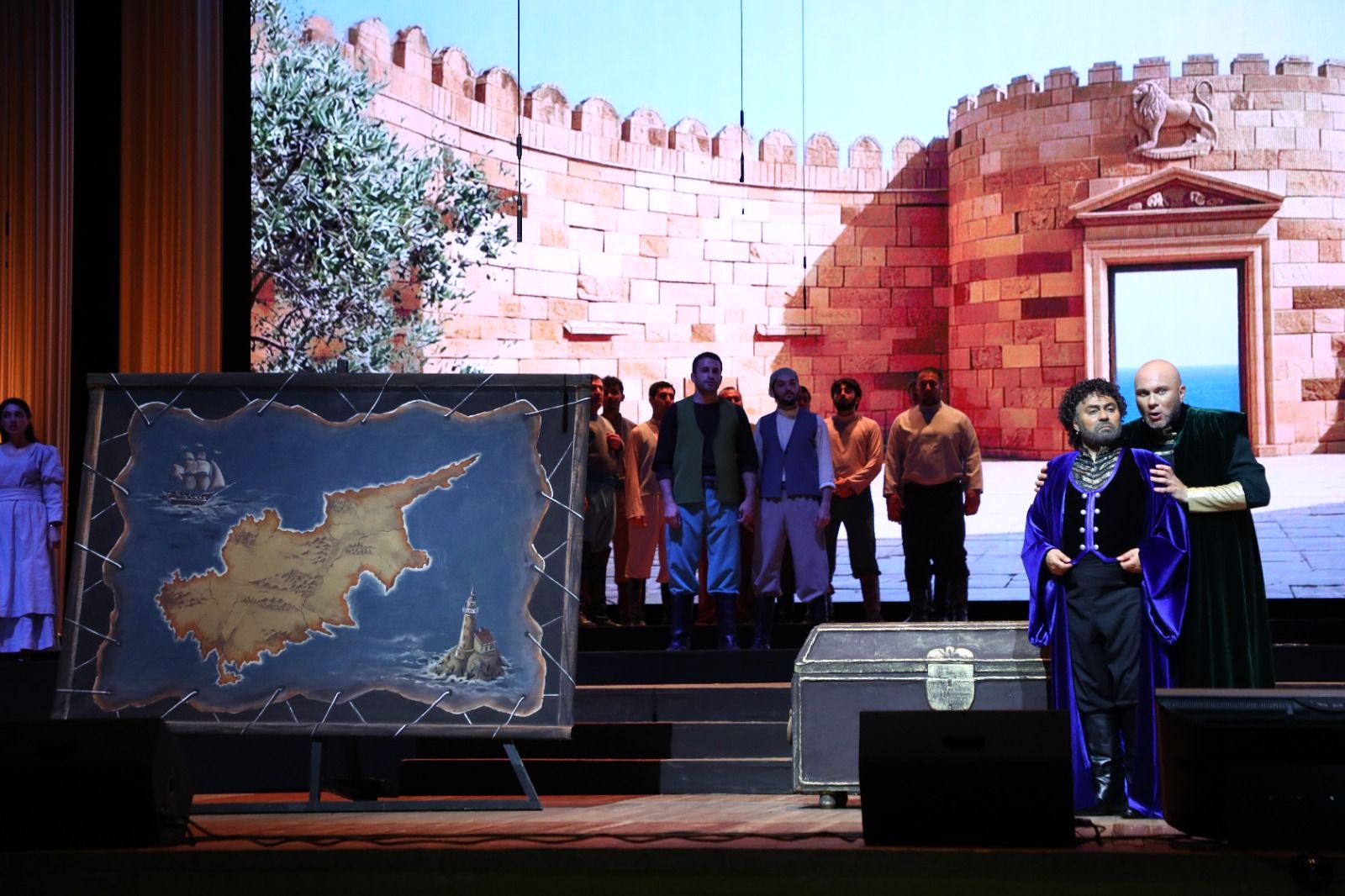
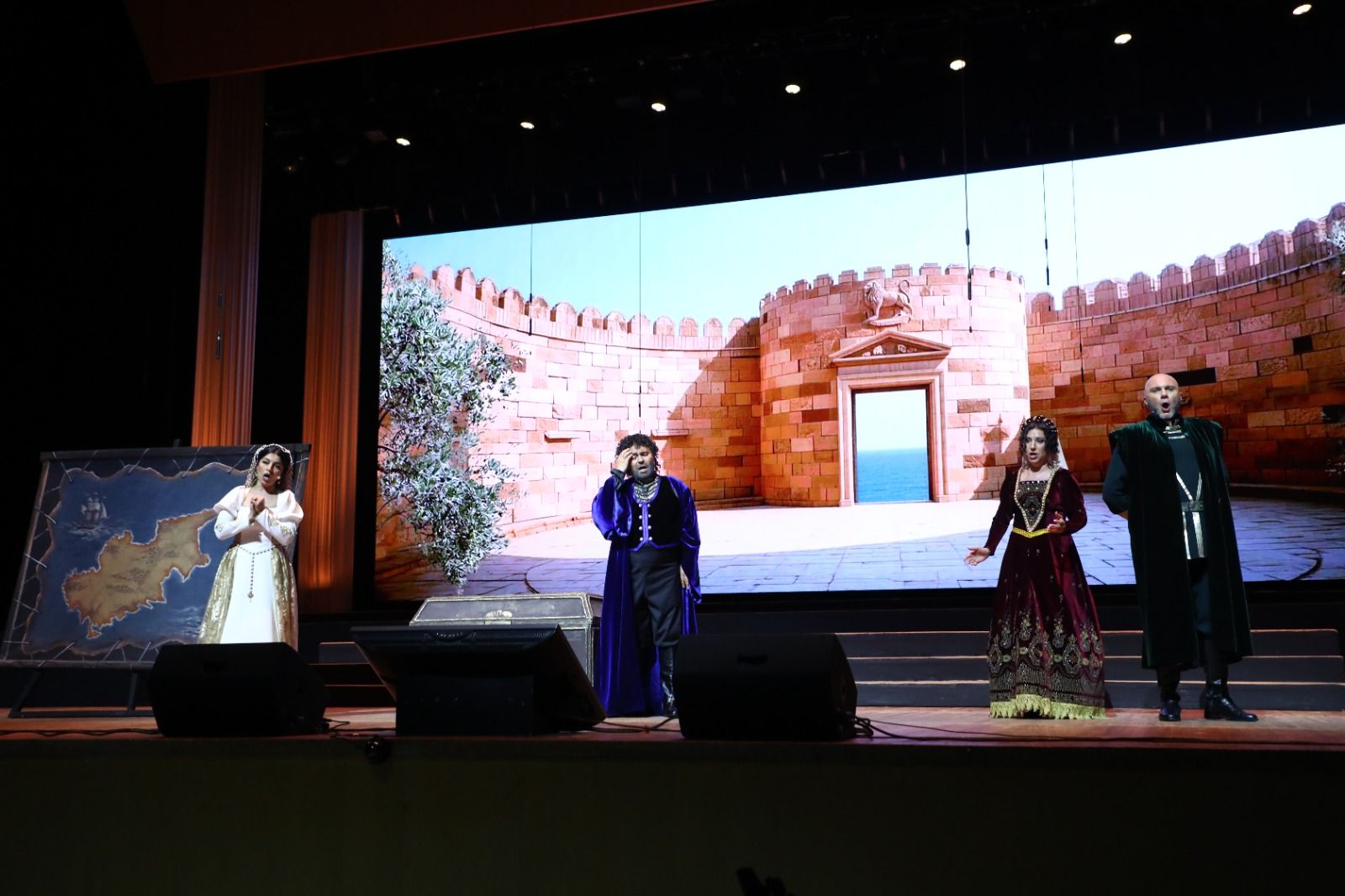
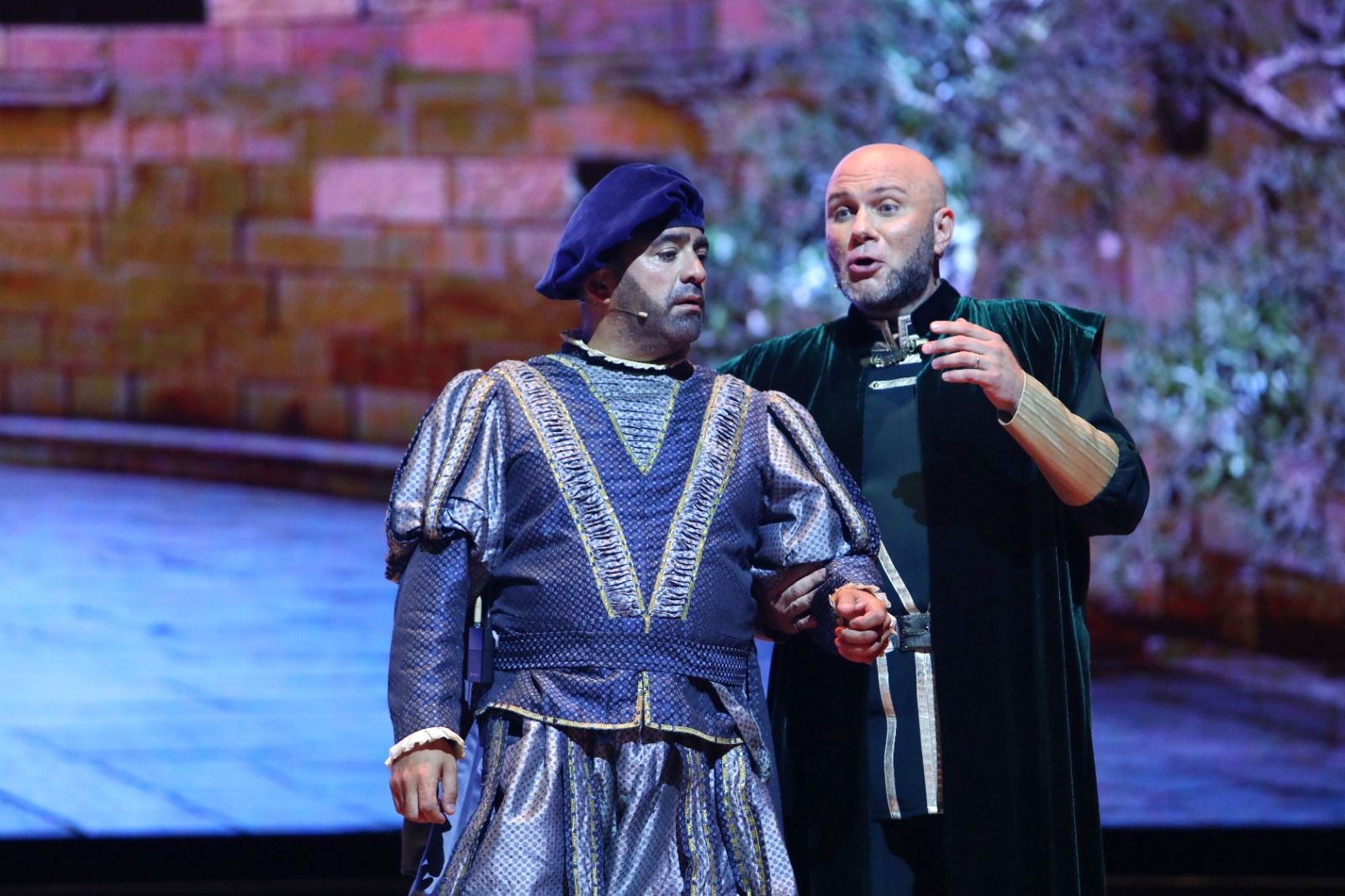
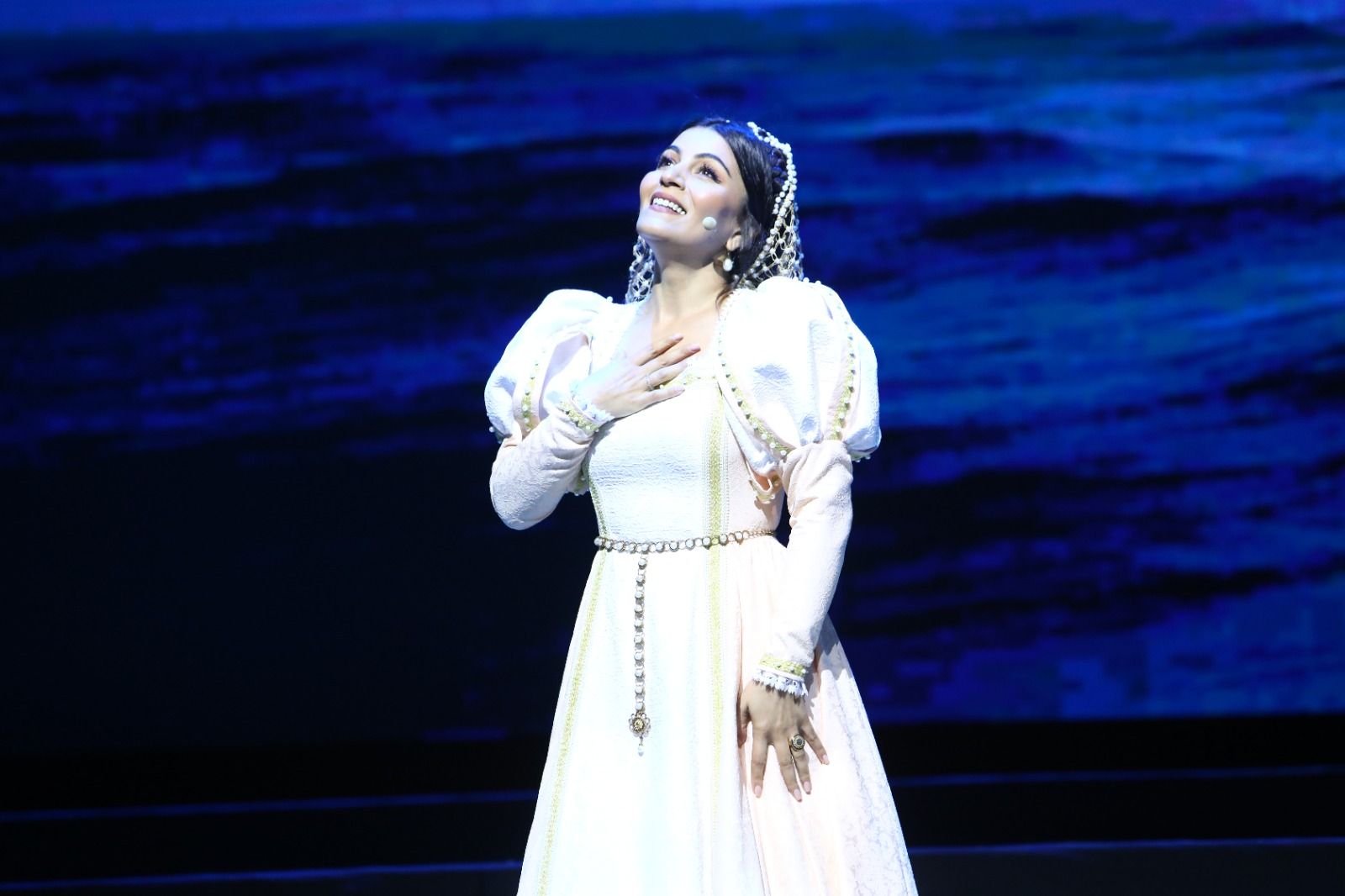
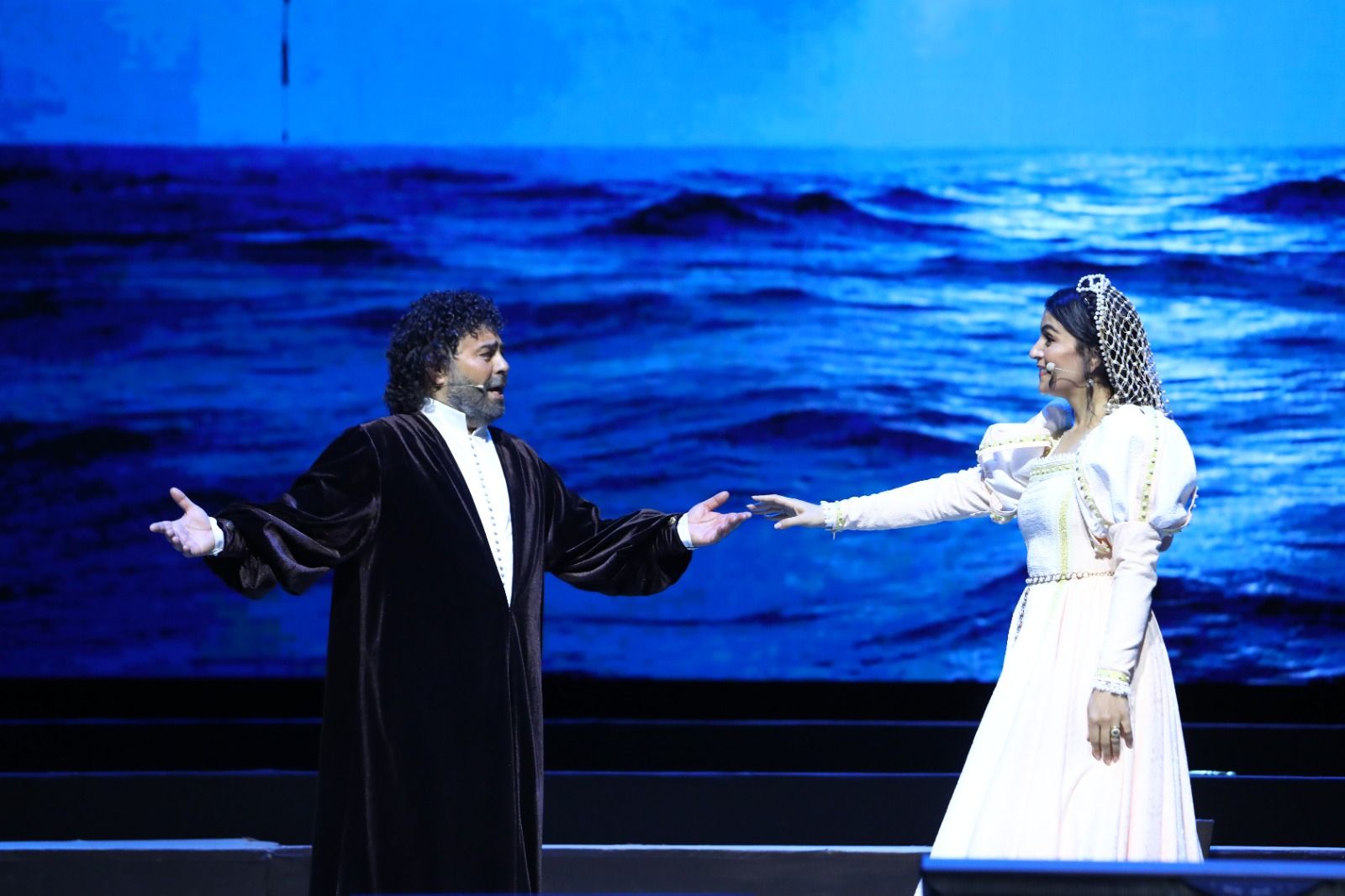
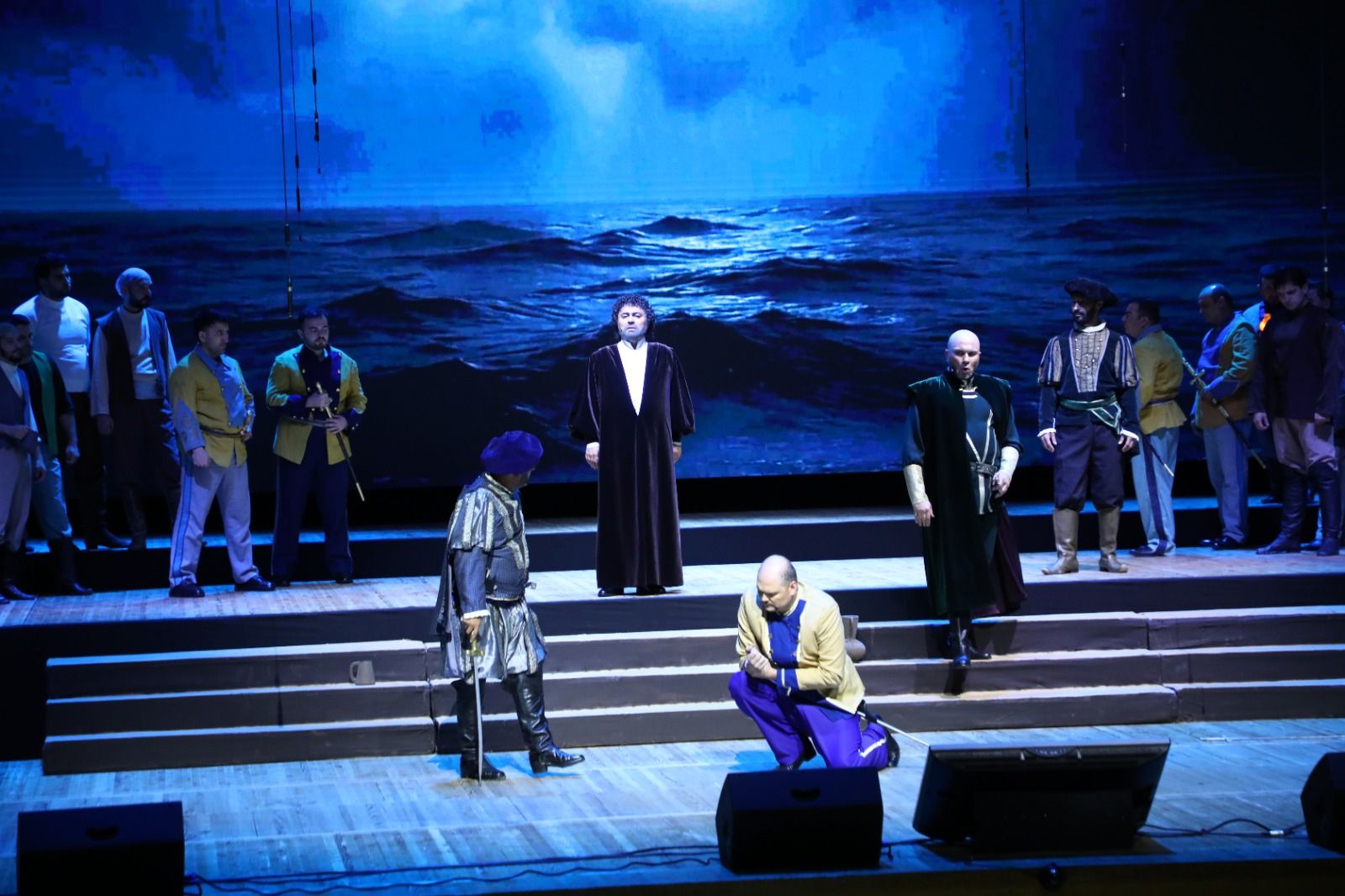
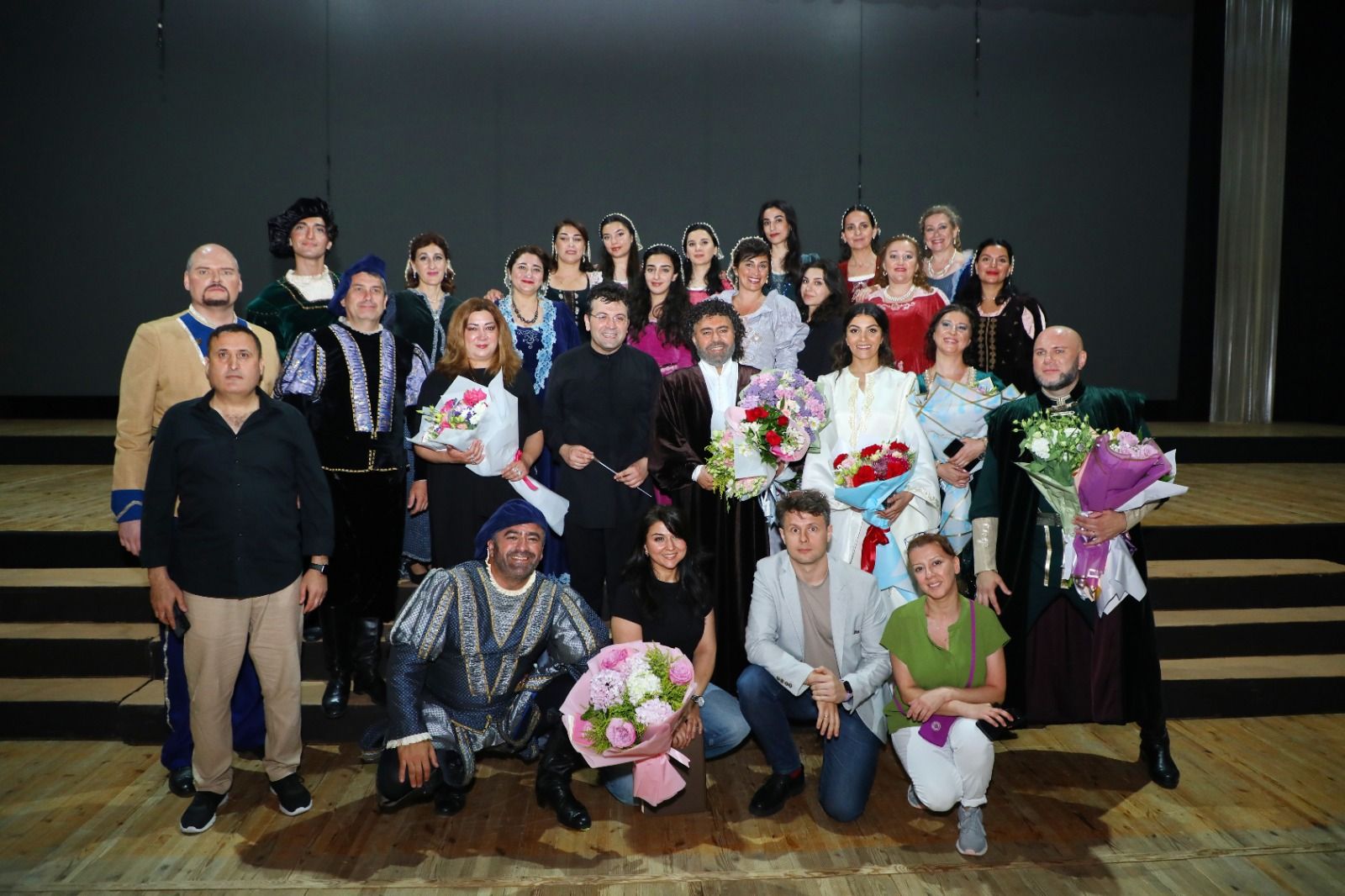
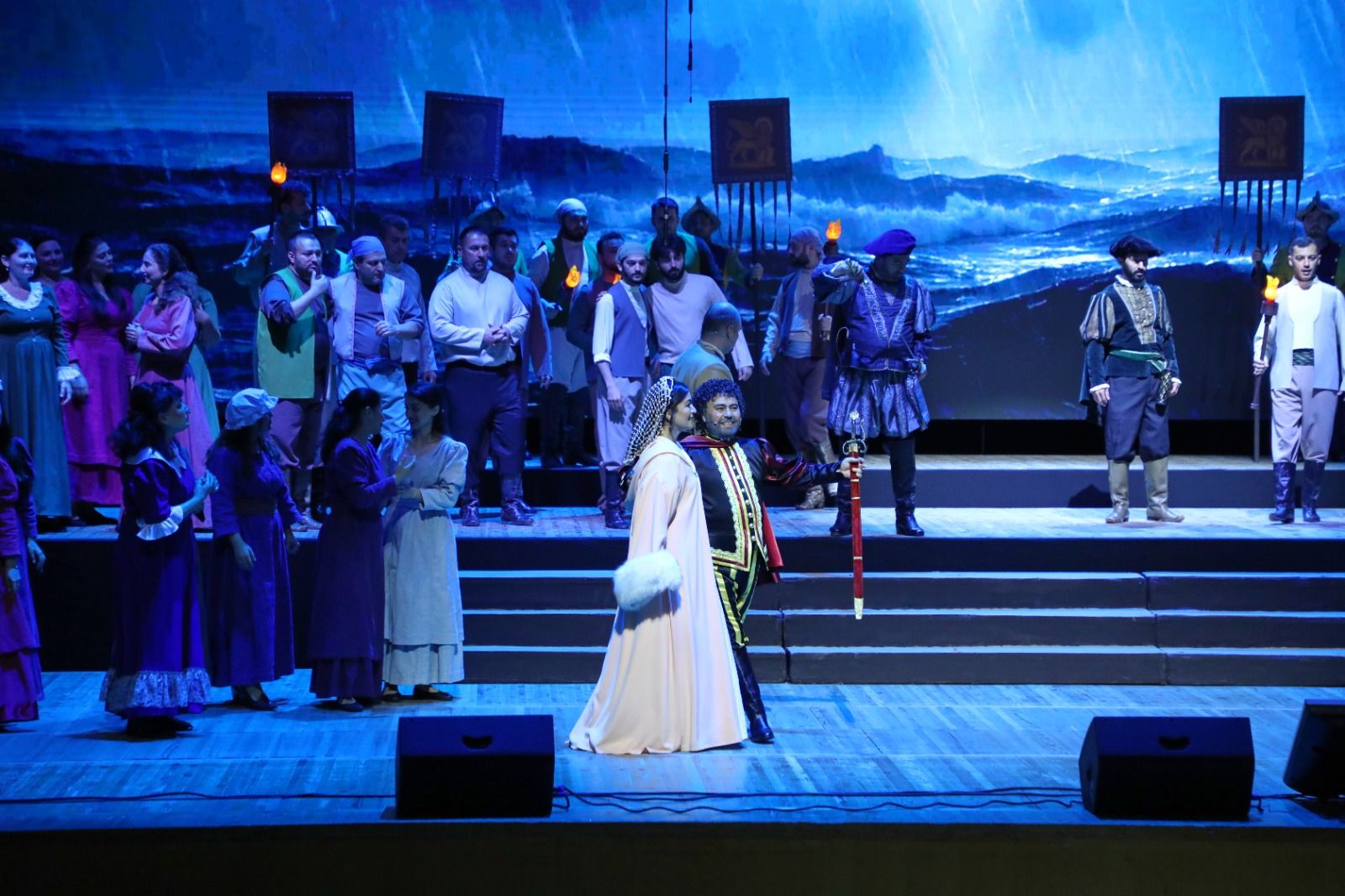
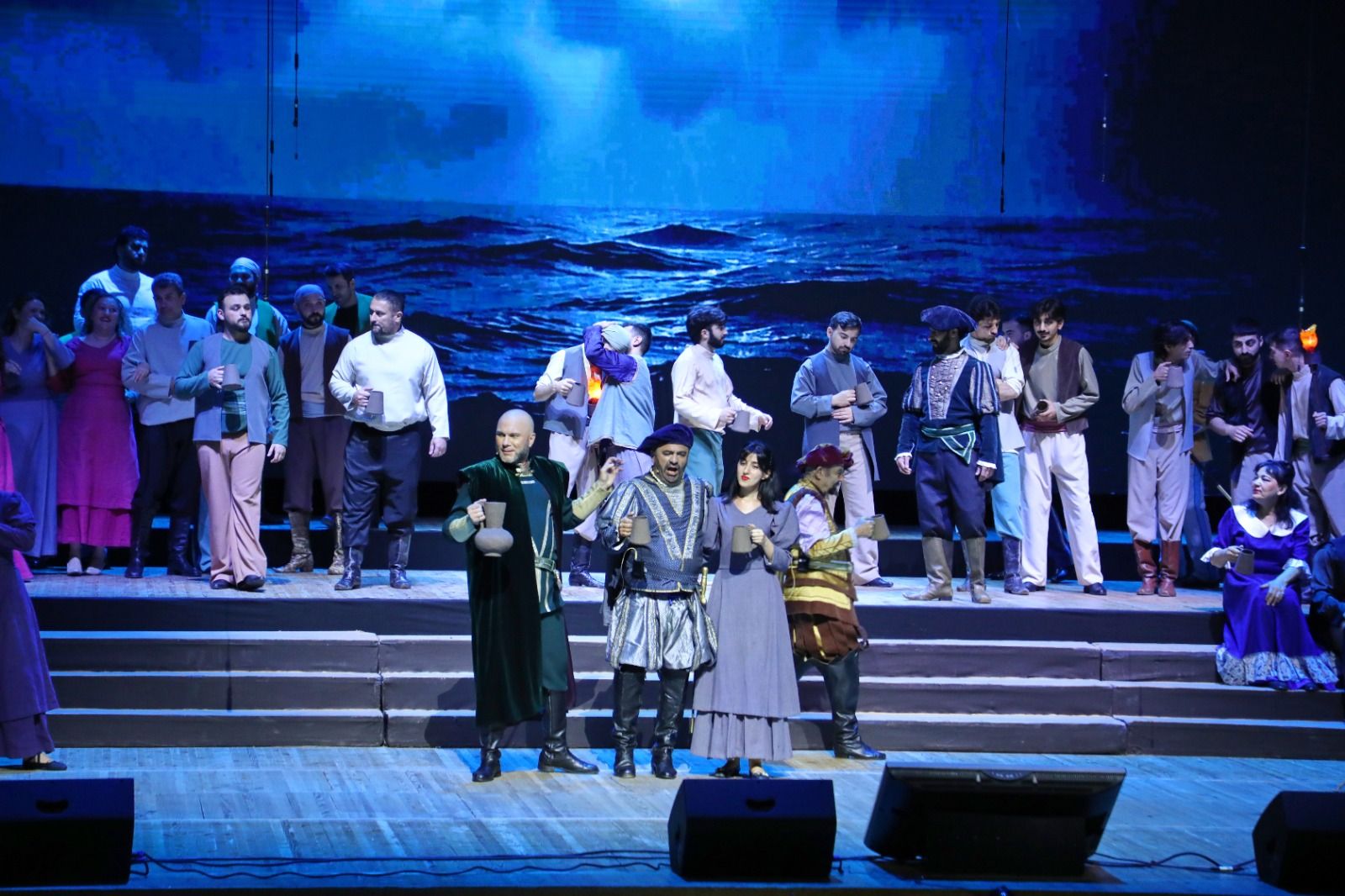
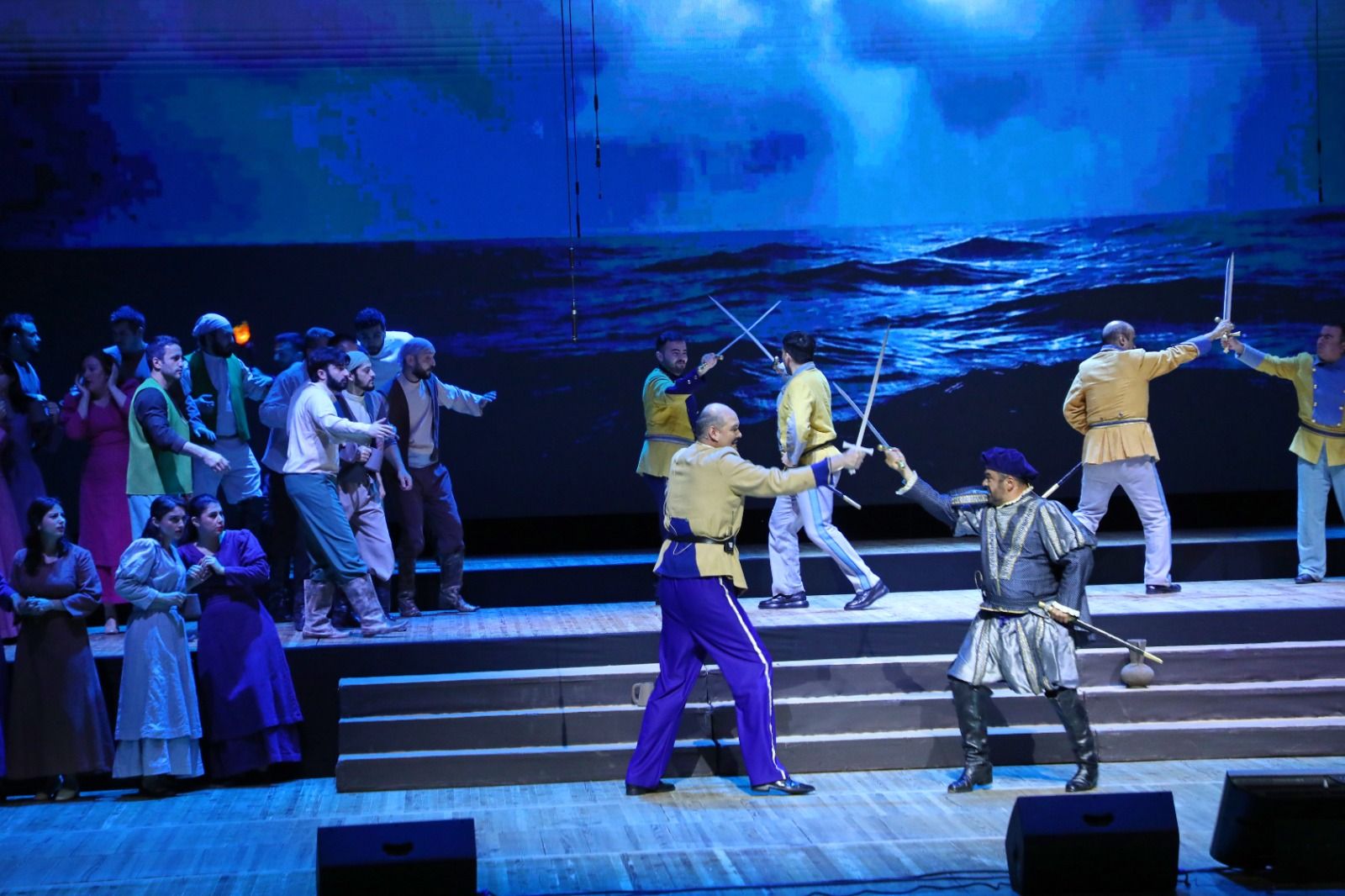
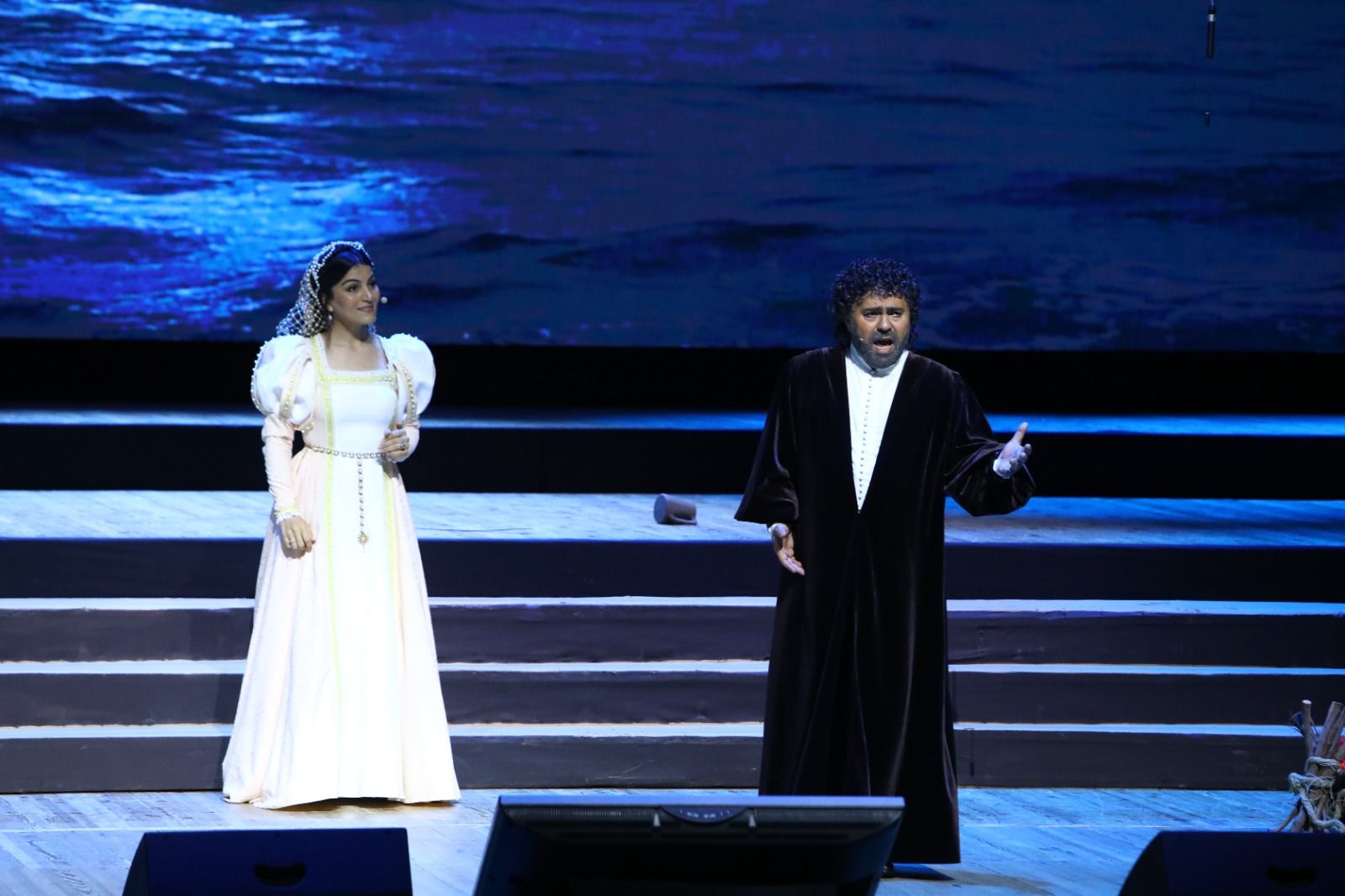
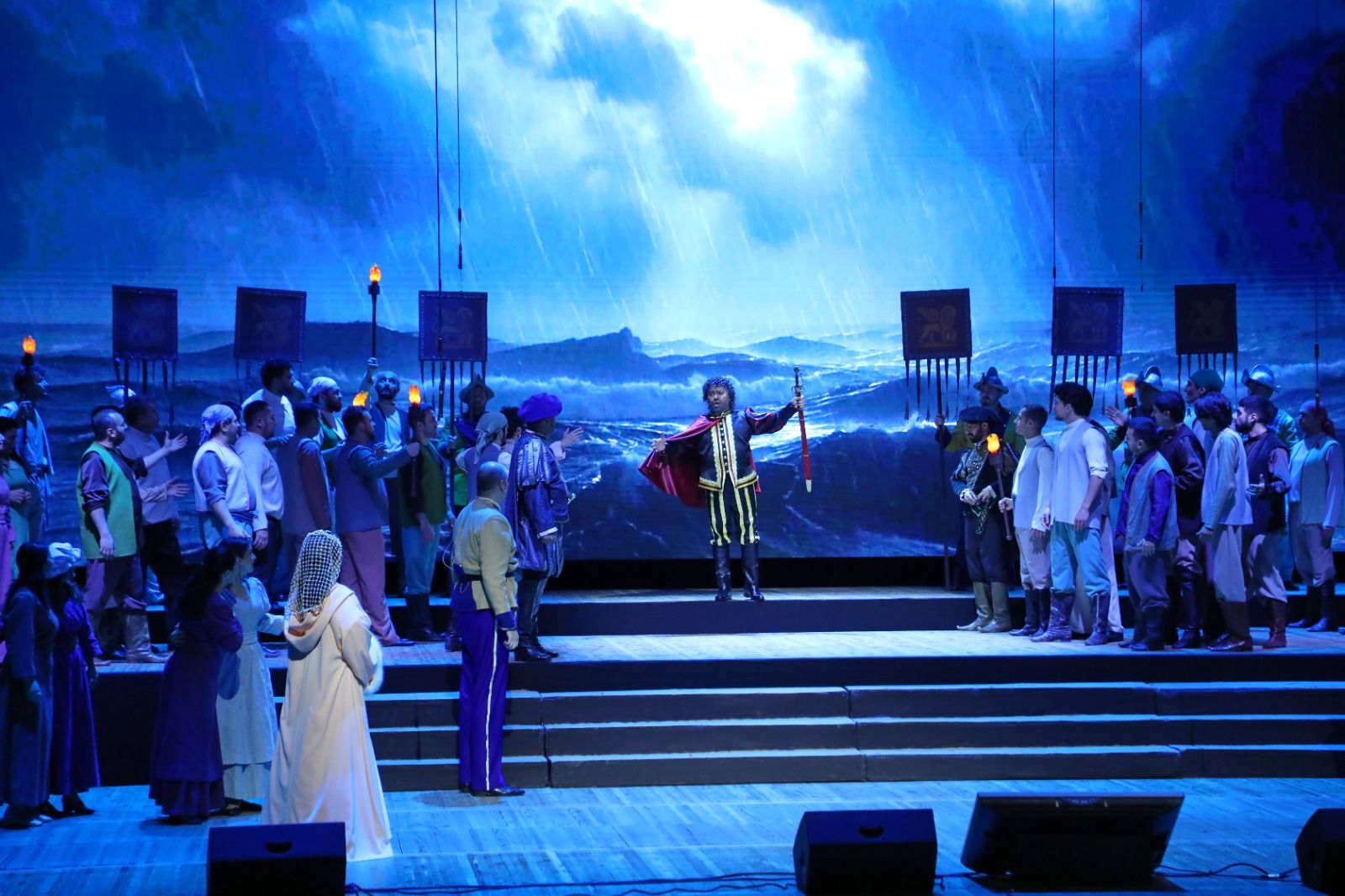
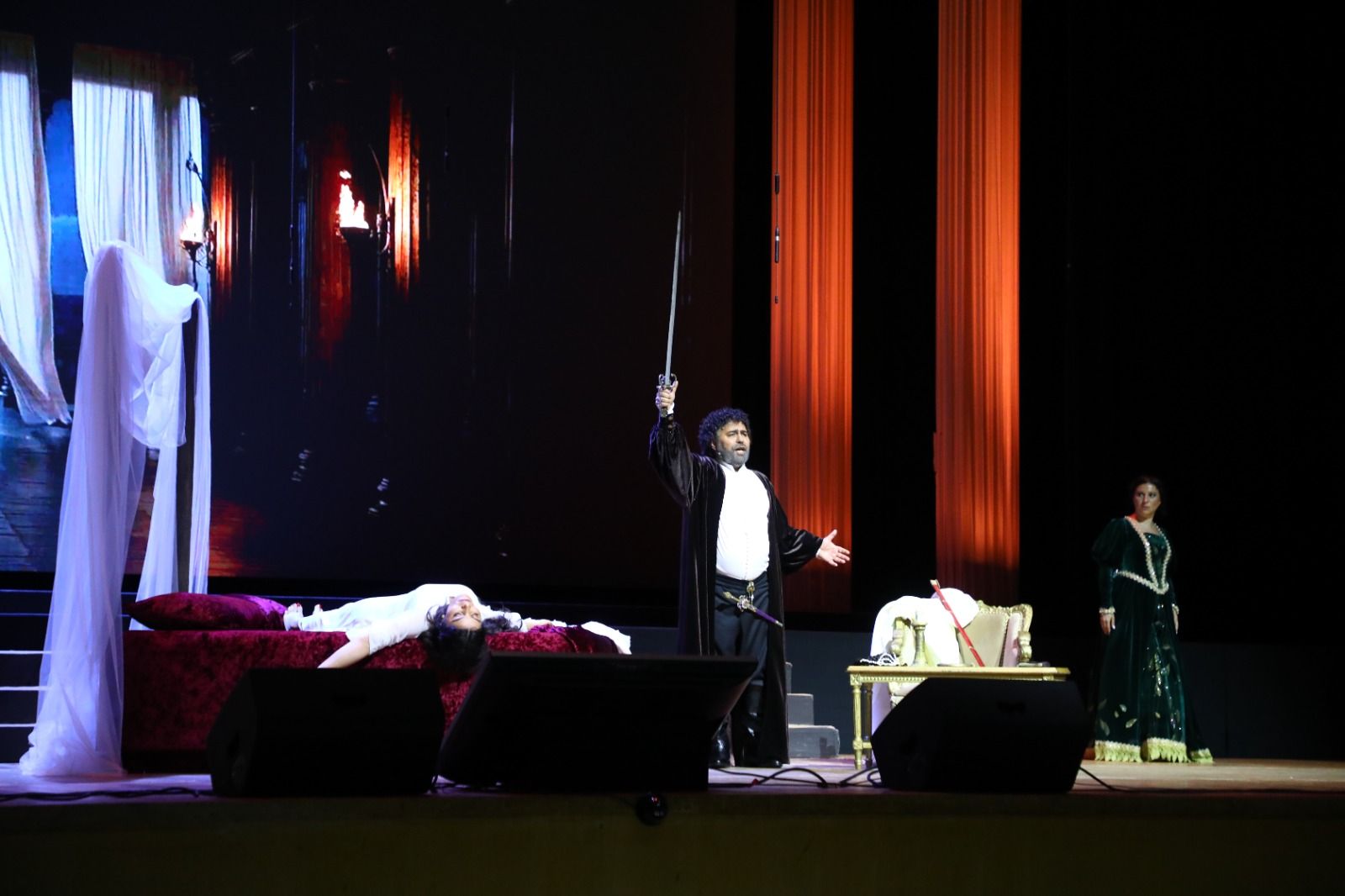
Read moreThe 2nd Opera Days project, which for several days presented audiences with outstanding examples of world and Azerbaijani opera art, concluded with a spectacular premiere of Giuseppe Verdi's opera "Otello."
The large-scale project became a significant event in the country's cultural life, bringing together on one stage works by great composers from different eras and showcasing the richness of the operatic heritage.
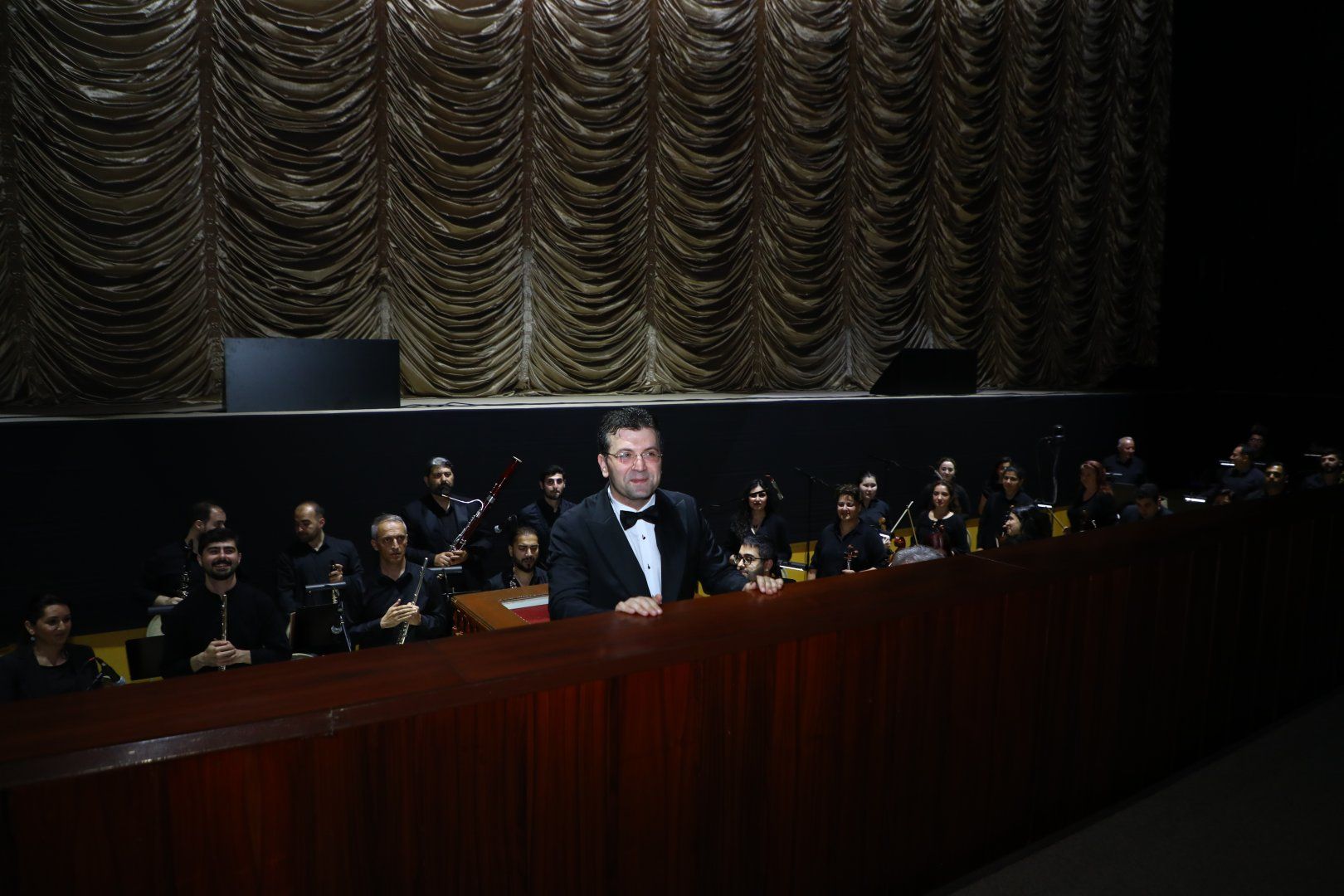
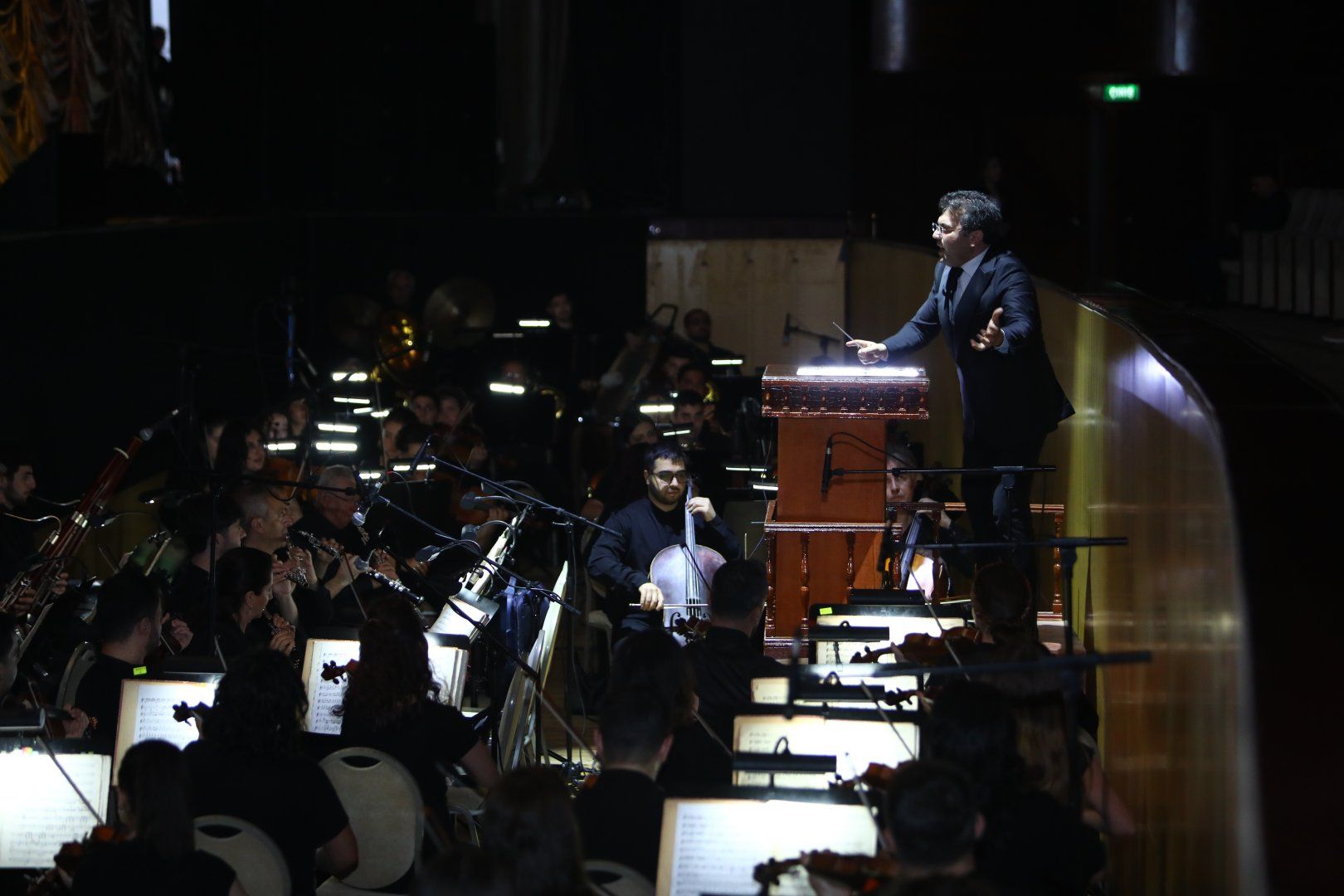
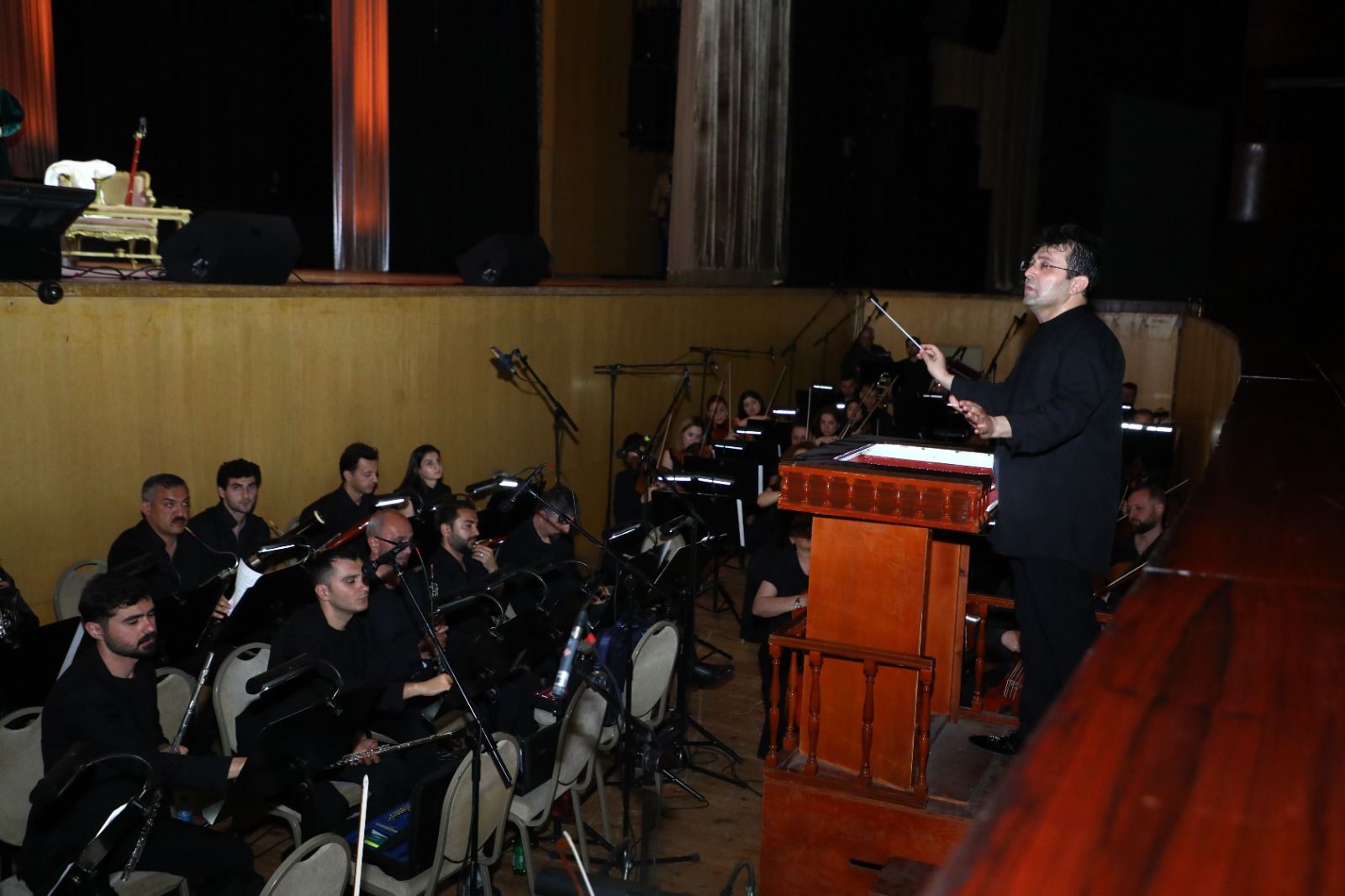
Speaking in an interview with AzerNEWS about the 2nd Opera Days, Honoured Artist of Azerbaijan, principal conductor of the Azerbaijan State Academic Opera and Ballet Theatre, Ayyub Guliyev, stressed the importance of such projects in supporting young performers, expanding concert formats, and creating new opportunities for artists. He also shared plans to revive rarely performed Azerbaijani operas and stressed that national musical heritage holds a worthy place in world opera culture.
Q: The concert "Heritage That Has Come Through the Centuries" gave the audience unforgettable emotions. Could you please share your personal impressions of how this grand evening unfolded?
A: The concert was held as part of the 2nd Opera Days, a project that generated a great deal of public interest.
Its programme featured truly outstanding productions. I would especially like to highlight the premiere of the opera "Otello."
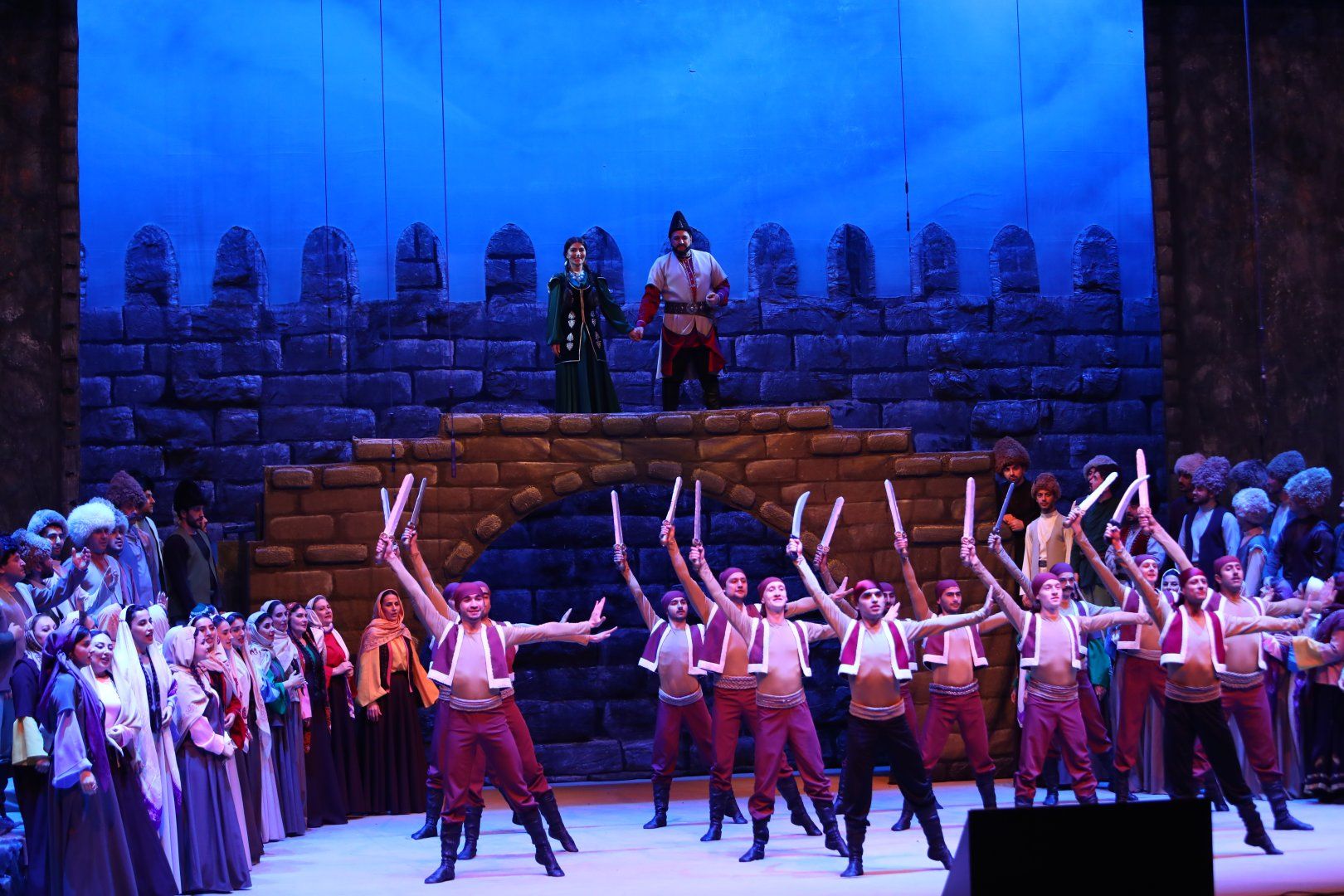
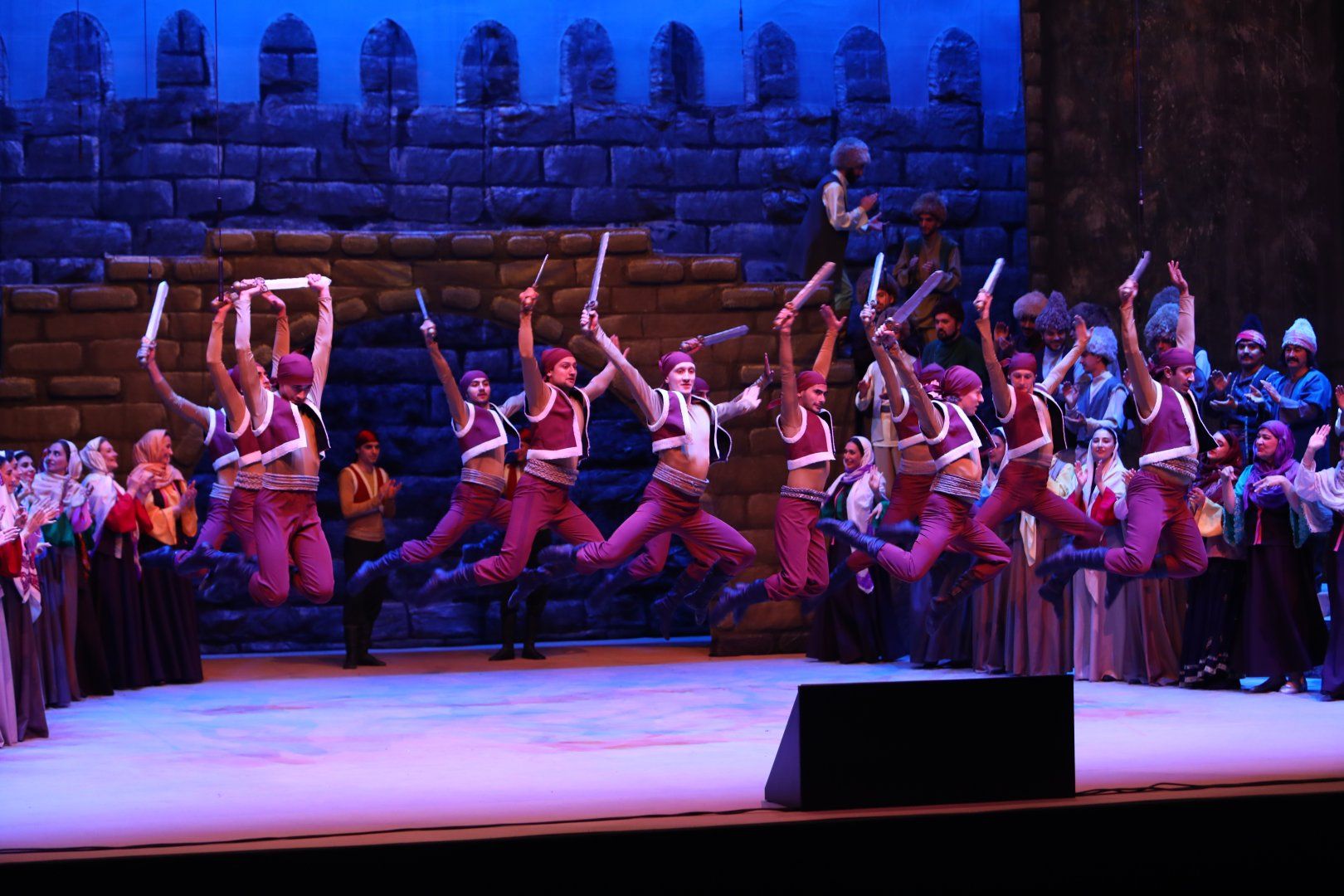
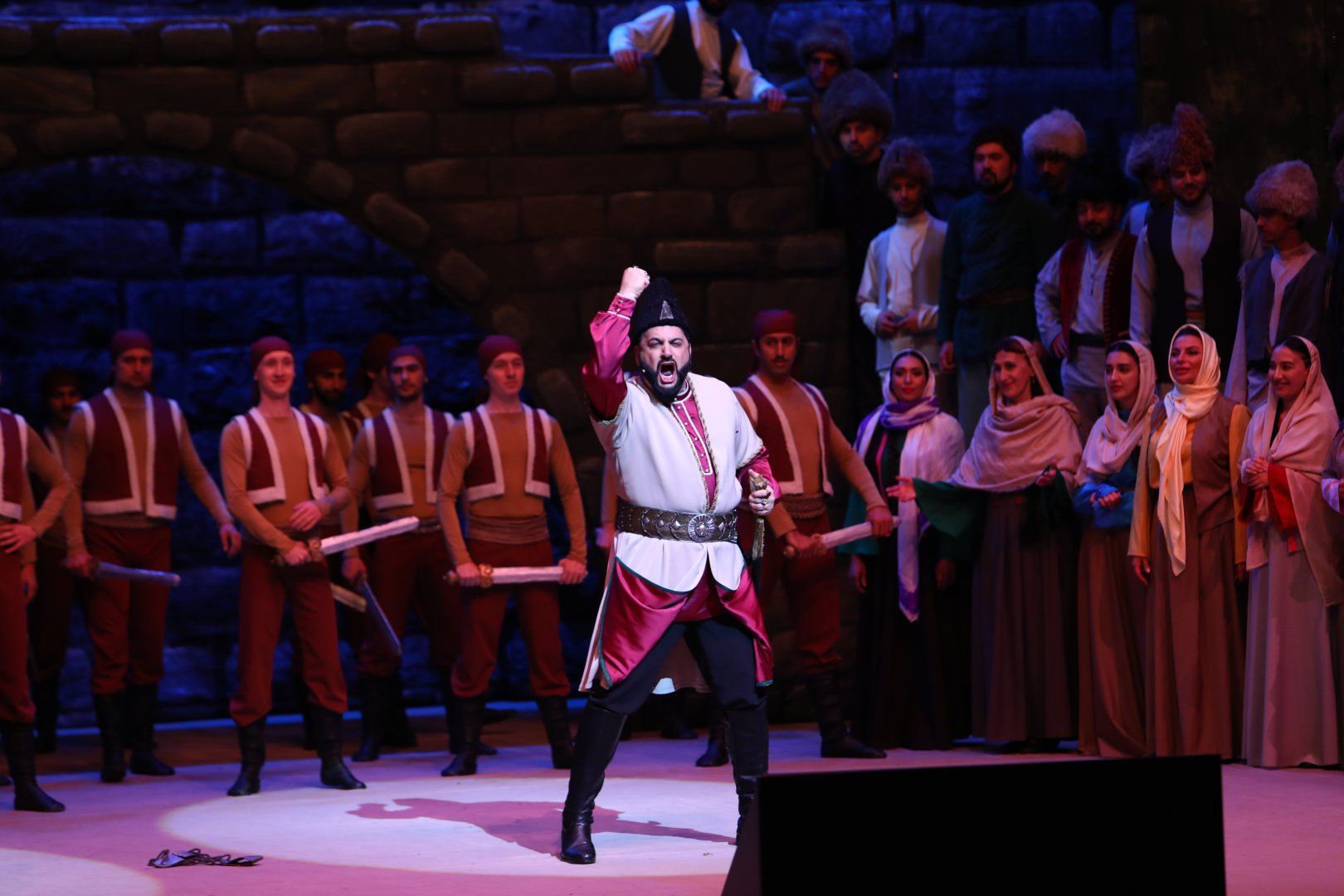
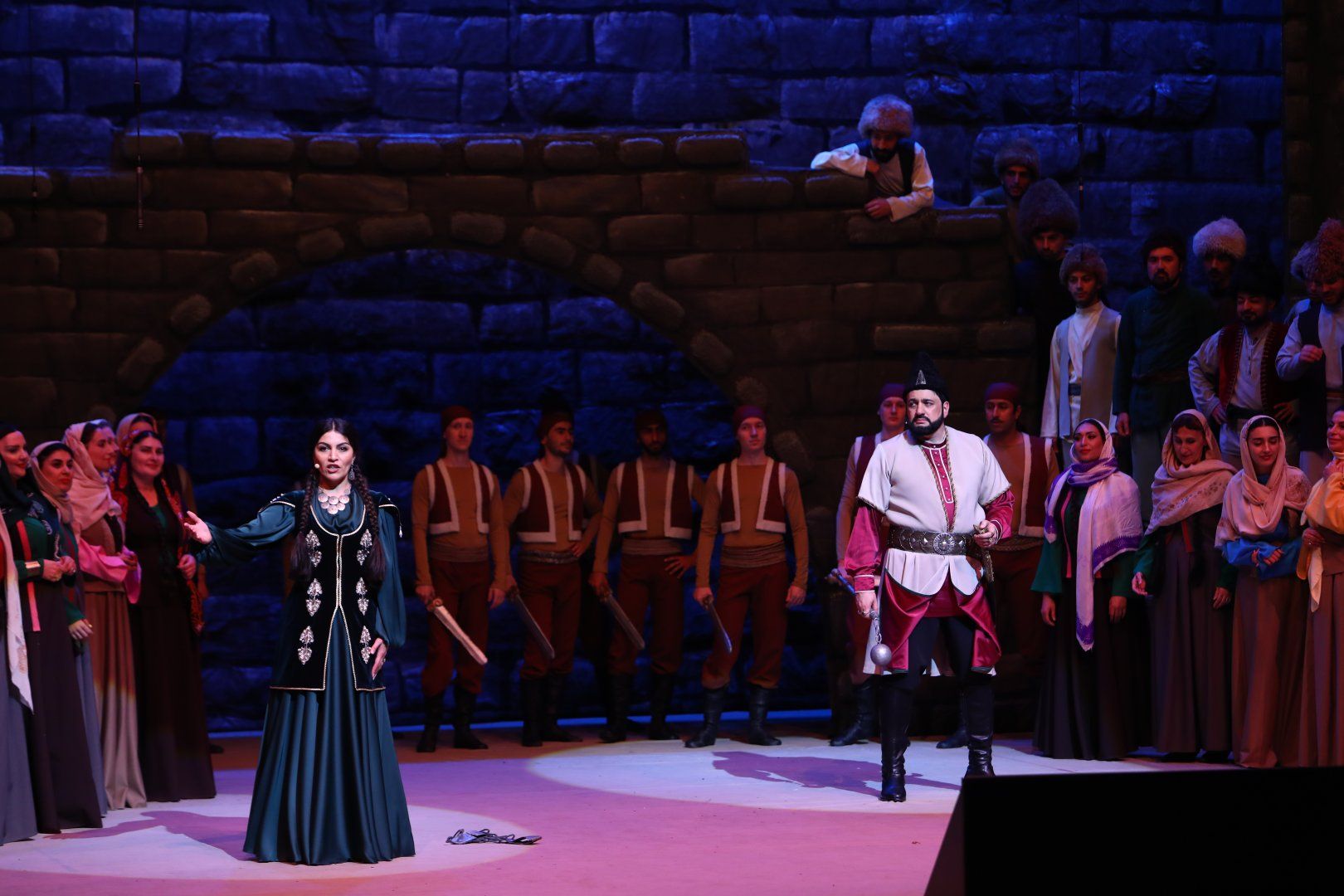
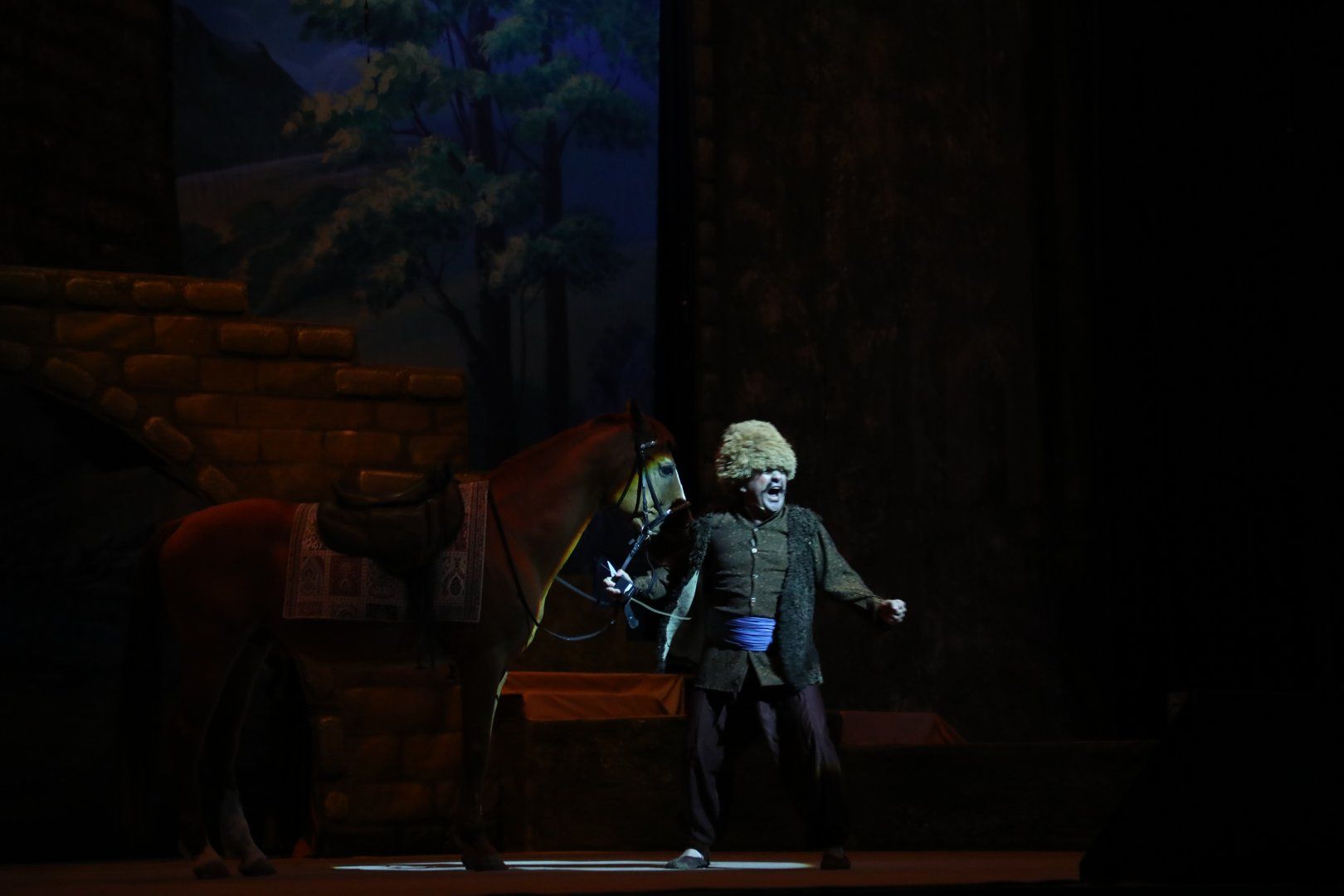
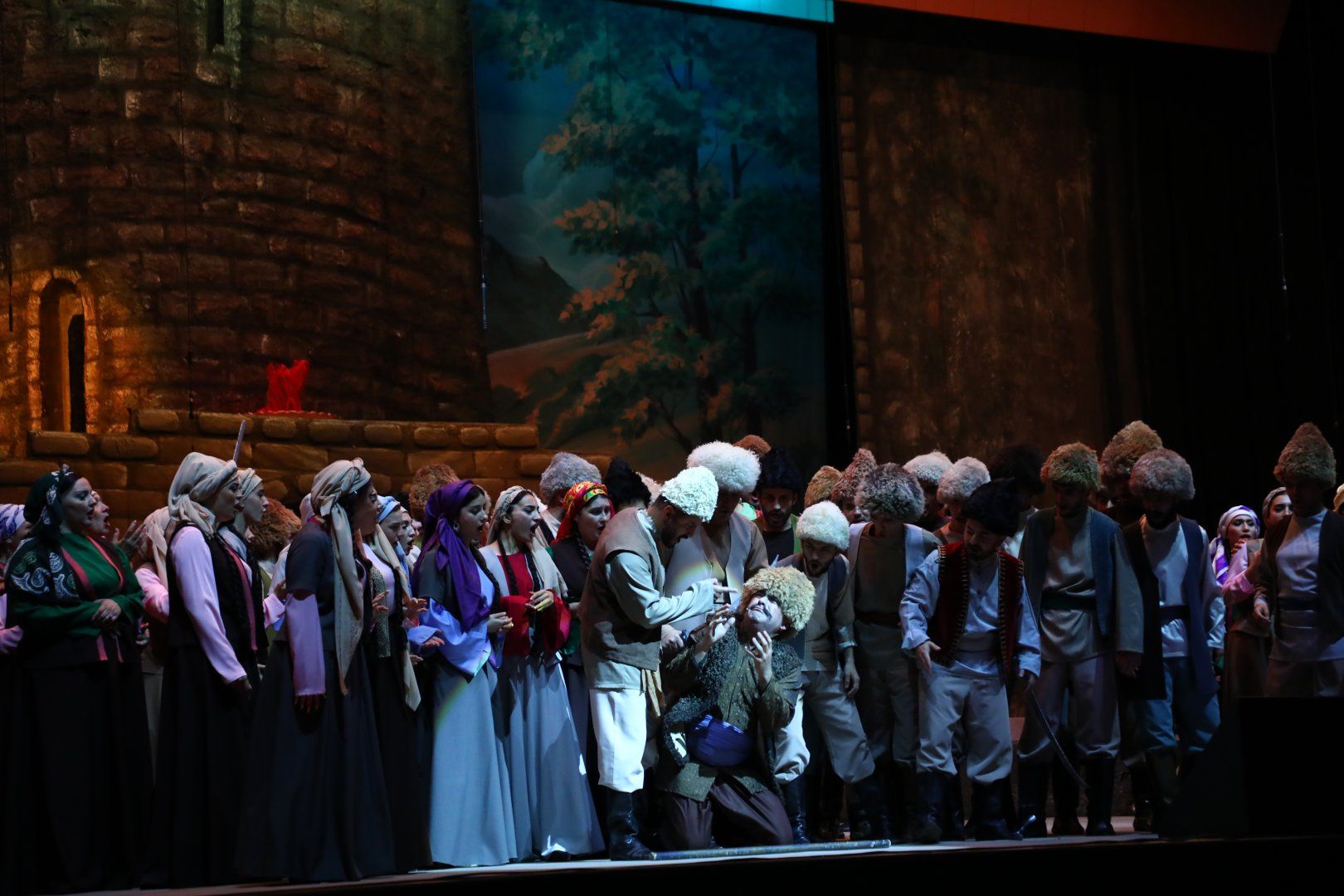
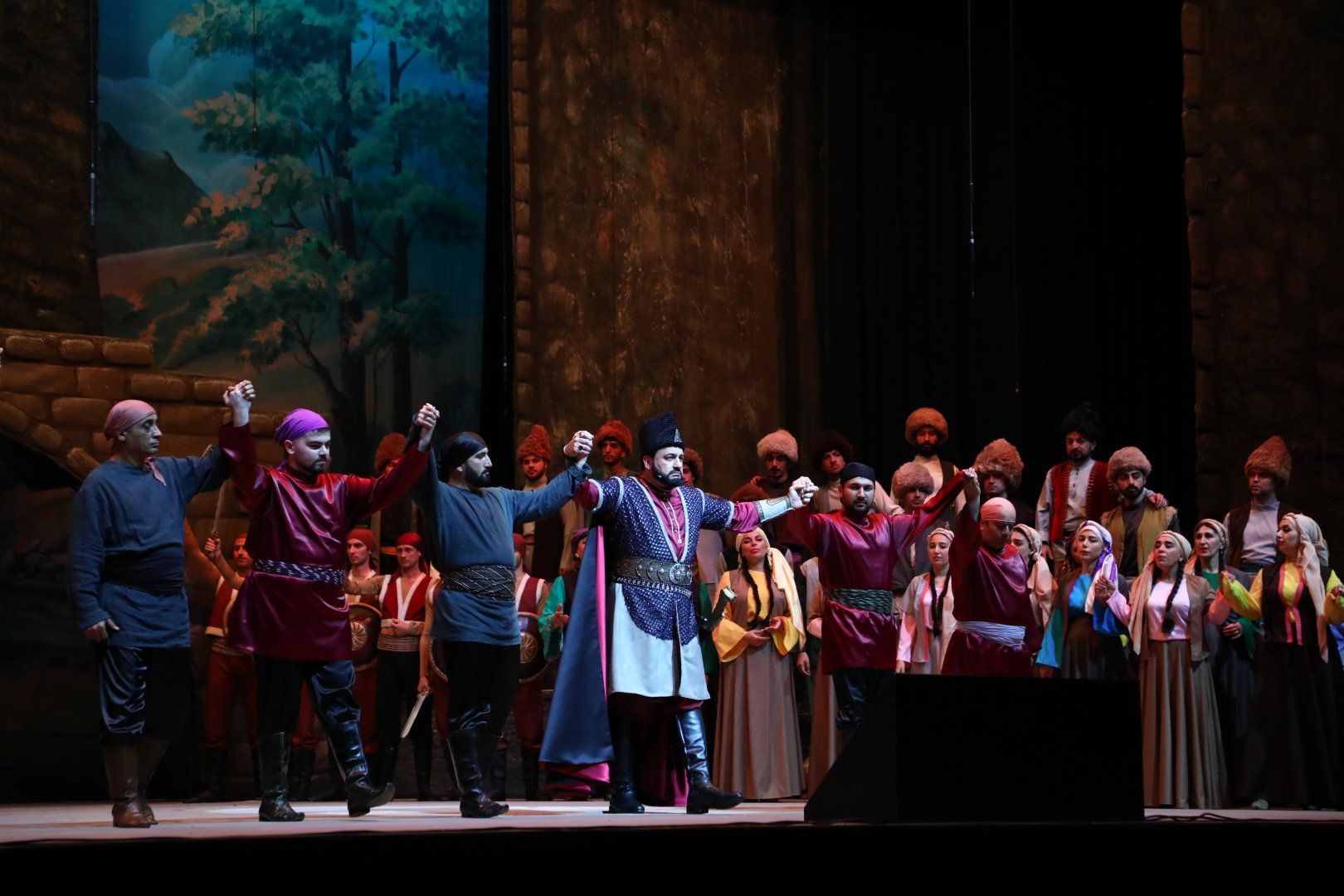
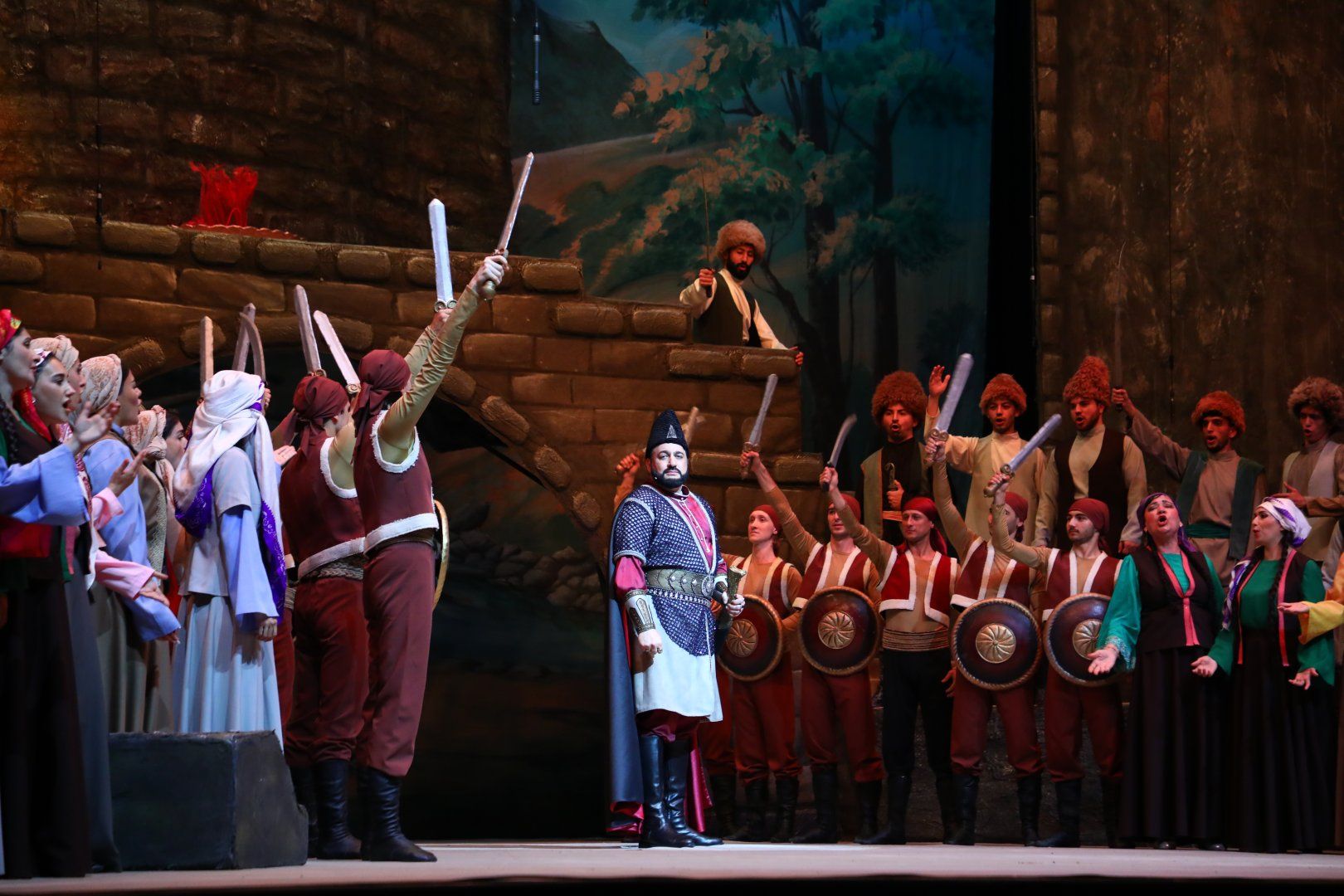
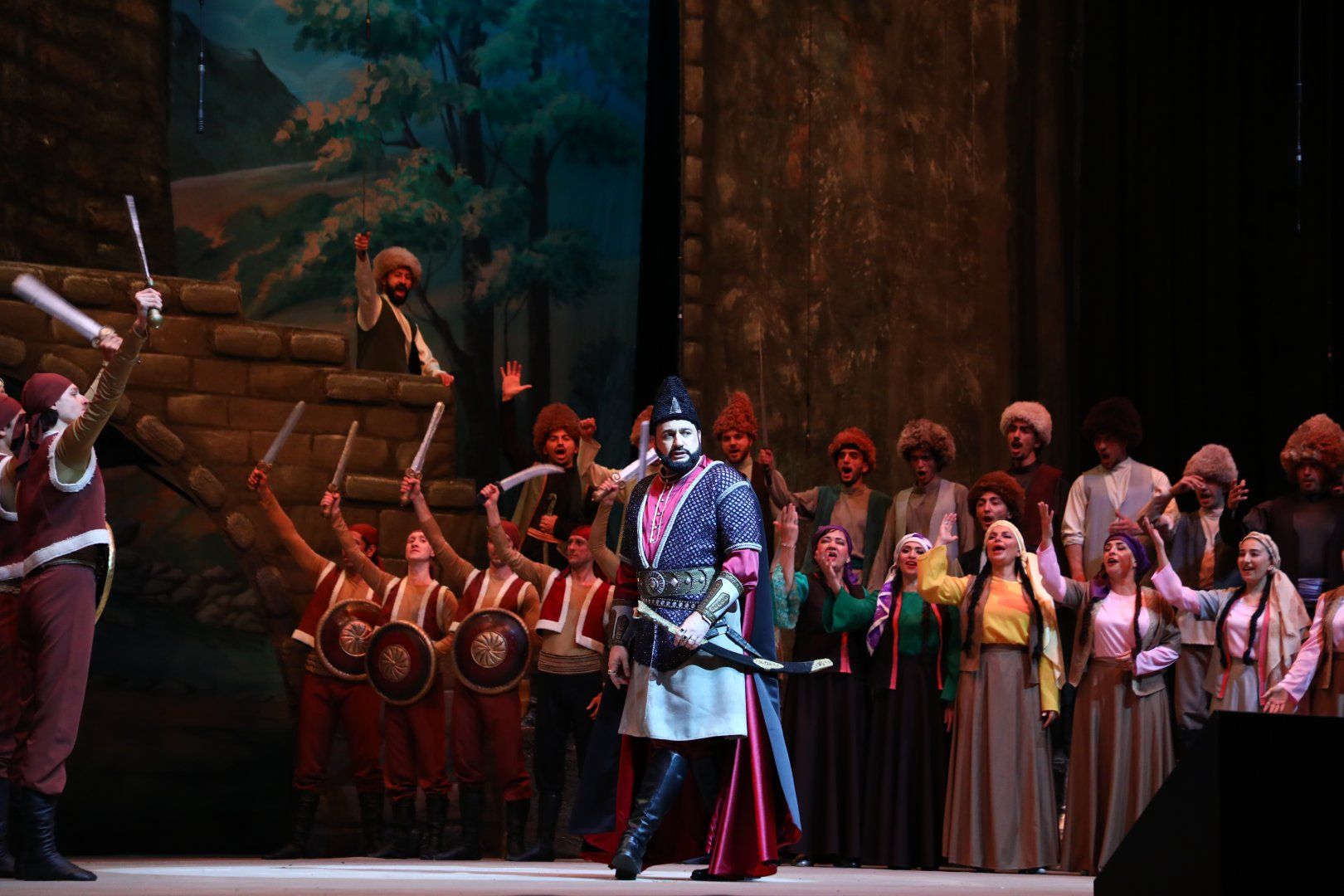
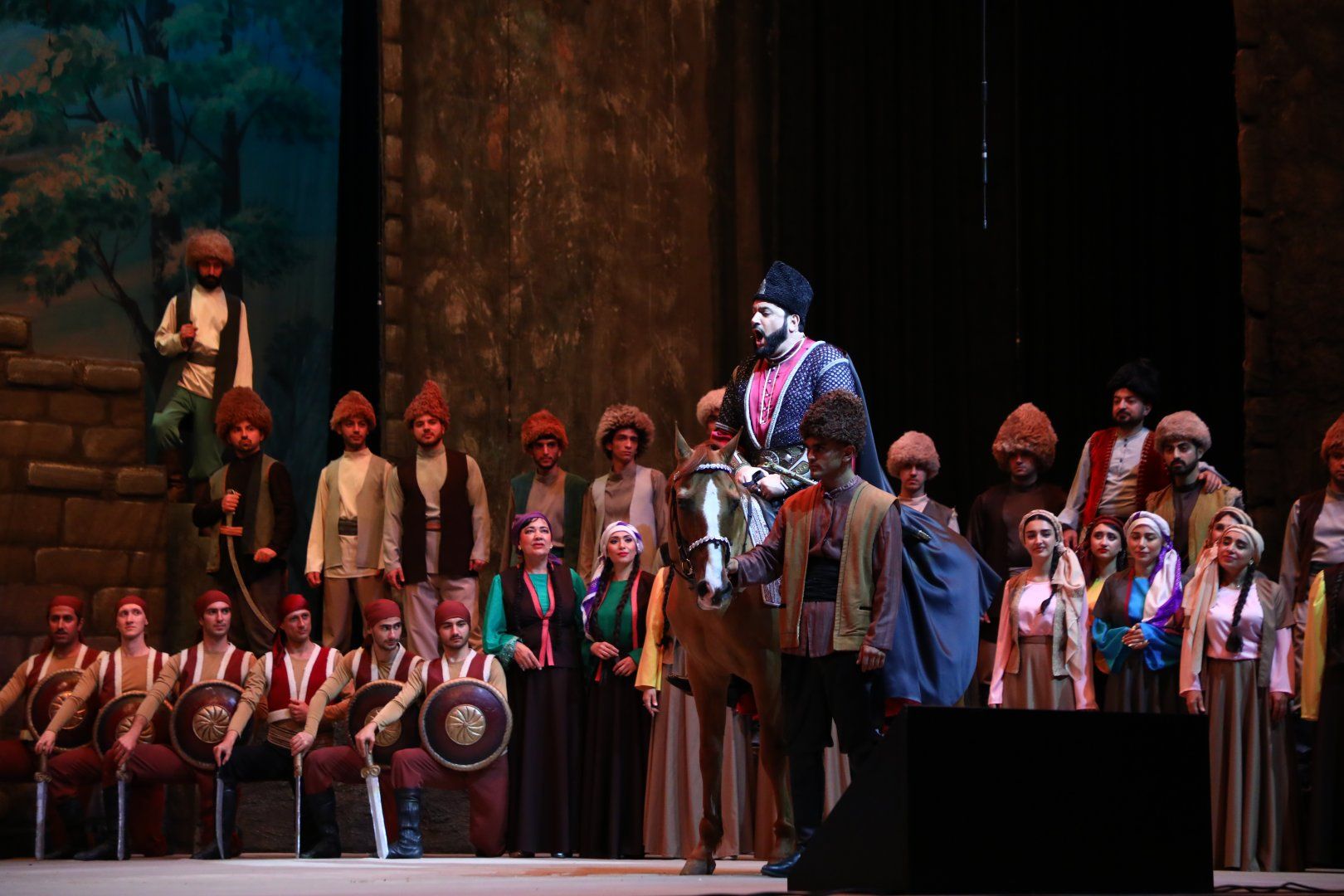
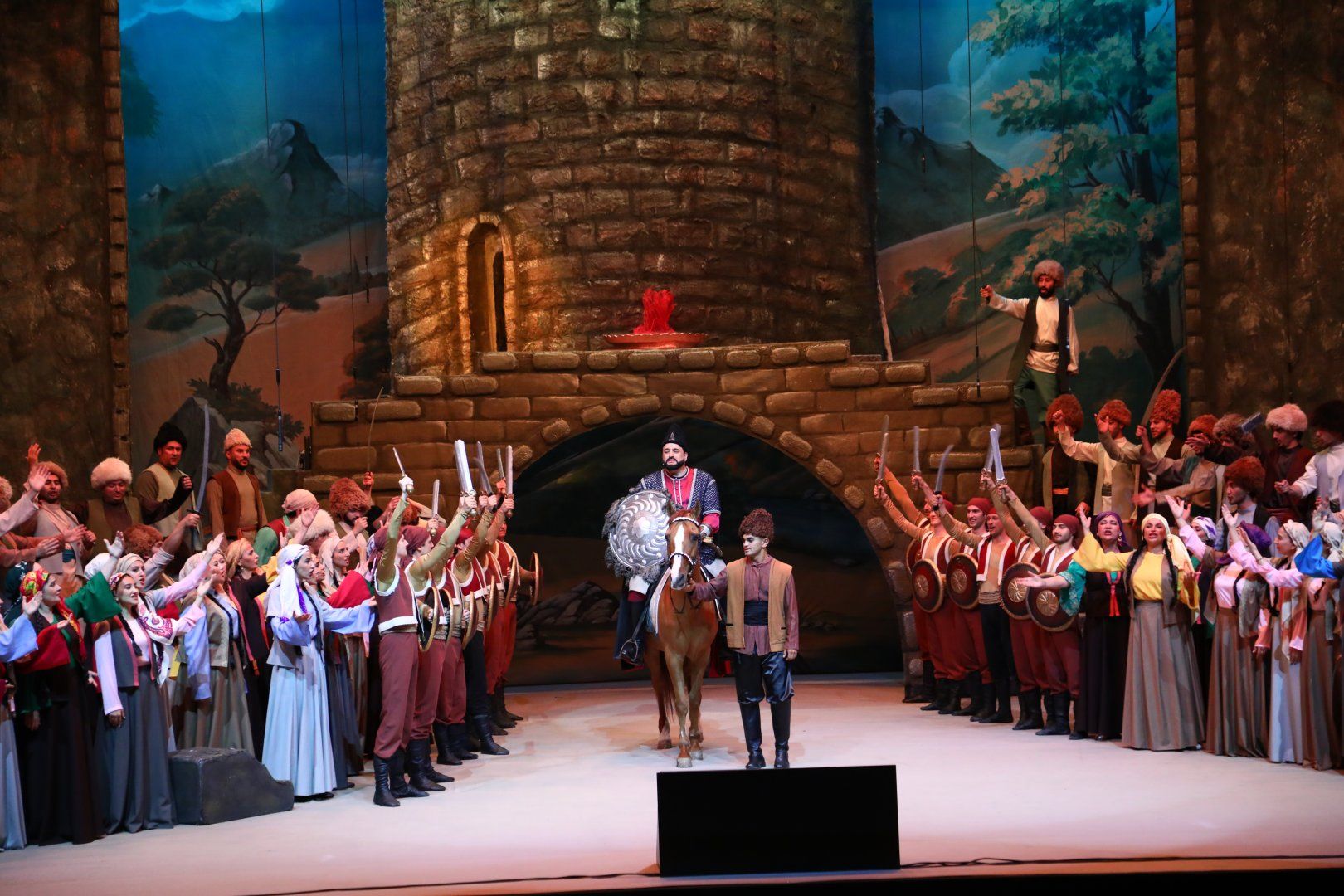
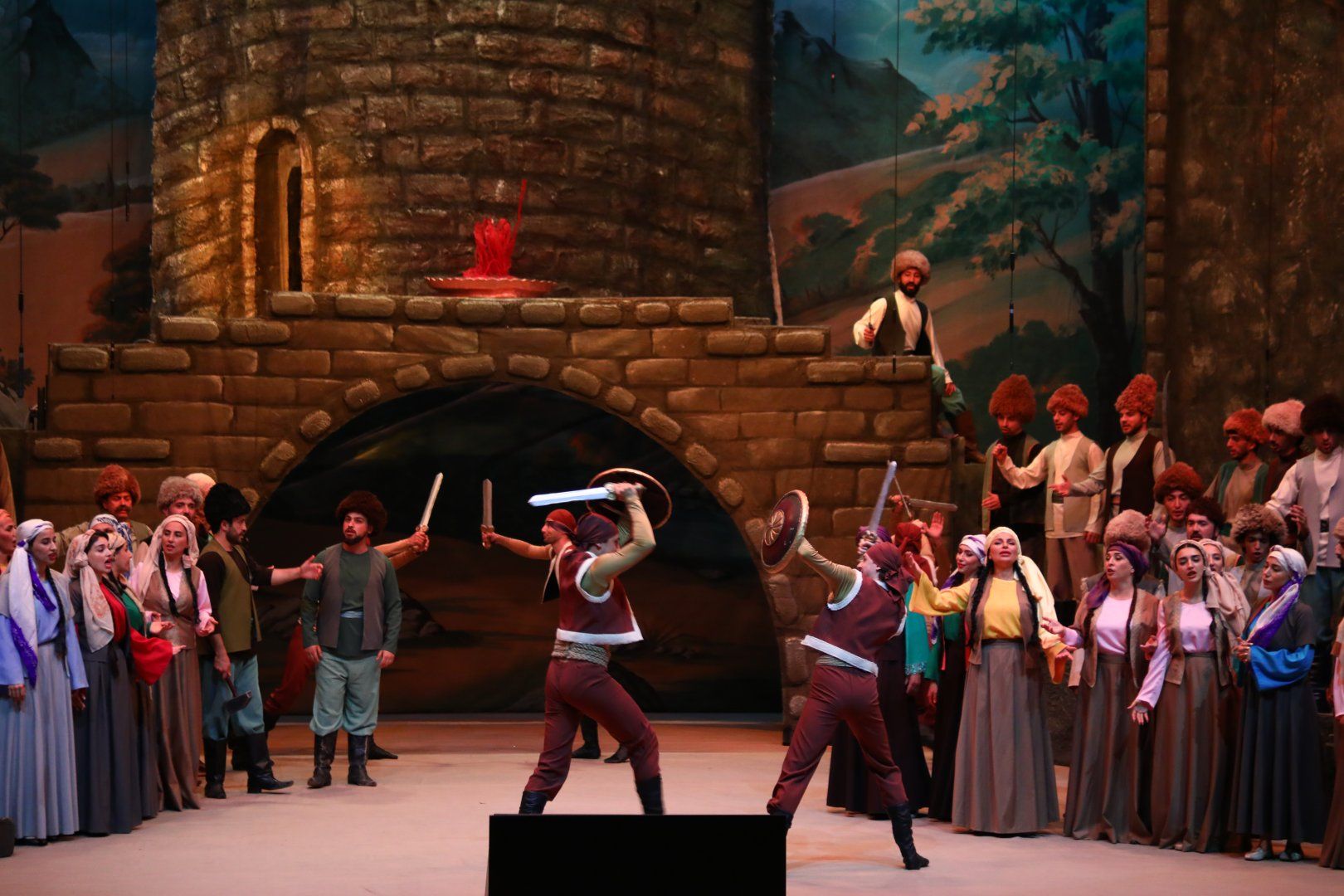
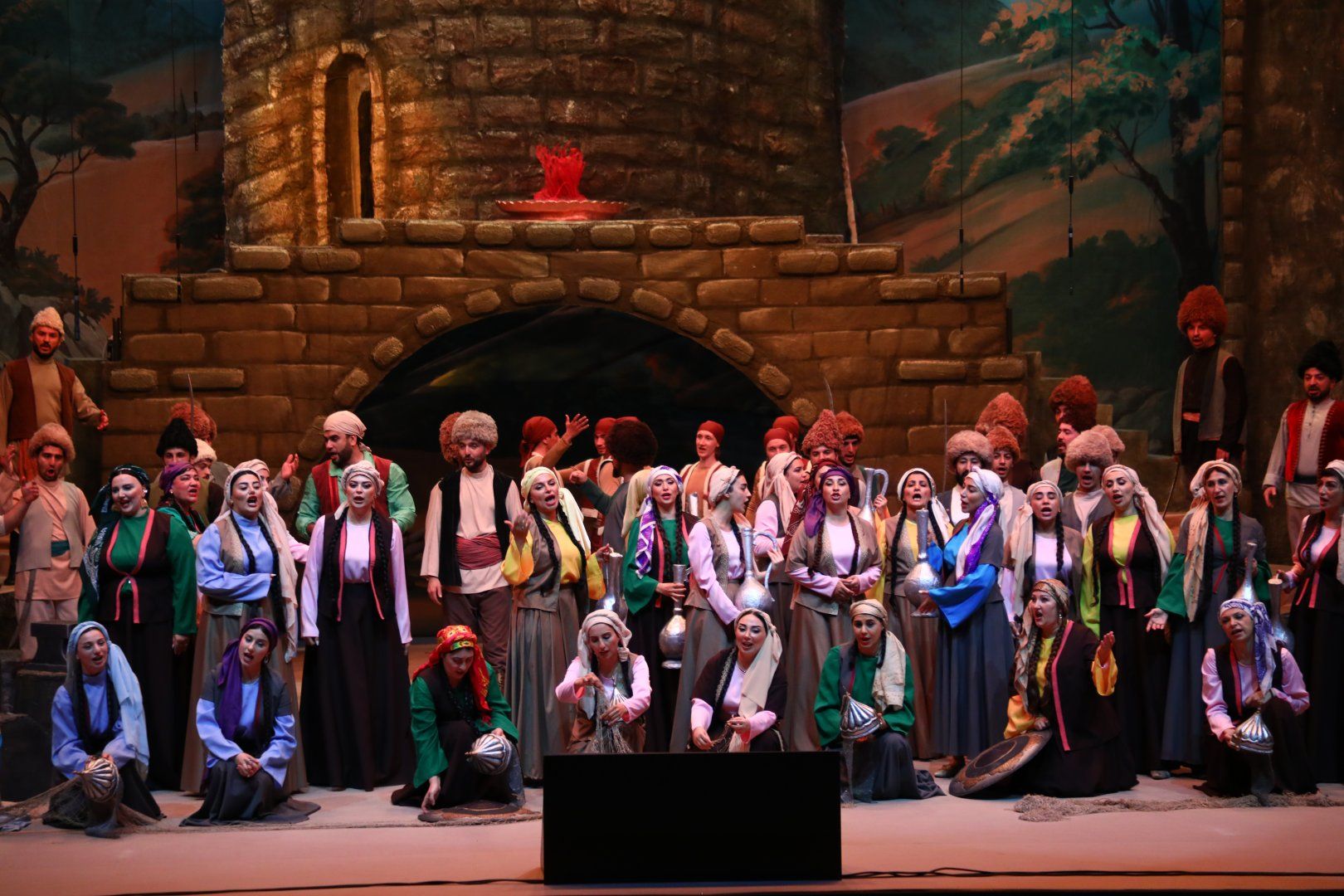
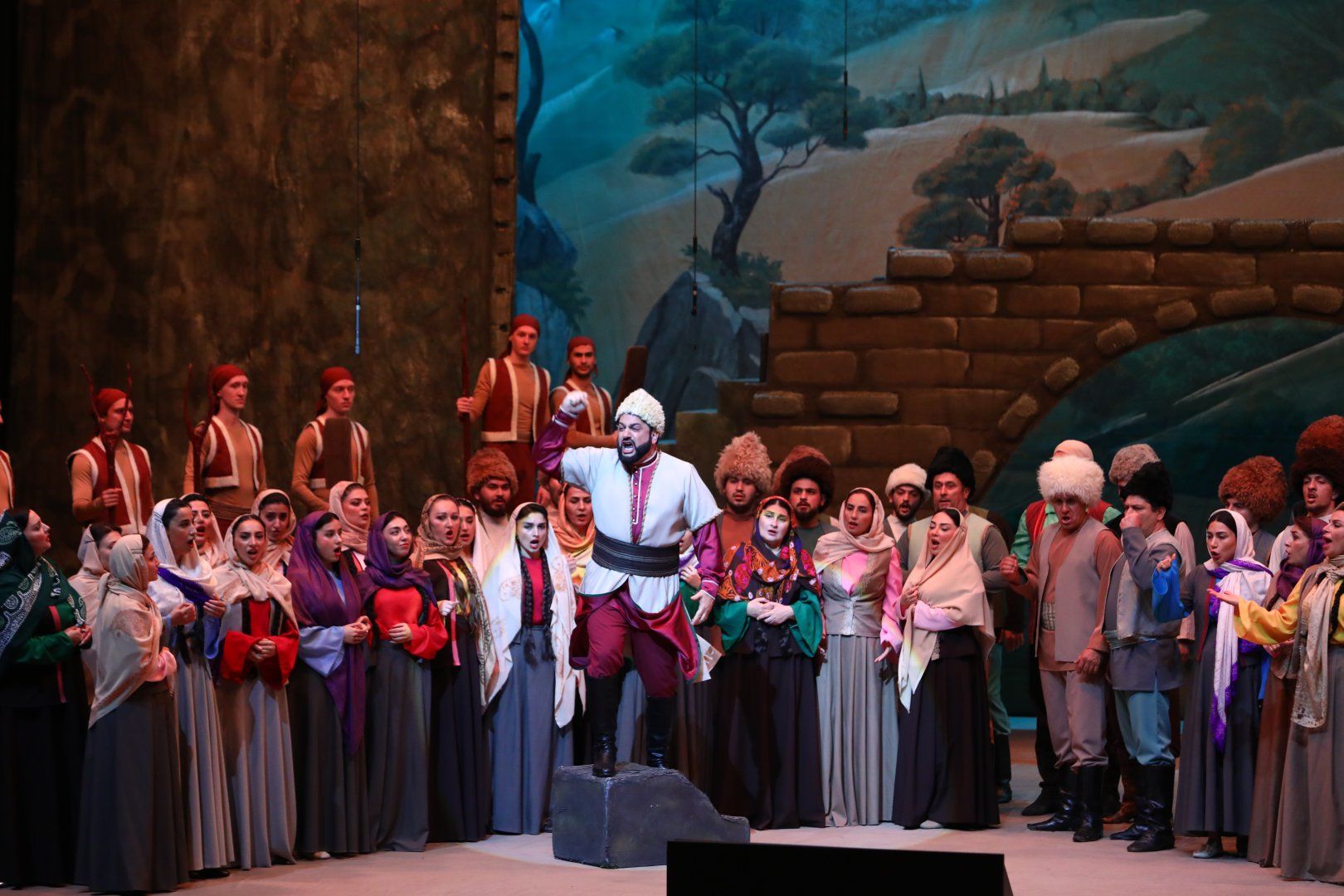
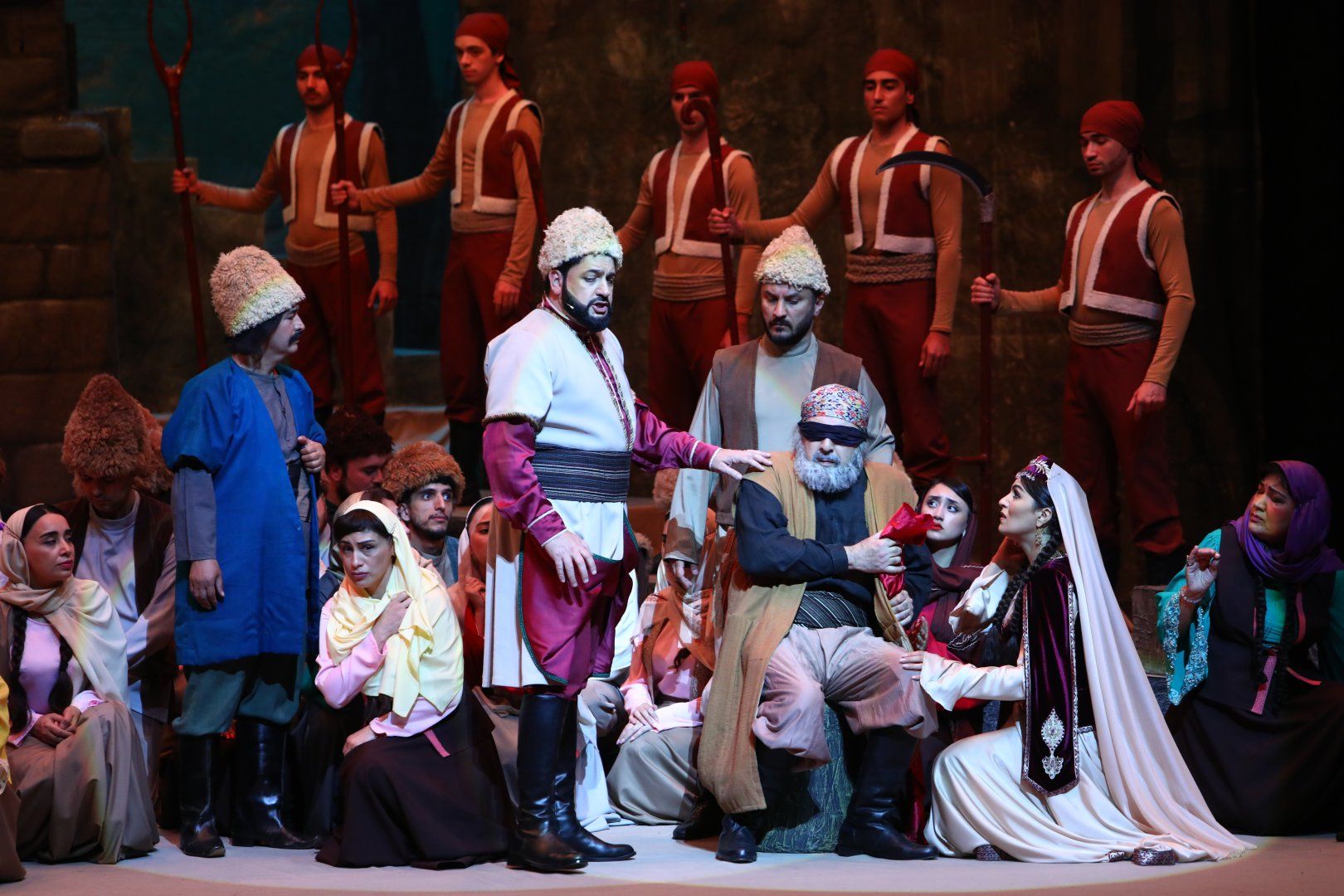
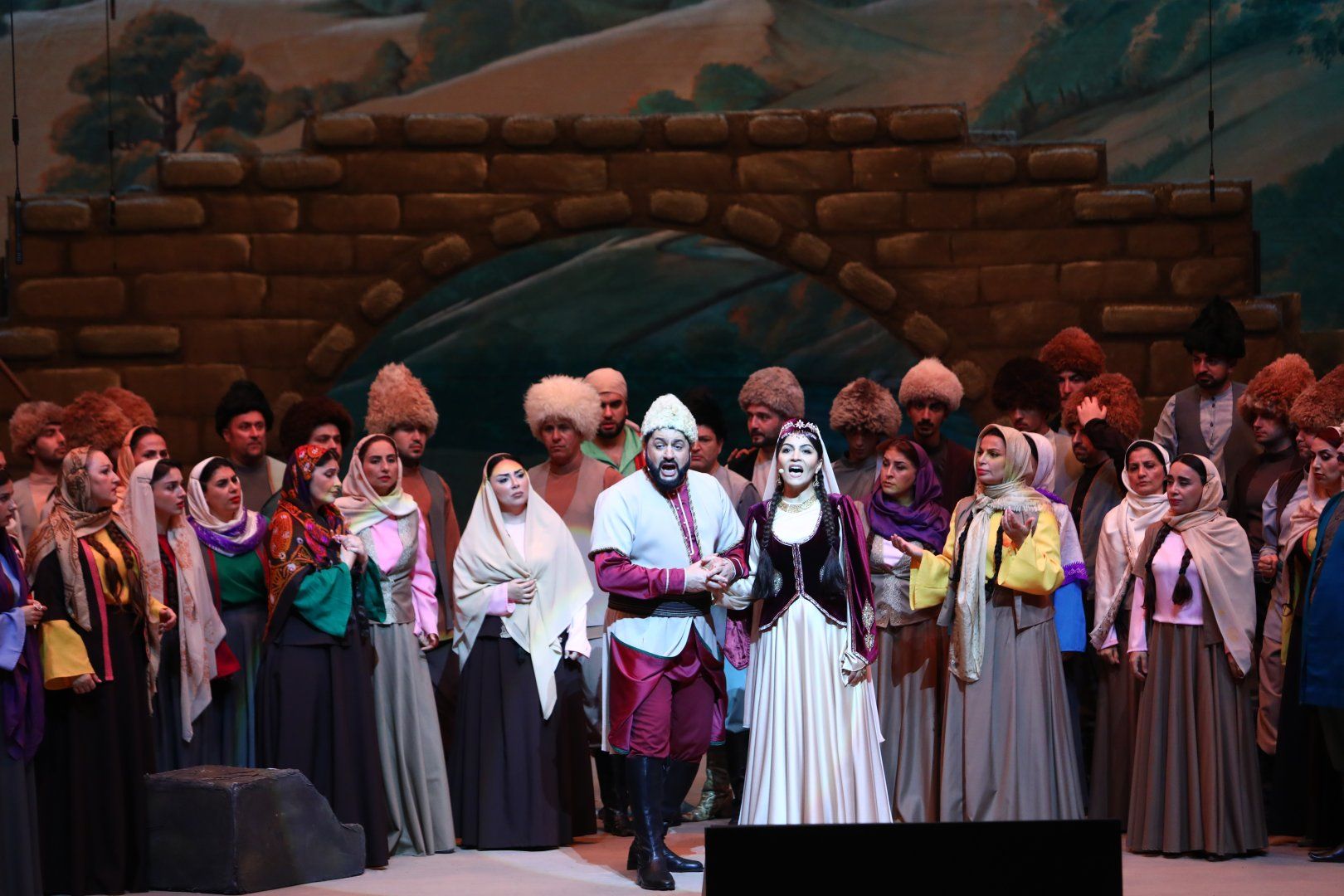
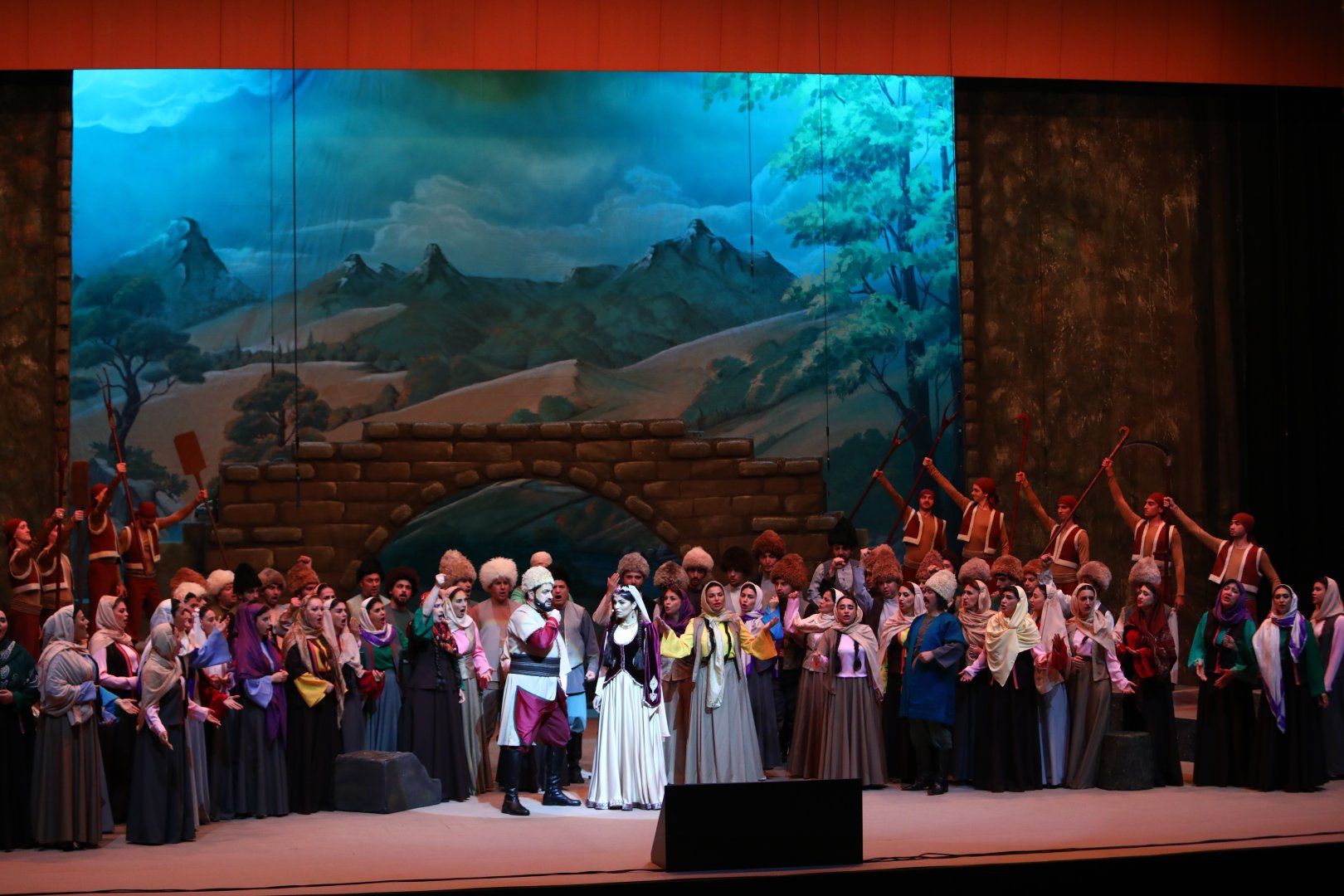
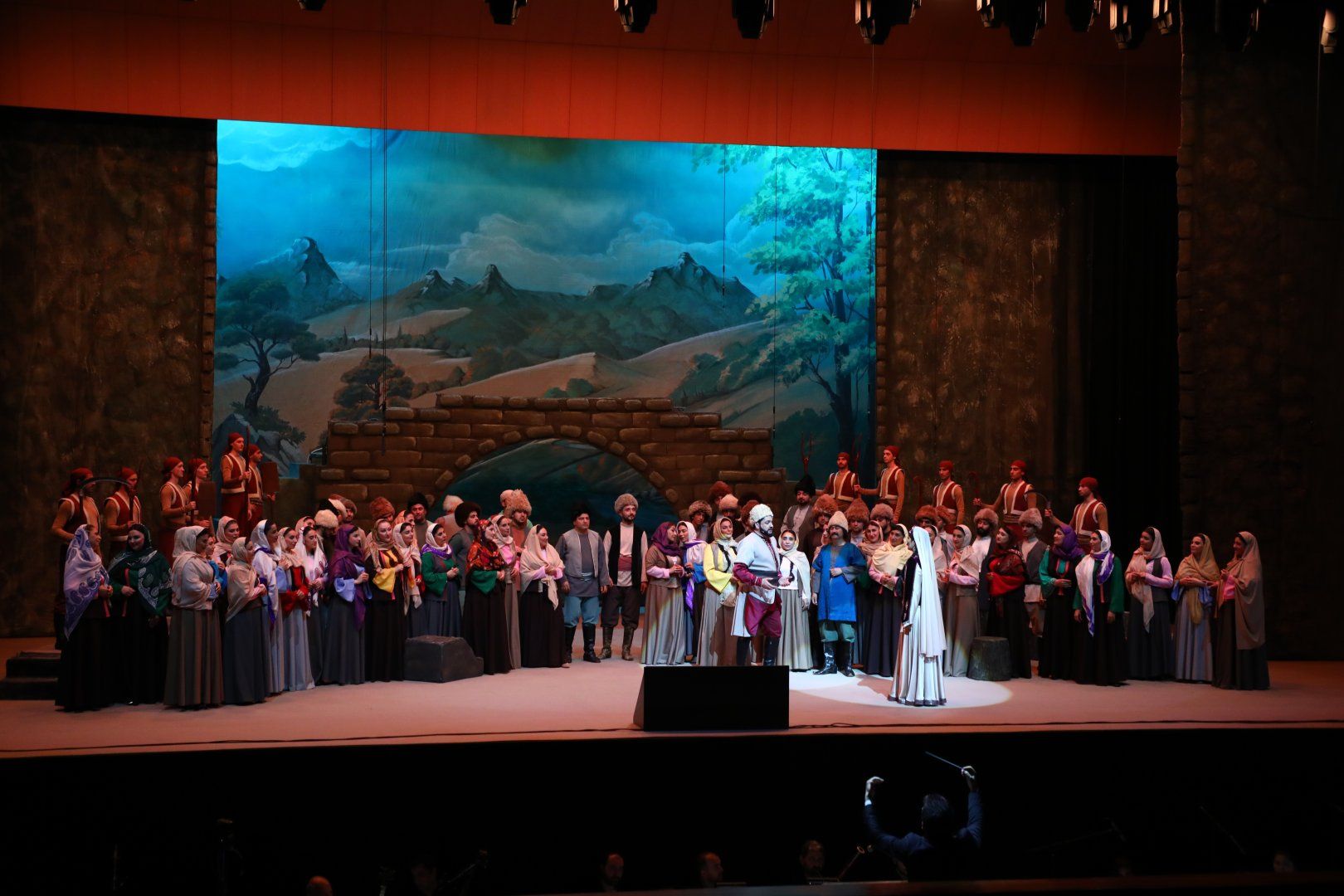
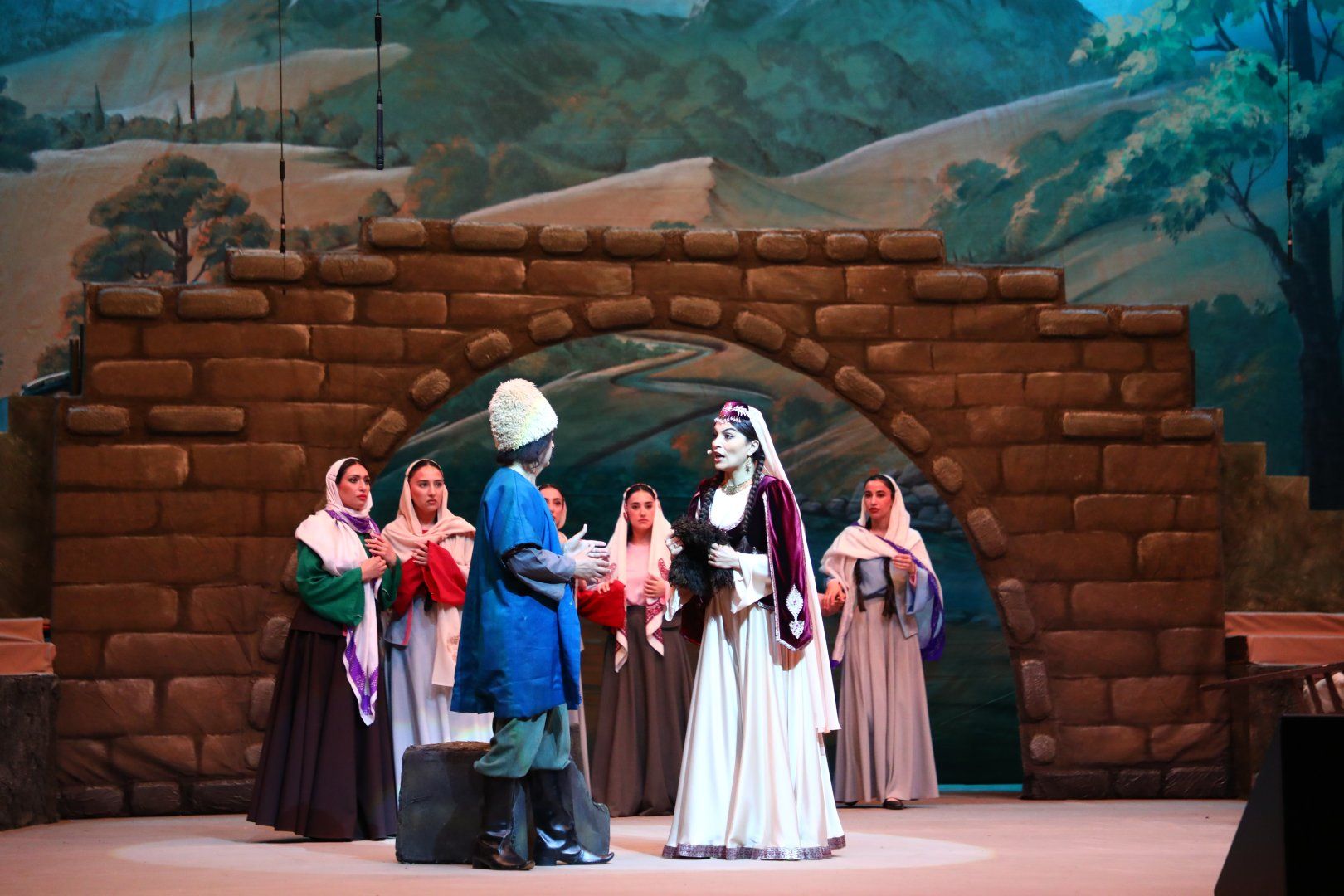
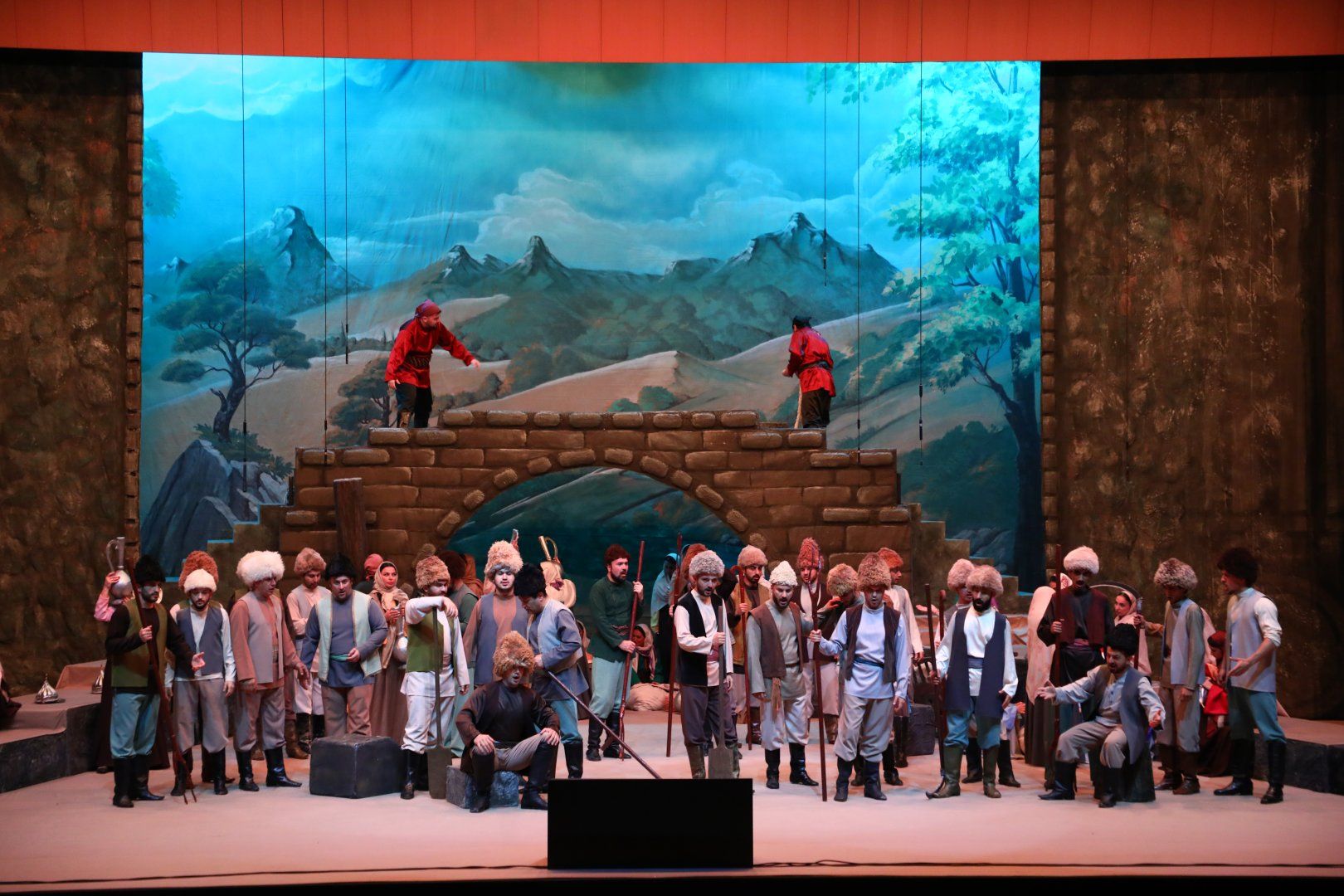
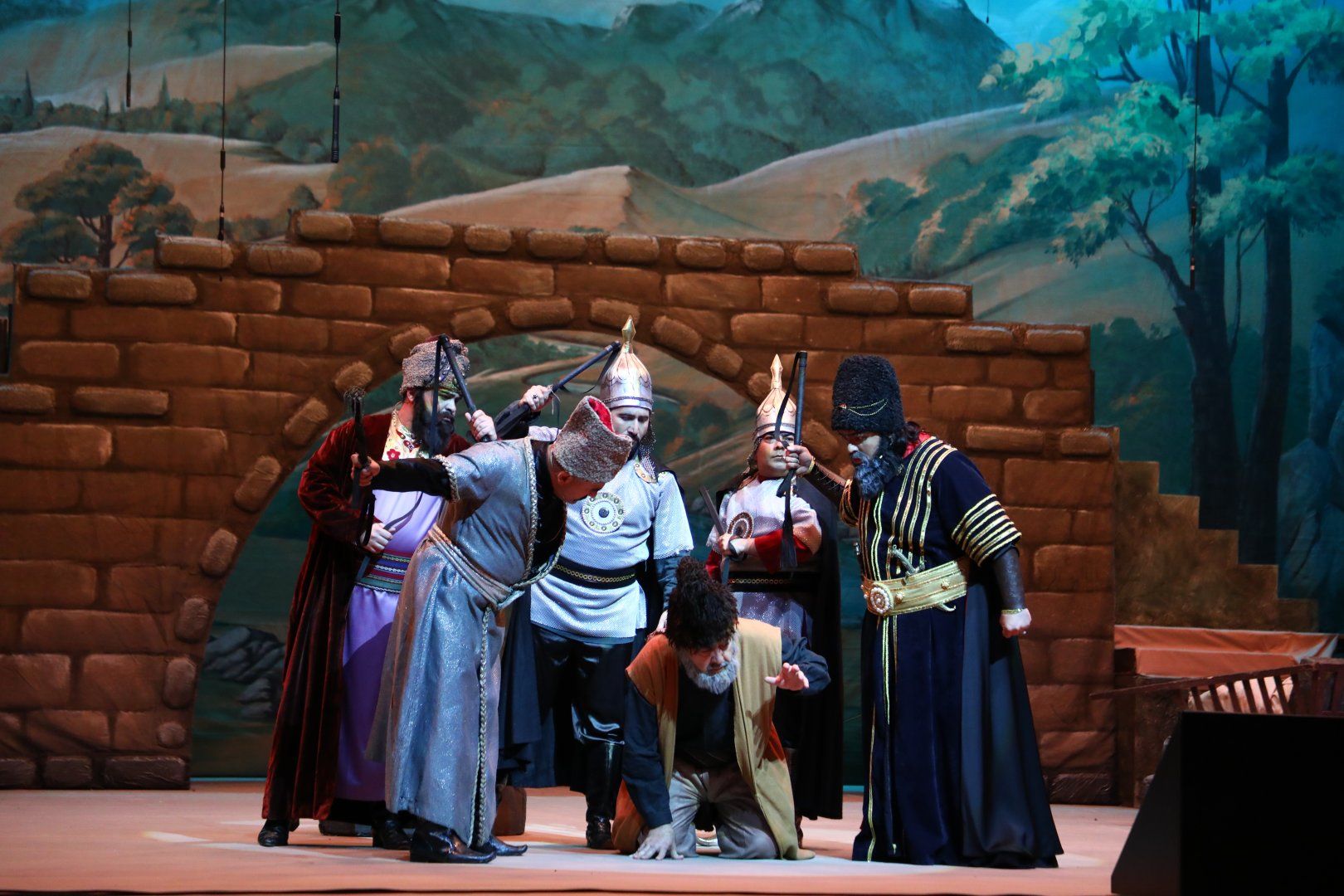
The opening of the festival also made an unforgettable impression. At the Heydar Aliyev Palace, Uzeyir Hajibayli's opera "Koroglu" was presented, performed by the theatre's director, People's Artist of Azerbaijan, Yusif Eyvazov, together with our wonderful symphony orchestra and choir.
When creating the programme, we aimed to present a wide variety of scenes and the broadest possible range of opera art, demonstrating its development and evolution.
This time, we decided to focus on large-scale opera scenes, ensembles, and excerpts from works featuring several soloists performing simultaneously.
Q: The programme brought together completely different eras of opera — from the works of Mozart and Verdi to our national pride, Uzeyir Hajibayli. How did the idea come about to unite such diverse world masterpieces into a single, harmonious musical canvas?
A: The impressions from the concert were truly profound and powerful. First and foremost, this was because we performed the music of the greatest composers in the history of opera. I would like to emphasize that we are speaking specifically about the great opera composers — Wolfgang Amadeus Mozart, Giuseppe Verdi, and Uzeyir Hajibayli.
We approached both the selection of the repertoire and the rehearsal process with great care, dedication, and a strong sense of responsibility. Moreover, all of this work was carried out alongside preparations for the premiere of the opera "Otello," which required tremendous effort from the entire team.
I would like to particularly highlight the role of the chorus. We deliberately included more choral pieces in the programme to make it more diverse and to showcase the richness of the operatic repertoire. For example, while the Gypsy Chorus from "Il Trovatore" is performed quite often, the Chorus of Scottish Prisoners from the opera “Macbeth” is heard extremely rarely.
We also paid special attention to orchestral music. Overtures from the operas of Mozart and Verdi were performed. In particular, we presented the overture to "The Marriage of Figaro," followed by a kind of transition to another, much less frequently performed Mozart opera — "Così fan tutte"(Thus Do All Women).
Before the Chorus of Scottish Prisoners, two wonderful excerpts from Verdi's opera "Nabucco," which I especially love, were performed.
Of course, the programme also included the famous quartet from "Rigoletto", one of the most renowned concert pieces in the global operatic repertoire. It is extremely challenging for performers, and selecting the soloists, especially for the roles of the Duke and Gilda, requires particular attention.
Q: "The Marriage of Figaro" and "Nabucco." As a conductor, what was the most inspiring aspect for you when interpreting these great symphonic scores specifically within the framework of the Opera Days?
A: I have had the opportunity to conduct both of these operas at different theatres.
"The Marriage of Figaro" was the first opera I conducted while I was studying at the postgraduate programme of the Saint Petersburg State Conservatory. It was a very important creative experience for me.
In Baku, I also had the opportunity to work on this production. The performance was staged by Nikolai Vasilyevich Tretyak, a leading director of the National Opera of Ukraine, and was presented as part of the Uzeyir Hajibeyli International Music Festival.
As for the opera "Nabucco," it is rightfully considered one of Giuseppe Verdi's most challenging operas. It contains roles that are beyond the abilities of many opera singers.
This is especially true of the role of Abigaille, one of the most difficult parts in the entire global operatic repertoire. Verdi wrote it for Giuseppina Strepponi, who later became his wife. The role is exceptionally demanding and requires outstanding vocal mastery.
I have read accounts by contemporaries suggesting that after performing this role, Giuseppina Strepponi seriously damaged her voice and was soon forced to end her stage career.
It is difficult to say how accurate this story is in every detail, but it clearly demonstrates just how demanding this role is.
Today, only a very small number of opera singers in the world are capable of performing the role of Abigaille at the highest level.
The role of Zaccaria is no less challenging. The title role of Nabucco itself is also extremely demanding and places significant requirements on the baritone.
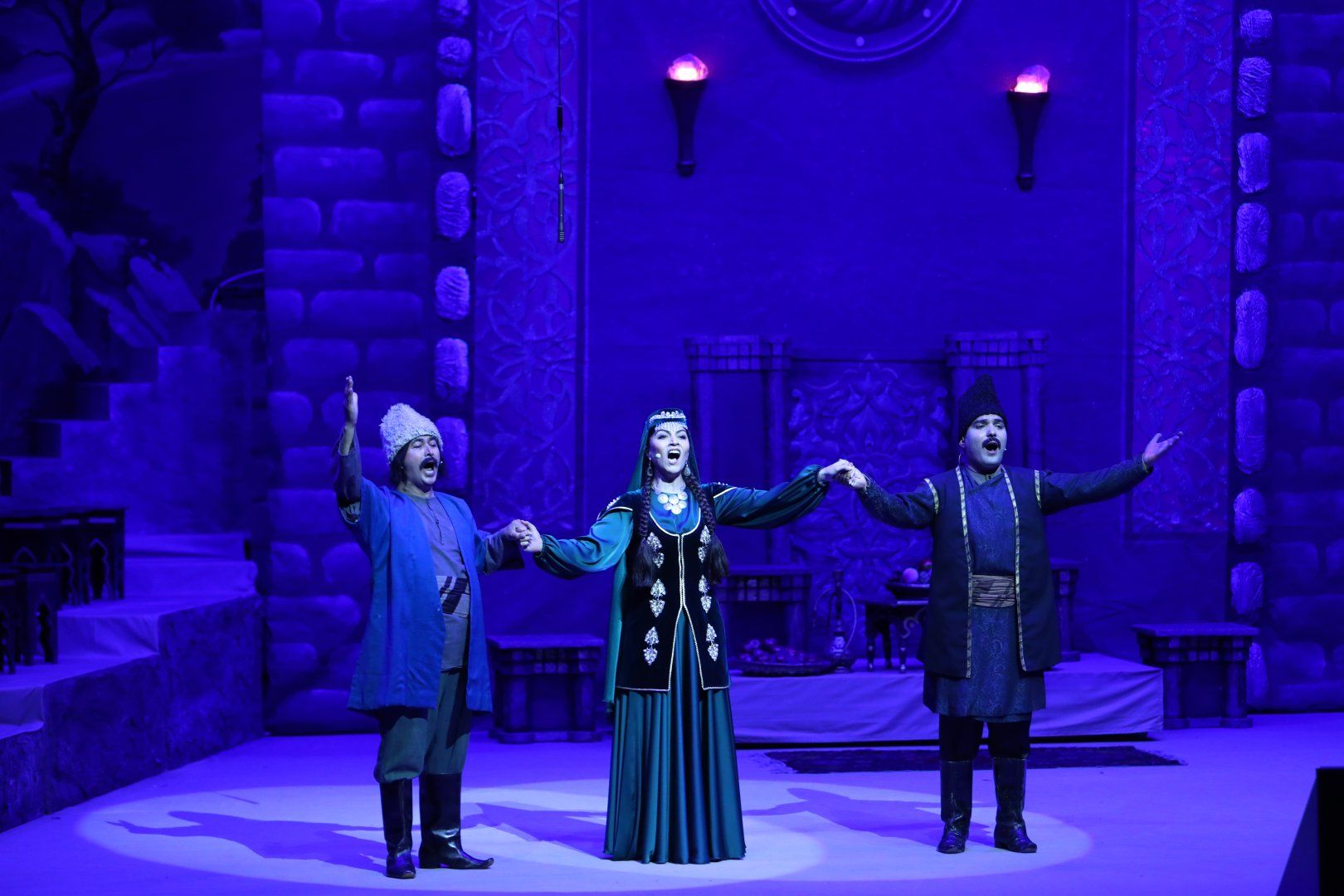
For this concert, we decided to turn to one of the most fascinating excerpts from the opera, the dramatic trio featuring Ismaele, Fenena, and Abigaille.
It is a powerful scene built around a complex love conflict and filled with intense emotions. In my opinion, our soloists handled this challenge brilliantly and convincingly conveyed the full dramatic power of this episode.
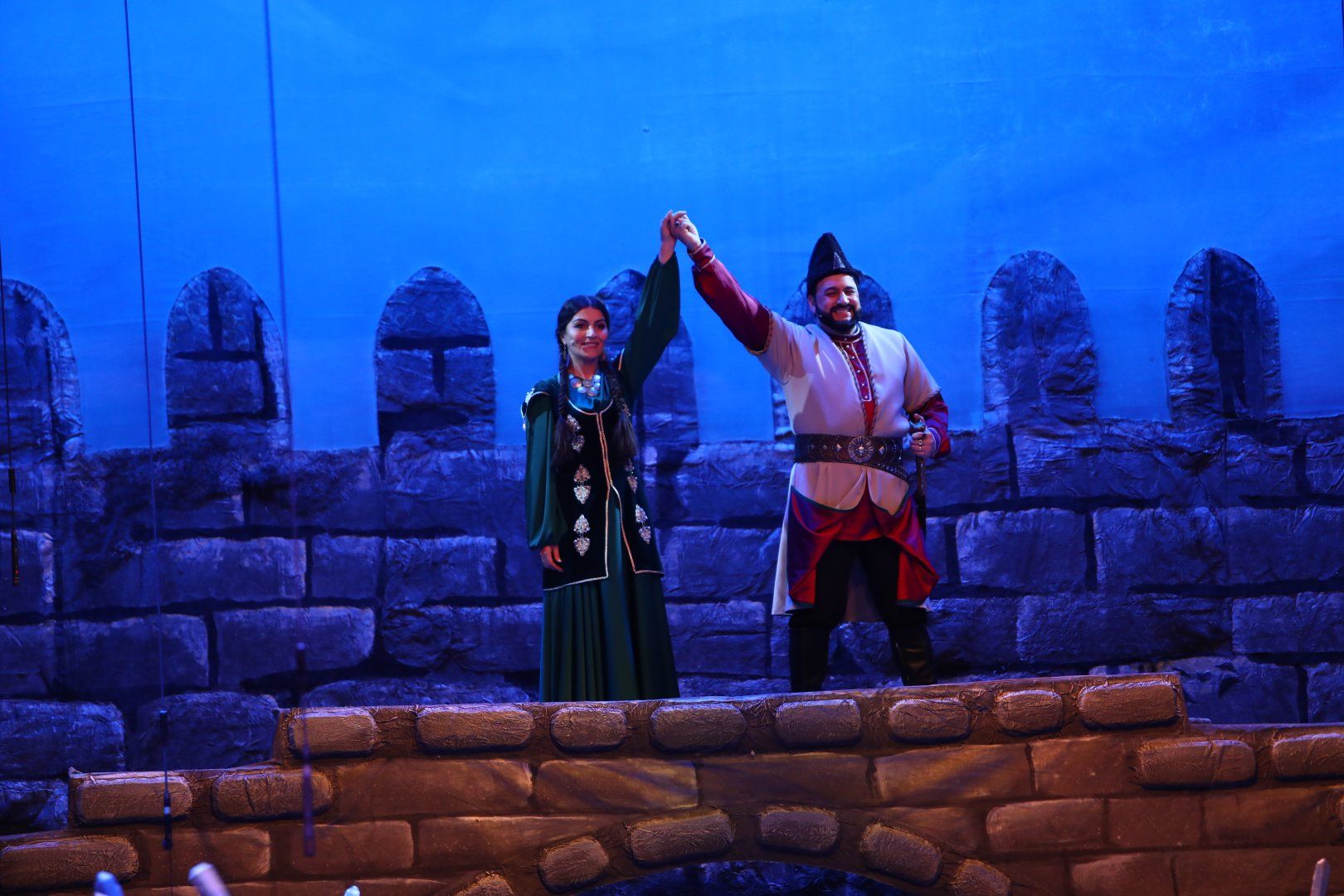
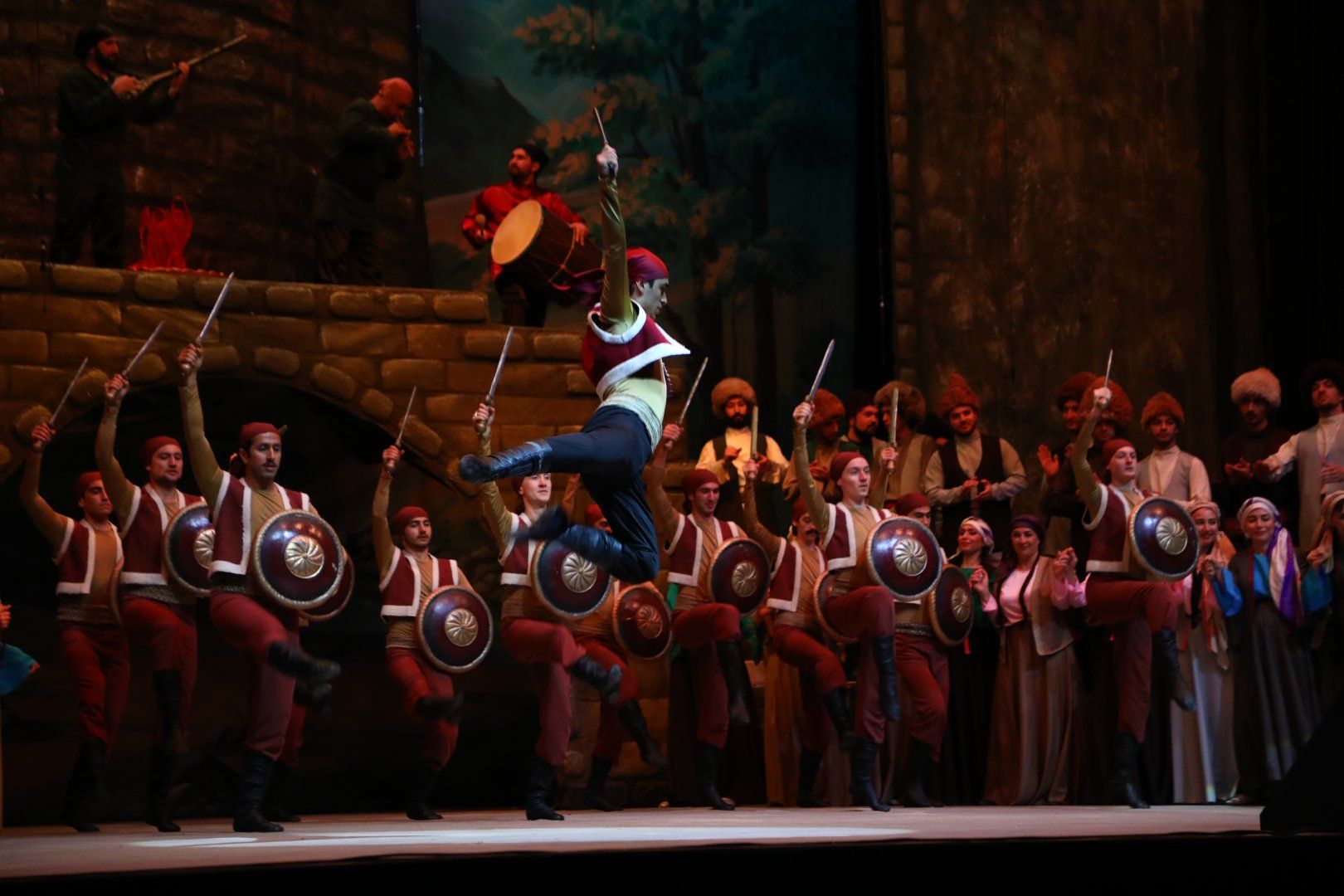
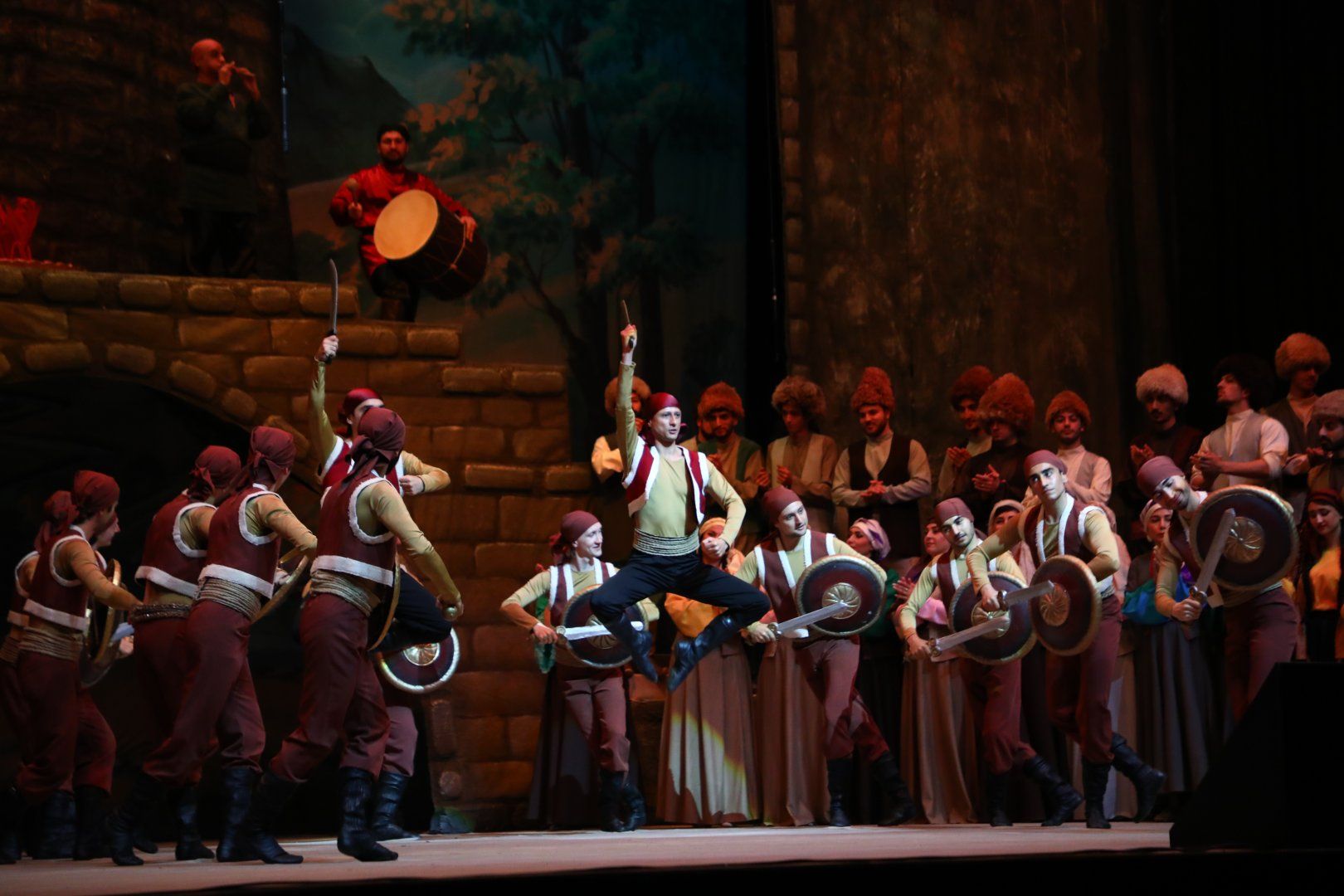
Q: The finale of the concert, featuring a scene from the opera "Koroglu," received a heartfelt ovation from the audience. How symbolic and important was it for you to crown this celebration of world music with this great masterpiece of Azerbaijani classical music?
A: As for "Koroglu," it was only natural that we concluded the programme with the music of the great Azerbaijani composer Uzeyir Hajibayli.
First of all, we could not overlook the legacy of the creator of the first opera in the East and fail to highlight his enormous contribution to the development of world opera. Secondly, I believe that "Koroglu" is not only the pinnacle of Uzeyir Hajibayli's compositional heritage, but also a true jewel of Azerbaijani and world opera culture.
When we speak about the contribution of composers from different countries to the development of the global opera genre, Azerbaijan undoubtedly holds a distinguished place among them.
We have a vast heritage, including the works of Muslim Magomayev, Gara Garayev, Arif Melikov, Fikrat Amirov, and many other outstanding composers. This legacy continues to expand with contemporary works as well, including such notable operas as Vasif Adigozalov's "Natavan," Frangiz Ali-Zadeh's "Intizar", and other significant works.
I am confident that Azerbaijani opera will continue to develop, and that new works will undoubtedly earn their rightful place in the history of musical art.
Q: The "Opera Days" project makes a significant contribution to the development and promotion of classical music. In your opinion, how do such concerts help preserve the unbroken connection between generations and pass on our rich cultural heritage?
A: Well-designed concert programmes can truly help demonstrate the evolution of art, tracing where it all began and how it has developed over time.
There are many composers whose works I would like to explore in the future. Each of them represents a distinct era and a unique stage in the development of musical art.
At this stage, one of our main objectives is the revival of rarely performed Azerbaijani operas. We are working on new editions of works that have remained forgotten for many years, even though they are an essential part of our national cultural heritage.
Azerbaijan possesses a vast and rich musical legacy. We are studying archives, restoring old scores, rediscovering the works of our composers, and realizing once again how unique and significant the compositions created in our country truly are.
At the same time, we cannot ignore the legacy of European composers, as it forms the foundation of world opera culture.
We will continue to strive to introduce our audiences to outstanding works of both world and Azerbaijani opera.
I believe that the Opera Days, in this regard, represent a truly unique creative laboratory, a space for development, discovery, new interpretations, new performances, and innovative artistic solutions.
Here we are to serve you with news right now. It does not cost much, but worth your attention.
Choose to support open, independent, quality journalism and subscribe on a monthly basis.
By subscribing to our online newspaper, you can have full digital access to all news, analysis, and much more.
You can also follow AzerNEWS on Twitter @AzerNewsAz or Facebook @AzerNewsNewspaper
Thank you!