
How NATO Summit in Ankara redefines Ukraine's role in European security

Qabil Ashirov
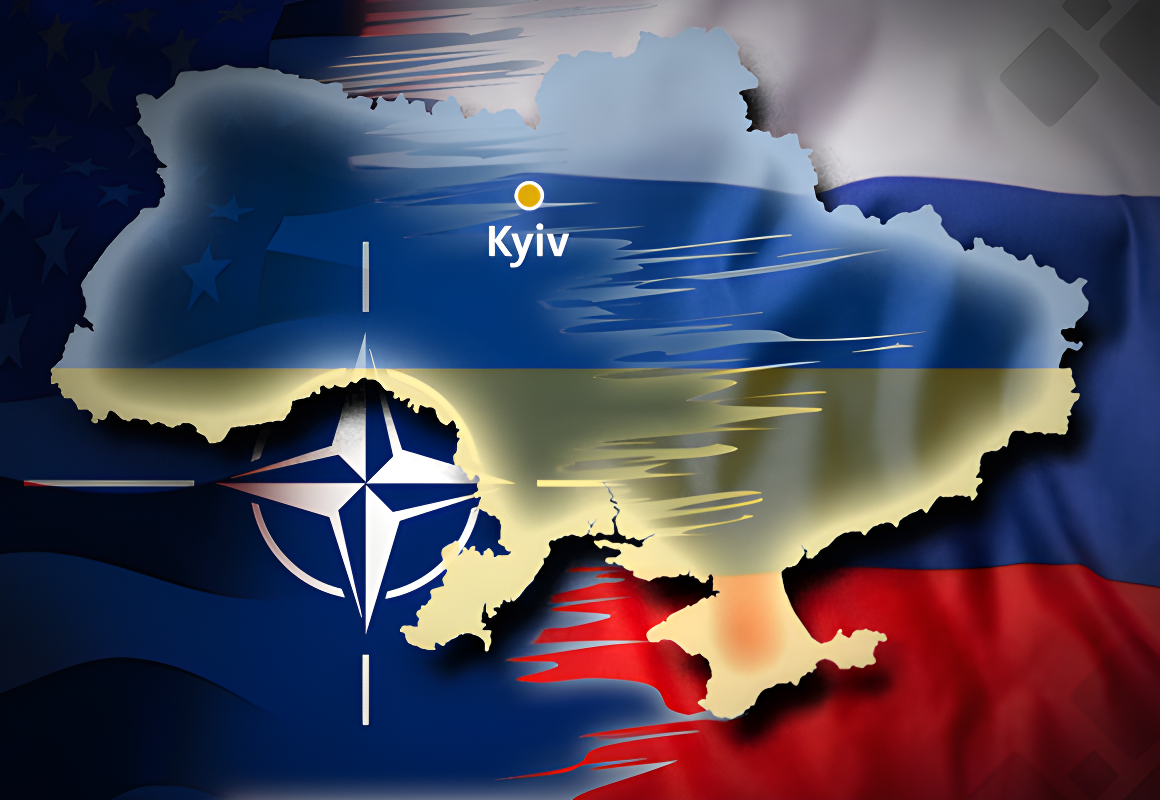
Read moreThe 36th NATO Summit in Ankara marks a fundamental paradigm shift in the geopolitical architecture of the Euro-Atlantic alliance, one that moves past the predictable rhetoric of transatlantic solidarity to address a messy, multi-polar reality. While mainstream commentary remains hyper-focused on the high-stakes bilateral diplomacy playing out in the corridors of the Presidential Complex, the true structural evolution of this summit lies embedded within the text of its declarations. By formally recognising Ukraine not merely as a passive recipient of Western military bounty, but as a proactive "contributor" to the collective security of the alliance, NATO has quietly upended the traditional dynamics of donor-recipient relations. This linguistic and political pivot represents a profound realisation within Western capitals that the battlefield in Eastern Europe has ceased to be a one-way street of logistical support; instead, it has transformed into a critical laboratory of modern warfare where the future of industrial defence is actively being rewritten.
For over four years, the prevailing international narrative positioned Ukraine as an existential dependent, relying entirely on the financial oxygen and stockpiled hardware of wealthier Western benefactors. However, the sheer duration and technological evolution of the conflict have forced a domestic industrial revolution within Ukraine that now outpaces the sluggish bureaucratic apparatus of traditional NATO defence contractors. Today, Ukraine boasts a highly adaptive domestic military-industrial complex capable of producing millions of low-cost first-person-view drones, sophisticated naval strike craft, and indigenous electronic warfare systems. While Western armies remain tethered to prolonged, capital-intensive procurement cycles for legacy platforms, Ukrainian mended engineers are testing, refining, and deploying digital battlefield innovations in real-time. By designating Ukraine a strategic contributor, NATO is acknowledging that the alliance is no longer just subsidising Kyiv’s survival; it is actively absorbing vital operational doctrines, technological intellectual property, and electronic combat data that it desperately needs to modernise its own ageing deterrence capabilities.
The implementation of mechanisms like the Prioritised Ukraine Requirements List signals an era where Ukraine dictates its operational necessities while European capital finances the scaling of joint manufacturing ventures inside Ukrainian territory. Industrial giants from Germany and Türkiye are no longer just shipping surplus crates across the border; they are building manufacturing hubs within Ukraine to leverage local engineering talent and battle-tested expertise. In this decentralised production ecosystem, Ukraine operates less like an applicant knocking at NATO’s door and more like an indispensable regional hub for the continent's broader defence-industrial base.
The political implications of this status upgrade are particularly resonant given the location of this year's historic gathering. Türkiye has long championed a fiercely independent foreign policy within NATO, explicitly prioritising the development of its own domestic defence sector and maintaining robust, co-dependent aerospace and naval partnerships with Ukraine. The formalisation of Kyiv's role as a net contributor in Ankara underscores a growing continental preference for pragmatic, production-oriented alliances over rigid institutional memberships. This new status provides Ukraine with an invaluable diplomatic anchor. While full Article 5 security guarantees remain structurally unfeasible due to a lack of immediate consensus among all thirty-two members, the realisation of a massive, multi-year funding envelope combined with a recognised contributor status effectively creates a framework of institutional integration without formal accession.
Ultimately, this summit redefines the terms of engagement between Kyiv and the West ahead of any future diplomatic settlements. By cementing Ukraine's role as a net provider of security, technological innovation, and tactical expertise, the alliance acknowledges that European stability is structurally impossible without the active integration of Ukrainian military power. When the dust finally settles on the Ankara summit, the enduring takeaway will not be the diplomatic posturing or the carefully managed press conferences, but the reality that the balance of strategic leverage has irrevocably shifted. Ukraine is no longer merely fighting to be saved by the West; it has become an essential pillar upon which the future safety of the West must inevitably be built.
Here we are to serve you with news right now. It does not cost much, but worth your attention.
Choose to support open, independent, quality journalism and subscribe on a monthly basis.
By subscribing to our online newspaper, you can have full digital access to all news, analysis, and much more.
You can also follow AzerNEWS on Twitter @AzerNewsAz or Facebook @AzerNewsNewspaper
Thank you!