
GECF warns geopolitical disruptions are becoming “new norm” for global energy markets

Ulviyya Poladova
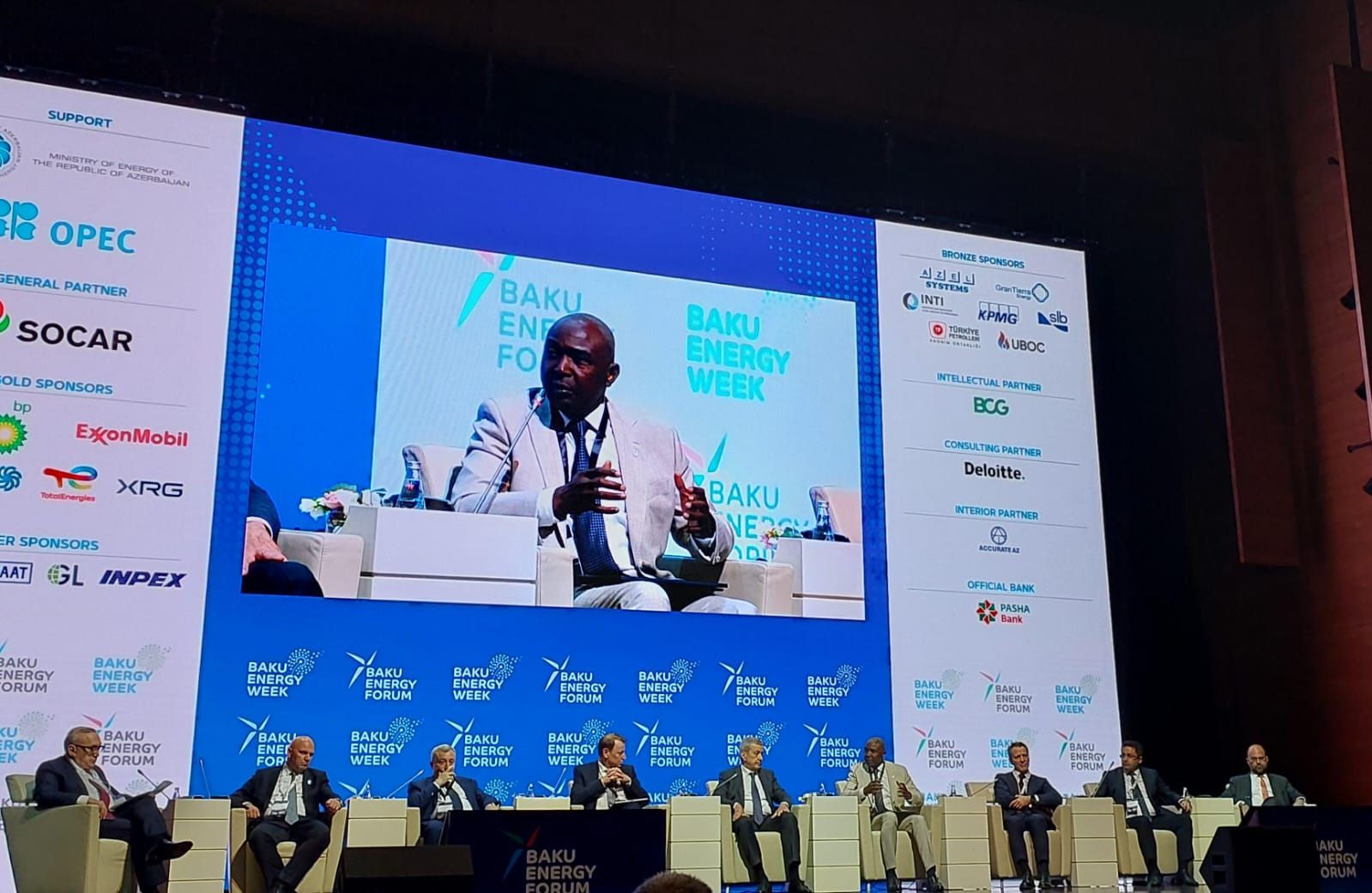
Read moreGeopolitical disruptions are no longer occasional events affecting global energy markets but have become a recurring feature of the international landscape, requiring governments and businesses to fundamentally rethink their energy strategies, AzerNEWS reports, citing Philip Mshelbila, Secretary General of the Gas Exporting Countries Forum (GECF).
Speaking during a panel discussion at Baku Energy Week, Mshelbila noted that the energy sector has historically faced geopolitical crises, but the frequency and complexity of such events have increased dramatically in recent years.
"We are not new to geopolitical events impacting the energy system. What has changed is that these events are now becoming the norm. They are no longer something that happens every 10 or 20 years. They are occurring every one or two years," he emphasized.
According to Mshelbila, this shift requires a new approach to energy security, infrastructure planning and international cooperation.
"Recent events have shown how disruptions in energy supply can impact almost every part of the global economy," he said.
Mshelbila pointed to industries such as semiconductor manufacturing and fertilizer production as examples of sectors that can be severely affected by energy disruptions. While these impacts may not always be immediately visible, they can have significant consequences for millions of people, particularly in developing countries.
He argued that if recent disruptions had been resolved quickly, the world might have returned to previous patterns of energy consumption and trade. However, the prolonged nature of current challenges is already driving structural changes in markets and policy.
One of the most significant responses has been a growing emphasis on diversification. Countries are increasingly seeking to diversify not only their energy suppliers and transportation routes but also their overall energy mix.
"We see diversification of fuel sources, diversification of supply routes and diversification within the energy mix itself," he said.
GECF official also highlighted the importance of cross-border cooperation in building resilient energy systems. According to Mshelbila, no country can guarantee its energy security in isolation, making international collaboration more important than ever.
"Cooperation is absolutely critical. Governments, businesses and international organizations must work together to build resilient energy systems that can withstand future shocks, because these disruptions are likely to occur far more frequently than in the past" he added.
Here we are to serve you with news right now. It does not cost much, but worth your attention.
Choose to support open, independent, quality journalism and subscribe on a monthly basis.
By subscribing to our online newspaper, you can have full digital access to all news, analysis, and much more.
You can also follow AzerNEWS on Twitter @AzerNewsAz or Facebook @AzerNewsNewspaper
Thank you!