
Central Bank’s hawkish strategy shields Azerbaijan’s non-oil economy

Qabil Ashirov
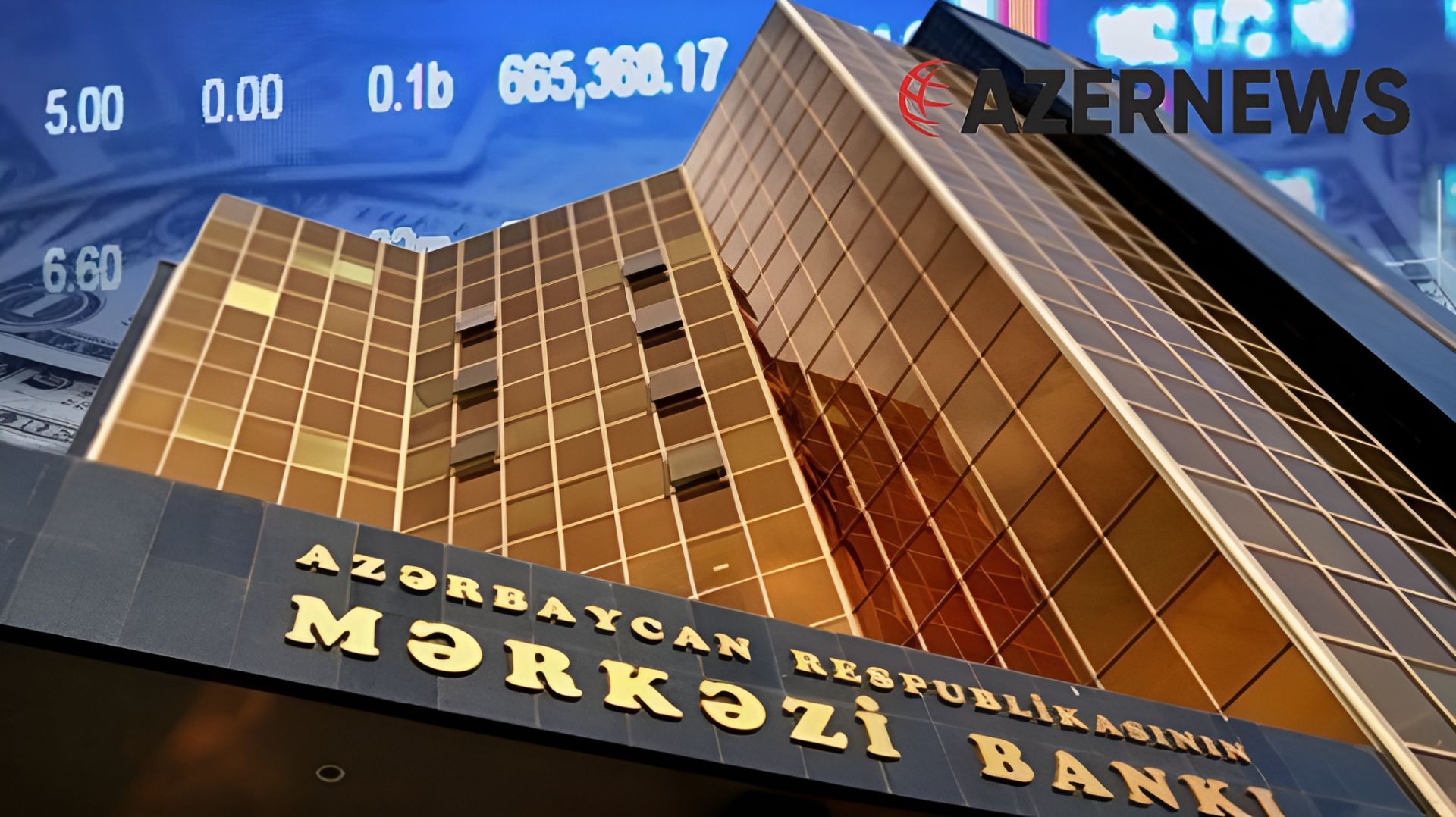
Read moreThe resilience of the Azerbaijani manat has transitioned from a mere policy objective into a definitive statement of macroeconomic sovereignty. Following the Central Bank’s recent high-level briefings, it has become clear that the regulator is adopting a sophisticated "hawkish" stance—not in the traditional sense of tightening rates to combat domestic decay, but in its unwavering commitment to neutralizing the immense upward pressures of a global energy windfall. This institutional confidence is not born of rhetoric alone; it is anchored in the hard reality of a trade surplus that continues to widen. With the State Customs Committee reporting a staggering 5.4 billion dollars in exports against just 4 billion dollars in imports for the first quarter, the manat is currently operating within a structural fortress that leaves little room for the speculative volatility of the past.
The mechanics of this stability are currently being tested by a world in flux. While the national budget was calibrated against a conservative 65-dollar oil benchmark, the geopolitical tremors in the Middle East have propelled crude prices well beyond the 110-dollar threshold. This divergence between projection and reality has transformed the Central Bank into a strategic absorber of global liquidity. The revelation that the bank executed a massive 1 billion dollar purchase of foreign currency in April is a testament to its proactive management. By mopping up this excess dollar supply, the regulator is preventing an organic, market-driven appreciation of the manat that would otherwise threaten the fragile gains of the non-oil sector. In this context, the "hawkish" resolve of the bank serves as a shield for local exporters, ensuring that a "hyper-strong" currency does not price Azerbaijani goods out of the international marketplace.
Governor Taleh Kazimov’s recent transparency regarding the nation’s foreign exchange reserves—now standing at a formidable decade-high of 12.7 billion dollars—serves as the ultimate psychological anchor. This is a far cry from the defensive posture of 2015; today, the Central Bank acts not as a desperate seller, but as a strategic buyer of last resort. This war chest provides the state with an unrivaled level of maneuverability, allowing it to decouple the domestic economy from the erratic pulses of global commodities. The narrative emerging from the halls of the Central Bank is one of total dominance over the currency market, where the 1.70 peg is no longer a target to be defended, but a baseline from which all other economic diversification efforts are launched.
As the year progresses, the convergence of high energy prices and a disciplined trade balance suggests that the current surplus of dollars will only intensify. The Central Bank’s readiness to continue its interventionist role signals a commitment to a "policy of continuity" that prioritizes long-term industrial health over short-term purchasing power gains. By absorbing the supply-demand imbalance, the authorities are effectively subsidizing the competitiveness of the domestic entrepreneur. In the grand theater of Eurasian finance, the Azerbaijani manat stands as a rare example of a currency that has successfully leveraged natural resource wealth to build a resilient, predictable, and export-oriented financial architecture.
Ultimately, the narrative coming out of the Central Bank’s recent meetings is one of total control. The alignment between the Governor’s strategic outlook and the Customs Committee’s factual reporting creates a unified front of economic stability. While global markets struggle with volatility, Azerbaijan’s monetary policy remains an island of consistency. The focus has shifted from the survivalist tactics of the previous decade to a sophisticated management of wealth. The 1.70 peg is no longer a point of debate but a cornerstone of a national strategy that prioritizes the competitiveness of the real economy over the temporary gains of a stronger currency. Through its massive interventions and record reserves, the Central Bank is ensuring that the manat remains a stable anchor for a nation navigating the complexities of a shifting global order. In this landscape, the manat is more than a medium of exchange; it is a symbol of a state that has mastered the art of leveraging its natural resource wealth to build a resilient financial architecture that is as much about psychological confidence as it is about hard currency.
Here we are to serve you with news right now. It does not cost much, but worth your attention.
Choose to support open, independent, quality journalism and subscribe on a monthly basis.
By subscribing to our online newspaper, you can have full digital access to all news, analysis, and much more.
You can also follow AzerNEWS on Twitter @AzerNewsAz or Facebook @AzerNewsNewspaper
Thank you!