
Global shipping routes hit by climate change and conflicts

Ulviyya Poladova
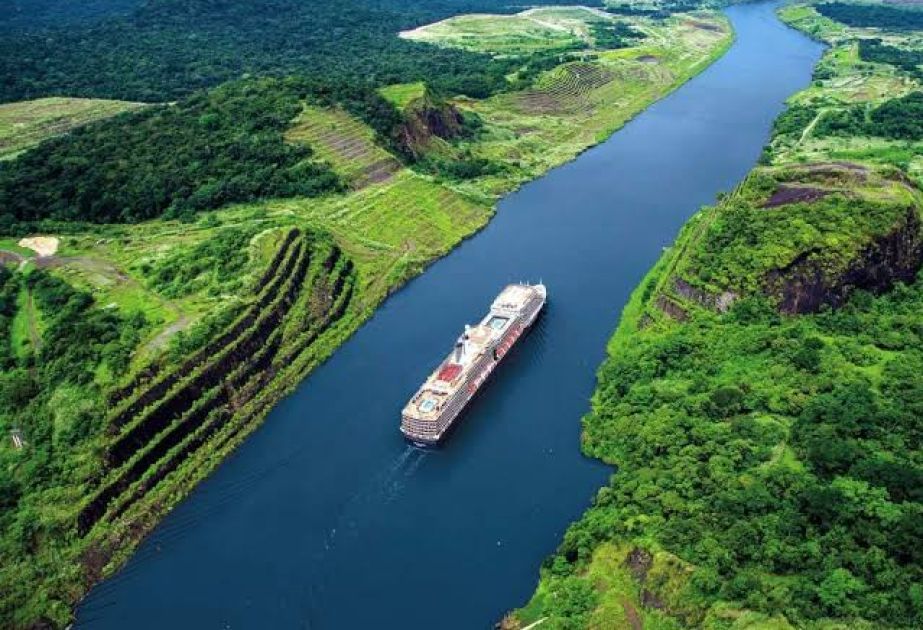
Read moreGlobal maritime trade is coming under increasing pressure. In Panama, water shortages have limited the number of ships able to pass through the canal, pushing up costs. At the same time, geopolitical tensions in the Middle East have reduced traffic through key routes such as the Suez Canal and Strait of Hormuz, forcing ships to take longer and more expensive alternatives.
The scale of congestion at the Panama Canal was highlighted by the passage of the "G.Spirit." The vessel paid €4.57 million to cross the 80-kilometre canal, more than 10 times the usual fee. After waiting 14 days in the queue, the ship secured an earlier transit slot at an auction held on September 1.
One of the main reasons for the disruption is the falling water level in Gatun Lake, which supplies the canal. With rainfall down 34% since May, Panamanian authorities have reduced the number of daily transits from 36 to 34 in an effort to conserve water. They plan to cut the number further to 30 ships from mid-September.
Other major shipping routes are also under pressure. Under normal conditions, around 25% of global oil shipments pass through the Strait of Hormuz. In recent months, shipping through the strait has repeatedly faced disruptions.
Traffic through the Suez Canal is currently running at only 30-40% of normal levels. Rising attacks on ships in the Red Sea have prompted several companies to reroute vessels around the Cape of Good Hope in southern Africa. The alternative route adds around 10-15 days to a voyage and significantly increases fuel and transport costs.
Climate change is also making new shipping routes possible. In mid-August, a vessel sailing from China to the United Kingdom used a new route through the northern Arctic. Compared with the Suez Canal route, the passage could cut the journey from around 27 days to 20.
However, the Arctic route remains covered by ice for part of the year, passes through Russian territorial waters and has areas where water depths are not sufficient for large vessels.
Here we are to serve you with news right now. It does not cost much, but worth your attention.
Choose to support open, independent, quality journalism and subscribe on a monthly basis.
By subscribing to our online newspaper, you can have full digital access to all news, analysis, and much more.
You can also follow AzerNEWS on Twitter @AzerNewsAz or Facebook @AzerNewsNewspaper
Thank you!