
Iran warns US of ‘faster, heavier and more painful’ response to further attacks
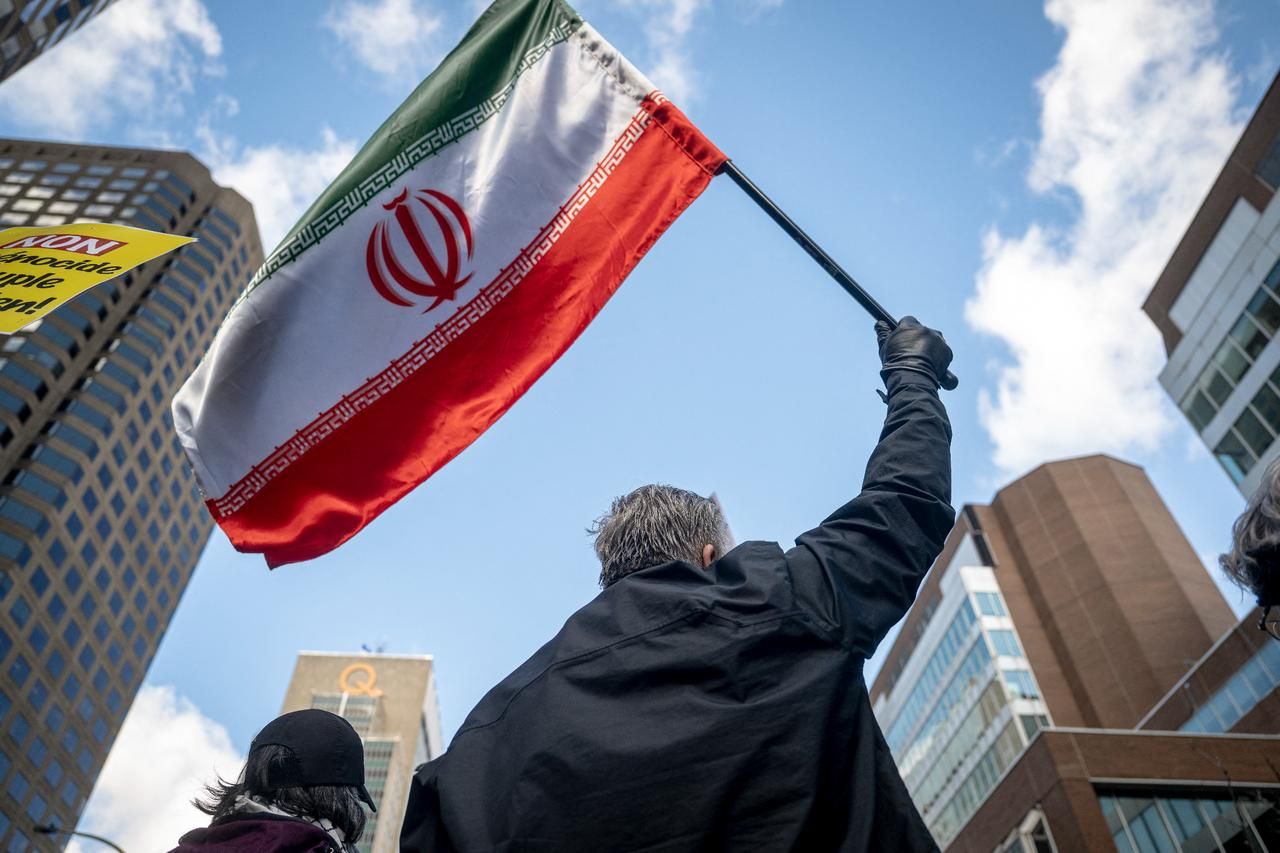
Iranian Parliament Speaker Mohammad Baqer Ghalibaf has warned the United States that the “rules of the game” have changed, threatening a “faster, heavier and more painful response” to any further attacks against Iranian interests and security.
“From now on, any attack against Iran’s interests and security will receive a faster, heavier and more painful response,” Ghalibaf said in a speech published on his Telegram channel.
His warning came a day after the US military struck three Iranian oil tankers in the Gulf. Washington said the strikes were carried out in response to ballistic missile attacks by Iran’s Islamic Revolutionary Guard Corps (IRGC) against two US Navy vessels.
Ghalibaf said Washington should understand “before it is too late” that the rules of the game had changed, arguing that Iran had demonstrated its ability to threaten US interests across the region while maintaining pressure on the strategically important Strait of Hormuz.
Iran also claimed on Sunday that it had struck an unmanned US vessel attempting to enter the strait. The US military initially did not immediately confirm the claim and later dismissed it as false, according to the Associated Press.
The latest exchange marks another escalation in a conflict that began with US and Israeli strikes on Iran on February 28. Although a ceasefire was announced in June, sporadic clashes have continued, while diplomatic efforts to revive negotiations have stalled.
Alongside the military confrontation, Tehran is facing mounting economic pressure from US sanctions and restrictions on Iranian oil exports.
Ghalibaf said Iran’s “main battle” also involved production and people’s livelihoods, citing currency fluctuations, inflation, unemployment and difficulties in managing domestic markets.
Iranian Economy Minister Ali Madanizadeh, meanwhile, said Tehran would address the country’s economic problems through domestic reforms rather than changing its policies in response to US pressure.
“They speak of economic pressure and isolation, of breaking off financial ties and they think that by pressuring the economy of a country they can change the decisions of its people,” Madanizadeh said.
“I have to clarify one point: the responsibility of reforming Iran’s economy is with its government and people, not with the US Treasury,” he added.
Despite sanctions and restrictions, Iran has continued seeking ways to maintain its oil exports, including through a so-called shadow fleet used to transport Iranian crude to overseas buyers.
Here we are to serve you with news right now. It does not cost much, but worth your attention.
Choose to support open, independent, quality journalism and subscribe on a monthly basis.
By subscribing to our online newspaper, you can have full digital access to all news, analysis, and much more.
You can also follow AzerNEWS on Twitter @AzerNewsAz or Facebook @AzerNewsNewspaper
Thank you!