
AI’s electricity demand could reach massive levels by 2030
by Alimat Aliyeva
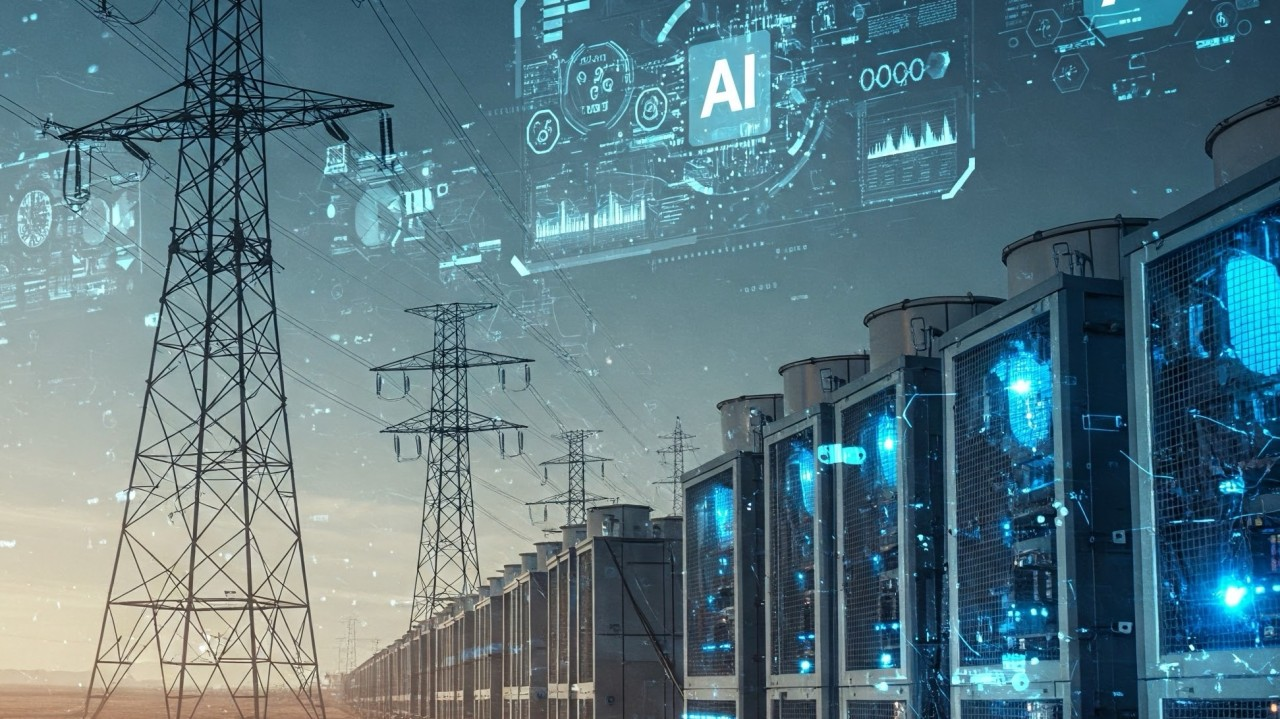
The fast development of artificial intelligence (AI) technologies is increasingly accompanied by rising demand for natural resources. According to a recent international report, by 2030 global data centers—forming the backbone of AI infrastructure, could consume up to 945 terawatt-hours of electricity annually, AzerNEWS reports.
To put this into perspective, this amount is nearly three times the combined yearly energy consumption of Pakistan, Bangladesh, and Nigeria, countries that together are home to more than 650 million people.
The study highlights that AI’s environmental impact extends far beyond electricity use. Data centers also require vast amounts of water for cooling systems and power generation. By the end of the decade, the water footprint of AI could reach a level comparable to the annual household water consumption of 1.3 billion people.
In addition, the land required for energy production and supporting infrastructure could exceed 14,500 square kilometers, roughly twice the size of the Jakarta metropolitan area.
Researchers emphasize that the main driver of resource consumption is not only the training of large AI models, but their everyday use at scale. According to estimates, 80–90% of total energy demand comes from routine AI services such as chatbots, image generation, and automated systems.
There are also significant differences in energy use depending on the type of task. For instance, generating a single image may require around 1,000 times more energy than processing a simple text query, while video generation demands even greater computational power.
The report also draws attention to the so-called “Jevons paradox”, which suggests that improvements in efficiency can sometimes lead to higher overall resource consumption. As AI systems become cheaper and more accessible, demand tends to grow even faster, increasing the total environmental burden.
Another concern is the uneven global distribution of AI infrastructure. More than 90% of high-performance computing capacity is concentrated in the United States and China, while over 150 countries still lack significant domestic computing resources. In some regions, rapidly expanding data centers are already putting pressure on local power grids and water supplies.
By 2030, AI-related infrastructure could also generate up to 2.5 million tons of electronic waste annually, creating additional challenges for recycling systems worldwide.
However, the authors of the report stress that these risks do not outweigh the importance of AI development. Instead, they call for a more responsible and sustainable approach, including greater transparency in energy reporting, the use of energy-efficient hardware, and the integration of AI infrastructure into national strategies for energy, water, and land management.
An interesting detail is that some companies are already experimenting with “green data centers”, including facilities located in colder climates to reduce cooling costs, and even underwater server farms that use natural seawater cooling—showing that innovation may also help solve the very problems it creates.
Here we are to serve you with news right now. It does not cost much, but worth your attention.
Choose to support open, independent, quality journalism and subscribe on a monthly basis.
By subscribing to our online newspaper, you can have full digital access to all news, analysis, and much more.
You can also follow AzerNEWS on Twitter @AzerNewsAz or Facebook @AzerNewsNewspaper
Thank you!