
Azerbaijan prepares first Sukuk sale in push to broaden capital markets
Qabil Ashirov
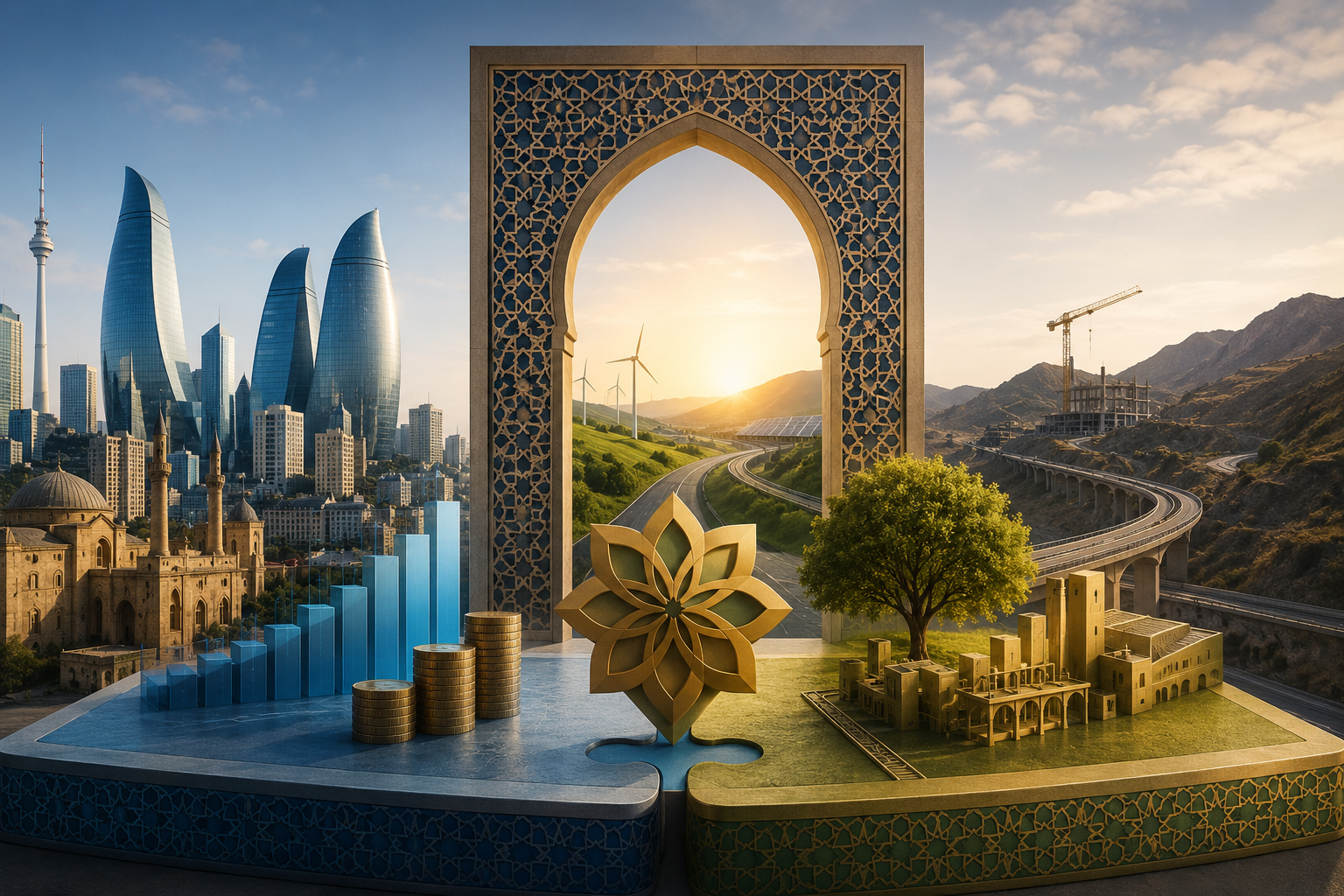
Read moreThe landscape of Azerbaijani finance is standing on the precipice of a quiet but profound revolution. For years, discussions surrounding the diversification of the nation’s financial sectors have circled familiar territory, strengthening local banking regulations, digitizing payment infrastructure, or bolstering the liquidity of standard corporate instruments on the Baku Stock Exchange. Yet, the recent announcement by Taleh Kazımov, the Governor of the Central Bank of Azerbaijan, at the Islamic Development Bank’s Global Forum has introduced a transformative variable into this equation: the impending issuance of Azerbaijan’s first-ever sukuk, or Islamic bonds. This represents far more than just the addition of a new financial product to the domestic market. It is a fundamental philosophical shift, a structural widening of the economic gates, and an overdue recognition of both global capital dynamics and domestic cultural reality.
To appreciate the weight of this initiative, one must look past the Westernized nomenclature of a "bond" and understand what sukuk actually means. In conventional debt markets, a bond is a pure instrument of leverage: an investor lends cash to an entity, and that entity promises to pay back the principal alongside a predefined, fixed layer of interest over time. From an Islamic ethical perspective, this generation of money from money, completely decoupled from tangible enterprise, constitutes usury and is strictly forbidden. Sukuk remedies this by anchoring every single monetary transaction into a physical, real-world asset. When an investor purchases sukuk, they are not becoming a detached creditor; they are purchasing a fractional, direct ownership stake in a tangible project, whether that be a terminal, an agricultural complex, or a renewable energy plant. The returns they receive are not arbitrary interest percentages extracted from a balance sheet, but rather genuine pro rata shares of the rental income or commercial profits generated by that very asset. At the end of the maturity term, the issuer repurchases the asset, returning the principal to the investor through a legitimate asset transaction rather than a simple debt settlement.
For Azerbaijan, integrating this asset-backed architecture into its financial framework serves a multi-layered strategic purpose, starting with an influx of foreign direct investment that has historically remained out of reach. The global Islamic finance market controls trillions of dollars, concentrated heavily within the cash-rich sovereign wealth and private equity funds of the Gulf Cooperation Council nations. These institutional titans operate under strict mandates that prevent them from participating in conventional, interest-bearing sovereign or corporate debt. By formalizing a robust legal and regulatory framework for sukuk, Azerbaijan effectively establishes a compatible financial language with these institutions. It builds a bridge that allows Gulf capital to flow seamlessly into non-oil sectors of the country, turning Azerbaijan into an attractive hub for cross-border investments that look past traditional oil and gas projects.
Simultaneously, the introduction of sukuk resolves an invisible economic drag within Azerbaijan's domestic borders. A substantial segment of the Azerbaijani population maintains deep-seated religious sensibilities and ethical values that prevent them from interacting with traditional, interest-based banking systems. Because the domestic market has long lacked viable, Sharia-compliant alternatives, significant amounts of private capital have remained entirely dormant—literally kept uninvested and unutilized out of profound respect for personal faith. This initiative honors and respects these religious sensitivities, bringing marginalized citizens into the formal financial ecosystem by providing them with an investment vehicle that does not compromise their conscience. This is a profound step forward for financial inclusion, converting idle personal wealth into productive national capital while validating the diverse ethical preferences of the citizenry.
Furthermore, this mechanism arrives at a critical juncture for national infrastructure priorities, particularly regarding the historic reconstruction taking place under the Great Return program in Karabakh and East Zangezur. The sheer capital requirement needed to build modern smart villages, transport corridors, and green energy zones in these liberated territories places an immense demand on the state budget. Sukuk offers an ideal, non-debt alternative to fund these massive undertakings. The state or private consortia can issue specific infrastructure or green sukuk, tying the investment directly to a concrete project, such as a hydroelectric power plant or a logistics hub. International and domestic investors can jointly fund the construction and split the operational yields once the project goes live. This significantly lowers the direct fiscal burden on the state, while tying investor profitability to tangible national progress.
Ultimately, Azerbaijan's venture into Islamic securities is an exercise in strategic foresight. By expanding its sovereign toolkit to include asset-backed instruments, the nation deepens its capital markets, offers its local corporations a viable alternative to high-interest traditional bank loans, and positions itself as a progressive financial actor on the regional stage. It proves that an economy can achieve modernization and global integration while simultaneously respecting the traditional values of its population. The upcoming debut of Azerbaijani sukuk will signal to the world that the country is not only open to a wider variety of global business but is also thoroughly committed to crafting an inclusive, resilient, and multifaceted financial future.
Here we are to serve you with news right now. It does not cost much, but worth your attention.
Choose to support open, independent, quality journalism and subscribe on a monthly basis.
By subscribing to our online newspaper, you can have full digital access to all news, analysis, and much more.
You can also follow AzerNEWS on Twitter @AzerNewsAz or Facebook @AzerNewsNewspaper
Thank you!