
Middle East tensions push LNG shipping costs higher

Ulviyya Poladova
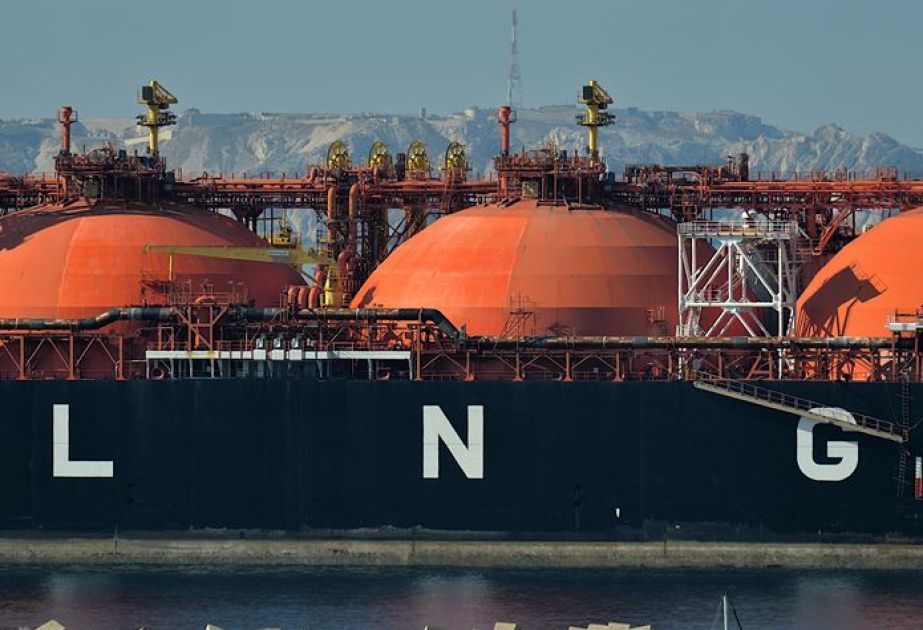
Read moreThe ongoing tensions in the Middle East and the continued closure of the Strait of Hormuz have sent LNG shipping costs sharply higher, putting additional pressure on global energy markets, AzerNEWS reports.
According to foreign media reports, the suspension of transit through the Strait of Hormuz has disrupted global LNG supplies, reduced available shipping capacity, extended transit times, and pushed charter and fuel costs to their highest levels since the 2022 energy crisis.
Following the decline in available vessel capacity, daily spot charter rates for tri-fuel diesel-electric LNG carriers rose from $5,000 in early February to $235,000 in early March. Such levels have not been seen in the LNG shipping market since the peak of the 2022 energy crisis.
The average monthly daily charter rate for LNG tankers increased from $18,000 in February to $108,000 in March. For steam turbine-powered vessels, the average daily charter rate rose from $3,000 to $50,000 over the same period.
The average price of marine fuel used by the LNG fleet increased by 73% in March compared with the previous month, exceeding $800 per tonne. This marked the highest level recorded since the peak of the 2022 energy crisis.
For an LNG carrier valued at $250 million, the cost of war risk insurance for a single passage through the Strait of Hormuz reached $25 million. During the peak of the conflict, insurance premiums for LNG cargoes ranged between 10% and 20% of the cargo value.
The average daily charter rate for tri-fuel diesel-electric LNG carriers reached $60,700 in June. This was 1% higher than the previous month and 243% above the level recorded in June 2025.
Between March and June, more than 300 LNG cargoes from Qatar and around 20 tankers from the United Arab Emirates (UAE) were unable to reach international markets. Approximately 160 LNG vessels were forced to remain anchored in the Gulf or the Gulf of Oman.
The Strait of Hormuz is the only maritime route for LNG exports from Qatar and the UAE, with around one-fifth of global LNG supplies passing through the waterway.
By 2030, global LNG capacity is expected to expand by approximately 250 million tonnes per year.
Here we are to serve you with news right now. It does not cost much, but worth your attention.
Choose to support open, independent, quality journalism and subscribe on a monthly basis.
By subscribing to our online newspaper, you can have full digital access to all news, analysis, and much more.
You can also follow AzerNEWS on Twitter @AzerNewsAz or Facebook @AzerNewsNewspaper
Thank you!