
Oil prices near $100 trigger global shift back to interest rate hikes

Qabil Ashirov
Read moreThe transition in global monetary policy over the last few months represents one of the most significant pivots in recent economic history. As 2025 drew to a close and the early weeks of 2026 unfolded, a sense of cautious optimism permeated international markets. The prevailing narrative suggested that the aggressive cycle of monetary tightening, which had characterized the post-pandemic recovery years, had finally done its work. Central banks across the globe, including the European Central Bank and authorities in emerging markets like Brazil and Kazakhstan, began to lower their benchmark interest rates to stimulate growth.
In the South Caucasus, the Central Bank of Azerbaijan followed this global momentum with a notable policy shift. After a prolonged period of maintaining a restrictive stance to combat regional price pressures, the Azerbaijani regulator began a series of interest rate cuts starting from the final quarter of 2025. This move was widely interpreted as a signal that the domestic economy was entering a new phase of stability and growth. At that moment, the consensus among analysts was clear: 2026 would be the year of cheap money, with further reductions expected to ease the financial burden on businesses and consumers alike.
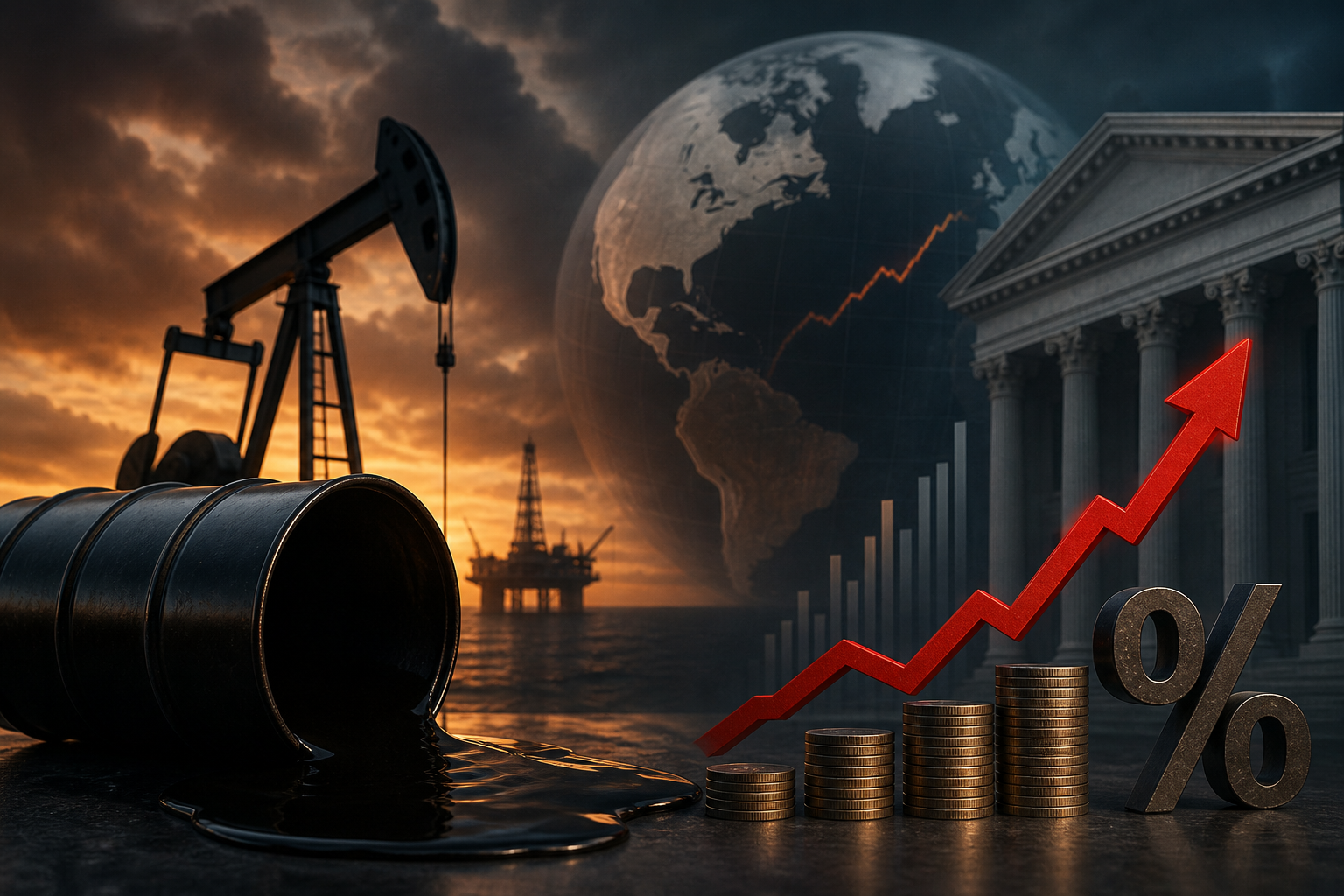
However, the geopolitical landscape soon shattered these expectations, replacing optimism with a stark new reality. The escalation of conflict in the Middle East acted as a catalyst for a sudden and sharp reversal in energy markets. As oil prices surged toward and beyond the hundred-dollar mark, the specter of inflation, which many believed had been banished, returned with renewed force. This shift is most visible in major financial hubs like London, where the Bank of England has performed a dramatic "U-turn" in its policy outlook. Recent reports indicate that while the benchmark rate in the United Kingdom was initially held at 3.75% with the hope of future cuts, the central bank’s latest modeling now suggests that further hikes may be necessary. In a worst-case scenario where oil reaches 130 dollars, the British authorities are prepared to raise rates by as much as 1.51 percentage points to prevent the economy from overheating—a move that would have seemed unthinkable just a few months ago.
This phenomenon is not isolated to the United Kingdom but represents a broader systemic threat. The primary driver remains the stubbornly high price of crude oil, which serves as the foundational cost for global logistics and production. Given that the conflict in the Middle East shows no immediate signs of de-escalation, there is little reason to expect energy prices to retreat in the near term. This persistent energy shock creates a domino effect that reaches every corner of the global economy. As we navigate the final month of spring in 2026, the structural impact of these high costs is beginning to take hold. We are now entering a period where the second half of the year will likely be defined by a significant spike in "imported" inflation, with food prices at the center of the crisis.
The agricultural sector is particularly vulnerable in this regard. The planting seasons for this year's harvest coincided with a period of exceptionally high prices for fuel and natural gas, the latter being a critical component in the production of nitrogen-based fertilizers. Because these input costs were locked in during the sowing phase, the true inflationary weight will only be felt by the public when these products eventually hit the market shelves in the coming months. This delayed effect on food inflation creates a precarious situation for central banks, as they must balance the need for economic growth against the necessity of price stability.
For Azerbaijan, the implications of this global reversal are profound. While the country benefited from the rate-cutting trend that began in late 2025, it cannot remain an island of low interest rates if the rest of the world pivots toward tightening. The Central Bank of Azerbaijan will likely find itself forced to join this global trend to protect the national currency and prevent the economy from absorbing too much external inflation. Although the first and second quarters of 2026 may see a period of "wait and see" where rates remain stable, the mounting pressure from rising food and energy costs suggests that a policy reversal is inevitable. By the third quarter of 2026, market participants should anticipate a return to rate hikes as the regulator moves to mitigate the impact of the agricultural and energy shocks.
Ultimately, the era of the "U-turn" has arrived, and it promises to reshape the economic trajectory of 2026 into one of renewed austerity and vigilance. The hope for a year of continuous monetary easing has been replaced by a defensive posture as central banks prioritize the fight against a new wave of inflation. As the costs of fuel, fertilizer, and logistics translate into higher prices at the grocery store, the necessity for higher interest rates will become a standard policy response across the globe. The transition from the "cheap money" expectations of early 2026 to the tightening realities of the year's second half marks a difficult but necessary adjustment to a world where geopolitical instability remains the primary driver of economic policy.
Here we are to serve you with news right now. It does not cost much, but worth your attention.
Choose to support open, independent, quality journalism and subscribe on a monthly basis.
By subscribing to our online newspaper, you can have full digital access to all news, analysis, and much more.
You can also follow AzerNEWS on Twitter @AzerNewsAz or Facebook @AzerNewsNewspaper
Thank you!