
Azerbaijan–Vietnam relations: a path that began with Heydar Aliyev [PHOTOS]
![Azerbaijan–Vietnam relations: a path that began with Heydar Aliyev [PHOTOS]](https://www.azernews.az/media/2026/04/30/8888.jpg)

AzerNEWS Staff
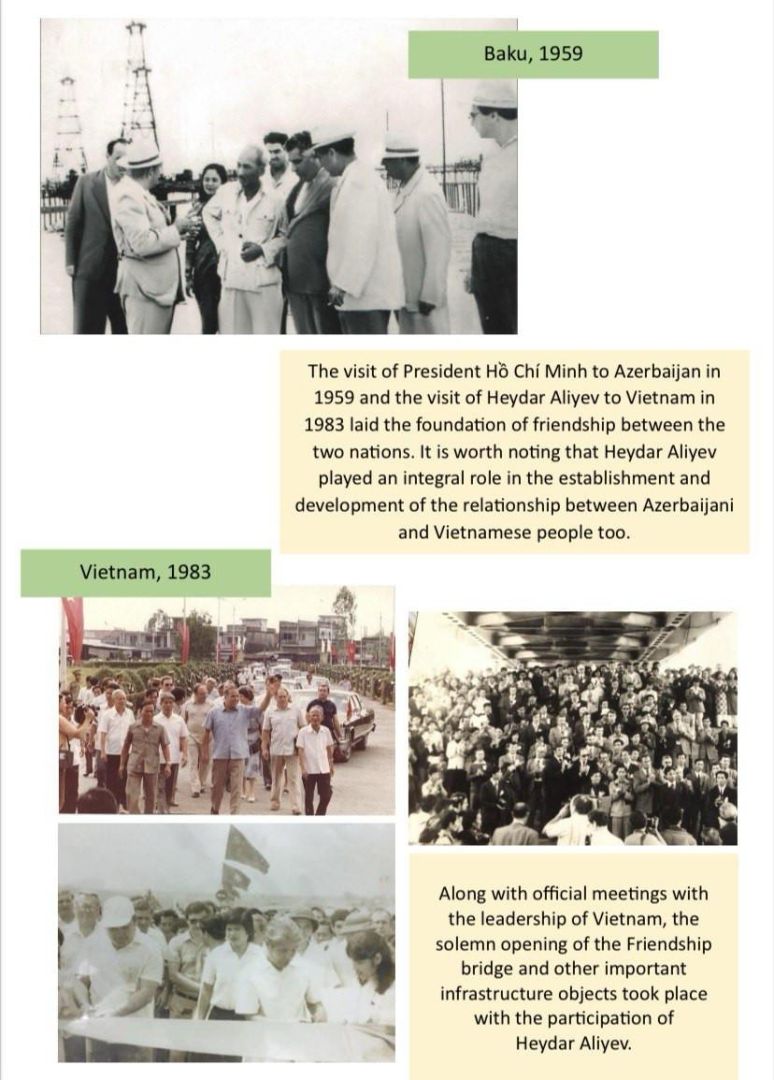
Read moreDuring the Soviet era, Vietnam was considered one of the closest socialist countries to Azerbaijanis. As across the USSR, people in Azerbaijan closely followed the Vietnamese people's struggle against U.S. intervention with great admiration. Although former President of the Socialist Republic of Vietnam, Ho Chi Minh, visited Azerbaijan in 1959, bilateral relations did not display significant dynamism at the time. Interestingly, relations with Vietnam reached their peak during the final decade of the Soviet Union—largely thanks to national leader Heydar Aliyev.
In the early 1980s, sister-city ties were established between Baku and Vietnam’s city of Vung Tau. This was largely due to the fact that many of the local specialists working in the city’s oil industry were graduates of the Azerbaijan Industrial Institute (now the Azerbaijan State Oil and Industry University). Notably, there is a street named “Baku” in Vung Tau, while one of the streets in the Ahmadli settlement of Baku’s Khatai district is named after Vung Tau.
In 1981, Azerbaijani oil workers played a major role in the establishment of the “Vietsovpetro” joint venture between Vietnam and the Soviet Union. Jalal Mammadov served as the company’s first executive director. During its early years, the company relied heavily on Azerbaijani specialists, while many Vietnamese employees later received their education at the Baku Oil Academy.
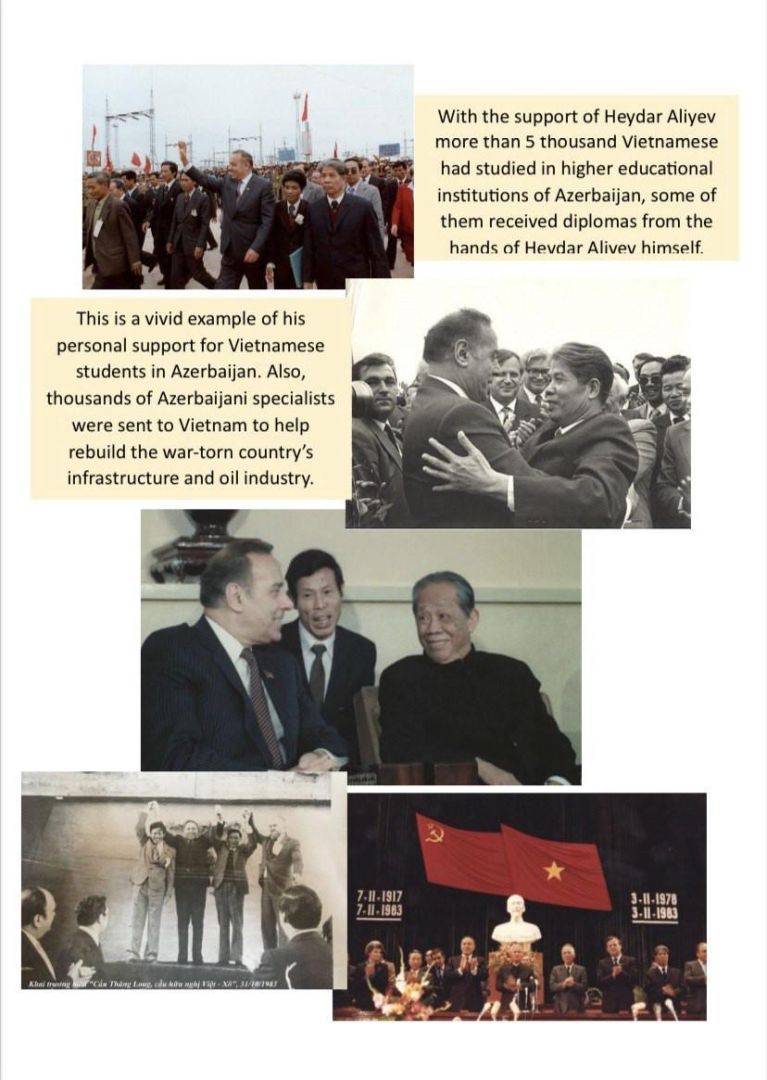
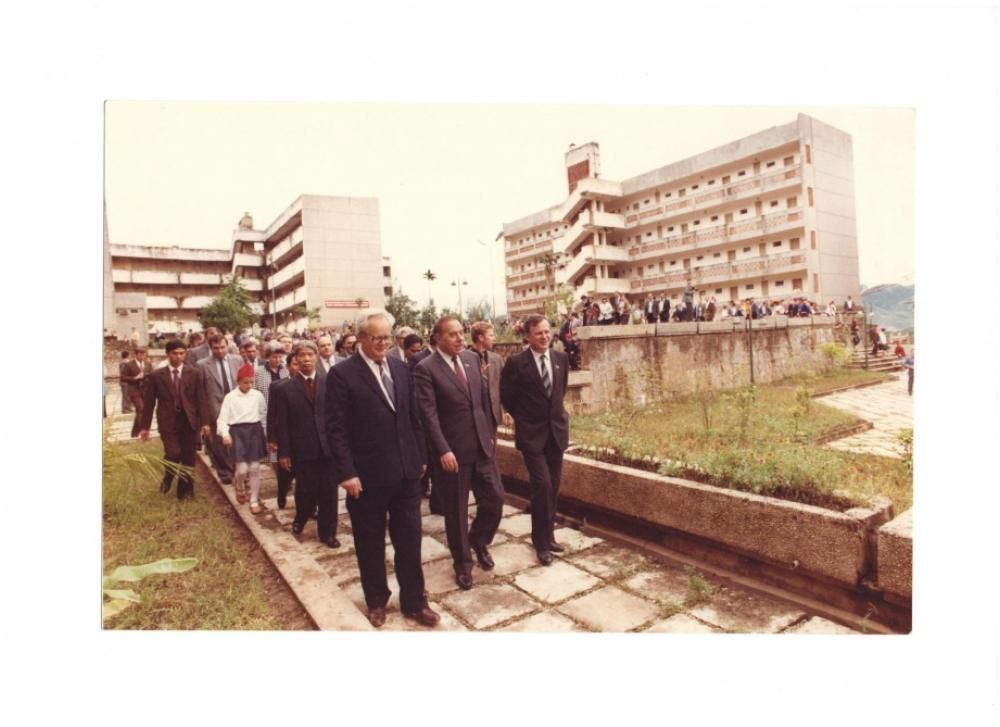
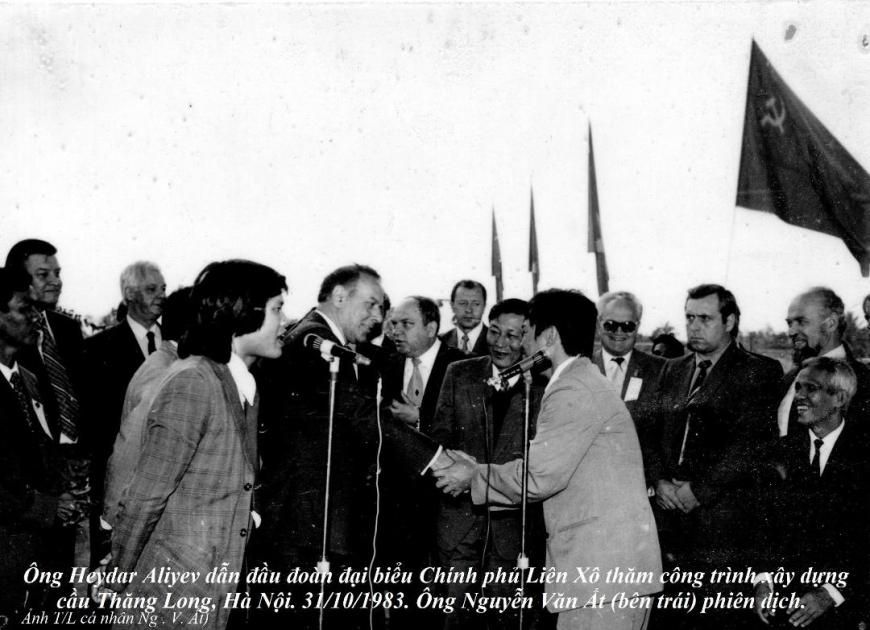
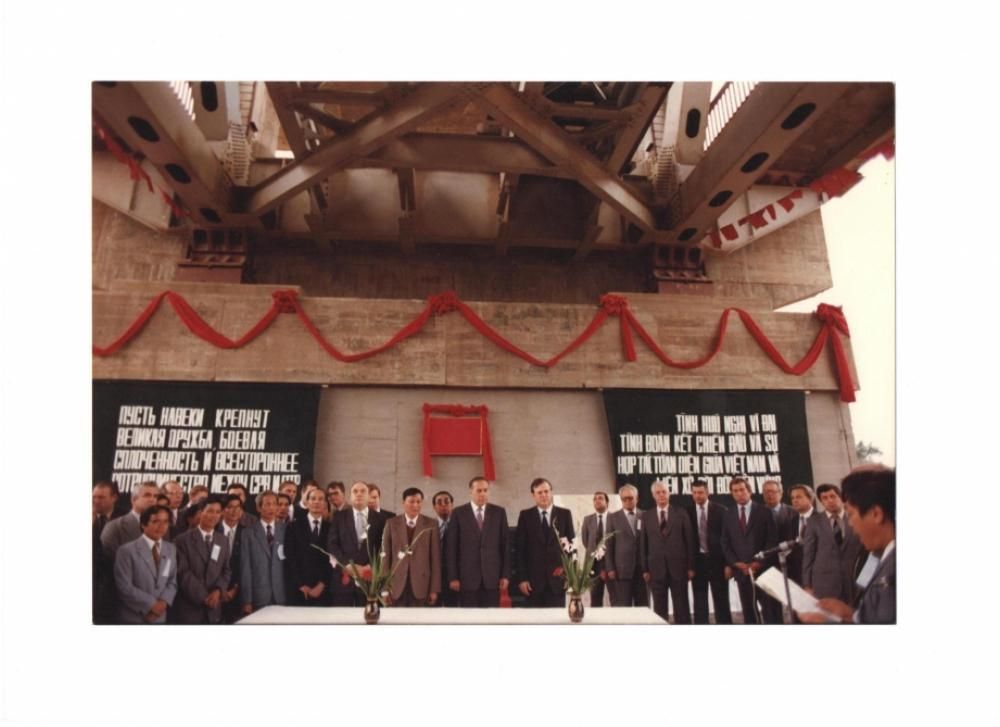
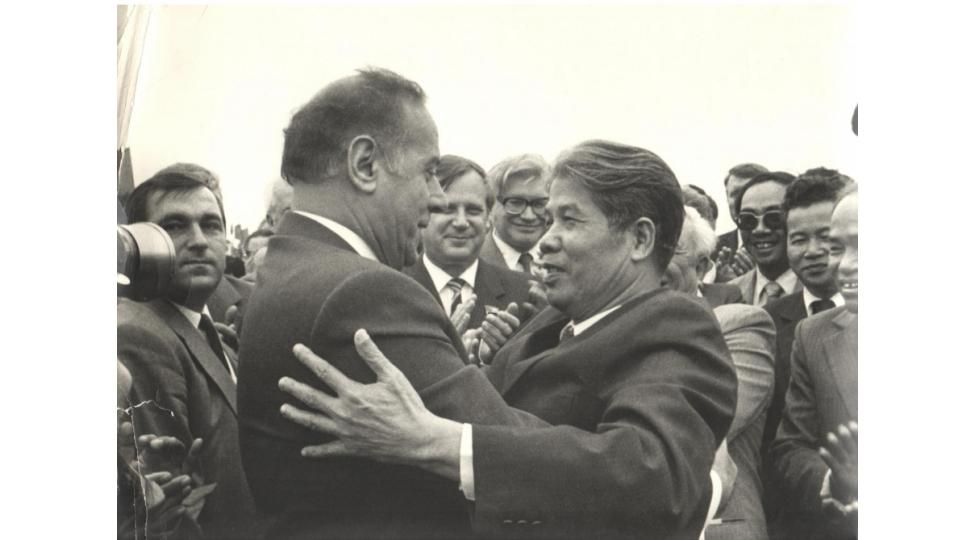
In 1983, while serving as First Deputy Chairman of the USSR Council of Ministers, Heydar Aliyev visited Vietnam as head of the Soviet delegation. This visit was of particular importance for the development of Soviet–Vietnamese relations. Following the trip, Aliyev successfully persuaded Soviet leadership to provide economic as well as scientific and technical assistance to Vietnam. During the visit, the Thang Long Bridge—then Vietnam’s largest infrastructure project—was inaugurated. In addition to the capital Hanoi, Aliyev also visited the southern coastal city of Vung Tau, where he reviewed efforts to establish the oil industry. Subsequently, Azerbaijani specialists became more actively involved in the development of Vietnam’s oil sector. At the same time, the number of Vietnamese students studying in Azerbaijan across various fields increased. During the Soviet period, more than 5,000 Vietnamese studied in Azerbaijan, many of whom later held senior positions in Vietnam’s state institutions.
It is no coincidence that the Vietnamese state and people continue to remember with appreciation Azerbaijan’s significant support during and after the war, as well as Heydar Aliyev’s particular attention to Vietnam. In Vietnam, Aliyev is regarded as a great friend of the country. The contributions of Azerbaijani specialists—especially their indispensable role in establishing Vietnam’s oil and gas industry—and the participation of thousands of Vietnamese graduates from Azerbaijani educational institutions in Vietnam’s post-war reconstruction and development are highly valued.
A new phase in bilateral relations began on September 23, 1992, when Vietnam recognized Azerbaijan’s independence and diplomatic relations were established. In 2001, Azerbaijan’s ambassador to China, based in Beijing, was also accredited to Vietnam. In 2009, Vietnam’s ambassador to Russia was likewise accredited to Azerbaijan. The opening of Azerbaijan’s embassy in Vietnam in 2013 demonstrated the country’s intention to restore and further develop its historical ties.
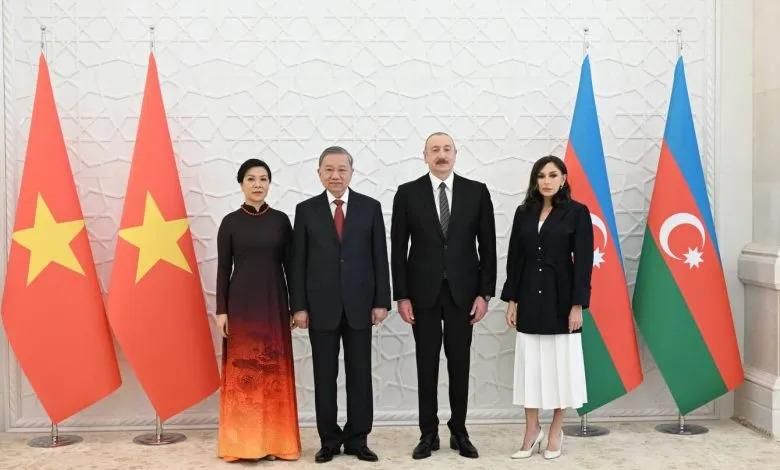
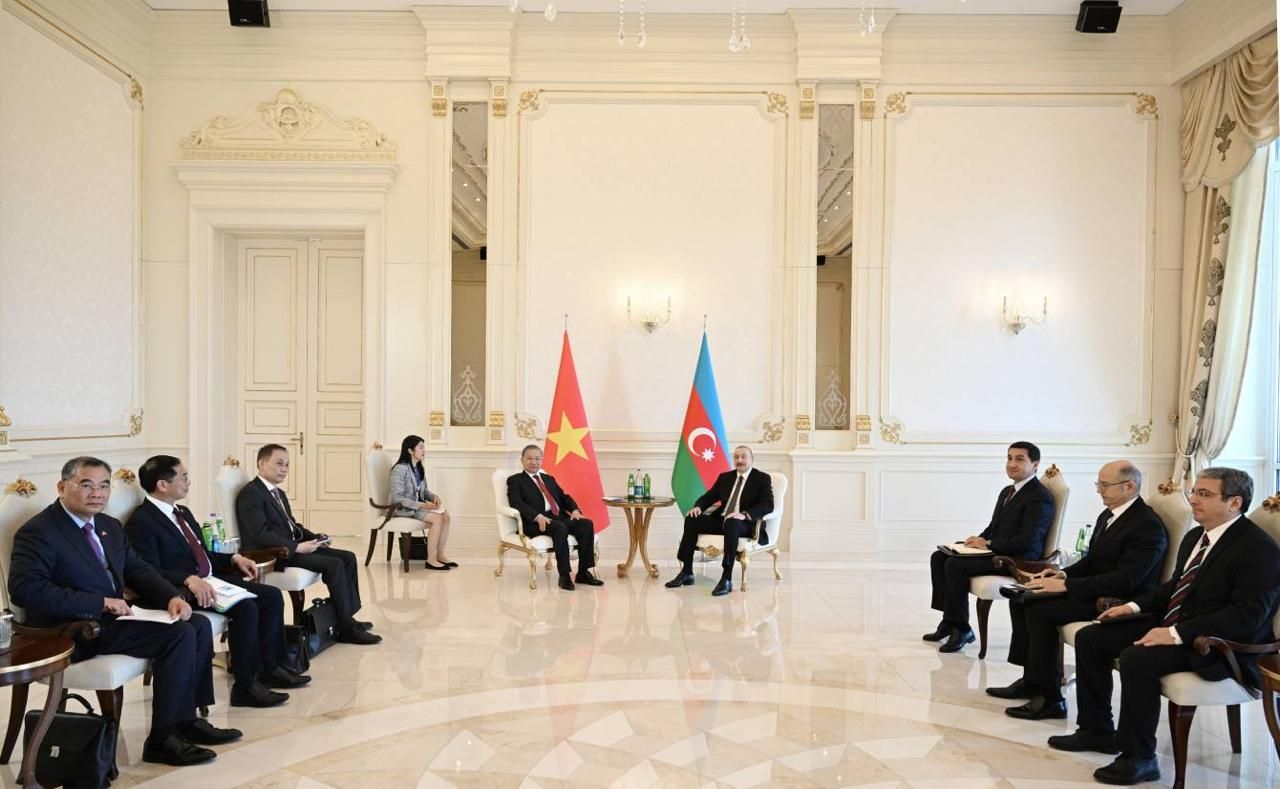
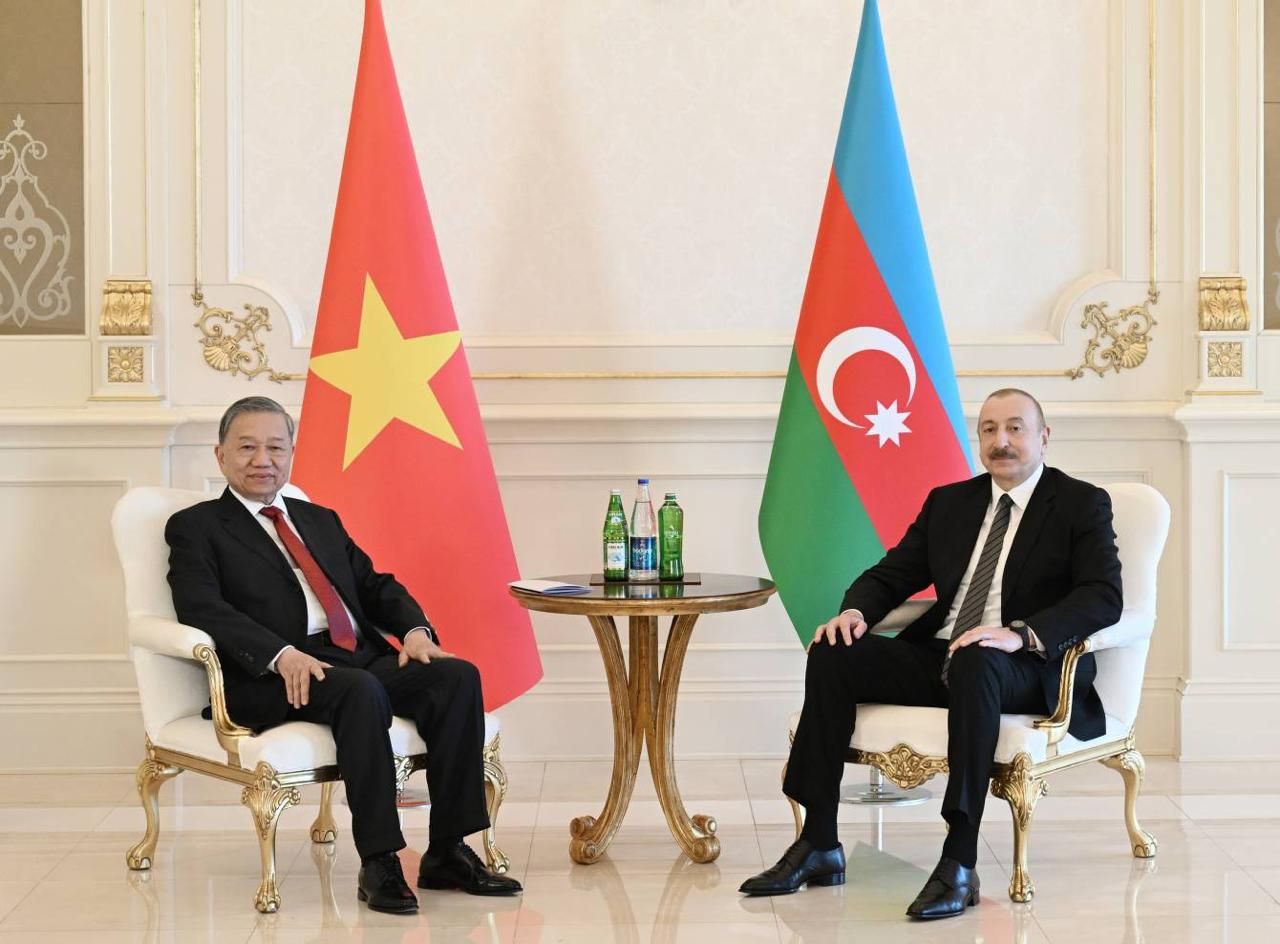
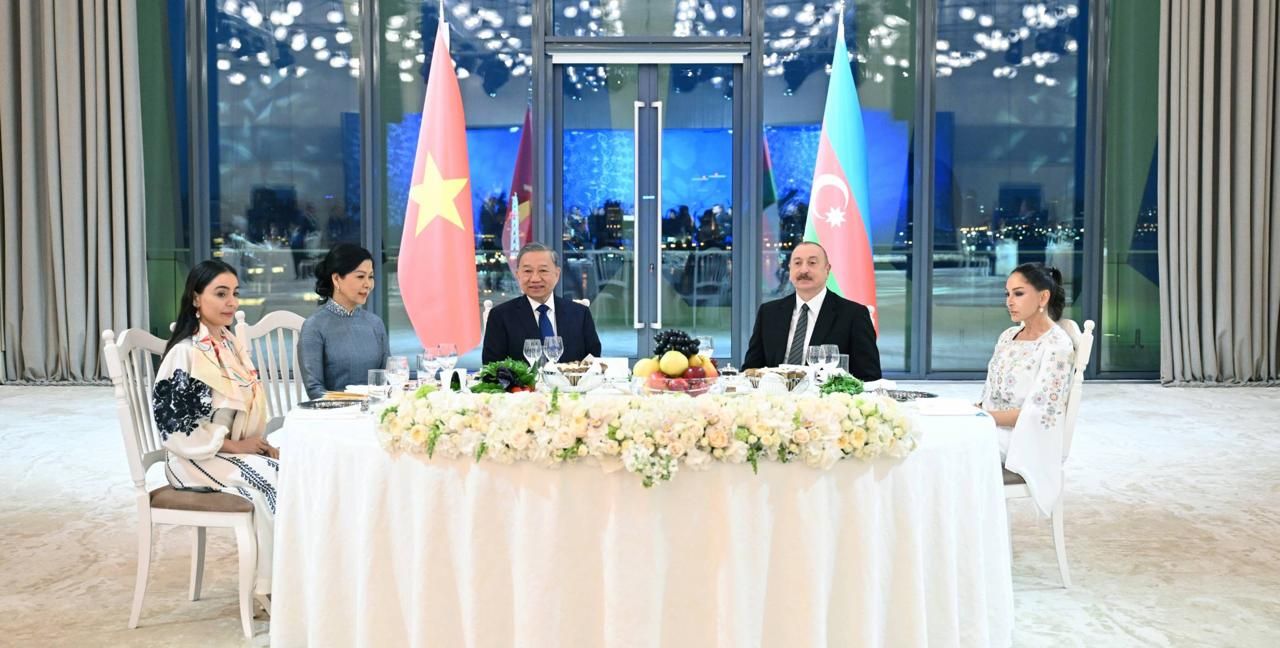
President Ilham Aliyev, the worthy political successor of Heydar Aliyev, has consistently attached special importance to relations with Vietnam, remaining committed to his predecessor’s political course. The Azerbaijani President’s state visit to Vietnam in 2014, followed by the official visit of Vietnamese President Truong Tan Sang to Azerbaijan in 2015, laid the foundation for close friendship and partnership between the two countries. On May 7–8, 2025, General Secretary of the Communist Party of Vietnam Central Committee To Lam paid a state visit to Azerbaijan. During the visit, the President and the General Secretary adopted a Joint Statement on the Establishment of a Strategic Partnership between Azerbaijan and Vietnam. In addition, ten documents covering various areas of cooperation were signed. A memorial room dedicated to the 135th anniversary of Ho Chi Minh’s birth, reflecting Vietnam–Azerbaijan cooperation, was also inaugurated at the Azerbaijan State Oil and Industry University.
During the 44-day Patriotic War, on October 19, 2020, at the UN Security Council, Vietnam—along with six other members of the Non-Aligned Movement serving on the Council—supported the inclusion of references to the 1993 resolutions on the conflict in the final document, thereby backing Azerbaijan’s just position. President Ilham Aliyev sent a letter of gratitude to his Vietnamese counterpart for this support. Furthermore, during the high-level week of the 80th session of the UN General Assembly (September 23–29, 2025), Vietnam was among only eight countries that directly referred to the normalization process between Azerbaijan and Armenia in their statements.
In 2017, on the occasion of the 25th anniversary of diplomatic relations, Vietnam’s Presidential Administration official Vu Ha Le and Nghiêm Vu Khai, then Chairman of the Vietnam–Azerbaijan Friendship Association (now honorary chairman), were awarded Azerbaijan’s “Progress” medal by presidential decree.
On October 19, 2018, with the support of the Heydar Aliyev Foundation, a primary school was built in Giap Trung commune of Ha Giang province in Vietnam.
On September 23, 2022, the 30th anniversary of diplomatic relations between Azerbaijan and Vietnam was celebrated, marked by exchanges of congratulatory letters among heads of state, foreign ministers, and parliamentary speakers.
In response to the devastating impacts of Typhoon Yagi in Vietnam on September 7–8, 2024, Azerbaijan provided $200,000 in financial assistance through AIDA. Later, in September–October 2025, Azerbaijan allocated an additional $100,000 to help mitigate the damage caused by severe flooding in Vietnam.
On March 18, 2026, a new building of the Tran Phu School, capable of accommodating 1,400 students, was inaugurated in Luc Yen district of Lao Cai province (formerly Yen Bai), with support from Azerbaijan, to address the consequences of Typhoon Yagi.
As seen, Azerbaijan–Vietnam relations, founded by national leader Heydar Aliyev, have entered a new stage of development under the leadership of President Ilham Aliyev. This stands as a clear testament to the enduring friendship and mutual trust between the two countries.
Here we are to serve you with news right now. It does not cost much, but worth your attention.
Choose to support open, independent, quality journalism and subscribe on a monthly basis.
By subscribing to our online newspaper, you can have full digital access to all news, analysis, and much more.
You can also follow AzerNEWS on Twitter @AzerNewsAz or Facebook @AzerNewsNewspaper
Thank you!