
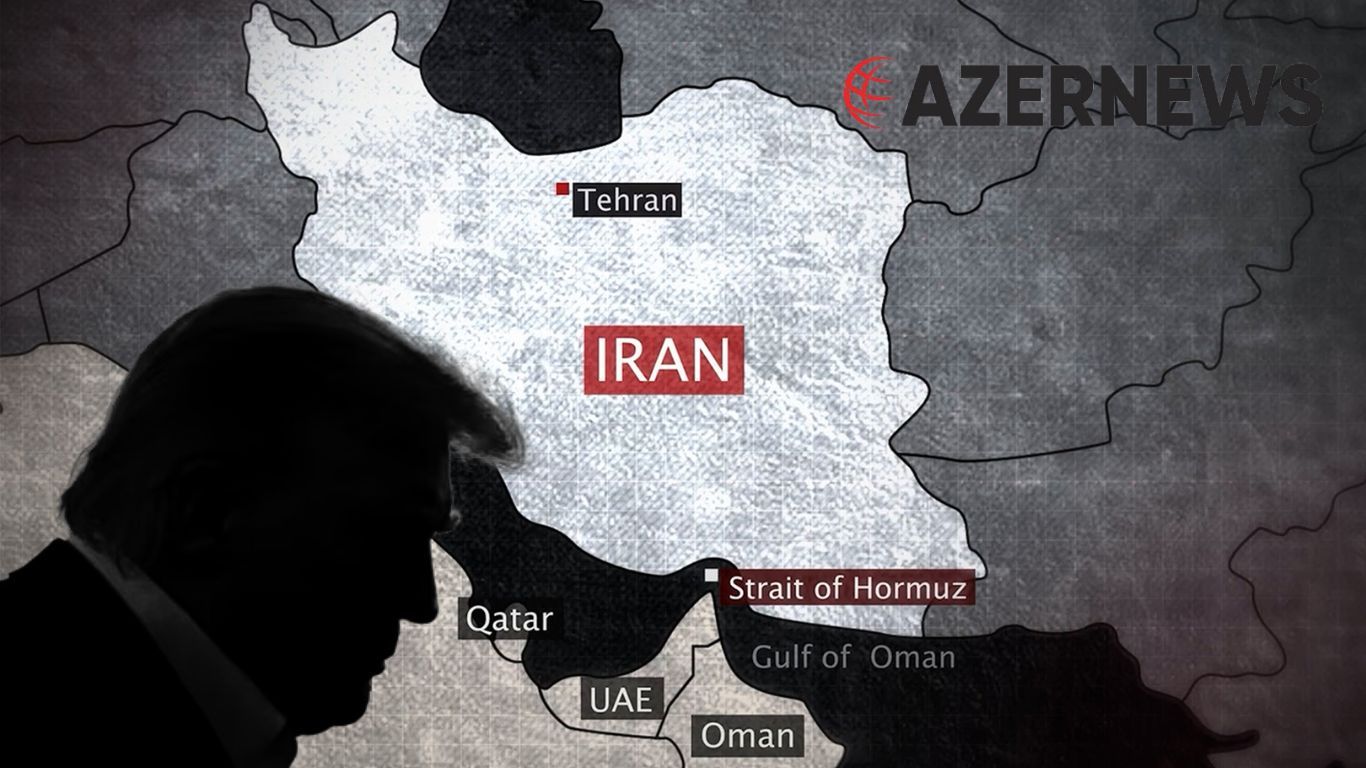
Trump’s Middle East ambitions falter as allies drift and Iran adapts
Elnur Enveroglu
Read moreThe current tensions between the United States, Israel and Iran have created more than new political fronts against Washington. No matter how the US army inflicted its deadliest strikes on Iran, its subservient strategy produced an inverted rivalry in which Washington’s traditional strength appears increasingly uncertain. What was once presented as a unified Anglo-American strategic order is now living through one of its most shaken moments.
Since returning to the office, Donald Trump has steadily pushed relations with European Union leaders and Britain into a colder, more confrontational phase. Unsatisfied with political pressure alone, the White House has tried to use economic coercion as leverage against allies that remain militarily and financially tied to the US. Nations long treated as partners have instead been made to feel dependent, vulnerable and publicly humiliated.
Trump’s eyes had increasingly turned away from Europe. He appeared to conclude that America’s economic future should be sought in the Middle East and Asia. Under MAGA logic, these regions were expected to serve US prosperity while accepting American dominance. However, events did not unfold as planned.
In front of Washington stood Iran, a state Trump seemed to view as weak, isolated and easily defeated. Rather than confront China directly, he has often preferred to pressure Beijing’s partners and test American power elsewhere. With Israel as a highly sensitive regional ally, the administration backed a new military campaign designed to weaken Tehran rapidly.
But within weeks, those assumptions were shattered.
The expectation that Iran could be disarmed in days and stripped of political will proved illusory. Instead of a swift strategic victory, the confrontation exposed a different balance of power than many in Washington had imagined. Iran endured, responded and adapted. America’s show of force suddenly looked far less decisive.
Then came the deeper shock: Europe did not stand beside Trump.
The reason was hardly mysterious. Trump has repeatedly questioned the value of NATO, mocked European weakness and treated tariffs as a weapon against supposed friends. His coldest instrument has long been the threat of punitive trade measures. That tactic initially looked effective, but China showed it could be neutralised through retaliation. The EU has done much the same through its anti-coercion instrument – widely known as the bloc’s “trade bazooka”.
That mechanism allows Brussels to respond to economic bullying with sweeping countermeasures, including restrictions on trade, procurement access, investment and financial flows. In short, Europe is no longer as helpless as Trump imagined.
And what of Britain? It too now faces similar pressure. Business leaders have called on Keir Starmer’s government to build a UK version of the EU-style trade bazooka after Trump threatened major tariffs unless Britain removed its digital services tax affecting US technology firms. London increasingly understands that one day the same game played against Brussels can be played against Britain.
So Trump’s tariff offensive is now meeting adequate resistance. The question is what comes next: Iran again, or perhaps Russia, or a wider pivot to Asia?
Whether Washington admits it or not, the inability to impose its will on Iran is already shaping a new dynamic in the Middle East. Tehran has moved quickly to launch fresh diplomatic initiatives with Gulf states and neighbouring powers. First Oman, then Turkey, and potentially Russia in the next phase. Iran is trying to help shape a new regional balance after what it sees as failed American moves.
The message to Gulf states is unmistakable: the US security umbrella may be more myth than guarantee. If Washington cannot decisively impose outcomes despite vast military superiority, then a new regional security architecture becomes thinkable.
Since late February, Iran and aligned forces have demonstrated the capacity to strike US-linked assets through thousands of missile and drone operations across the wider theatre. The strategic message is simple: a new alliance era may be approaching.
If that trend deepens, America could gradually be pushed further from the Middle East, while Israel may find itself more exposed in a region where automatic US backing no longer guarantees strategic control.
Could Trump’s next move be toward the Pacific? The question now hangs over Washington. Yet a president weighed down by controversy may no longer know how best to proceed.
Today, Trump stands without the full confidence of EU leaders, without unquestioned alliance unity, and without the grand Middle Eastern prestige he sought to construct. The US may have experienced in two months of regional confrontation what it did not fully endure in twenty years of war in Vietnam: the sudden realisation that overwhelming power does not always produce political victory.
Here we are to serve you with news right now. It does not cost much, but worth your attention.
Choose to support open, independent, quality journalism and subscribe on a monthly basis.
By subscribing to our online newspaper, you can have full digital access to all news, analysis, and much more.
You can also follow AzerNEWS on Twitter @AzerNewsAz or Facebook @AzerNewsNewspaper
Thank you!