
Europe remains the fastest-warming continent

Ulviyya Poladova
Read moreEurope is facing increasingly severe consequences of climate change, ranging from dangerously high air temperatures and prolonged droughts to widespread wildfires and record ocean warming, AzerNEWS reports, citing the press service of the UN.
These impacts are being felt across the continent, from the Arctic to the Mediterranean, according to the latest "State of the Climate in Europe 2025" report released by the European Centre for Medium-Range Weather Forecasts and the World Meteorological Organization.
The report highlights that Europe remains the fastest-warming continent in the world. In 2025, temperatures exceeded the long-term average across at least 95 percent of the region. At the same time, snow and ice cover continued to shrink, with growing consequences for ecosystems and human life.
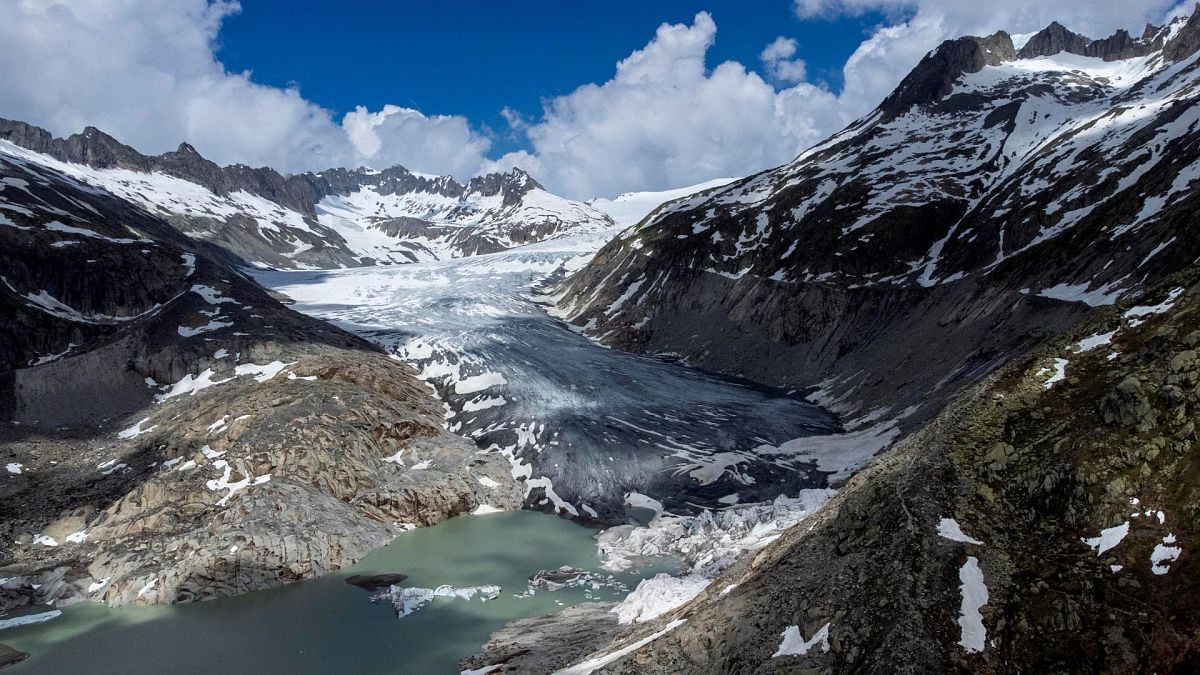
The effects of climate change are particularly pronounced in Europe’s coldest regions, including the Arctic and the Alps, where warming is accelerating at an alarming pace. Scientists warn that this trend is especially concerning because snow and ice play a crucial role in regulating the climate by reflecting sunlight back into space.
In March 2025, Europe’s snow cover was approximately 1.32 million square kilometers - 31 percent below average - marking the third lowest level since records began in 1983. In addition, all regions of Europe experienced a net loss of glacier mass, with Iceland recording its second-largest glacier mass loss on record.
Another alarming trend identified in the report is the rapid warming of the ocean. In 2025, the average annual sea surface temperature in the European region reached its highest level on record, marking the fourth consecutive year of record-breaking heat.
An estimated 86 percent of the region’s waters were affected by marine heatwaves, with 36 percent experiencing "strong" or "extreme" conditions - the highest proportion ever recorded.
Hot and dry conditions also fueled an unprecedented number of wildfires across Europe. Approximately 1,034,000 hectares of land were burned, setting a new record. Spain was among the hardest-hit countries, accounting for roughly half of the harmful emissions caused by the fires. Record emission levels were also reported in Cyprus, the United Kingdom, the Netherlands, and Germany.
Climate change is also placing increasing pressure on biodiversity across the continent. Rising temperatures, shifting rainfall patterns, and habitat loss are disrupting ecosystems and species survival. The report points to the impact of extreme heat on seagrass meadows in the Mediterranean Sea, as well as the destructive effects of wildfires on peatlands.
Image: Matthias Schrader / AP
Here we are to serve you with news right now. It does not cost much, but worth your attention.
Choose to support open, independent, quality journalism and subscribe on a monthly basis.
By subscribing to our online newspaper, you can have full digital access to all news, analysis, and much more.
You can also follow AzerNEWS on Twitter @AzerNewsAz or Facebook @AzerNewsNewspaper
Thank you!