
Non-oil sectors power ahead as Azerbaijan navigates energy turbulence

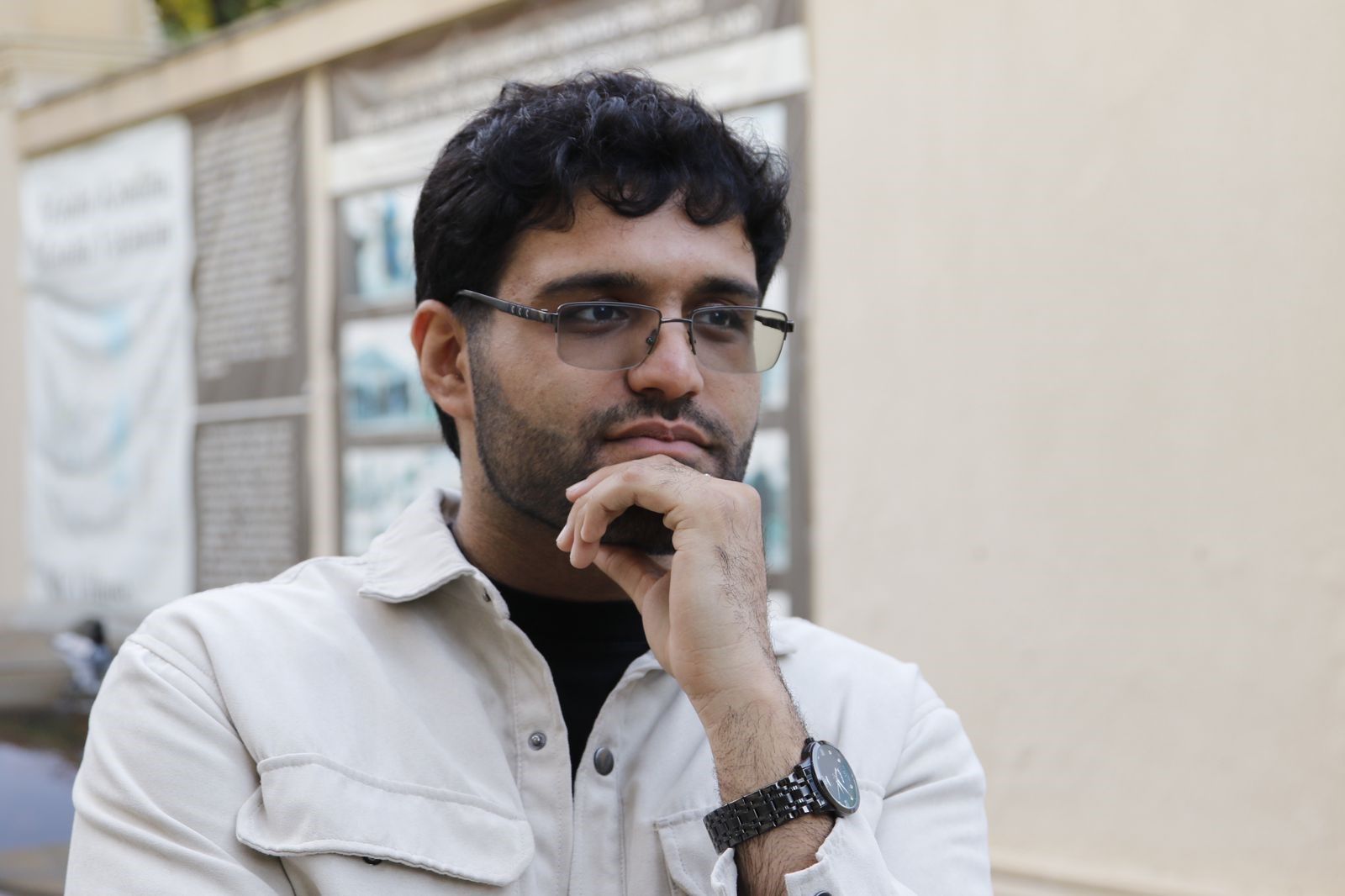
Akbar Novruz
Read moreA more fragile global backdrop is beginning to weigh on growth prospects, as highlighted by the International Monetary Fund in its April 2026 World Economic Outlook. The Fund trimmed its global growth forecast by 0.3 percentage points, while sharply lowering projections for oil-exporting economies by 2.6 percentage points. The revisions underscore rising uncertainty driven by persistent energy price volatility and intensifying geoeconomic tensions.
Against this backdrop, Azerbaijan’s economy showed mixed signals in the first quarter of 2026. Headline GDP contracted modestly by 0.3 per cent, largely reflecting external pressures in energy markets and a 3.4 per cent decline in oil production. Yet beneath the surface, the picture appears more resilient. Growth in the non-oil and gas sector continued to anchor economic activity, supported by robust domestic demand, steady investment flows and expansion across services and industry.
Industrial output in the non-oil sector rose by 7.0 per cent, while the information and communications sector expanded by 9.2 per cent and trade by 3.7 per cent. Per capita income increased by 6.6 per cent over the same period. Consumer market activity also strengthened, with the total value of goods sold and services provided rising by 4.6 per cent. Retail trade turnover grew by 3.7 per cent, public catering by 5.2 per cent and paid services by 8.8 per cent, indicating sustained consumption momentum despite external headwinds.
A notable drag came from the construction sector, where value added fell by 19.8 per cent. This decline reflects the phased execution of public investment programmes, seasonal factors affecting construction activity and the timing of large infrastructure projects. Authorities expect a rebound in the coming quarters as spending accelerates under the State Investment Programme, particularly in reconstruction efforts in the liberated territories and within the framework of the “Great Return” programme.
Temporary weakness was also observed in transport and tourism, sectors sensitive to geopolitical shifts and disruptions in international logistics. However, officials anticipate that renewed infrastructure activity and increased state investment will help restore growth momentum in these areas over the course of the year.
Investment trends point to continued confidence in the medium-term outlook. Total investment in fixed assets rose by 14.9 per cent in the first quarter, with a striking 44.6 per cent increase in the oil and gas sector. Meanwhile, investment in the non-state segment of the non-oil economy grew by 17.3 per cent, signalling expanding private sector participation.
External trade dynamics further reinforce the diversification narrative. Non-oil and gas exports increased by 11.7 per cent, outpacing import growth of 1.2 per cent by a wide margin, excluding gold imports by the State Oil Fund. Food exports rose by 25.1 per cent to $281mn, driven by sharp increases in key categories: sugar exports surged 4.5-fold, cotton yarn doubled, while vegetable and animal oils rose by 68.4 per cent and cotton fibre by 43.5 per cent. Exports of fruits and vegetables climbed by 22.1 per cent, aluminium products by 20.4 per cent, tea by 15.1 per cent and beverages by 4.3 per cent.
Agricultural exports increased by 26.6 per cent to $215.6mn, while agro-industrial exports grew by 27.4 per cent to $88mn. Combined, these segments expanded by 26.8 per cent to $303.7mn, highlighting the growing contribution of value-added production chains beyond hydrocarbons.
These trends suggest that Azerbaijan’s long-standing push to diversify its economic base is beginning to yield measurable results. The strengthening of non-oil sectors has enhanced the economy’s resilience to external shocks while creating a broader platform for sustainable growth.
Policy efforts continue to focus on improving the business climate and stimulating private sector development. At a meeting of the Economic Council on April 10, discussions centred on removing bottlenecks in infrastructure connectivity and industrial development. Complementing this, the Commission on Business Environment and International Ratings has expanded surveys among entrepreneurs covering areas such as trade operations, taxation, financial services and tourism, an approach aimed at aligning reforms with business needs.
International institutions have taken note. The World Bank, through its Business Ready 2025 (B-Ready) report, has for the first time assessed Azerbaijan across regulatory frameworks, public services, and operational efficiency. Both the World Bank and the IMF have revised their 2026 growth forecasts for the country upward to 2.0 per cent and 2.2 per cent, respectively, reflecting confidence in the government’s macroeconomic management and structural reform agenda.
Looking ahead, authorities are preparing the “Socio-economic Development Strategy for 2027–2030”, which is expected to define a new phase of growth centred on higher productivity, diversification, and stronger public-private partnerships. In an increasingly uncertain global environment, Azerbaijan’s challenge will be to sustain this transition while navigating continued volatility in its traditional energy base.
Here we are to serve you with news right now. It does not cost much, but worth your attention.
Choose to support open, independent, quality journalism and subscribe on a monthly basis.
By subscribing to our online newspaper, you can have full digital access to all news, analysis, and much more.
You can also follow AzerNEWS on Twitter @AzerNewsAz or Facebook @AzerNewsNewspaper
Thank you!