
Swedish king controversy reveals monarchy’s democratic contradiction

AzerNEWS Staff
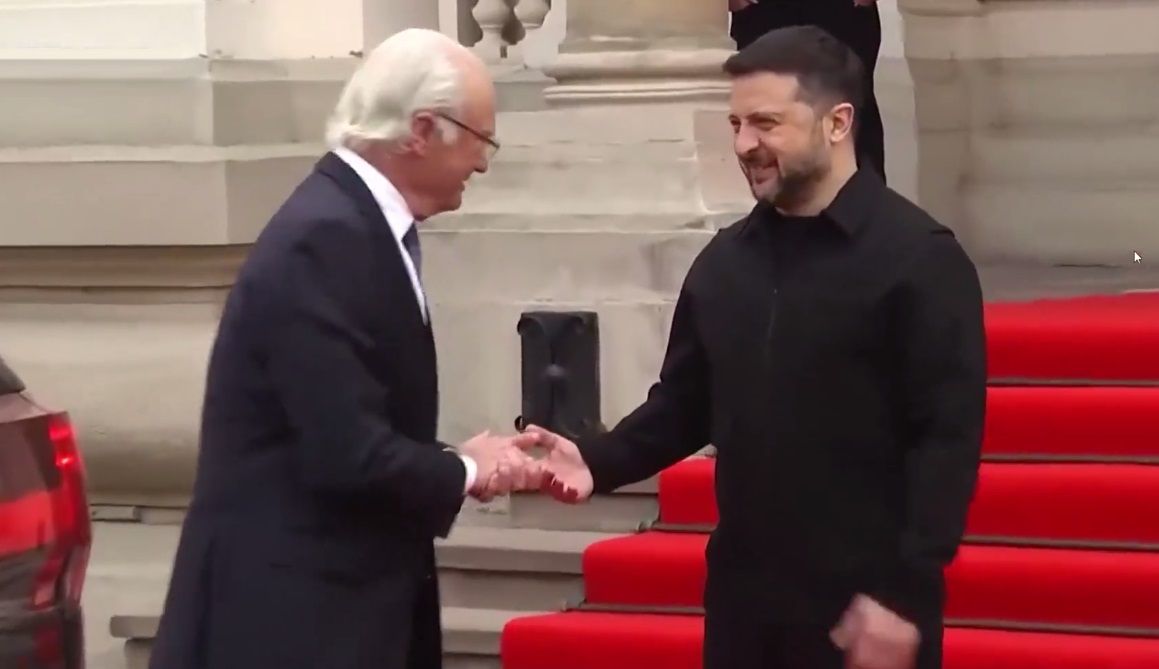
Read moreWhether or not the Swedish king’s apparent refusal to greet Volodymyr Zelensky was intentional, the incident has reignited a larger question Europe rarely confronts honestly: why does hereditary monarchy still survive in societies that claim to prize equality?
Defenders will say royal etiquette is misunderstood, that Nordic reserve can be mistaken for coldness, and that constitutional monarchs wield little real power. Some of that is true. But symbolism matters. Monarchies are built entirely on symbolism, hierarchy and inherited status. They ask democratic societies to accept that one family remains permanently elevated above all others by birthright alone.
This is Europe’s quiet contradiction. The continent often presents itself as the global champion of liberal values, meritocracy and human rights. Yet it continues to preserve institutions rooted in feudal privilege and deference. Crowns may now be ceremonial, but the logic behind them is ancient.
In the 21st century, elected leaders answer to voters. Monarchs answer to tradition. That difference matters more than many would like to admit. If Europe wishes to speak credibly about equality, it must eventually reckon with the inequalities it still romanticises at home.
Here we are to serve you with news right now. It does not cost much, but worth your attention.
Choose to support open, independent, quality journalism and subscribe on a monthly basis.
By subscribing to our online newspaper, you can have full digital access to all news, analysis, and much more.
You can also follow AzerNEWS on Twitter @AzerNewsAz or Facebook @AzerNewsNewspaper
Thank you!