
Global forced displacement remains at critical levels despite recent decline

Ulviyya Poladova
Read moreThe number of people forced to flee their homes has declined for the first time in a decade, AzerNEWS reports.
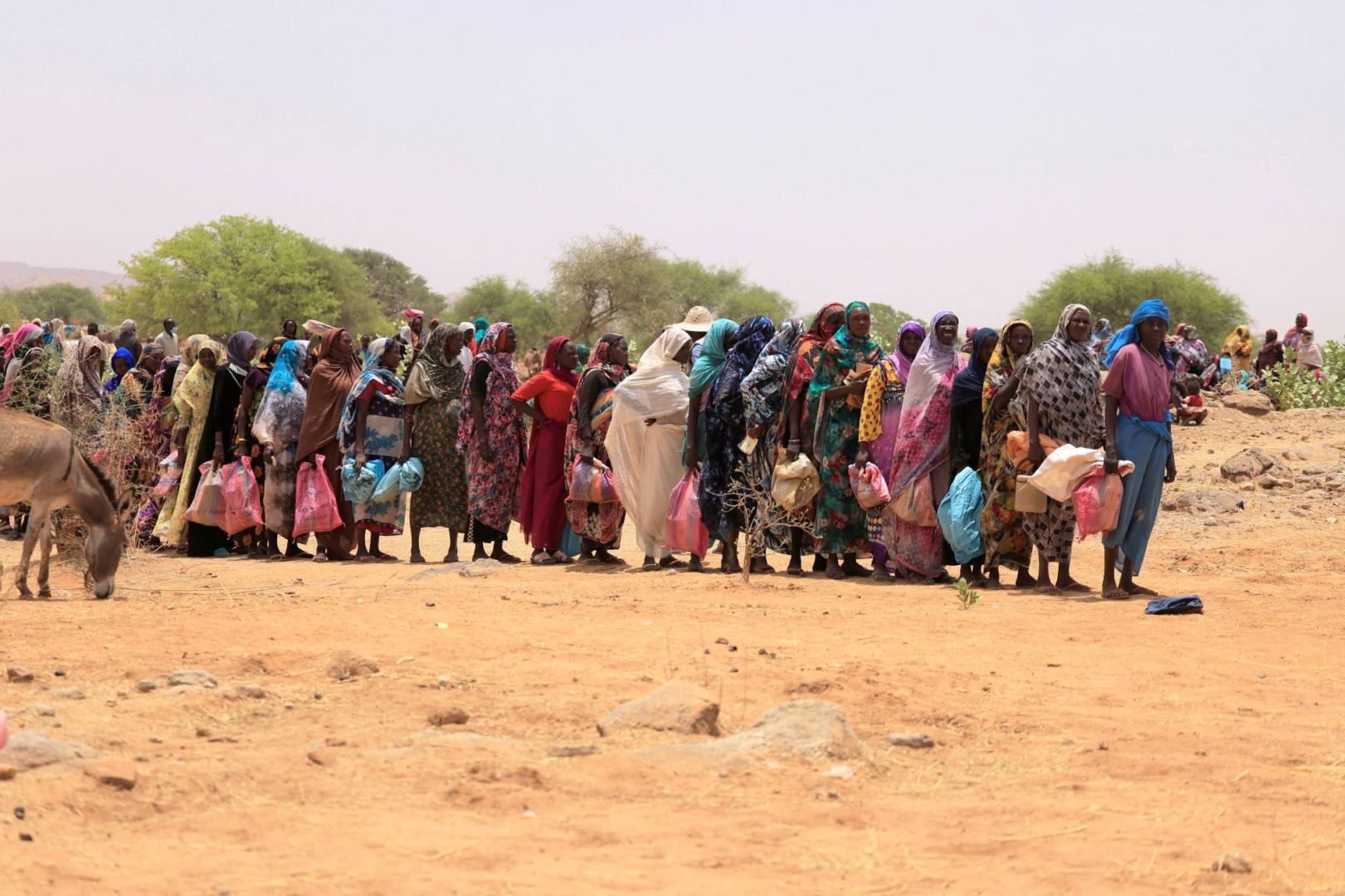
According to the latest report presented by the United Nations High Commissioner for Refugees (UNHCR), the scale of forced displacement remains alarmingly high, with 5.4 million people compelled to seek asylum outside their countries in 2025 due to conflict and persecution.
UNHCR noted that while this marks a slight improvement, global displacement continues to represent a major humanitarian challenge. The report highlights that millions remain affected by instability, violence, and political persecution worldwide.
At the same time, the number of returns to home countries has significantly increased. In the past year alone, 14.7 million people returned to their places of origin, including 4.4 million refugees and 10.3 million internally displaced persons. Notable increases in returns were recorded in Afghanistan, Sudan, and Syria.
According to UNHCR data, refugee returns reached the second-highest level in six decades of monitoring. However, the agency cautioned that many of these returns were not fully voluntary, often taking place under pressure and in highly unstable conditions.
As a result, the global refugee population declined by 3 percent over the year, reaching 41.6 million people.
Despite this decline, nearly 70 percent of refugees continue to live in long-term displacement, often under conditions of poverty. Nearly 68 percent reside in low- and middle-income countries, placing significant pressure on host communities.
UNHCR aims to reduce by more than half the number of refugees living in prolonged displacement and dependent on humanitarian assistance by 2035. The agency proposes expanding opportunities for voluntary return, resettlement in third countries, and humanitarian visas, while also promoting refugees’ financial independence.
Achieving these goals, UNHCR stressed, requires coordinated efforts from governments, humanitarian organizations, the private sector, and civil society. A key priority is ensuring that refugees can access protection while also gaining pathways to economic independence.
The agency also called for conditions that allow refugees’ incomes to remain above national poverty lines in host countries.
Another central focus is the integration of refugees into national education systems, healthcare services, financial institutions, and labor markets. UNHCR believes such integration would enable refugees to become self-sufficient and contribute to the development of host countries, although this requires additional investment and international support.
According to the report, the number of people arriving in third countries through resettlement and sponsorship programs fell by more than half in 2025, dropping to just 81,800 individuals.
Image: Zohra Bensemra / Reuters
Here we are to serve you with news right now. It does not cost much, but worth your attention.
Choose to support open, independent, quality journalism and subscribe on a monthly basis.
By subscribing to our online newspaper, you can have full digital access to all news, analysis, and much more.
You can also follow AzerNEWS on Twitter @AzerNewsAz or Facebook @AzerNewsNewspaper
Thank you!