
Trans-Caspian forum highlights growing strategic importance of Middle Corridor [PHOTOS]
![Trans-Caspian forum highlights growing strategic importance of Middle Corridor [PHOTOS]](https://www.azernews.az/media/2026/06/11/17811526751193533098_1200x630.jpg)

Ulviyya Poladova
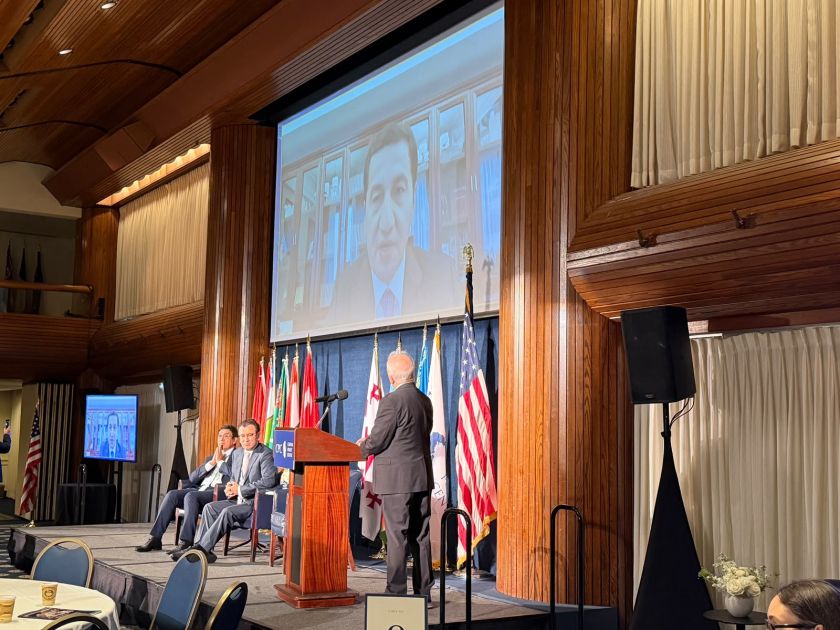
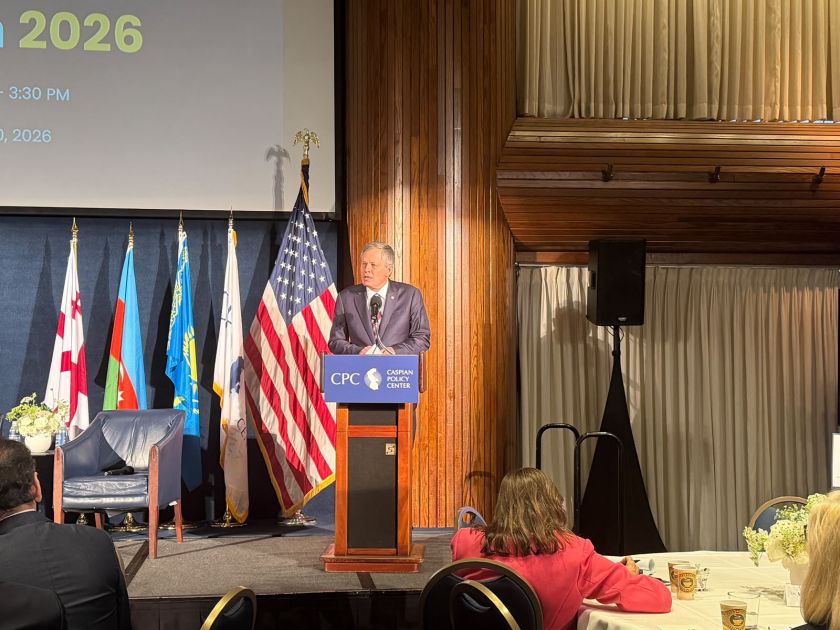
Read moreThe annual Trans-Caspian Forum, organized by the Caspian Policy Center, was held in Washington, bringing together senior officials from Azerbaijan, the United States, Kazakhstan, Uzbekistan, Kyrgyzstan, Türkiye, and other countries, AzerNEWS reports.
This year’s event coincided with the CPC’s 10th anniversary.
The forum was organized under the theme "Middle Corridor at a Turning Point: Developing the Next-Generation for the Trans-Caspian Region."
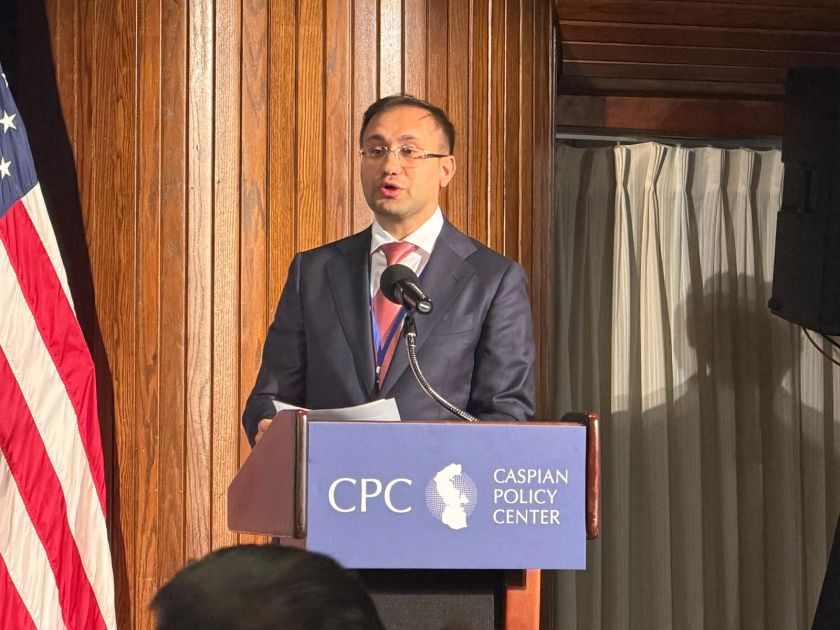
Afgan Nifti, Chief Executive Officer of the Caspian Policy Center, noted that U.S. interest in Central Asia and the South Caucasus continues to grow in the fields of energy, technology, and critical minerals. He emphasized that the White House meeting between the leaders of Azerbaijan and Armenia, attended by President Donald Trump in August last year, as well as the reception of Central Asian leaders in Washington under the C5 format, demonstrated the increasing strategic importance the United States attaches to the region and its commitment to deeper cooperation.
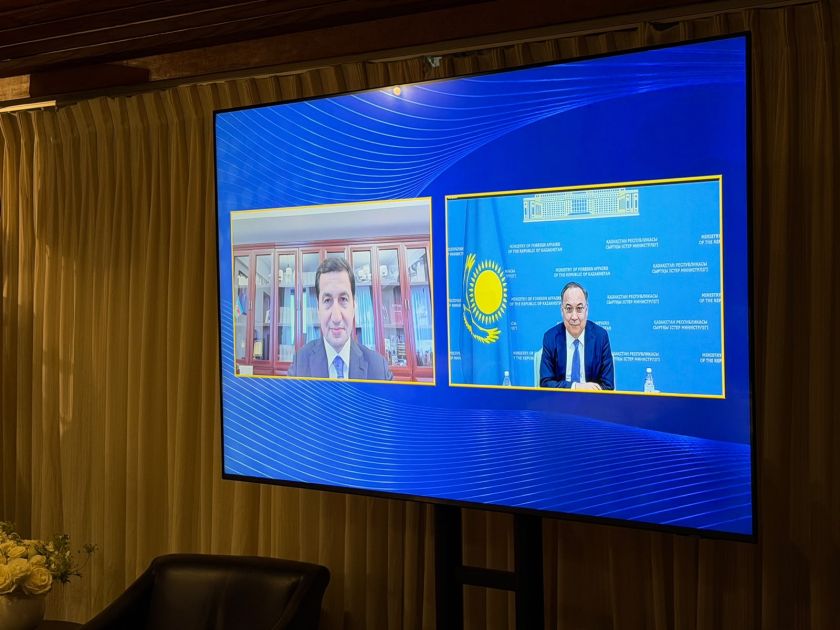
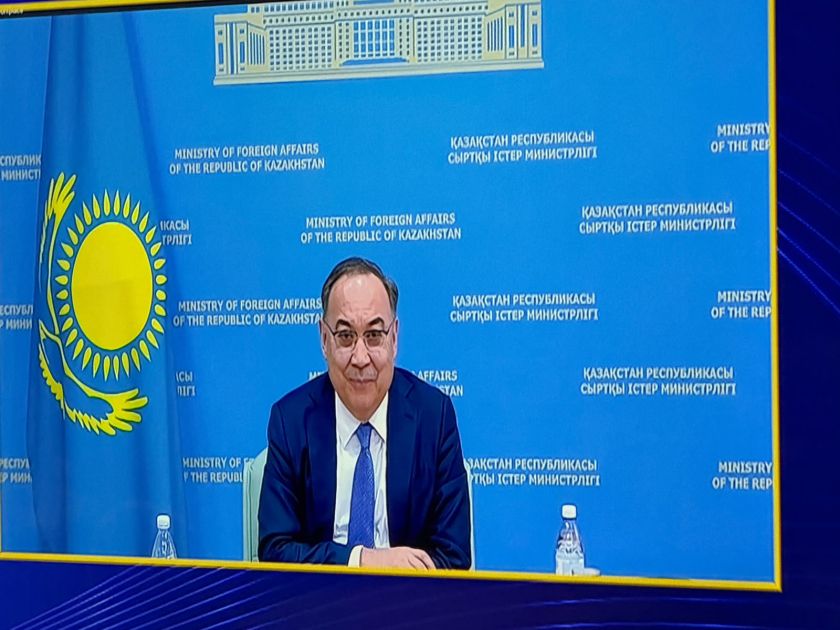
Addressing the forum via a video link, Erzhan Kazykhan, Special Representative of the President of Kazakhstan for Negotiations with the US, emphasized that Kazakhstan sees broad opportunities for further enhancing cooperation with the US and regional partners. He noted that Kazakhstan is working with neighboring countries to develop the digital component of the Middle Corridor. In this regard, Kazykhan highlighted the Trans-Caspian fiber-optic cable project, which will connect Kazakhstan and Azerbaijan via the Caspian Sea. According to Kazykhan, the project is expected to be completed by the end of 2026.
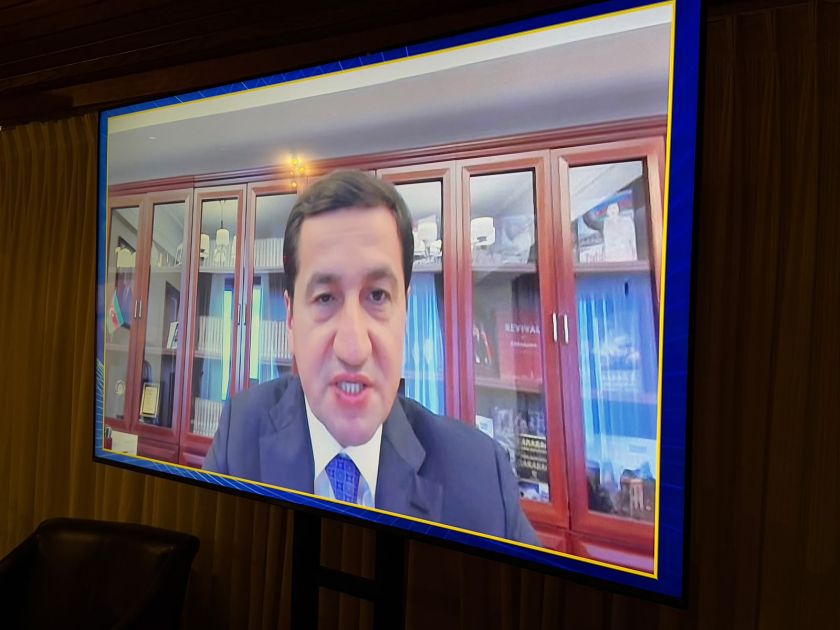
Hikmet Hajiyev, Assistant to the President of Azerbaijan and Head of the Foreign Policy Affairs Department of the Presidential Administration, stated in his online address that the Middle Corridor has evolved beyond a transportation route and is becoming a strategic geo-economic system linking Europe, the South Caucasus, Central Asia, and other regions. According to Hajiyev, the corridor is currently entering a new phase of transformation and expansion. He stressed that amid escalating conflicts in the Gulf and Middle East regions, the strategic significance of the Middle Corridor is increasing further.
Javlon Vakhabov, Deputy Advisor to the President of Uzbekistan, mentioned that the existence of alternative routes that could expand the access of the entire Central Asian region to foreign markets is of great importance.
Edil Baisalov, Special Representative of the President of Kyrgyzstan for International Initiatives, highlighted the new opportunities created by the Central Corridor for both Kyrgyzstan and the wider region.
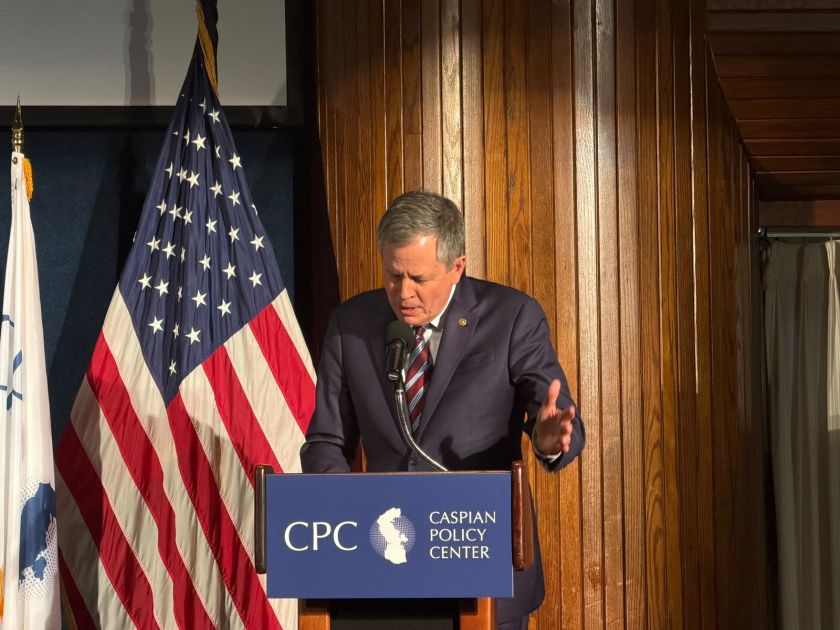
Special guest Senator Steve Daines, a member of the U.S. Senate Foreign Relations Committee, stated that the United States, Central Asia, and the South Caucasus are becoming increasingly interconnected from a strategic perspective.
The conference continued with panel discussions on topics such as "The Middle Corridor: Strengthening Strategic Choice and Building Secure Networks", "Digital Sovereignty and Industrial Artificial Intelligence: Technology as the Next Vector of Development", "Critical Minerals", "Energy Security: The Caspian Basin in a Changing Global Market" and "Business Investments Along the Middle Corridor".
Representatives of government institutions, experts, and business leaders from Azerbaijan, the United States, and other countries participated in the panel sessions, sharing their perspectives and experiences on key regional and global developments.
Here we are to serve you with news right now. It does not cost much, but worth your attention.
Choose to support open, independent, quality journalism and subscribe on a monthly basis.
By subscribing to our online newspaper, you can have full digital access to all news, analysis, and much more.
You can also follow AzerNEWS on Twitter @AzerNewsAz or Facebook @AzerNewsNewspaper
Thank you!