
Exclusive interview with Vagif Kerimov from Canada – from La Scala to unique voice of Master [PHOTOS/ VIDEO]

Alimat Aliyeva
Read moreThere are people who, due to their natural modesty, rarely talk about themselves, don't seek publicity, and aren't accustomed to sharing their own achievements. Therefore, their names, unfortunately, remain little known to the general public. Meanwhile, it is precisely these individuals who have represented their country on the international stage for decades, preserving national musical traditions and nurturing new generations of talented performers.
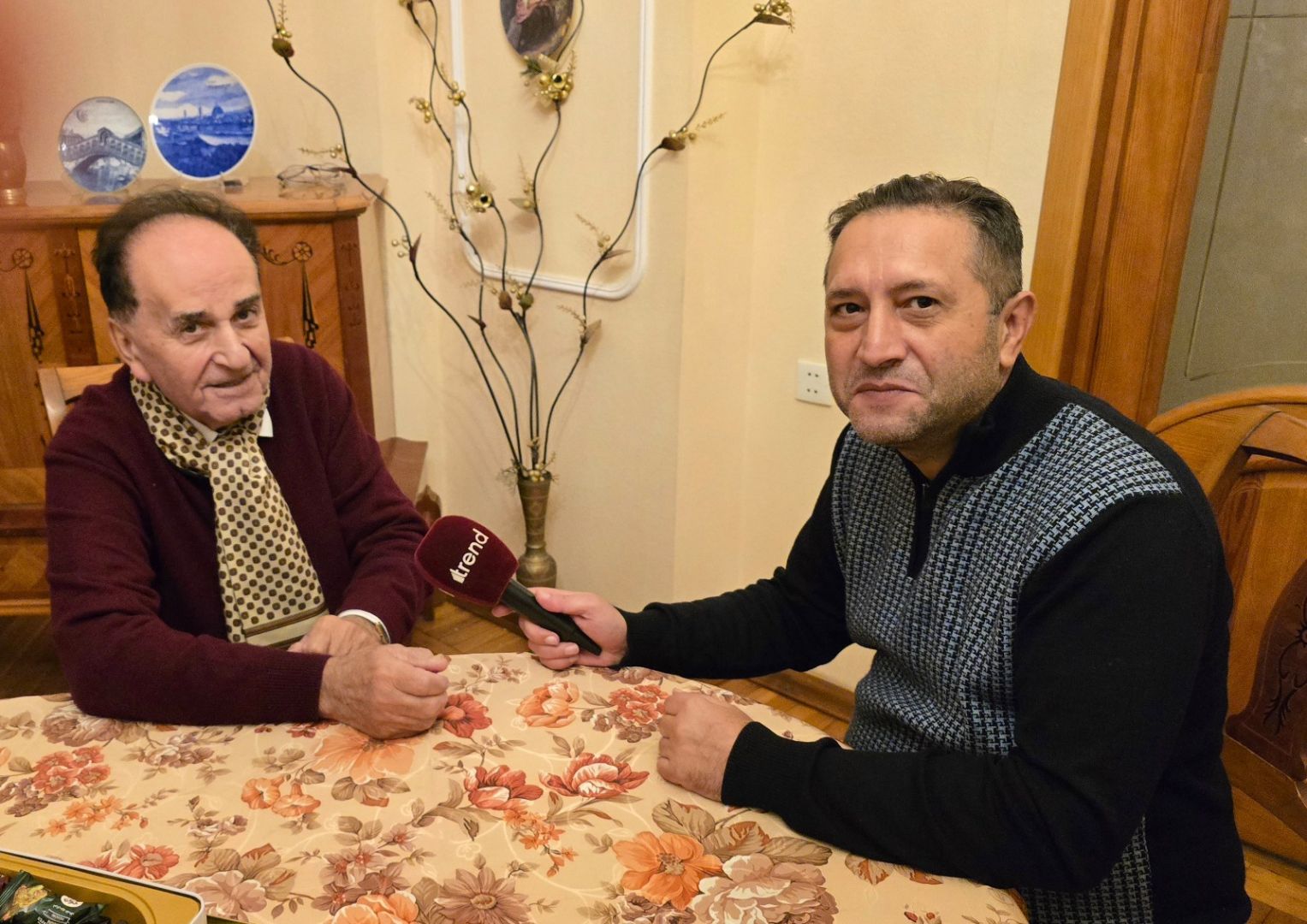
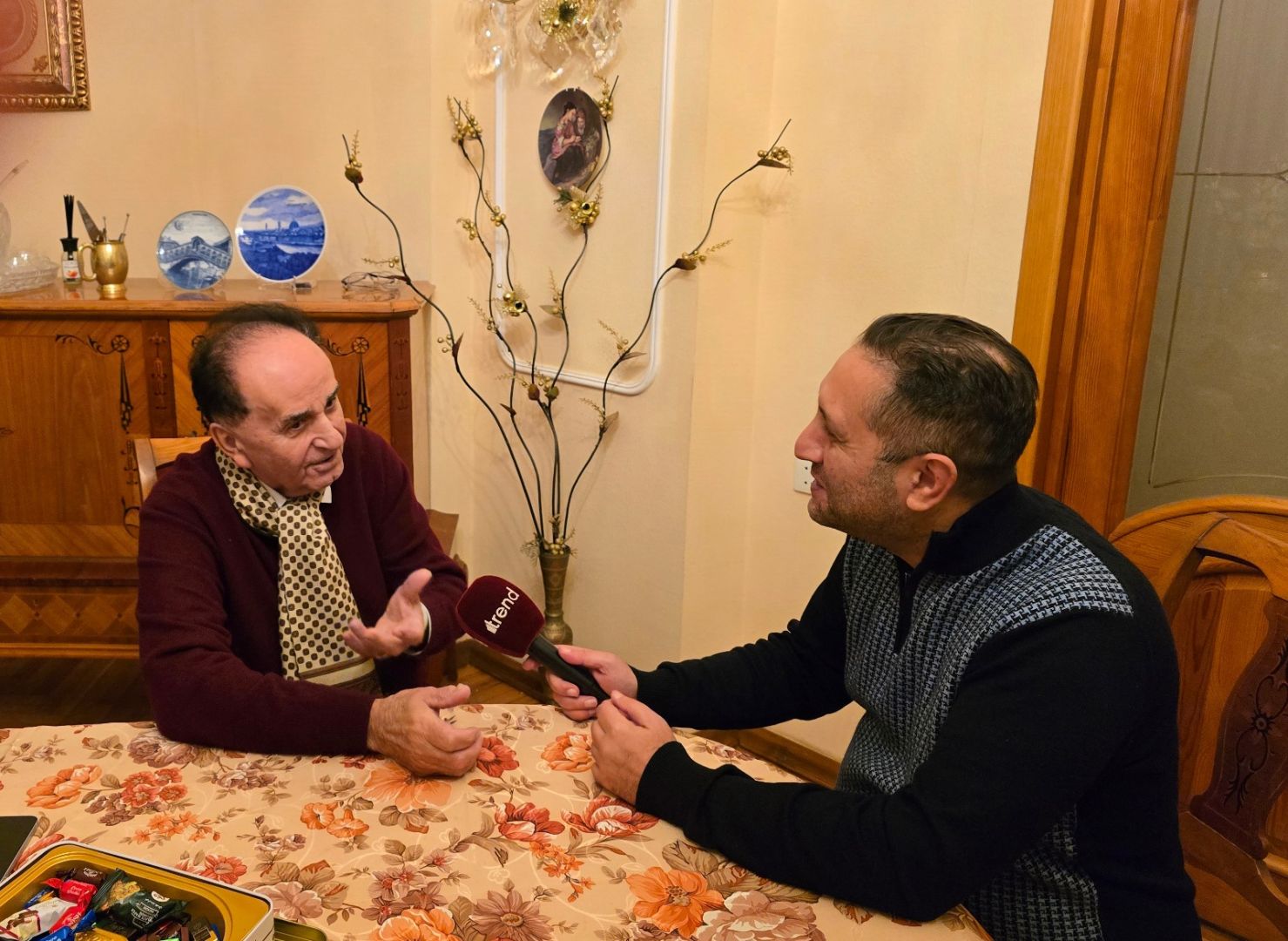
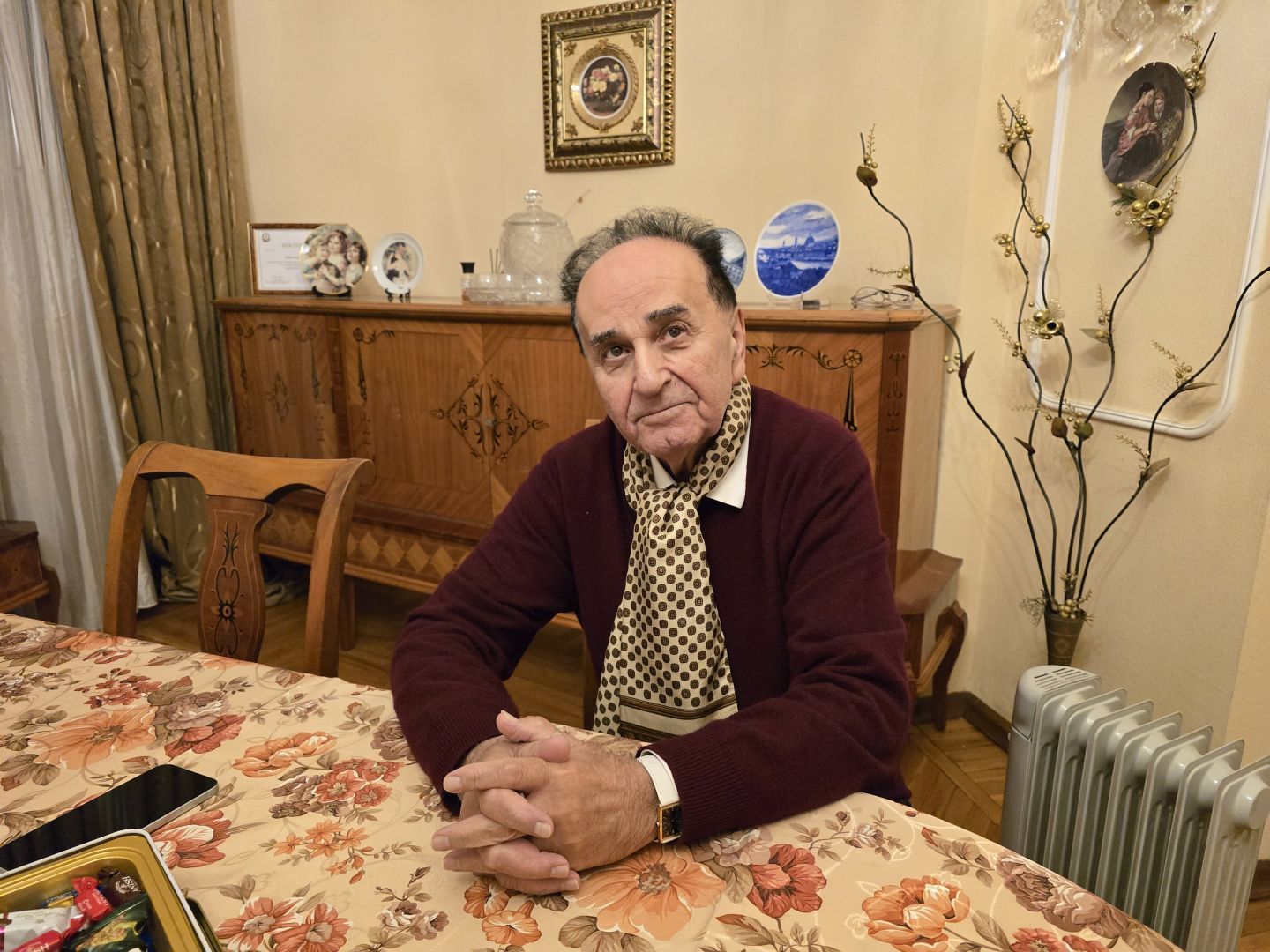
We present to AzerNEWS readers a conversation with a unique figure: Honored Artist of Azerbaijan, opera singer, and teacher Vagif Kerimov, who has lived and worked in Canada for nearly 35 years. This year, the maestro turned 80. Having completed a professional school in Italy, interned at Milan's legendary La Scala, performed internationally, and shared his experience with young performers in Turkey and Canada, he has remained faithful to music for decades and continues to represent national culture abroad.
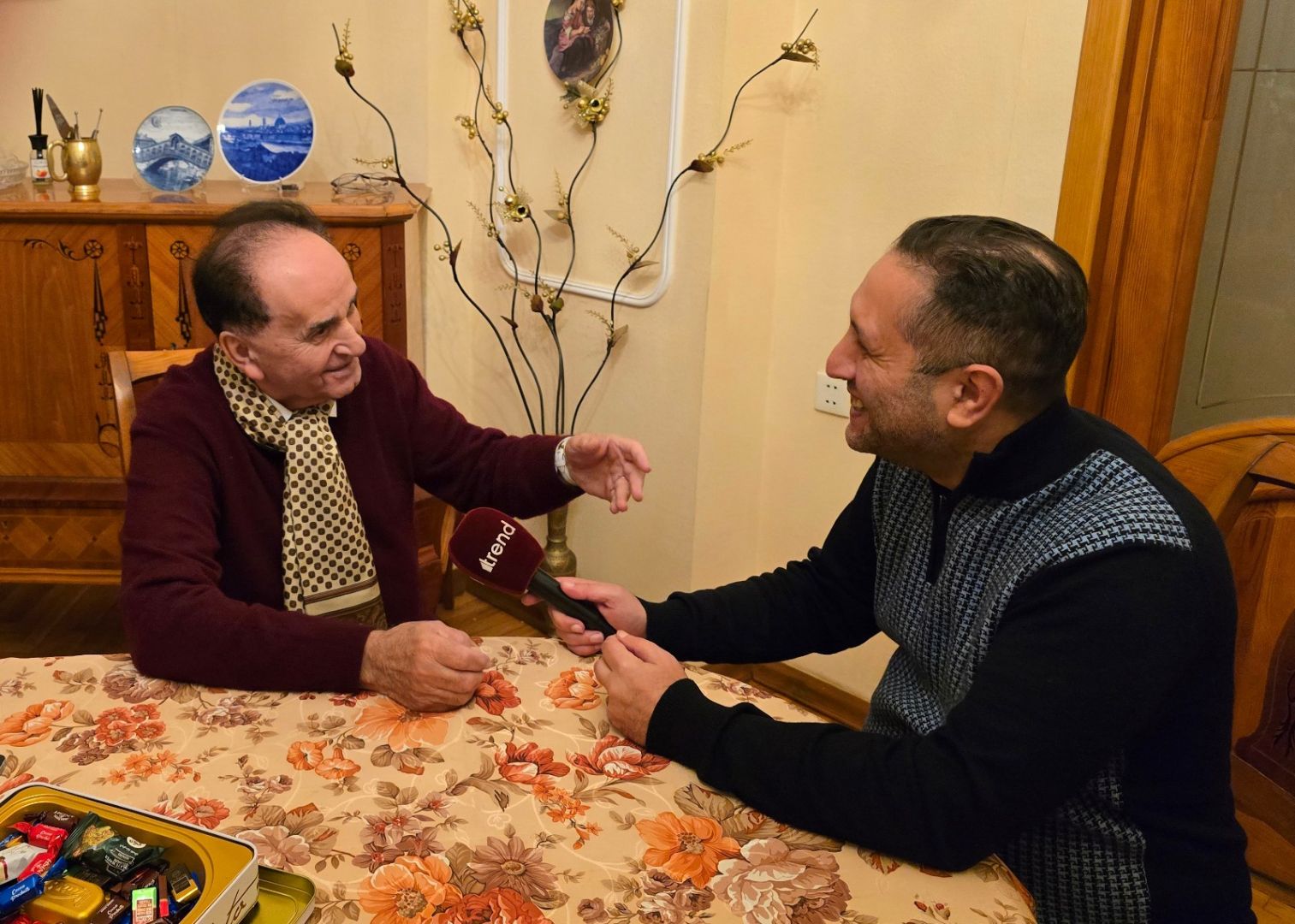
Despite many years living far from his homeland, Baku holds a special place in his heart, and the opportunity to perform on his native stage again remains one of his most cherished artistic dreams. The maestro was in the capital of Azerbaijan for just a week, and we had the opportunity to meet him. Remarkably, this conversation was his first interview in his many years of creative work.
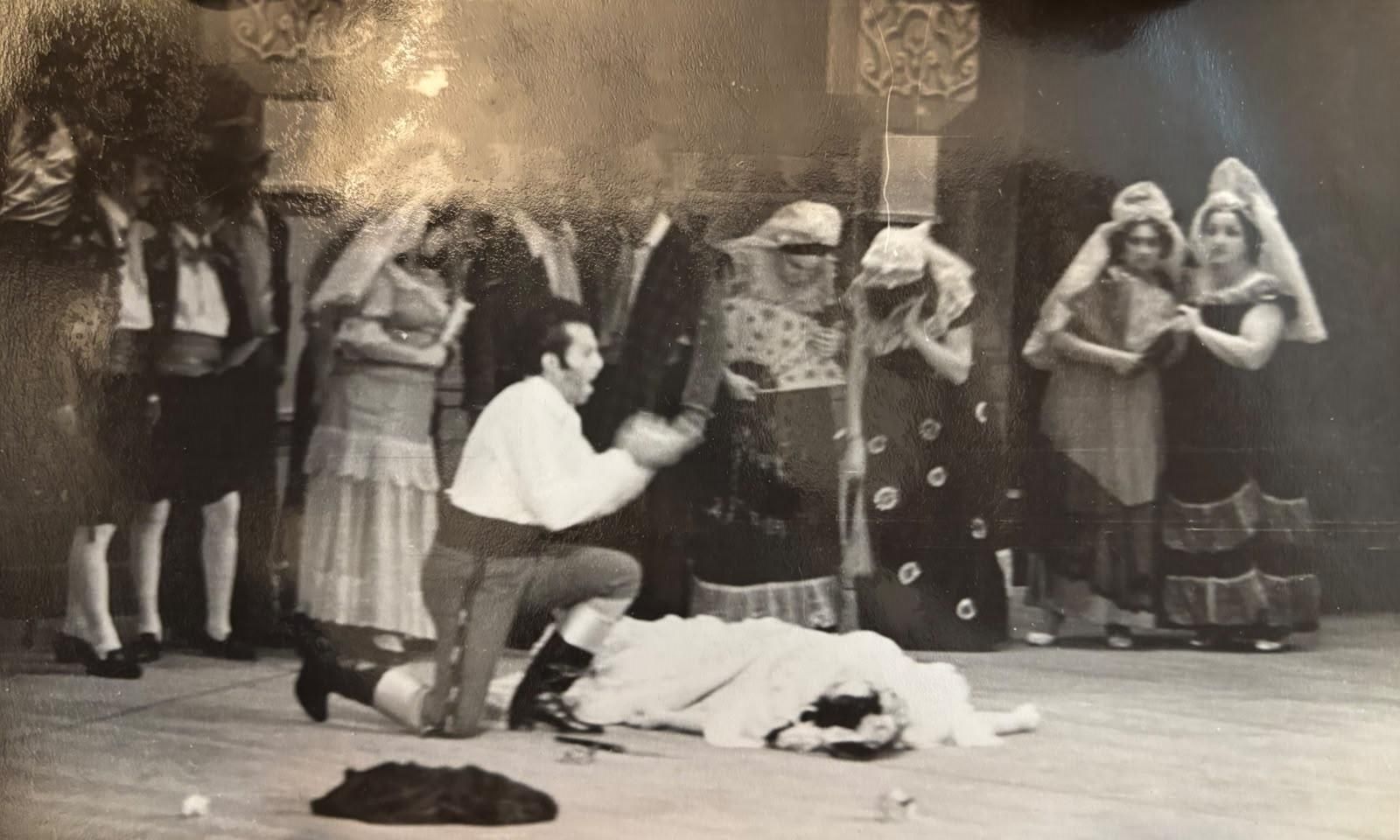
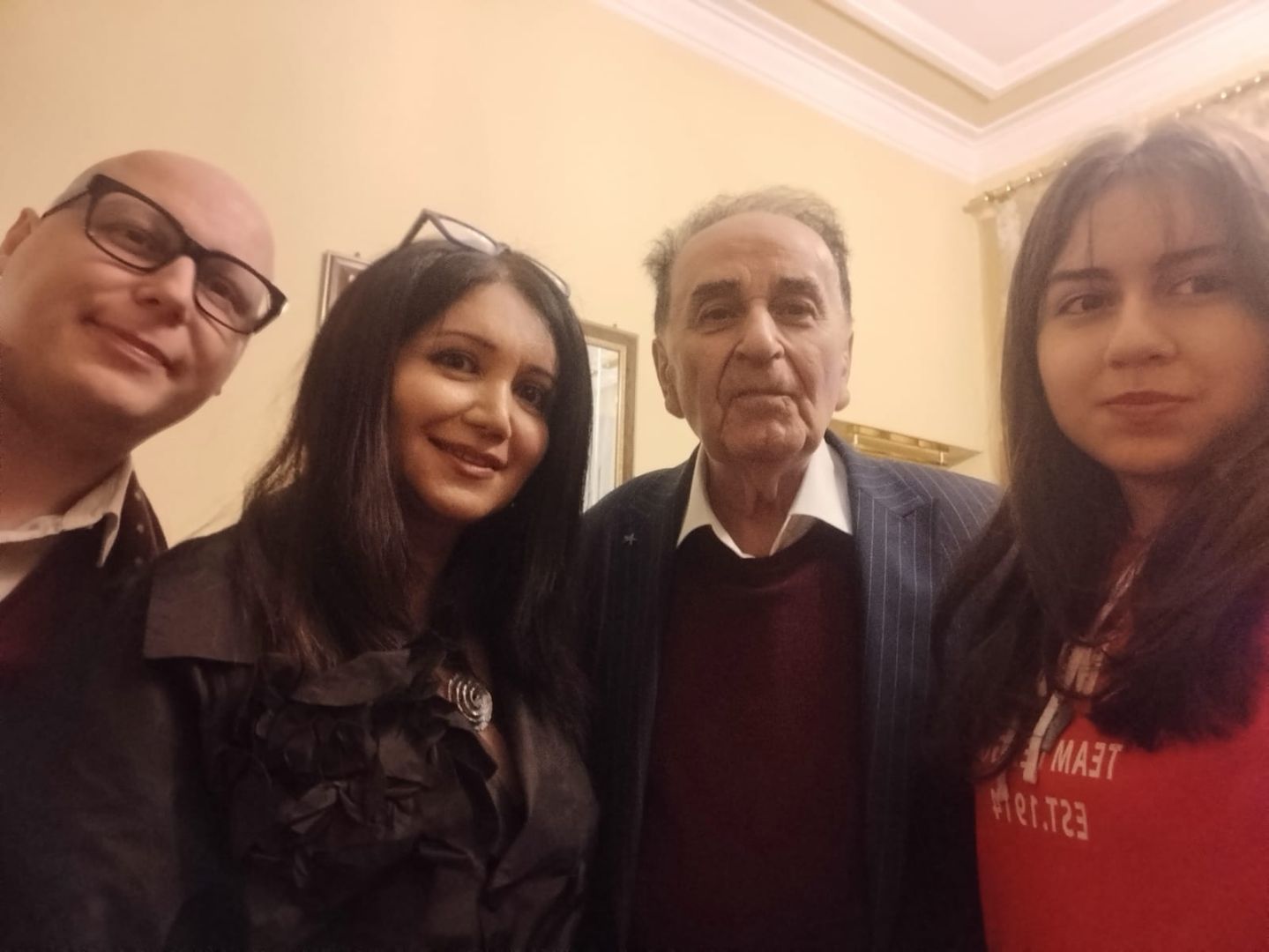
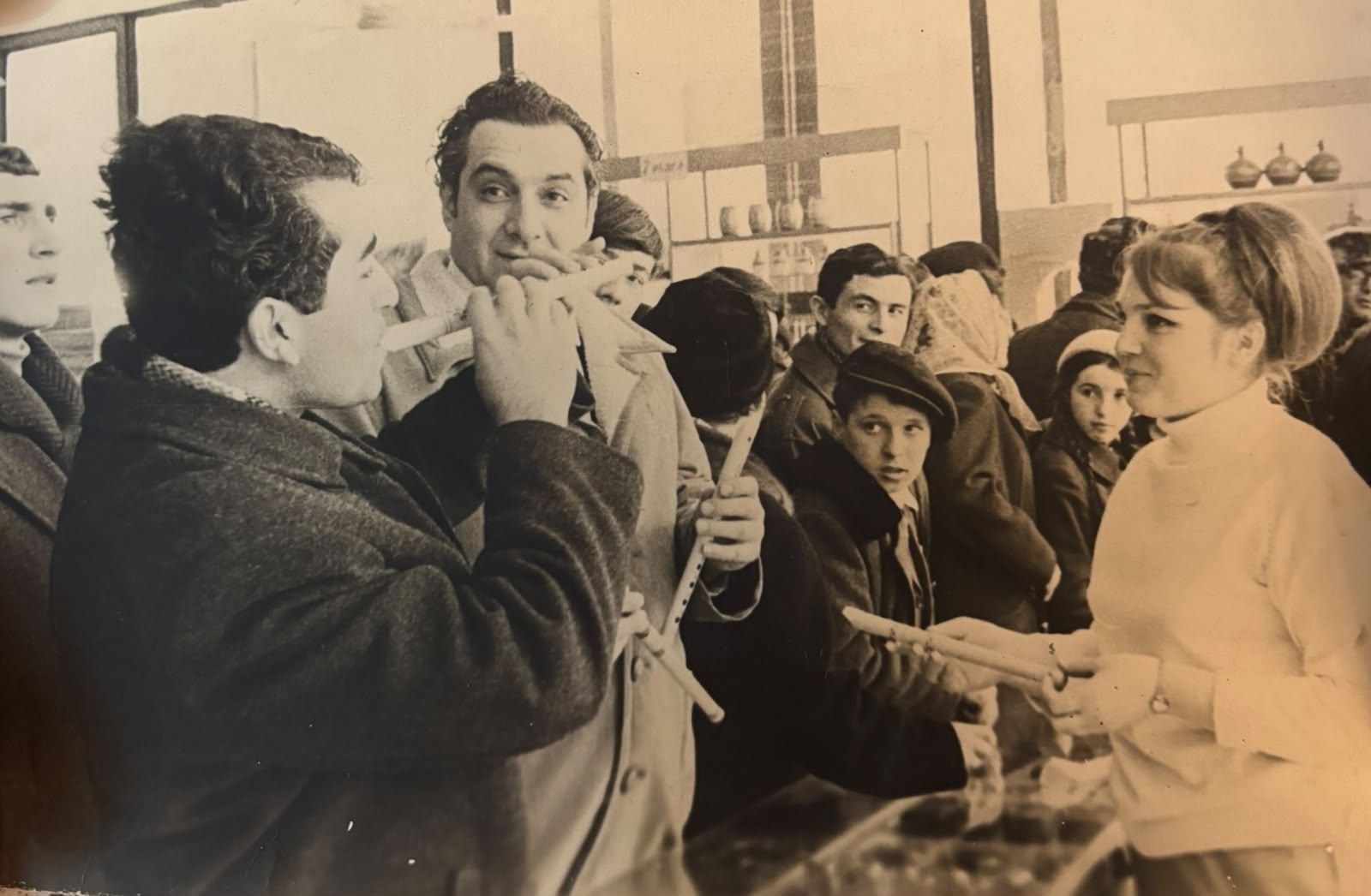
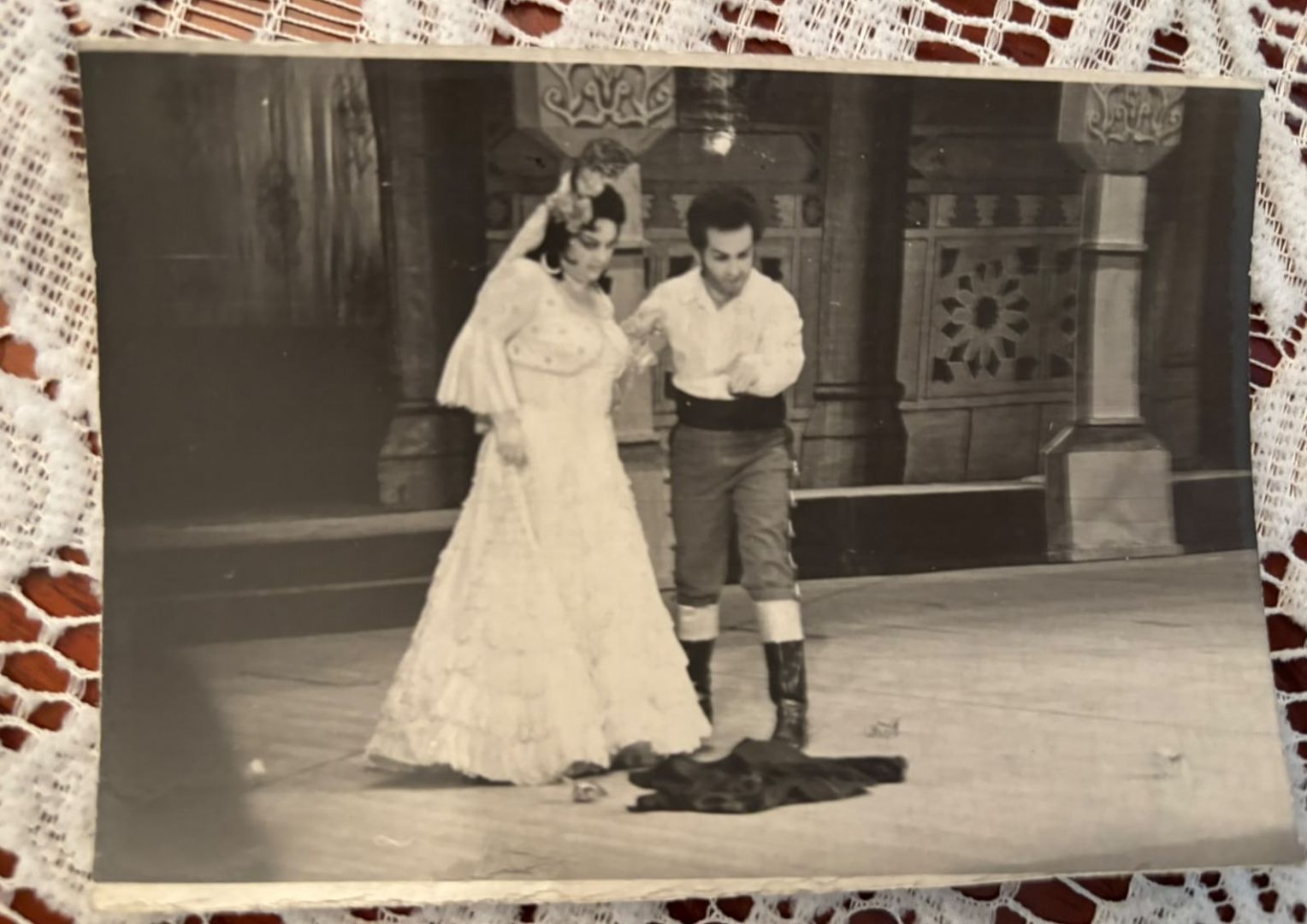
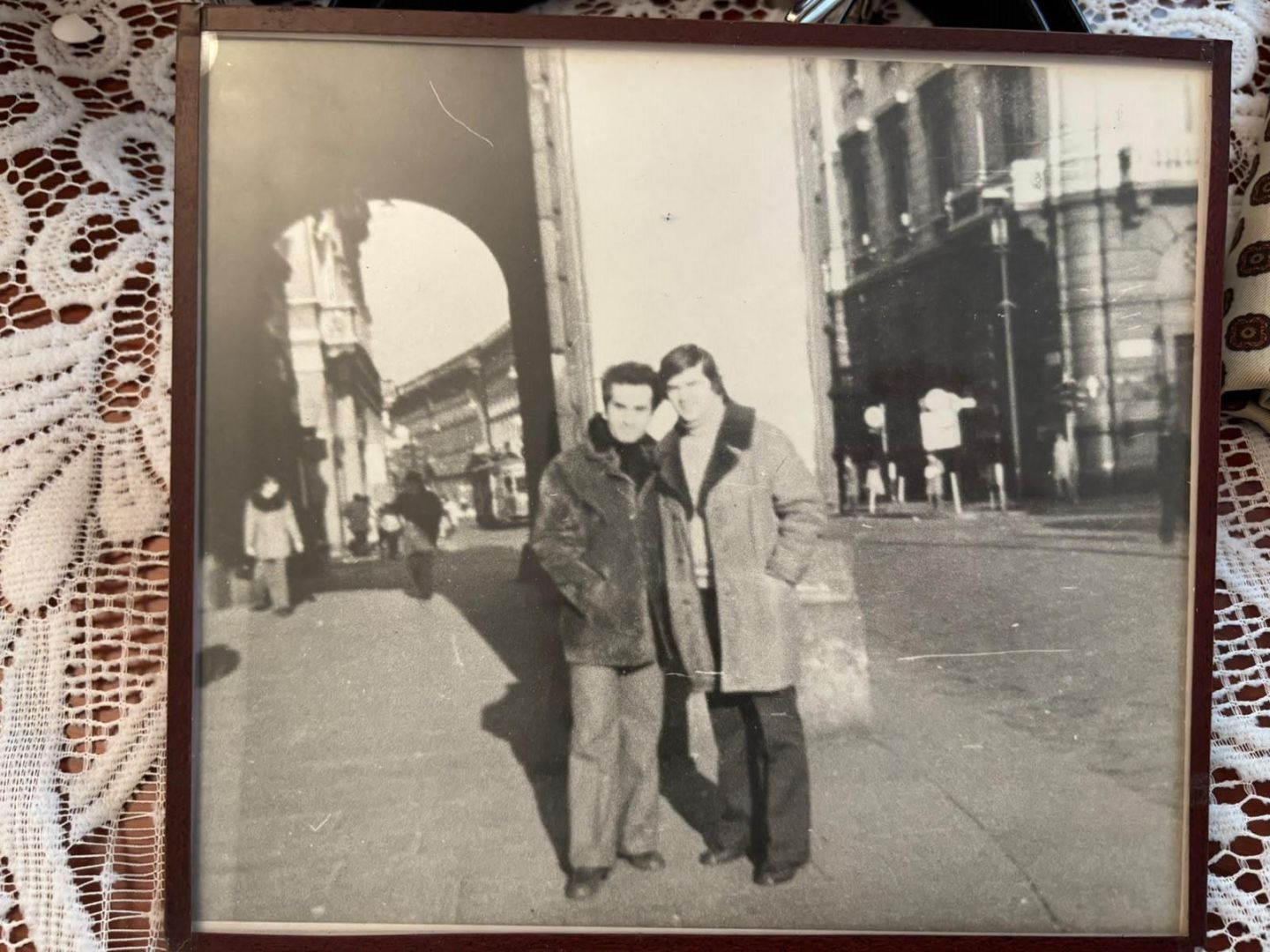
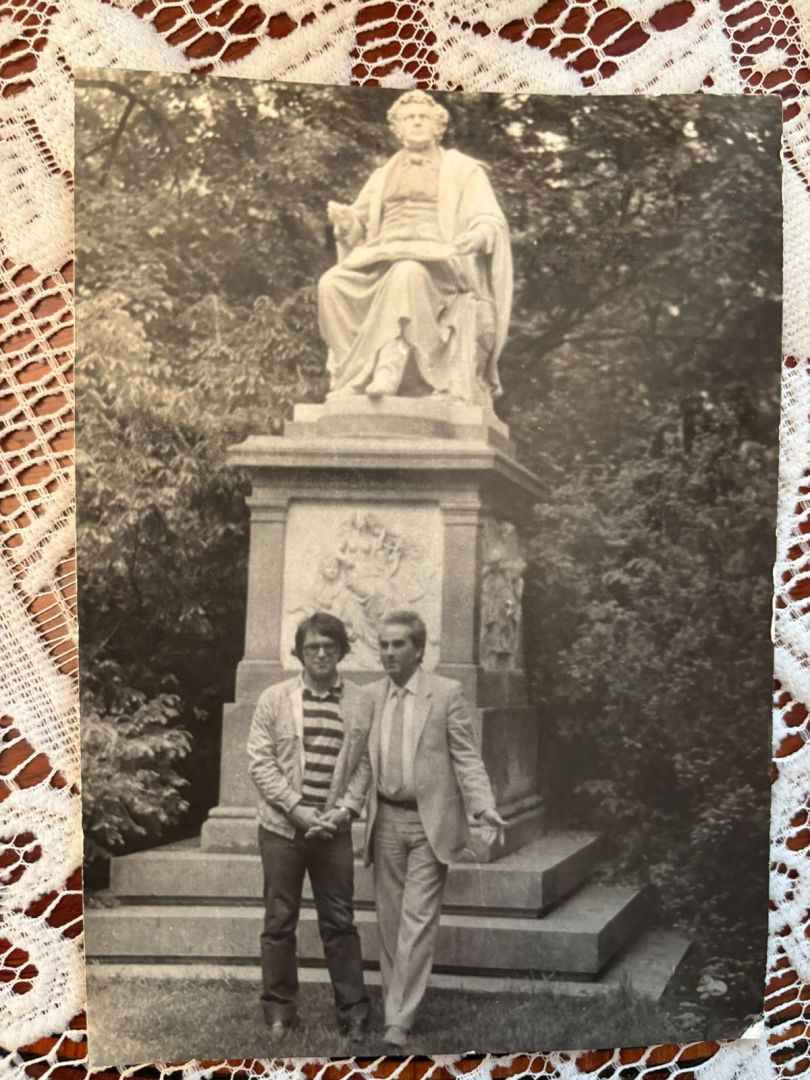
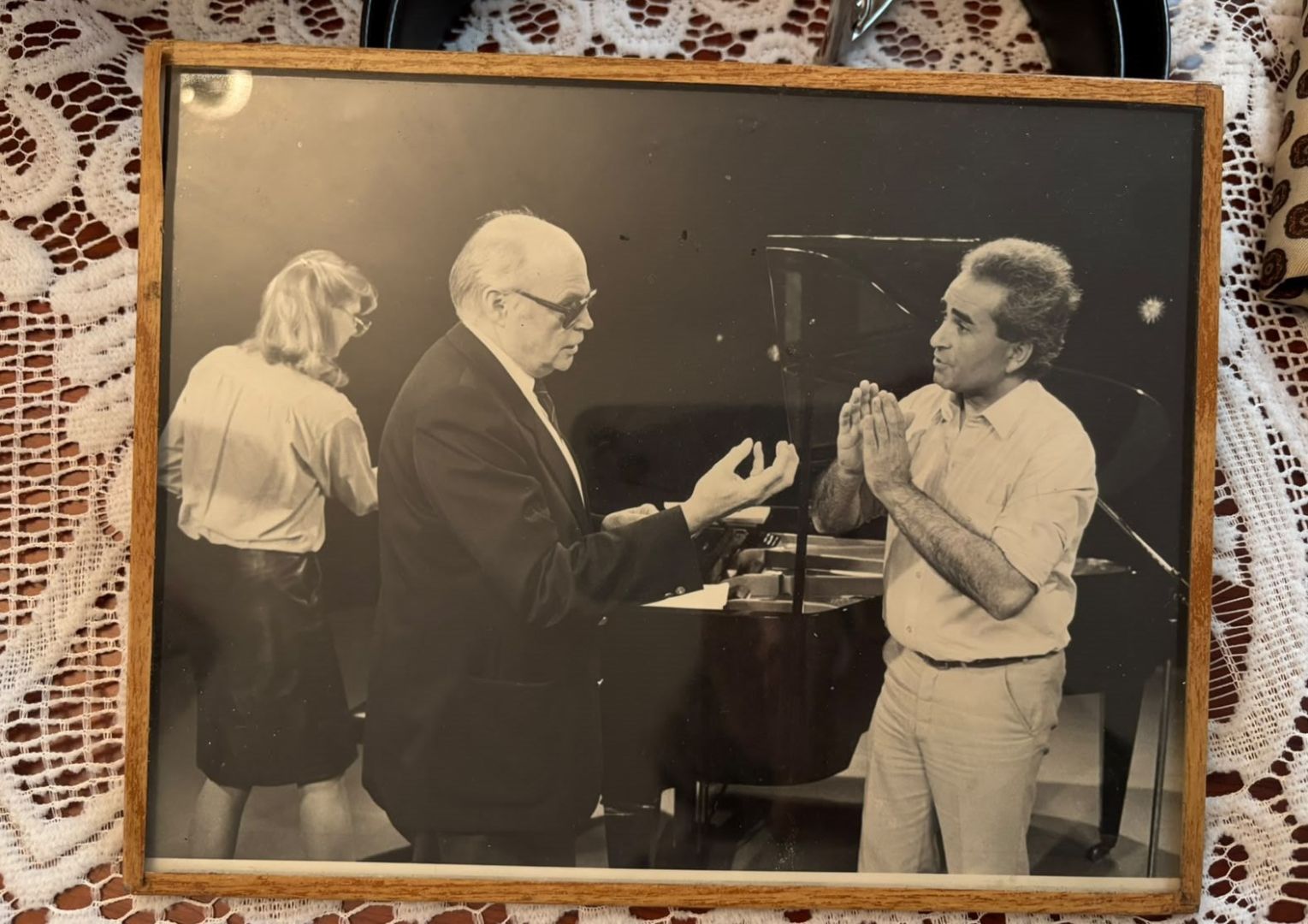
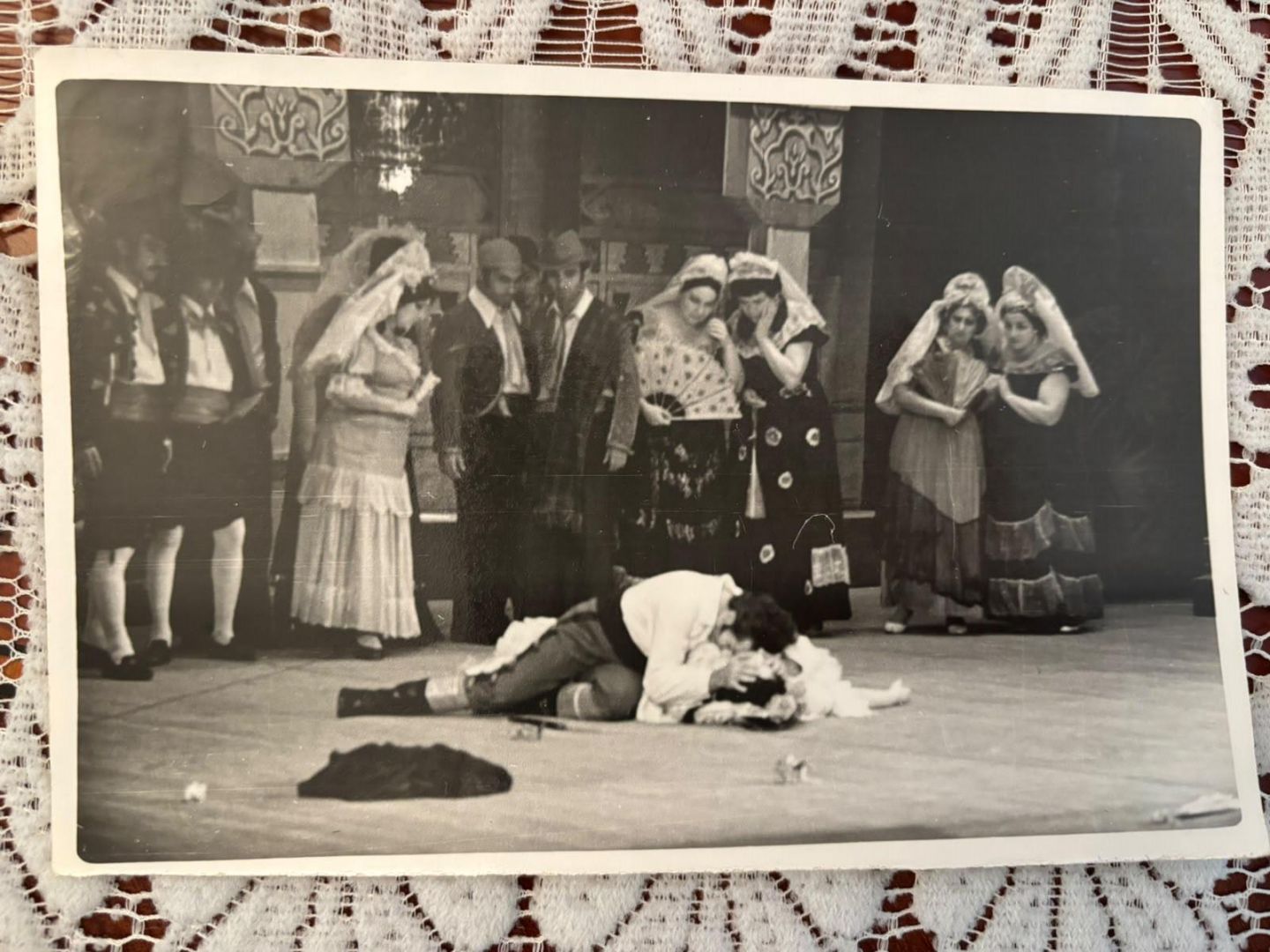
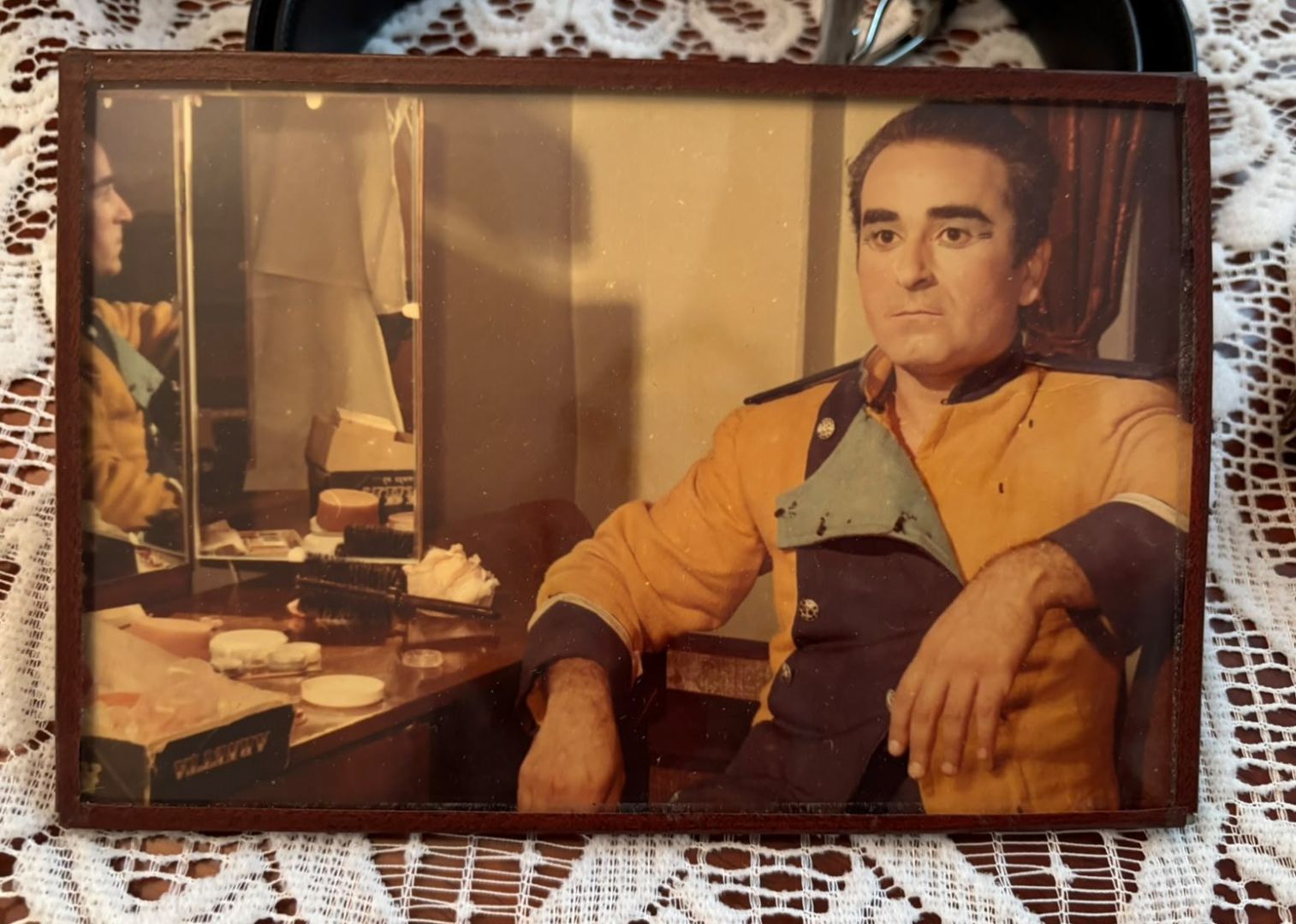
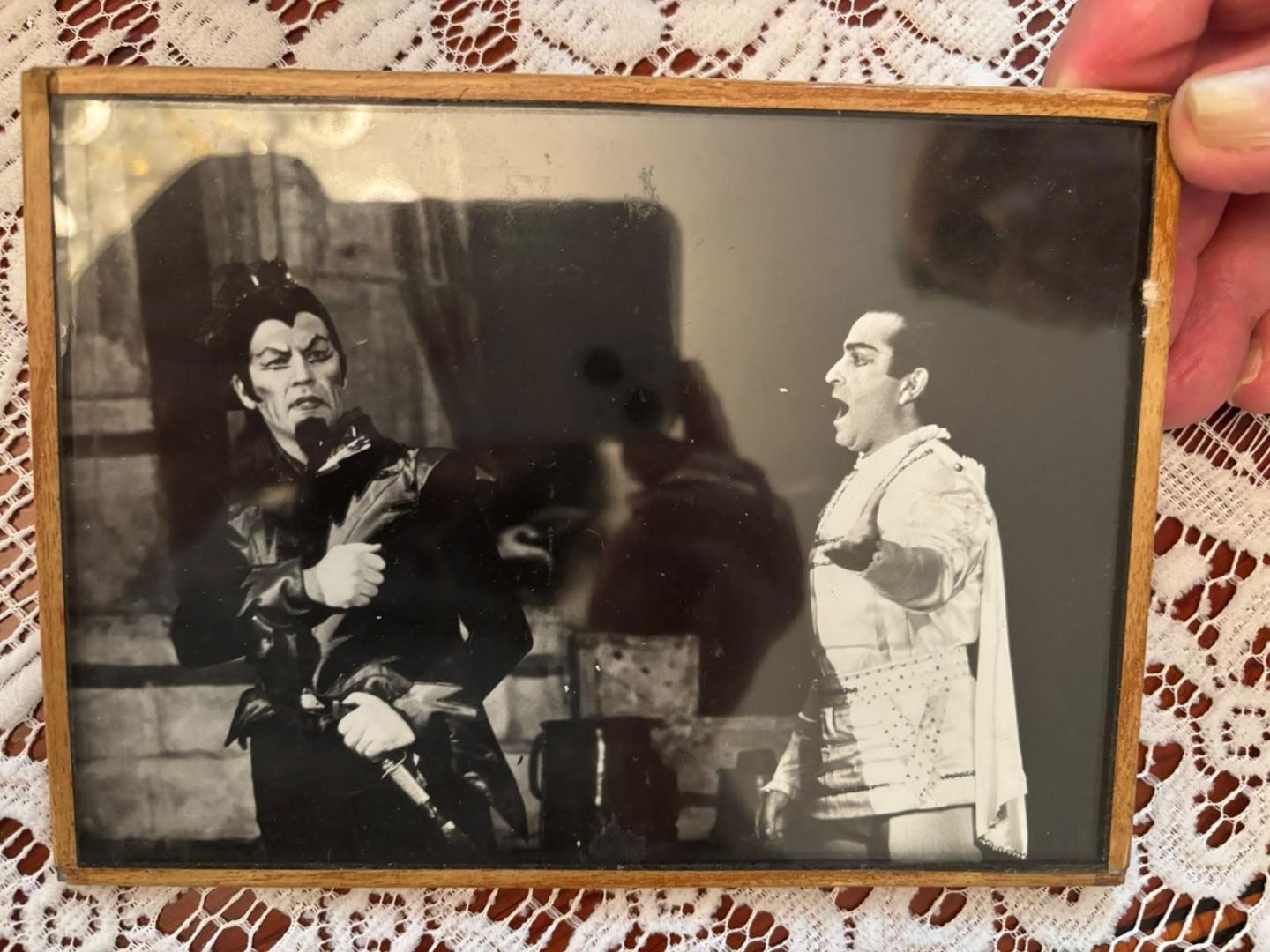
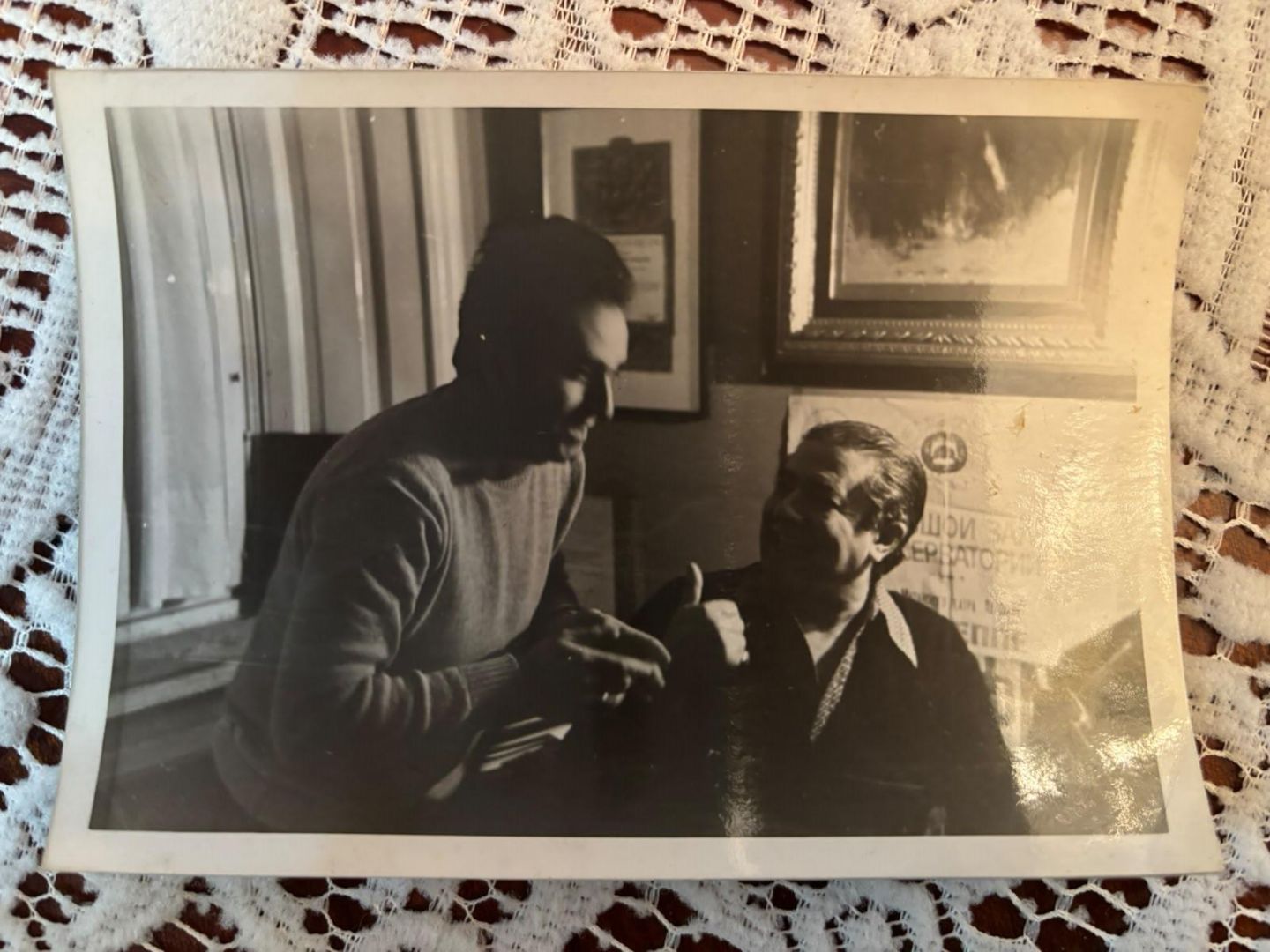
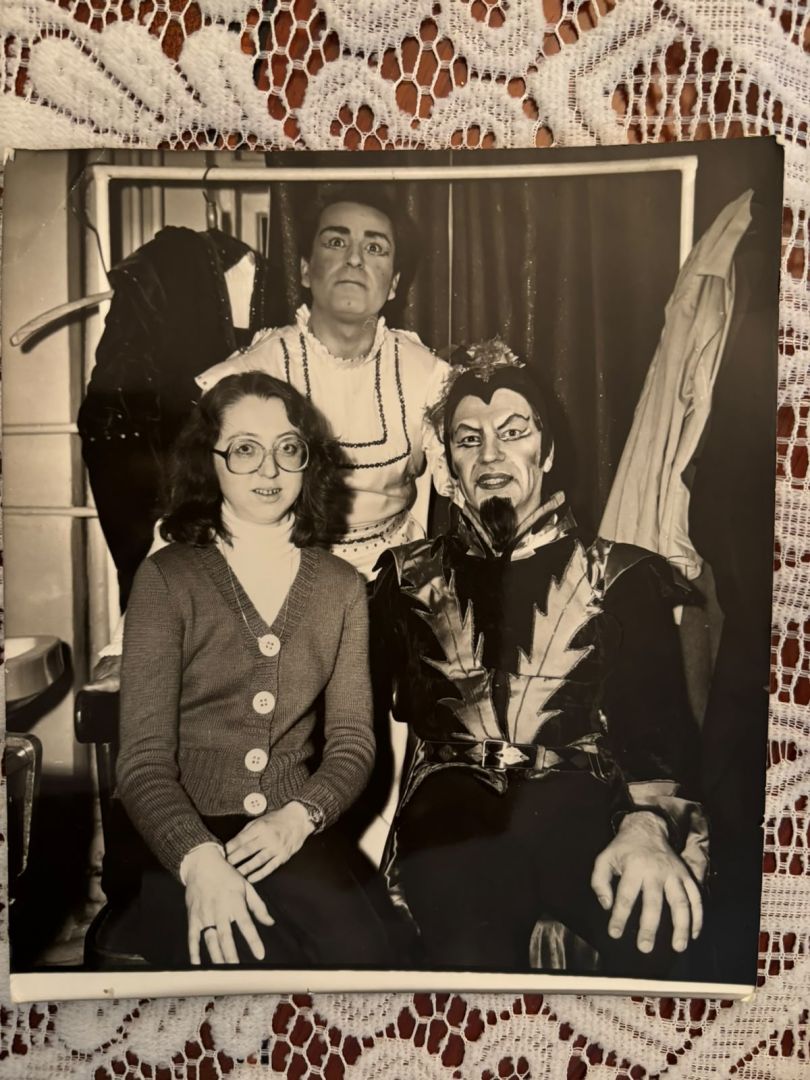
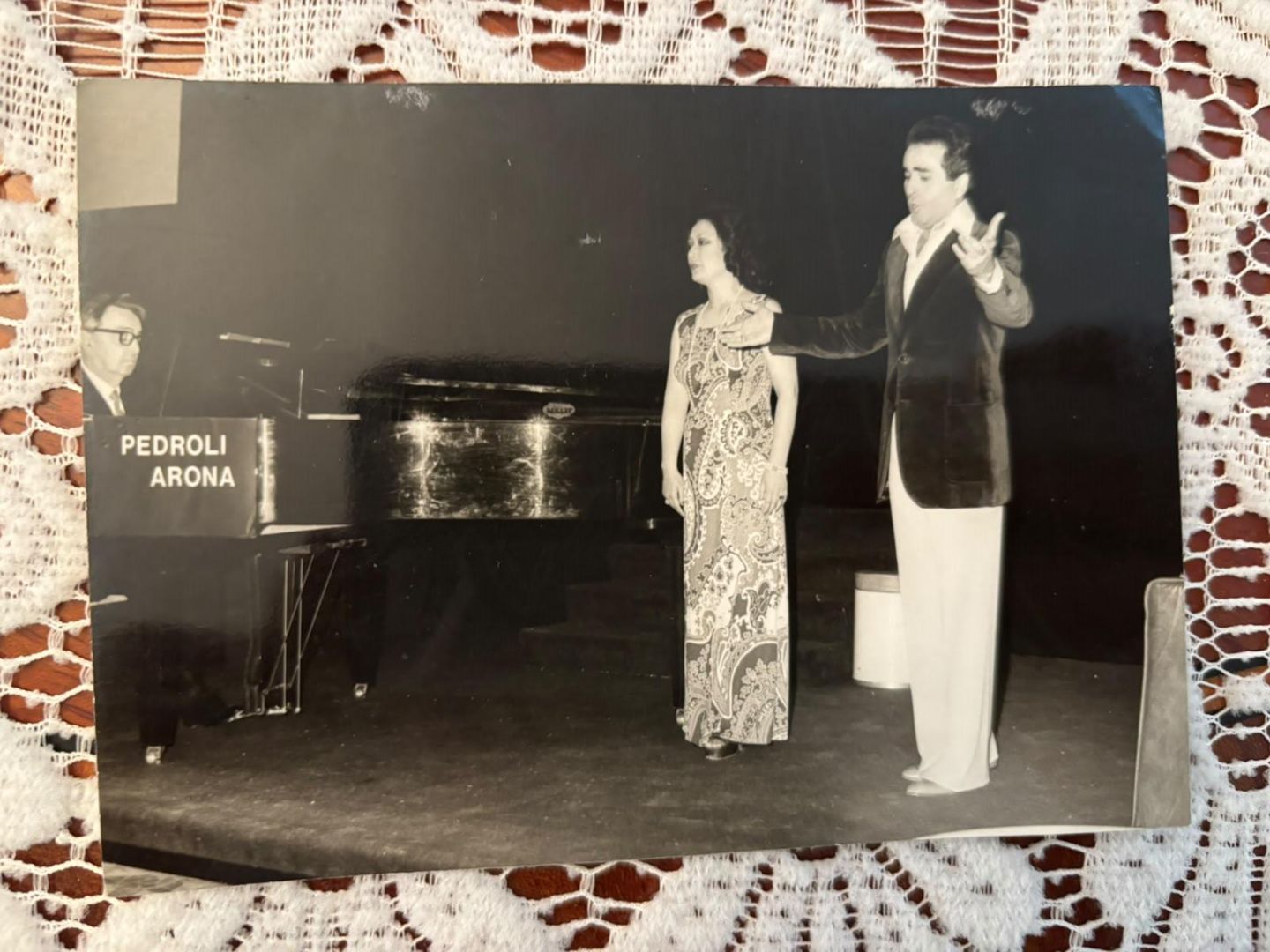
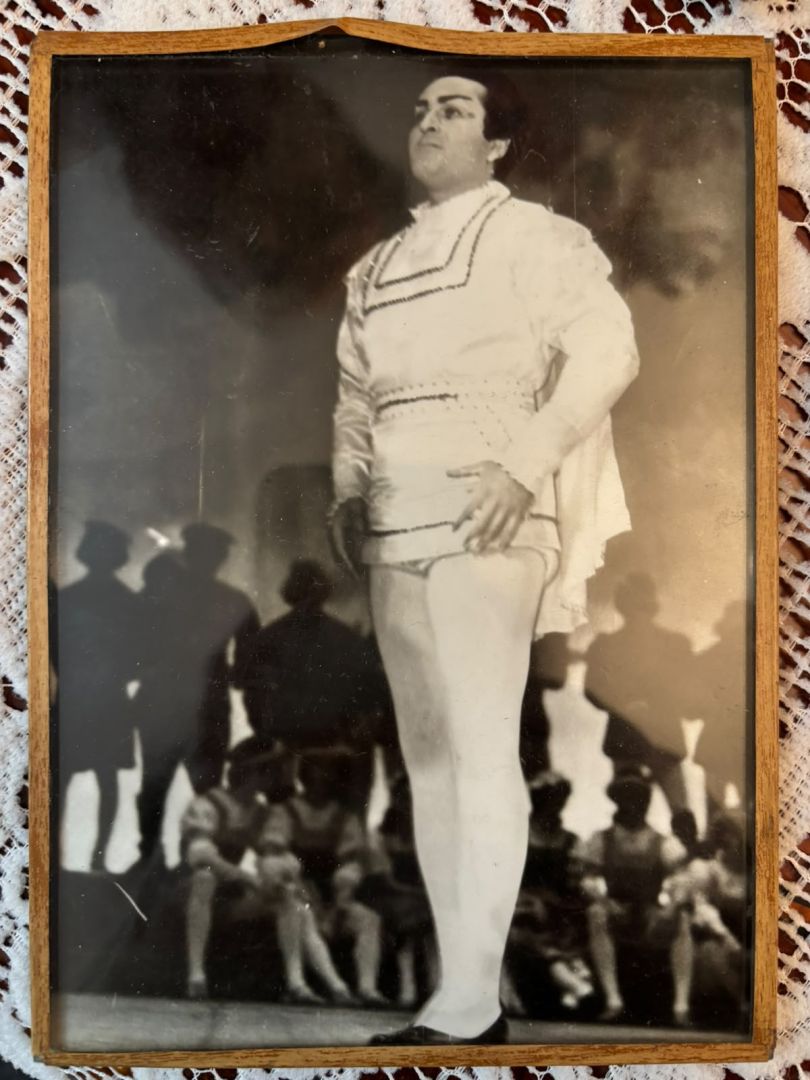
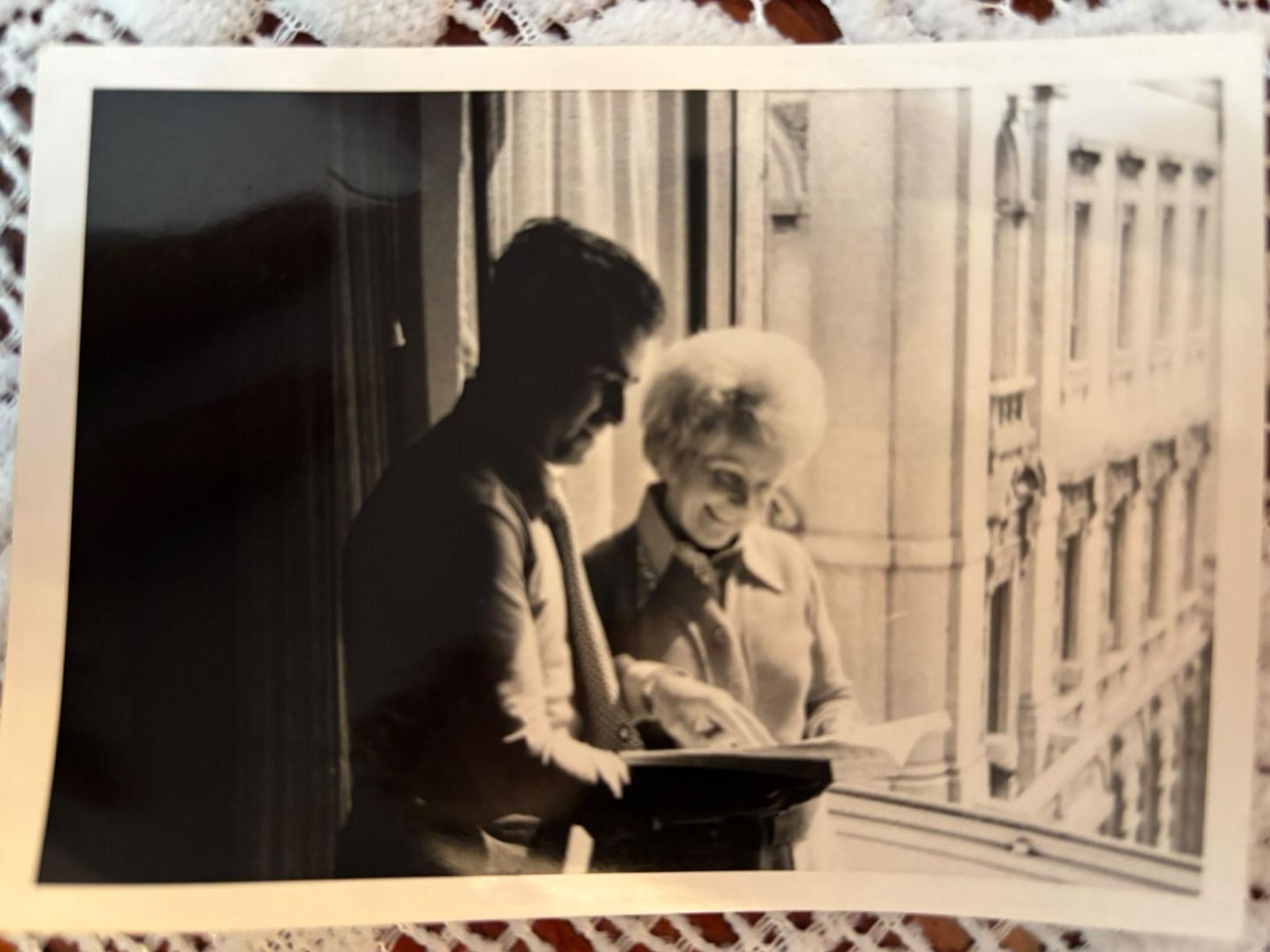
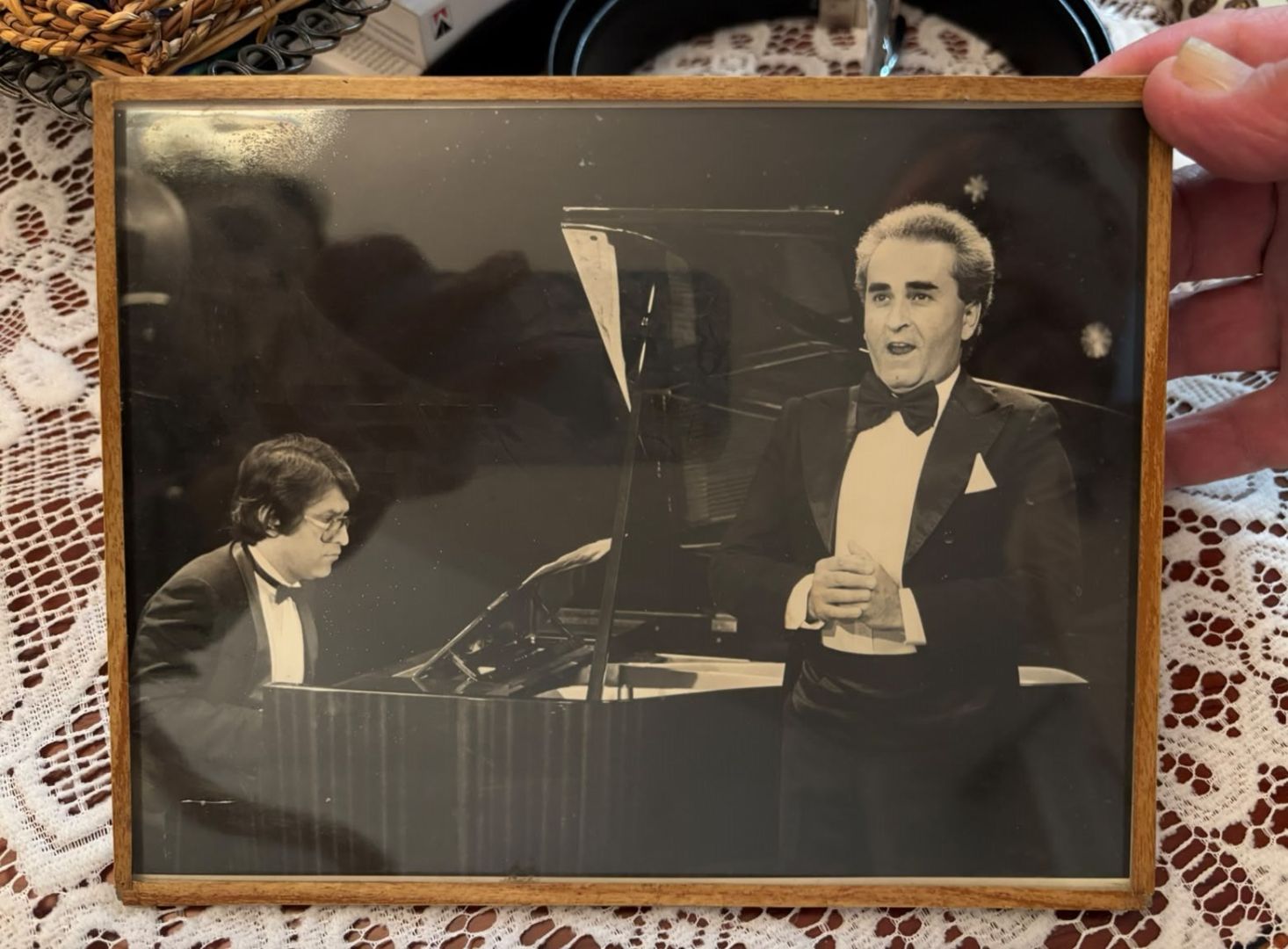
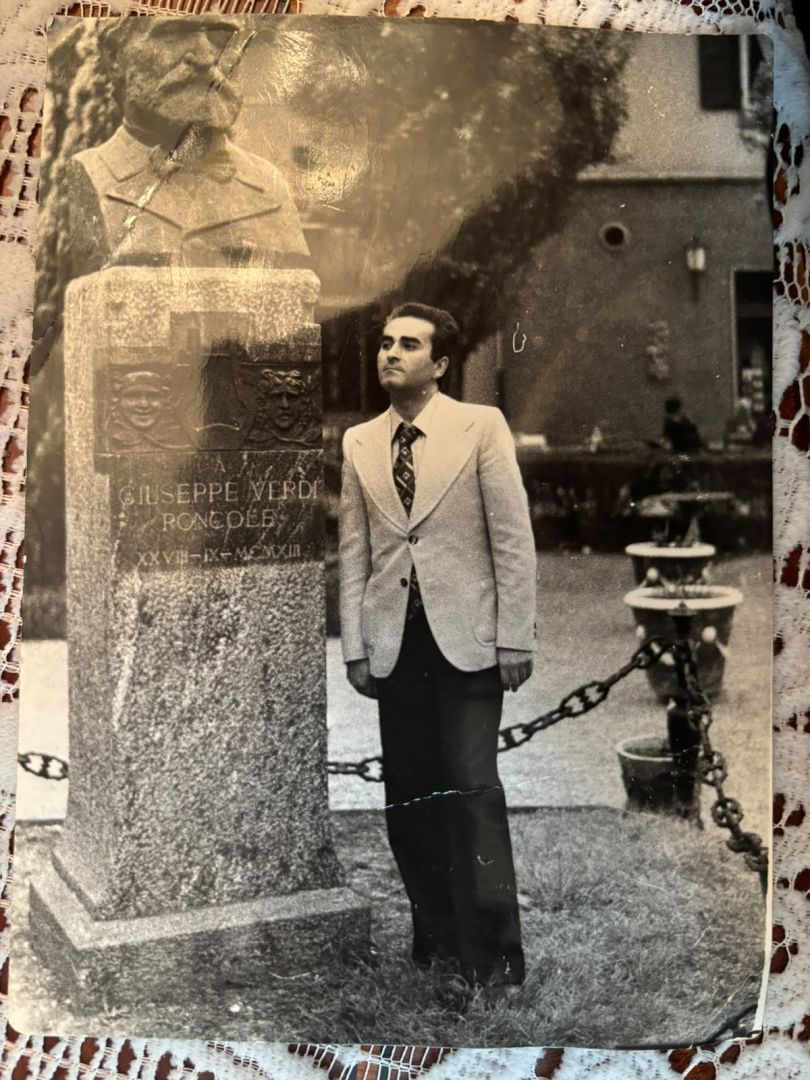
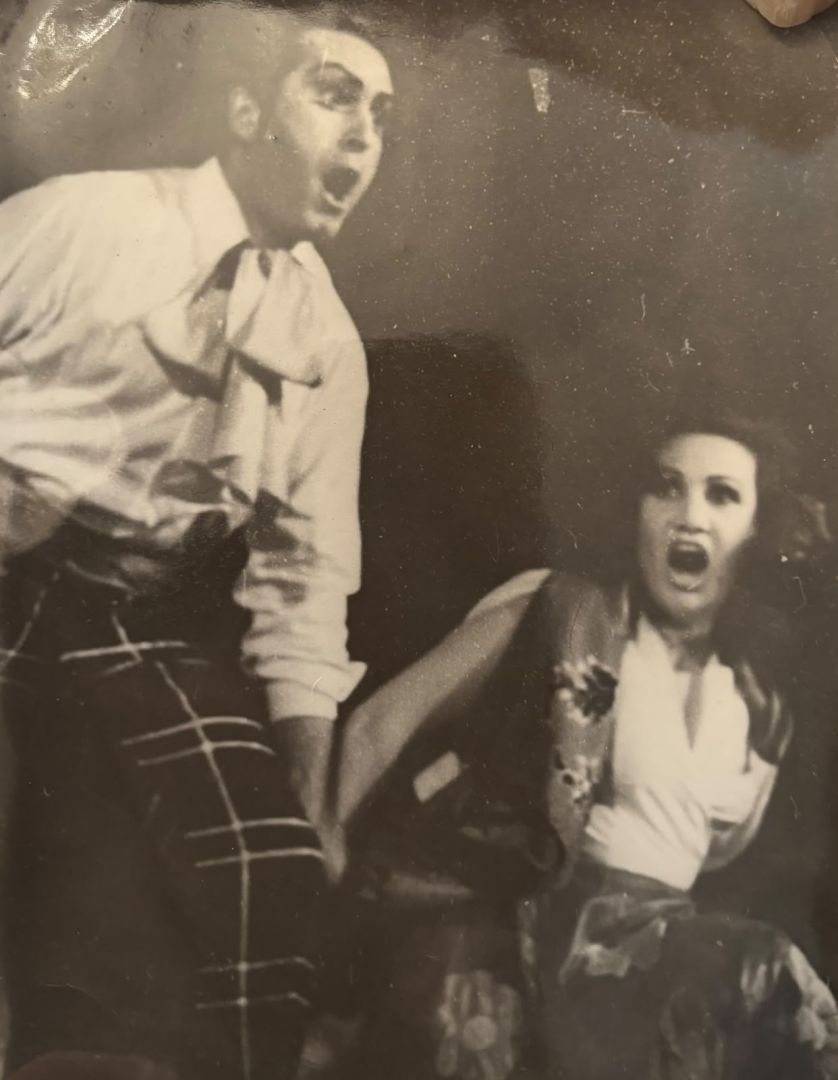
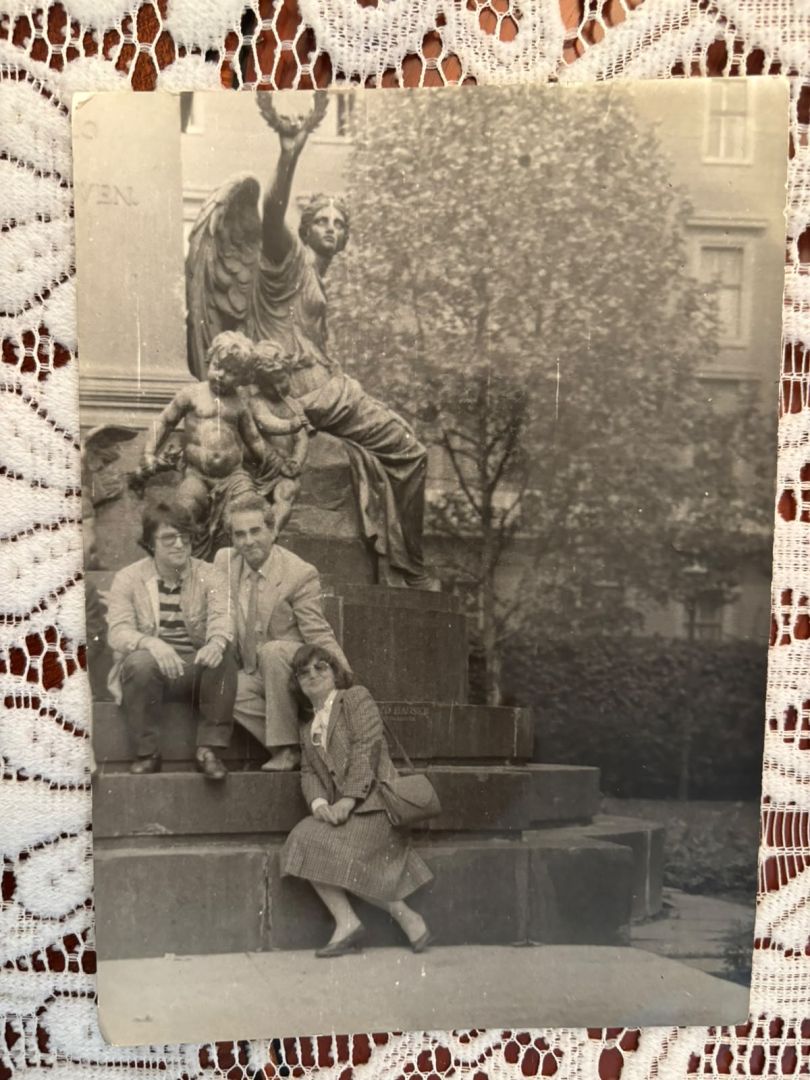
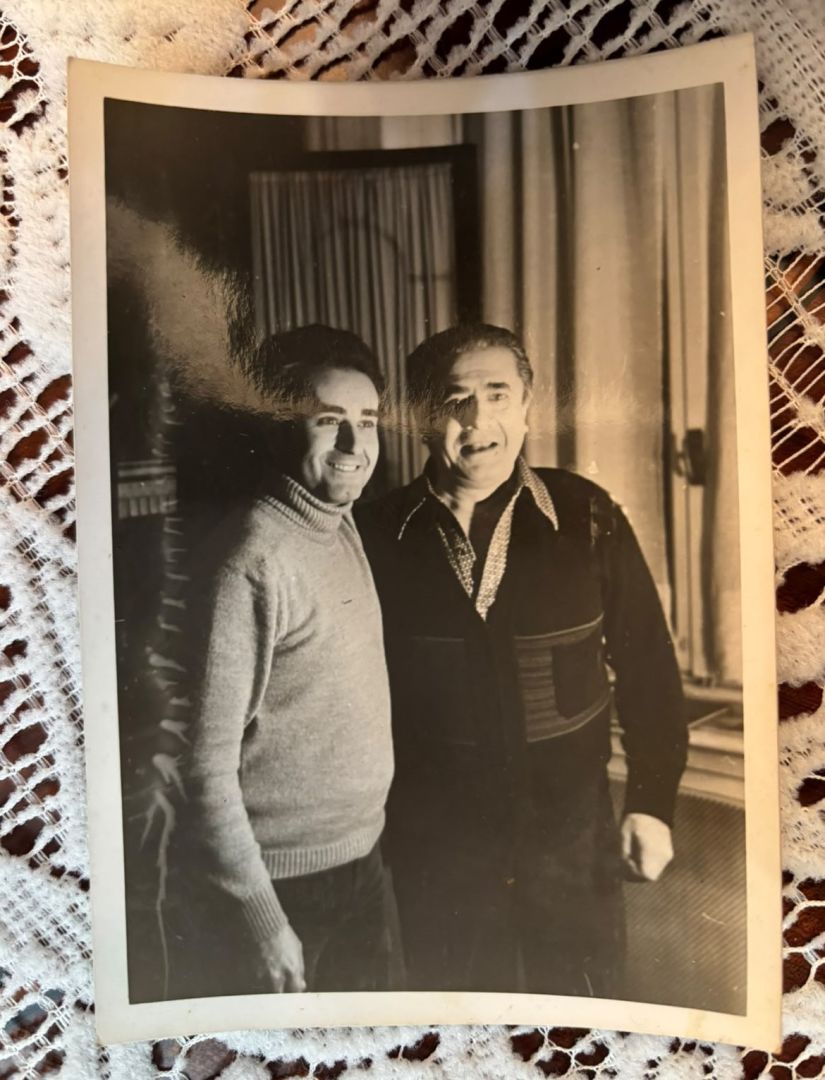
On the table are old photographs. Readers can see these shots in the photo gallery at the bottom of this publication. Each image seems to open a separate chapter in a vast musical biography. Here is a young Vagif Kerimov, just beginning his journey in opera. Here are famous scenes, encounters with outstanding musicians, and work abroad. Behind these photographs lies an entire life filled with music, exploration, overcoming challenges, and boundless devotion to his calling.
But today we wanted to talk not so much about the stages the maestro performed on and the famous names he encountered, but about him himself. About his character, his life choices, his love for his homeland, and the dream that has haunted him throughout his life.
And perhaps most surprisingly, the maestro's voice still resonates! Readers can also see video clips of his performance at the bottom of this post.
But first things first...
A Dream That Became Destiny: How a Baku Boy Came to the Opera World
Vagif Kerimov was born on February 15, 1946, in Baku. From early childhood, he dreamed of becoming a singer. His choice of profession was largely influenced by the example of the great Rashid Behbudov, whom the future maestro considered his main correspondence teacher.
His professional career began at the Asaf Zeynalli Baku College of Music. Remarkably, young Vagif initially studied violin, but soon realized that his true calling was vocals. He was also an accomplished table tennis player, and was even tipped for a future in sports. But music proved stronger than all his other passions.
"First, I enrolled in the Asaf Zeynalli Music College, where I studied for three years. One day, the director of the Azerbaijan State Conservatory, Jovdet Hajiyev, heard me perform at a concert in the Great Hall. After the performance, he told me there was no point in my attending the music college and that I should apply directly to the conservatory. I passed the exams and performed several pieces. Considering I already had musical training—I played the piano, having started with the violin—I was accepted straight into the second year."
Possessing a powerful dramatic tenor capable of filling enormous halls with his sound, Vagif Kerimov was accepted as a soloist at the Azerbaijan State Academic Opera and Ballet Theater in 1969, already in his second year at the conservatory. His debut was one of the most challenging tenor roles in the world opera repertoire: Canio in Ruggero Leoncavallo's "Pagliacci."
The young singer quickly established himself on the professional stage, performing the most complex operatic roles. Just three years later, in 1972, at the age of 26, he was awarded the honorary title of Honored Artist of the Republic. For a young performer who had not yet completed his studies at the conservatory, this was a truly remarkable recognition of his talent.
"Can you imagine, I haven't even finished the conservatory yet! I graduated from the conservatory itself in four years instead of five, receiving a red diploma."
He then successfully completed his postgraduate studies at the Moscow State Conservatory. Thus began Vagif Kerimov's meteoric rise to the heights of operatic art. But another crucial chapter in his artistic career lay ahead: Italy.
La Scala: 142 contenders for 1 place!
In 1975, the Beethoven Hall of the Bolshoi Theatre in Moscow hosted a rigorous selection process for candidates seeking an internship at Milan's renowned La Scala. The competition was truly staggering: 142 applicants for each spot, with only three quotas allocated to the Soviet side.
The jury included legendary opera singer Irina Arkhipova. After Vagif Kerimov's audition, she delivered a clear verdict: "This young man definitely needs to be sent to Italy."
"Besides me, Mati Palm from Estonia and Valentina Shcherbinina from Moscow were also selected. Irina Arkhipova emphasized that I would be able to learn a lot in Italy. I was overjoyed!"
Previously, during the Soviet years, only three outstanding Azerbaijani performers—Bulbul, Shovket Mamedova, and Muslim Magomayev—had trained at La Scala. Now, the name of Vagif Kerimov was added to that list.
"On November 16, 1975, I went to Milan. It was a completely different world... I was fortunate to study with the outstanding Italian vocal coach Ettore Campogalliani. He was already nearly 80 years old at the time. I looked forward to each of his lessons with great anticipation. He was an amazing teacher!
During two years in Italy, I learned 48 operatic roles in the original language, toured Venice, Naples, Piacenza with concerts, and performed on the stage of La Scala itself in Gaetano Donizetti's opera "The Elixir of Love."
Ettore Campogalliani himself worked with me directly. He once told me, "I'll give you such a voice training that even at 90, you'll sing like a young man. They'll put a screen over you, and no one will know you're 85 or 90." Today, I remember those words and realize how prophetic they were. I begin to sing, and I feel my voice sounding beautiful. I have the strength, the desire, the ability to perform complex operatic roles."
The Italian school gave Vagif Kerimov not only performing mastery but also a unique understanding of vocal technique, sound culture, and professional discipline. It was then that he grasped one of the main secrets of operatic longevity: a singer's natural talent must be constantly nurtured, and the voice must be cherished and refined throughout life.
"The Italian school gave me, above all, an understanding of how serious and meticulous voice development must be. Opera requires not only natural talent but also extensive technical training. You need to learn to control your voice, manage your breathing correctly, and master every note."
Upon returning to Moscow, Irina Arkhipova noted the singer's tremendous technical growth. His professionalism made such a strong impression that Vagif Kerimov was offered to stay and continue his career at the Bolshoi Theater. However, he made a different decision: returning to his native Baku.
A "white crow" in Baku, a move to Turkiye, and friendship with Ihsan Dogramaci
After returning to Baku from Italy, everything initially went quite well. Vagif Kerimov performed leading roles in Georges Bizet's "Carmen," Giuseppe Verdi's "Aida," Giacomo Puccini's "Turandot," and other works from the world opera repertoire. He also taught at the Azerbaijan State Conservatory.
However, over time, creative differences began to arise. The singer, accustomed to the Italian school and performing operas in their original languages, found it difficult to fit into the theater's existing traditions. Gradually, he began to be offered smaller roles instead of leading ones.
"I performed operatic roles in the original language—Italian or French. At the time, the theater had a tradition of performing many operas in Russian. Gradually, a certain misunderstanding arose. I found myself feeling like a black sheep. It was difficult for me to abandon what I had been taught in Italy, the professional principles I considered correct. Over time, I began to be offered smaller roles. But I was already a soloist and wanted to continue my full-time creative work.
Then I contacted the USSR Ministry of Culture. I had a good friend, Alexei Vasilyevich Serov, himself a former Bolshoi Theatre soloist. I asked him to help me find work abroad. Eventually, they offered me Turkey. This happened in 1986."
Turkey became a new and important chapter in Vagif Kerimov's professional biography. It was here that his talent as a teacher was fully realized. Over the years of teaching, he trained several generations of young vocalists, many of whom later became soloists at renowned opera houses around the world, from the Paris Opera to the renowned La Fenice Theatre in Venice.
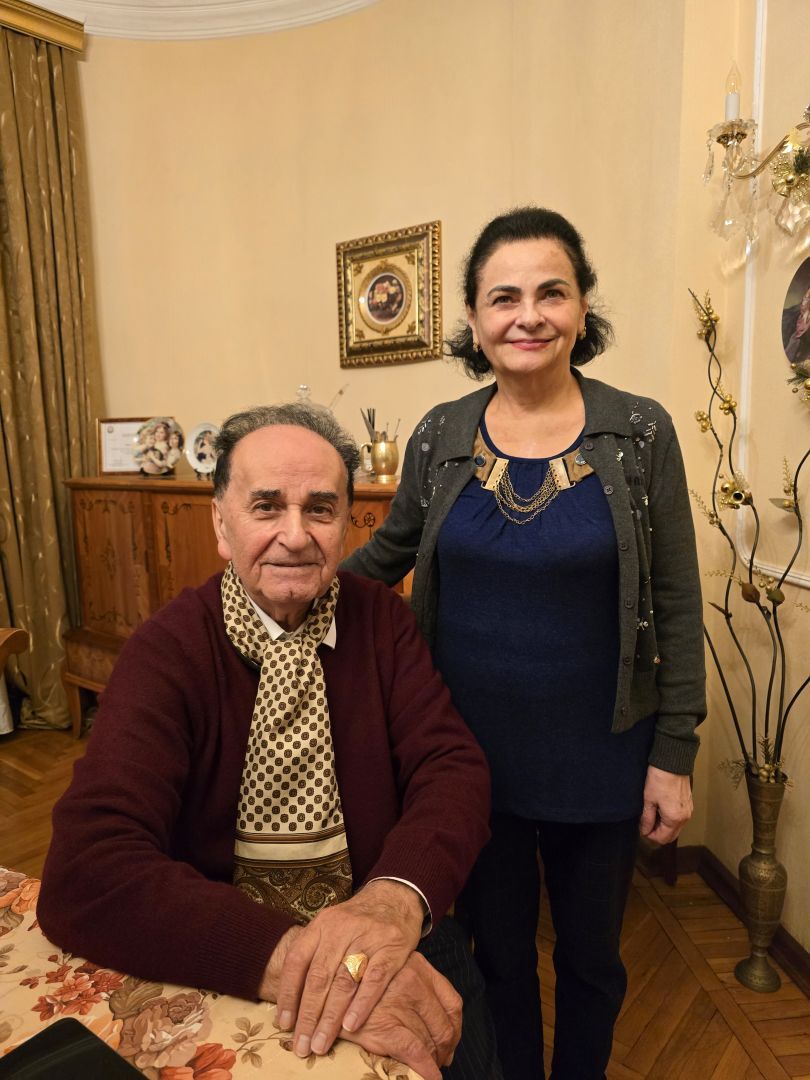
His wife, Afa Khanum, a brilliant pianist who worked as an accompanist and helped train young performers, was always by his side. They shared not only family life but also a love of music.
A special place during his Turkish period was occupied by his friendship with Ihsan Doğramaci, a prominent public figure, scholar, and philanthropist, the founder of Hacettepe and Bilkent universities, and one of the most influential figures in Turkish education. He treated the Azerbaijani singer and his family with great warmth, almost like a father.
"I was invited to head the vocal department at the Ankara State Conservatory of Music at Hacettepe University. I worked with young performers, trained vocalists, and taught. I had a large class. My wife, Afa, a wonderful pianist, also worked with me. We were always together—both in life and in music.
Over the years, we have graduated four generations of students. Some of them have become soloists at renowned European theaters, including the Paris Opera and the Venice Teatro La Fenice. For a teacher, there is no greater joy than seeing their students find their own path in art.
I also continued my own performing career, participating in opera productions in Ankara, Istanbul, and other Turkish cities. These included Tchaikovsky's "The Queen of Spades" and Georges Bizet's "Carmen."
Vagif Kerimov's success as a performer and teacher has received international recognition. In 1992, he received an invitation from Toronto to the Columbus Centre, a center for the professional development of young opera singers focused on the Italian vocal school.
This offer opened up a new perspective, but also meant another difficult decision: leaving Turkiye, which had become a second home for the Kerimov family, and starting life on another continent.
"It was a center for developing young opera singers, affiliated with the Italian vocal school. They trained young singers there. The offer was very prestigious. I consulted with Ihsan Doğramaci. We developed a very warm, truly family-like relationship.
At first, he didn't want to let me go; he tried to dissuade me. He loved my work and respected my teaching. But then he finally supported me and said that the doors of the Ankara Conservatory would always be open to me. Ihsan Doğramaci's death was a great sorrow to our family…"
Canada: A New Stage, New Students, and Serving Classical Music
A new chapter in Vagif Kerimov's life, one that has spanned more than three decades, began in Toronto. In Canada, the maestro successfully combined teaching with an active concert schedule. He founded the Bel Canto ensemble, with which he performed in Toronto, Ottawa, Montreal, Quebec City, and other cities, and toured throughout Latin America and Cuba. He also remains involved in the cultural life of the Azerbaijani diaspora in Canada, actively participating in its projects.
"I've never limited myself to teaching. For example, I was fortunate to give a solo concert at Roy Thomson Hall in Toronto. It's a huge hall, designed to accommodate several thousand spectators. The concert was a great success.
Having founded my own ensemble, Bel Canto, I performed in various cities across Canada with my students, participated in concerts, and continued teaching. And I still teach and perform on stage. If I didn't teach, I'd die! (laughs). For me, work is life. I can't imagine myself without music and without students."
Over the course of his decades of work, Vagif Kerimov has not only mentored several generations of vocalists but also become a true ambassador of Azerbaijani musical culture. For him, representing Azerbaijan abroad is not just a professional mission, but a great responsibility and a matter of honor.
"When you're outside your homeland, you realize you're its representative, and everything you do is somehow connected to the name of your country. Carrying the flag of Azerbaijan is always an honor! And introducing foreign audiences to Azerbaijani music is one of my most important tasks.
In every one of my concerts, the first half is devoted to opera arias and Neapolitan songs, while the second half is entirely devoted to Azerbaijani music and classical mugham. International audiences are particularly interested in our musical heritage, and mugham performances often become one of the most emotional moments of the concert. This is truly unique music—profound, spiritual, and demanding a special appreciation!
Together with conductor Ismail Hajiyev, son of Jovdet Hajiyev, we regularly organized concerts, including at Niagara Falls. Our programs included works by Azerbaijani composers, folk songs, and classical music. We are currently preparing a major program of symphonic music by Fikret Amirov, Niyazi, and Rauf Hajiyev. Azerbaijan has a vast musical heritage. It needs to be showcased to the world. I am confident that our music has a large international audience."
In addition to performing and teaching, Vagif Kerimov also works on methodological issues and is the author of books and manuals on vocal art. This is another opportunity for him to pass on to the younger generation the experience he has accumulated over decades, preserve professional traditions, and share the knowledge he himself has acquired from the outstanding masters of the Italian vocal school.
Vagif Kerimov's artistic career is more than just the story of a successful opera singer who rose from Baku to leading music venues and educational centers abroad. It is the story of a man who remained true to his calling throughout his life, constantly learning, performing, teaching, and opening the door to great art for young talent.
Even today, at 80 years old, the maestro doesn't consider his creative career complete. He continues to teach, work with students, perform, and plan new musical projects.
But he also has a special, truly cherished dream - to once again appear on stage in his native Baku, meet the Baku public, perform his favorite works and share what he has accumulated over many years of life, creativity and service to music.
After all, as Vagif Kerimov's life shows, a true artist doesn't necessarily need to be permanently present in their homeland to remain a part of it. Sometimes, it's enough to carry its music in their heart their entire life and introduce it to the world.
A Timeless Voice: About Vagif Kerimov's Greatest Dream
Despite international recognition and a rich artistic biography, Vagif Kerimov remains a man far removed from publicity. He admits that he never liked to draw attention to himself, preferring to talk about music, his work, and his students. Perhaps this is why his rich international artistic career remained largely unknown to the general public for a long time.
"It wasn't for nothing that I studied in Italy, that I went through such a great school, that I performed in various countries. I'd like to show that age isn't always a barrier to art. At 80, I'd gladly perform any opera that's staged. I'd even sing one of Richard Wagner's most challenging roles from Die Walküre. Many people think that after 50, a tenor can't sing like he once did. But I want to prove otherwise," says the maestro.
He also has a special message for the younger generation. He encourages them to attend classical music concerts more often, discover opera, and not be afraid to experience this amazing art.
"I come to Baku once a year, and then return to Canada. But despite all the difficulties of the flight, I'm always happy to return to my homeland. Music is everything to me: life, feelings, absolutely everything. When I hear music, I immediately want to sing. It's impossible to explain in words.
Classical music is an outstanding art. It graces the human soul, educates, and makes us think and feel. Opera is more than just singing. It is an entire world, encompassing human experiences, characters, and destinies. Everyone should experience this art at least once.
As our conversation drew to a close, Vagif Kerimov returned to the topic of music. His voice didn't convey the weariness of a man turning 80. On the contrary, it conveyed the energy and passion of an artist for whom the stage remains one of the primary meanings of life. The maestro himself admits that he feels 35 or 40 years old. And judging by the enthusiasm with which he speaks of his upcoming performances, his creative energy truly hasn't deserted him.
He didn't talk about his past glory, didn't list his achievements, and didn't try to impress. He simply talked about music, his students, his homeland, and what he still wanted to accomplish.
Perhaps this is precisely the peculiarity of true masters: they do not consider their path complete as long as they can pass on knowledge, as long as their voices continue to sound, and as long as their hearts respond to music.
Vagif Kerimov came to Baku for just a week. But this brief meeting revealed an entire era—the story of a man who lived and worked far from his homeland for decades, performed on international stages, mentored young performers, but never ceased to be a part of Azerbaijani musical culture.
The story of Vagif Kerimov is not only the journey of a talented Bakuvian boy who completed a professional school in Italy and an internship at the legendary La Scala, achieving recognition around the world. It is a story of dedication to his profession, service to teaching, loyalty to his principles, and love for his homeland.
And today, the maestro has a dream that is perhaps more precious than many of the heights he has already achieved: to once again take to the stage of his native Baku, meet his audience, and give them his voice.
The most important thing in this story is that Vagif Kerimov's voice still resonates. And that means his musical story continues...
Here we are to serve you with news right now. It does not cost much, but worth your attention.
Choose to support open, independent, quality journalism and subscribe on a monthly basis.
By subscribing to our online newspaper, you can have full digital access to all news, analysis, and much more.
You can also follow AzerNEWS on Twitter @AzerNewsAz or Facebook @AzerNewsNewspaper
Thank you!