
Japanese coins exceed face value in metal value
by Alimat Aliyeva
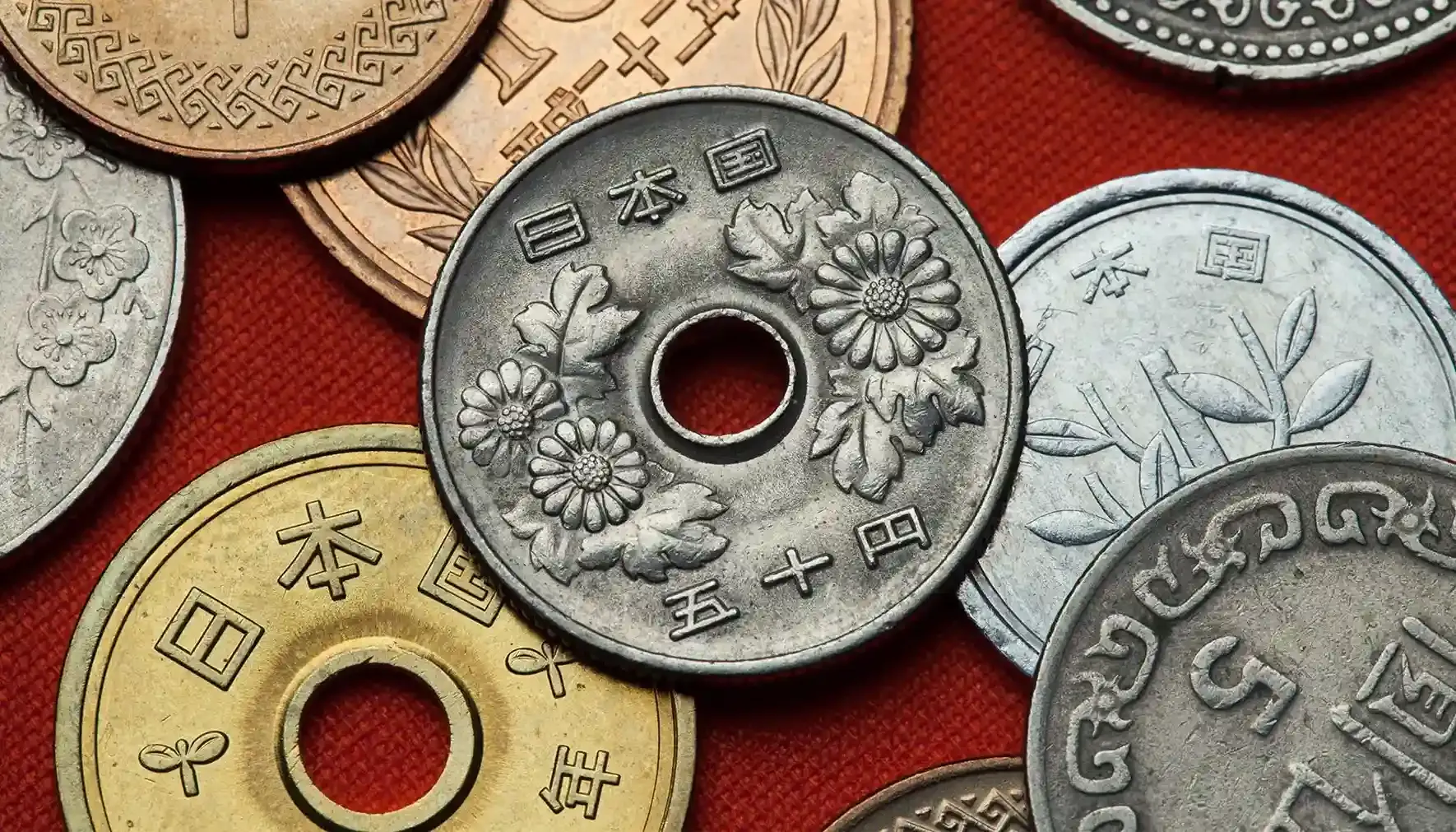
Driven by rising nonferrous metal prices and a weakening yen, the intrinsic metal value of Japan’s 10-yen coin has been steadily increasing, recently surpassing its face value, AzerNEWS reports, citing foreign media.
According to the Japan Mint under the Ministry of Finance, the 4.5-gram 10-yen coin is composed of 95% copper and 3–4% zinc. These metals are actively traded on global commodity markets, meaning their value is influenced by both international prices and currency fluctuations.
Based on data from JX Advanced Metals Corporation and Mitsui Kinzoku Co., Ltd., the raw material value of a single 10-yen coin reached approximately 10.4 yen (about $0.06) as of June 15.
Because nonferrous metals are priced in U.S. dollars on global markets, the recent depreciation of the yen has further pushed up domestic metal costs in Japan. As a result, even small fluctuations in exchange rates can significantly affect the “melt value” of circulating coins.
Riding the same wave of rising copper and zinc prices, the metal value of the 5-yen coin—also made from these materials—has climbed to around 6.3 yen, exceeding its face value as well.
Meanwhile, geopolitical tensions in the Middle East have driven up aluminum prices, the primary material used in Japan’s 1-yen coin. Domestic wholesale aluminum prices reached approximately 690,000 yen per ton as of June 15, an increase of about 20% since the beginning of the conflict. With the region accounting for roughly 10% of global aluminum supply, concerns over potential shortages continue to support higher prices.
At present, the metal value of a 1-yen coin is estimated to be about 70% of its face value.
Although the Japan Mint has not publicly disclosed exact production costs, officials from the Ministry of Finance note that overall fiscal impact remains limited, as many coins are produced using recycled materials from withdrawn currency.
However, when the metal value of a coin exceeds its face value, it creates a theoretical arbitrage incentive—raising concerns about illegal melting or hoarding. Under Japanese law, intentionally damaging or melting coins is punishable by up to one year in prison or a fine of up to 200,000 yen.
Interestingly, this situation has sparked periodic debate among economists in Japan about whether lower-denomination coins could eventually become impractical to mint if commodity prices and currency trends continue in the same direction.
Here we are to serve you with news right now. It does not cost much, but worth your attention.
Choose to support open, independent, quality journalism and subscribe on a monthly basis.
By subscribing to our online newspaper, you can have full digital access to all news, analysis, and much more.
You can also follow AzerNEWS on Twitter @AzerNewsAz or Facebook @AzerNewsNewspaper
Thank you!