
Iran distributes iodine tablets near nuclear sites amid radiation concerns

Akbar Novruz
Read moreAuthorities in Iran have begun distributing anti-radiation iodine tablets in several areas, particularly around sensitive nuclear facilities, according to local media outlets, AzerNEWS reports.
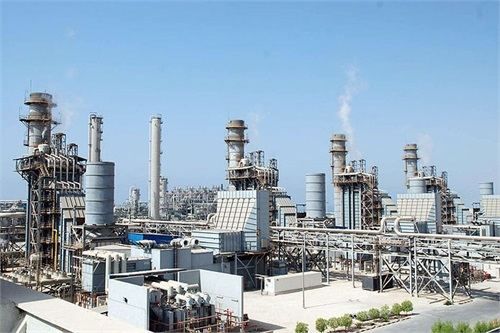
The Bushehr University of Medical Sciences confirmed that the distribution had been prioritized in Bushehr even before the recent 12-day conflict, focusing on communities located near the Bushehr Nuclear Power Plant.
Under a decision by the national Crisis Management Headquarters, approximately 180,000 iodine tablets have been distributed across the Bushehr region.
Officials explained that the tablets are intended for use in the event of radiation exposure and should be taken within a specific timeframe—ranging from 24 hours before to up to four hours after a potential incident.
Dosage varies by age group. Infants under one month are advised to take one-eighth of a tablet, children aged one month to three years one-quarter, those aged three to 12 years half a tablet, and individuals over 12 years one full tablet.
Medical experts note that during radiation incidents, radioactive iodine can be released into the environment, posing a particular risk to the thyroid gland. Iodine tablets help mitigate this risk by saturating the thyroid with stable iodine, thereby preventing the absorption of harmful radioactive iodine.
Here we are to serve you with news right now. It does not cost much, but worth your attention.
Choose to support open, independent, quality journalism and subscribe on a monthly basis.
By subscribing to our online newspaper, you can have full digital access to all news, analysis, and much more.
You can also follow AzerNEWS on Twitter @AzerNewsAz or Facebook @AzerNewsNewspaper
Thank you!