
Oil markets on alert as US and Iran negotiate reopening of Strait of Hormuz

AzerNEWS Staff
Read moreA fragile breakthrough to end the conflict between the United States and Iran appears within reach, though sharp discrepancies have emerged between Washington and Tehran over the exact terms of the draft agreement.
Speaking on Saturday, US President Donald Trump announced that a deal to permanently end the war was "largely negotiated" and merely awaiting finalisation. The optimism was partially mirrored on Sunday morning by Iran’s semi-official Tasnim news agency, which published its own details of the potential pact. However, media narratives from both sides reveal significant friction points regarding the Strait of Hormuz, sanctions relief, and Iran’s nuclear programme.
The conflict escalated dramatically in February following US and Israeli strikes against Iran. Tehran retaliated by targeting Israel and US Gulf allies, alongside mining and closing the critical Strait of Hormuz shipping lane. While a Pakistani-mediated ceasefire has been in place since 8 April, a permanent resolution has remained elusive. Recent diplomatic shuttle runs by Pakistani Army Chief Asim Munir to Tehran appear to have broken the logjam, leading to the current draft text.
The Battle for the Strait of Hormuz
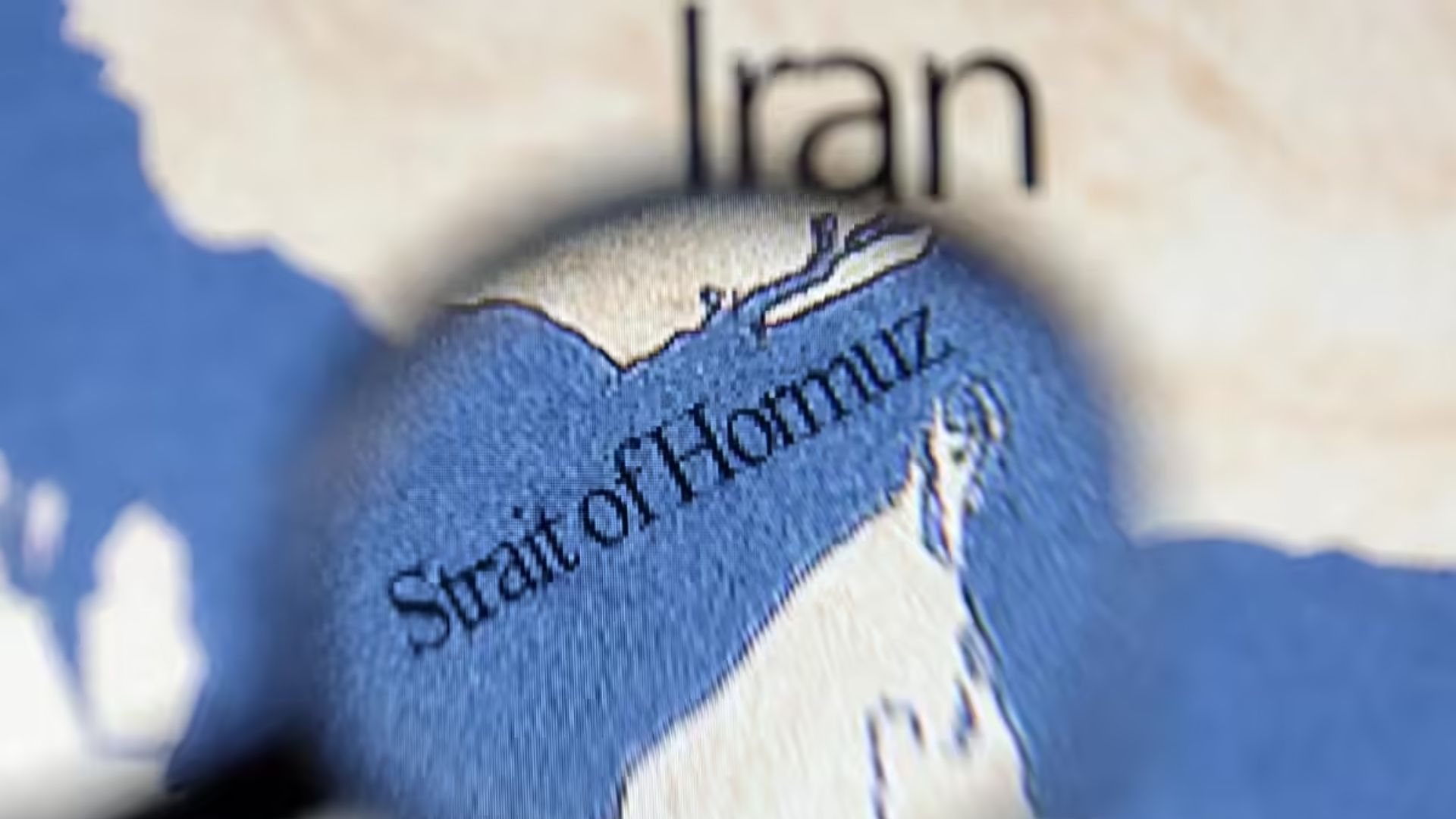
According to US reports via Axios, the draft agreement outlines a 60-day ceasefire extension during which Iran must completely reopen the Strait of Hormuz. Washington expects Iran to remove all naval mines and allow unrestricted, toll-free maritime passage. In return, the US would lift its crippling blockade on Iranian ports.
US Secretary of State Marco Rubio, speaking from India, reinforced this stance: "They don't own it. It's an international waterway," he said, stating the goal was a "completely open" strait.
Iranian media, however, presents a more conditional timeline. Tasnim reports that the waterway will not immediately return to its pre-war status. Instead, Tehran proposes a gradual 30-day restoration of shipping volumes. Crucially, Iran is demanding the immediate lifting of the US naval blockade before any changes are made in the strait, creating a classic "chicken-and-egg" diplomatic standoff over who blinks first.
Sanctions and the Nuclear Deadlock
The financial and nuclear components of the deal show the widest gulf between the two sides:
-
Sanctions & Assets: The US is offering temporary sanctions waivers to allow Iran to sell oil freely, explicitly tied to the unmining of the strait. Iran is digging its heels in, demanding the immediate unfreezing of a portion of its overseas assets and insisting on broader, permanent sanctions relief before signing.
-
The Nuclear File: US reports claim the draft includes strict commitments from Iran to abandon any pursuit of nuclear weapons, alongside a framework to negotiate a halt to uranium enrichment. Conversely, Iranian outlets state Tehran has accepted absolutely nothing regarding its nuclear programme, viewing the 60-day window merely as a period for further talks.
Despite these gaps, there is total consensus on one major front: the scope of the ceasefire. Both sides agree that any final deal will enforce a total cessation of hostilities across all regional fronts, explicitly including Lebanon.
Here we are to serve you with news right now. It does not cost much, but worth your attention.
Choose to support open, independent, quality journalism and subscribe on a monthly basis.
By subscribing to our online newspaper, you can have full digital access to all news, analysis, and much more.
You can also follow AzerNEWS on Twitter @AzerNewsAz or Facebook @AzerNewsNewspaper
Thank you!