
How Azerbaijan showcased urban leadership at WUF13
Ulviyya Poladova
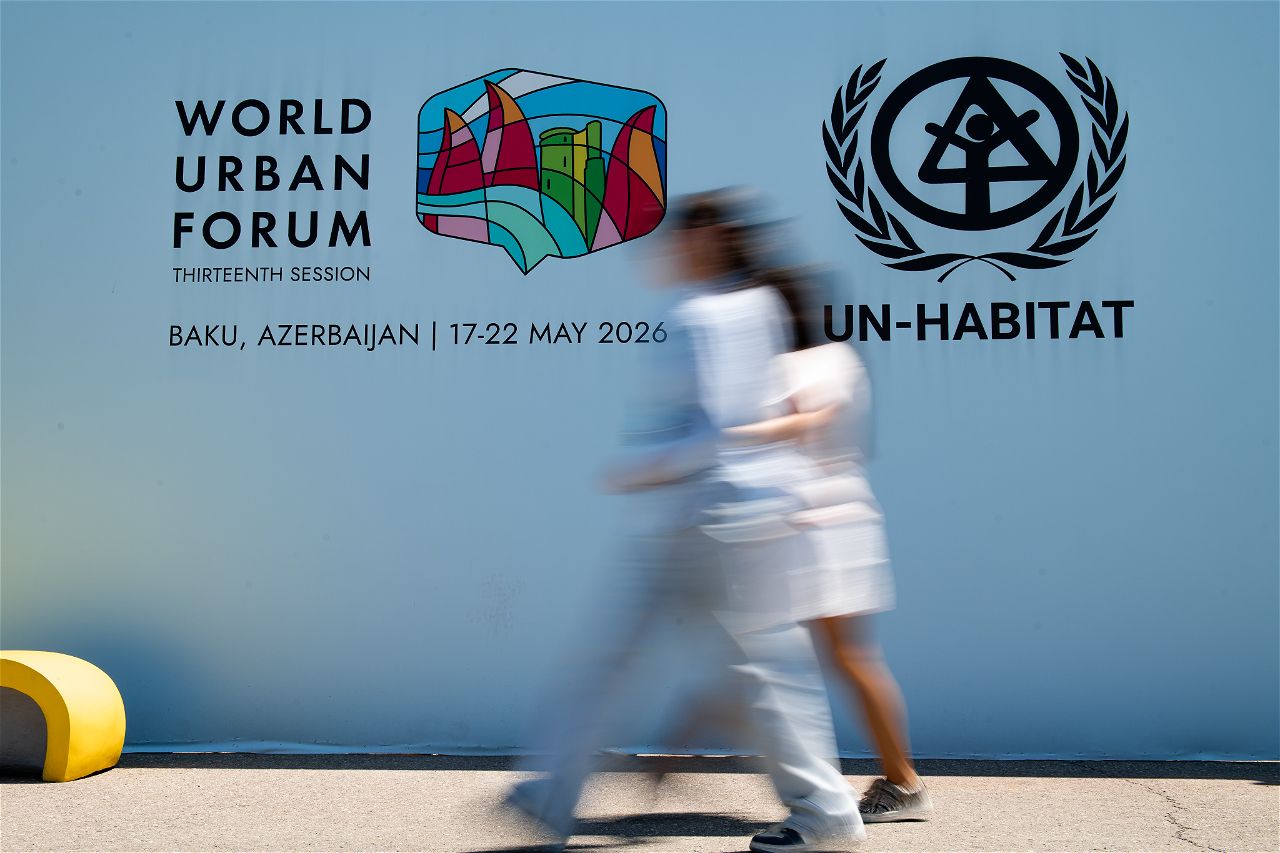
Read moreThe 13th session of the World Urban Forum (WUF13), hosted in Baku, has become one of the most significant international events dedicated to urban development, sustainable planning, and the future of cities. It exemplifies how state convening power, infrastructure signaling, and policy experimentation to shape norms around sustainability, resilience, and digital governance.
Organized under the auspices of the United Nations Human Settlements Programme (UN-Habitat), the forum has brought together thousands of policymakers, urban planners, architects, researchers, and government representatives from across the world.
According to reports, the six-day event featured more than 550 substantive meetings and side events, covering a wide range of topics related to urban planning, climate resilience, infrastructure development, and smart city solutions.
The accompanying Urban Expo also attracted significant public interest, drawing over 70,000 visitors, highlighting strong engagement not only from policymakers but also from civil society, researchers, and industry representatives.
WUF13 brought together an exceptionally large and diverse global audience. More than 58,000 delegates from 176 countries participated in the forum, alongside over 3,000 online participants.
The high-level attendance further emphasized the political importance of the forum. The event was attended by 11 heads of state, 88 ministers, and 130 mayors, making it one of the most high-profile gatherings in the history of the World Urban Forum.
The scale of participation demonstrated the increasing recognition of urban issues as central to global development agendas.
UN-Habitat has consistently emphasized that by 2050, nearly 70% of the world’s population will live in urban areas. This demographic shift places enormous pressure on cities to become more efficient, sustainable, and resilient.
Urban development in Azerbaijan is no longer treated merely as an architectural or construction-related process. Instead, it has evolved into a strategic direction closely linked with economic growth, environmental sustainability, transport systems, social welfare, and human capital development. This multidimensional approach reflects a broader understanding of cities as living systems that require coordinated planning across multiple sectors.
One of the most significant challenges shaping Azerbaijan’s urbanization process has been the forced displacement of hundreds of thousands of people as a result of Armenia’s military aggression in the late 20th century. The influx of internally displaced persons (IDPs) into Baku and other major cities placed substantial pressure on housing, infrastructure, public services, and urban resources.
This rapid urban concentration accelerated the country’s urbanization trends but also created structural imbalances that required urgent policy responses. Addressing these challenges became a national priority, particularly in terms of expanding housing stock, improving social infrastructure, and ensuring employment opportunities for displaced populations.
Over the past decades, Baku has undergone a profound transformation, emerging as one of the leading urban centers in the region. The city now features modern architectural landmarks, expanded transport corridors, renovated public spaces, and large-scale infrastructure projects.
Urban renewal in Baku has gone beyond aesthetic improvements. It has contributed to higher living standards, increased tourism flows, and a more attractive investment environment. The capital has become a symbol of Azerbaijan’s economic development and its strategic modernization agenda.
Azerbaijan’s urban and industrial policies have also incorporated environmental considerations. One of the most notable examples is the transformation of Baku’s former "Black City" industrial area. Through systematic relocation of industrial facilities and redevelopment of contaminated zones, the area has been converted into a modern urban and business district.
This process reflects a broader shift toward the "green city" concept, where environmental sustainability is integrated into urban planning. Industrial decentralization has allowed cities to repurpose land for residential, commercial, and public use, improving both ecological conditions and urban functionality.
Modern urban planning in Azerbaijan is based on integrated approaches that take into account geographic conditions, historical heritage, economic structures, and demographic trends. Development plans are designed not only for individual cities but for entire regions, ensuring coherence between transport systems, ecological balance, and economic activity.
A central principle of this policy is the human factor. Urban environments are increasingly designed to prioritize accessibility, safety, and quality of life. Investments in public transportation, pedestrian zones, cycling infrastructure, and digital urban services reflect this human-centered approach.
Azerbaijan’s urban development policy represents a comprehensive and evolving system that integrates economic growth, social welfare, environmental sustainability, and cultural preservation. The country’s approach reflects a transition from post-Soviet urban restructuring to a forward-looking model based on smart cities, regional development, and post-conflict reconstruction.
The large-scale projects underway in Karabakh and Eastern Zangezur symbolize a strategic vision aimed at building modern, resilient, and technologically advanced settlements. At the same time, the emphasis on human-centered planning ensures that urbanization remains closely connected to the needs of citizens.
The 13th World Urban Forum in Baku has become more than just an international conference. It is a reflection of changing global priorities, with cities finding themselves at the center of economic, environmental, and technological transformation.
Here we are to serve you with news right now. It does not cost much, but worth your attention.
Choose to support open, independent, quality journalism and subscribe on a monthly basis.
By subscribing to our online newspaper, you can have full digital access to all news, analysis, and much more.
You can also follow AzerNEWS on Twitter @AzerNewsAz or Facebook @AzerNewsNewspaper
Thank you!