
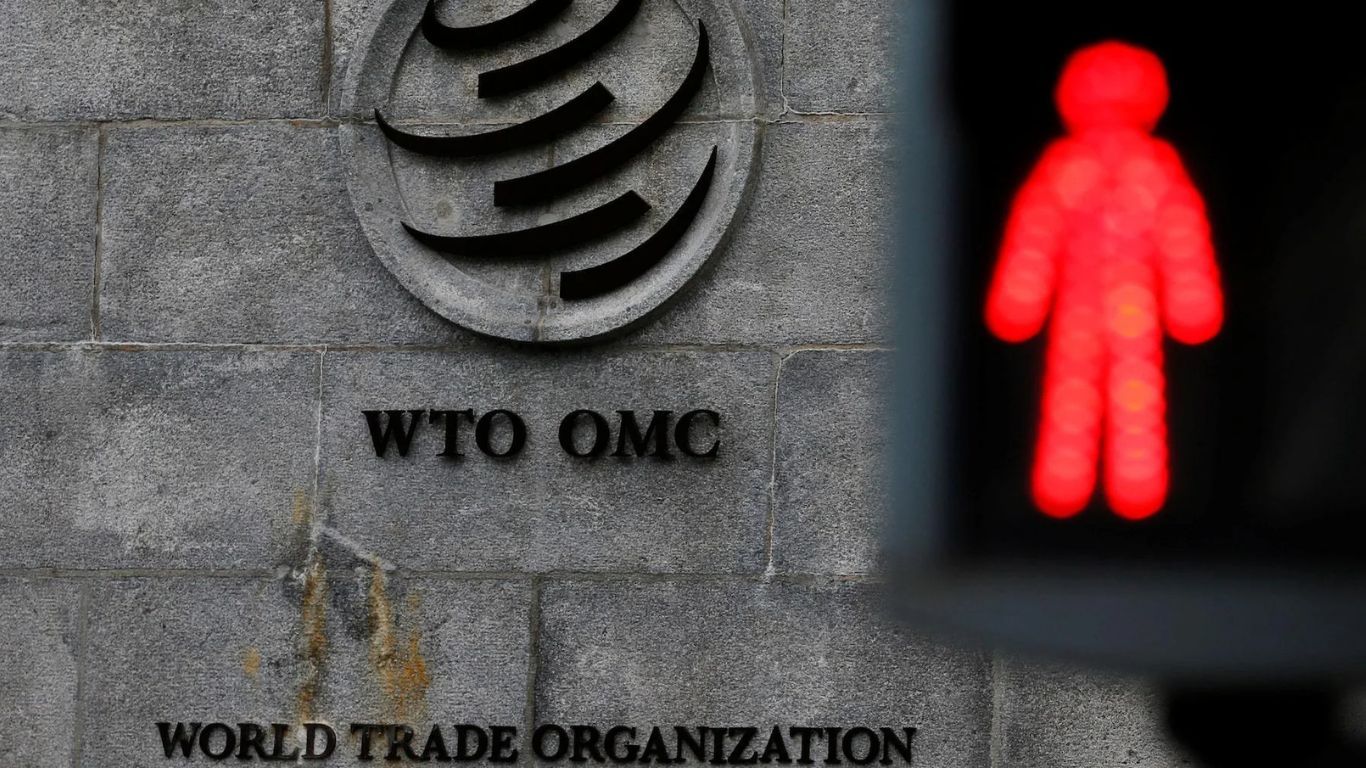
WTO warns global trade entering its most turbulent era in 80 years

Qabil Ashirov
Read moreThe warning issued by the World Trade Organization regarding the unprecedented crisis in the global trading system serves as a stark wake-up call for the modern global economy. Characterizing the current situation as the most severe turmoil in eighty years is by no means an exaggeration. It reflects a profound structural shift where the foundational rules of international commerce, established in the post-World War II era, are actively fracturing under the weight of geopolitical rivalry and institutional paralysis. The global trade wars, alongside critical maritime chokepoint disruptions like the closure of the Strait of Hormuz, has pushed the global economic architecture to a dangerous tipping point.
For decades, globalization thrived on the predictability and stability guaranteed by multilateral agreements. However, the resurgence of heavy protectionism has effectively dismantled this predictability. When the world’s largest economy heavily relies on tariff barriers as a primary tool of foreign and economic policy, it triggers an inevitable domino effect. Other nations naturally feel compelled to implement retaliatory countermeasures to protect their domestic markets, leading to a fragmented global marketplace. This escalating cycle of protectionism does not merely shift supply chains; it injects massive uncertainty into international markets, discouraging long-term investments and driving up costs for consumers worldwide. The reality we face today is one where economic nationalism is rapidly replacing cooperation, threatening to reverse decades of progress in global poverty reduction and market integration.
Simultaneously, the vulnerability of global trade is being severely exacerbated by geopolitical flashpoints that threaten physical supply routes. The closure of the Strait of Hormuz is a prime example of how geopolitical friction can instantly jeopardize global economic stability. As a maritime transit route responsible for the passage of roughly one-fifth of the world’s energy supply, any disruption there sends immediate shockwaves through global markets. This vulnerability is felt most acutely in East Asia, a region heavily dependent on Middle Eastern oil and gas to fuel its massive manufacturing hubs. When energy flows are restricted or threatened, energy prices spike globally, creating inflationary pressures that affect everything from manufacturing costs to ordinary household budgets. This situation underscores a frightening reality: the highly interconnected global economy remains dangerously dependent on a few fragile geographical bottlenecks.
However, blaming external political pressures and regional conflicts for this crisis paints only half the picture. The core of the problem lies within the multilateral trade framework itself, specifically the World Trade Organization. WTO rightly pointed out, the current crisis is deeply rooted in the WTO’s inability to reform and adapt to the dynamics of the modern era. The organization operates under a rigid consensus system, meaning that any major policy change or trade agreement requires the unanimous approval of all member states. While this mechanism was originally designed to ensure equity and prevent smaller nations from being marginalized, it has effectively become a tool for paralysis. In an era defined by rapid technological advancements, digital commerce, and shifting geopolitical alliances, a decision-making process that allows a single nation to veto progress is hopelessly obsolete. The WTO has become too slow and inflexible to address modern trade disputes, leaving countries to bypass the organization entirely and settle disagreements through unilateral actions or bilateral trade wars.
Despite these immense structural failures, it would be a mistake to completely dismiss the relevance of the WTO. The fact that approximately three-quarters of global trade still operates within the framework of WTO principles indicates that the foundation of multilateralism is resilient, even if it is badly damaged. This baseline adherence to established trade rules prevents the international community from sliding into total economic anarchy. It shows that the global community still recognizes the inherent value of a rules-based system, even as individual nations test its boundaries. Therefore, the goal should not be to abandon the WTO, but rather to aggressively pursue its reinvention.
To survive the next eighty years, the global trading system must undergo a fundamental transformation. This requires moving away from the paralyzing requirement of absolute consensus toward more flexible, plurilateral agreements where groups of like-minded countries can advance trade rules without being blocked by holdouts. Furthermore, nations must look beyond short-term political gains and recognize that economic isolationism ultimately yields diminishing returns. While protective tariffs might offer temporary domestic political advantages, they cannot shield an economy from the broader fallout of a collapsing global market. The current crisis demands a renewed commitment to multilateral diplomacy, structural institutional reform, and a shared understanding that global economic security is entirely dependent on open, predictable, and cooperative trade.
Here we are to serve you with news right now. It does not cost much, but worth your attention.
Choose to support open, independent, quality journalism and subscribe on a monthly basis.
By subscribing to our online newspaper, you can have full digital access to all news, analysis, and much more.
You can also follow AzerNEWS on Twitter @AzerNewsAz or Facebook @AzerNewsNewspaper
Thank you!