
Living heritage: Baku city through lens of cultural urbanism [PHOTOS]
![Living heritage: Baku city through lens of cultural urbanism [PHOTOS]](https://www.azernews.az/media/2026/05/20/icherisheher2.jpg)

Laman Ismayilova
Read moreCultural urbanism is an approach within contemporary urban studies and the humanities that views cities as complex cultural ecosystems, where history, identity, everyday life, symbols, and collective memory intersect.
Traditional urban planning often focuses on spatial design and functionality, whereas cultural urbanism views the city as a dynamic cultural text, constantly reshaped by successive generations of residents.
Neighborhoods, streets, and squares are not merely physical spaces—they embody meaning, social practices, and layers of history.
A central tenet of cultural urbanism is adaptive reuse, which transforms old industrial areas and factories into cultural, public, or creative spaces rather than demolishing them. This approach preserves the city's material heritage while giving it a renewed purpose.
Preserving urban identity is also key, requiring the integration of local traditions, historic forms, decorative elements, and materials into modern architecture and urban design.
Another important principle is to enhance the experience economy, which leverages creative industries, cultural tourism, and events to create jobs and enhance a city's cultural and economic appeal, particularly in post-industrial contexts.
Baku is one of the most striking examples of cultural urbanism in the post-Soviet space and across Eurasia. Its urban fabric is a complex system of historical layers, each reflecting a different stage in the region’s development and a variety of cultural influences.
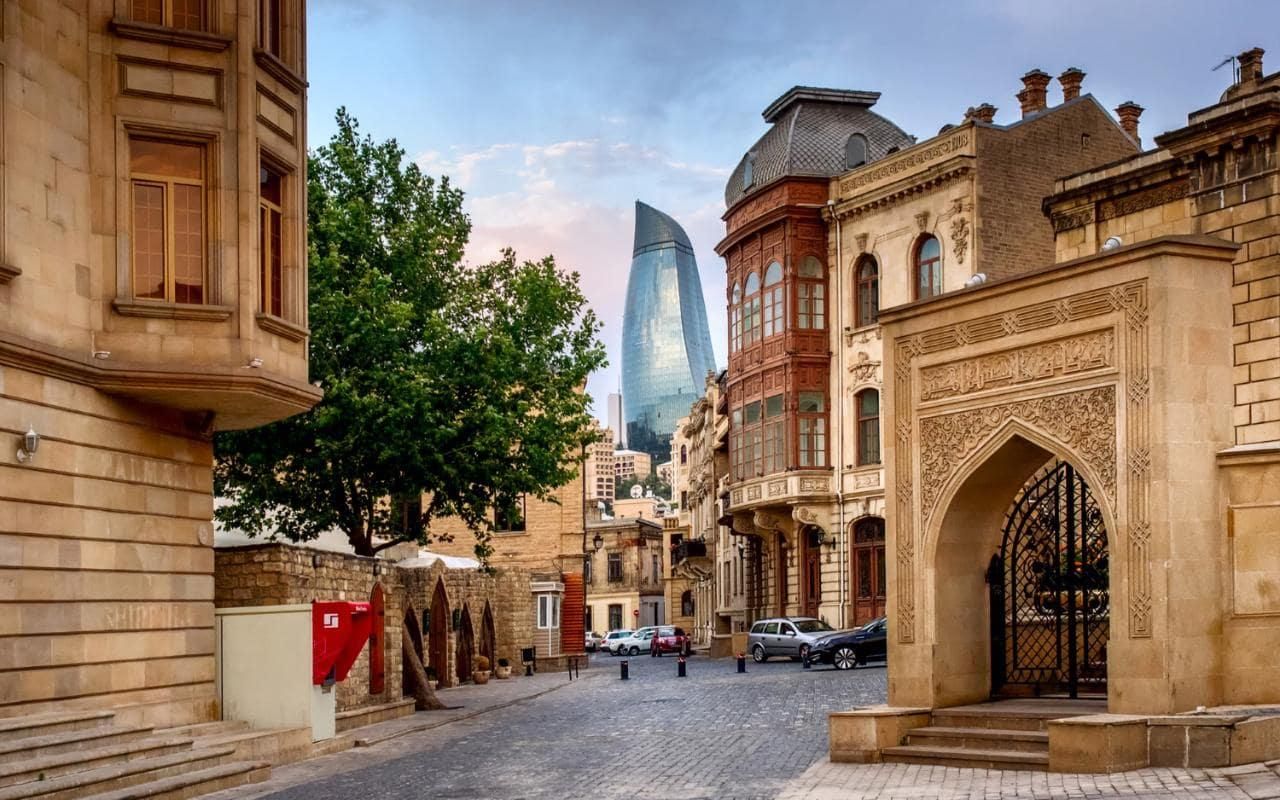
The Old City
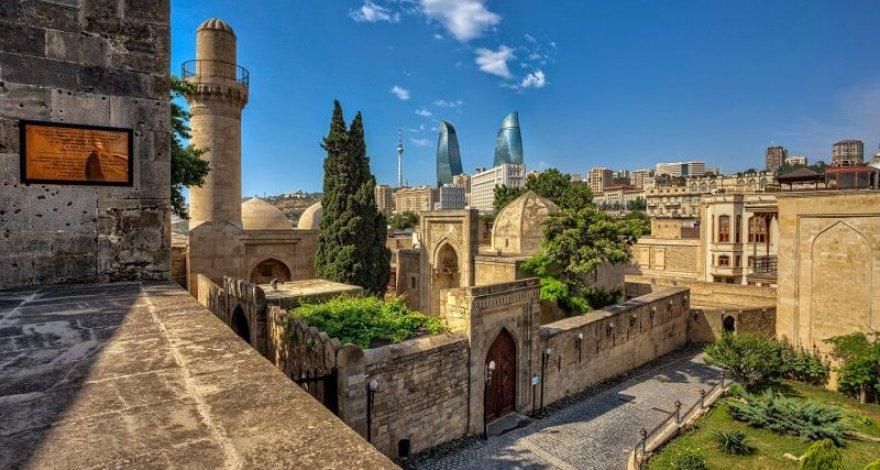
The historic center, known as Icherisheher (The Old City), is a medieval settlement with narrow streets, fortified walls, and traditional architecture influenced by different cultural traditions.
This district is recognized as a UNESCO World Heritage Site, highlighting its global cultural significance. At the same time, Icherisheher is not a frozen museum; it remains a living space where everyday life continues.
This is particularly important from the perspective of cultural urbanism, as it demonstrates the coexistence of historical heritage and contemporary urban activity.
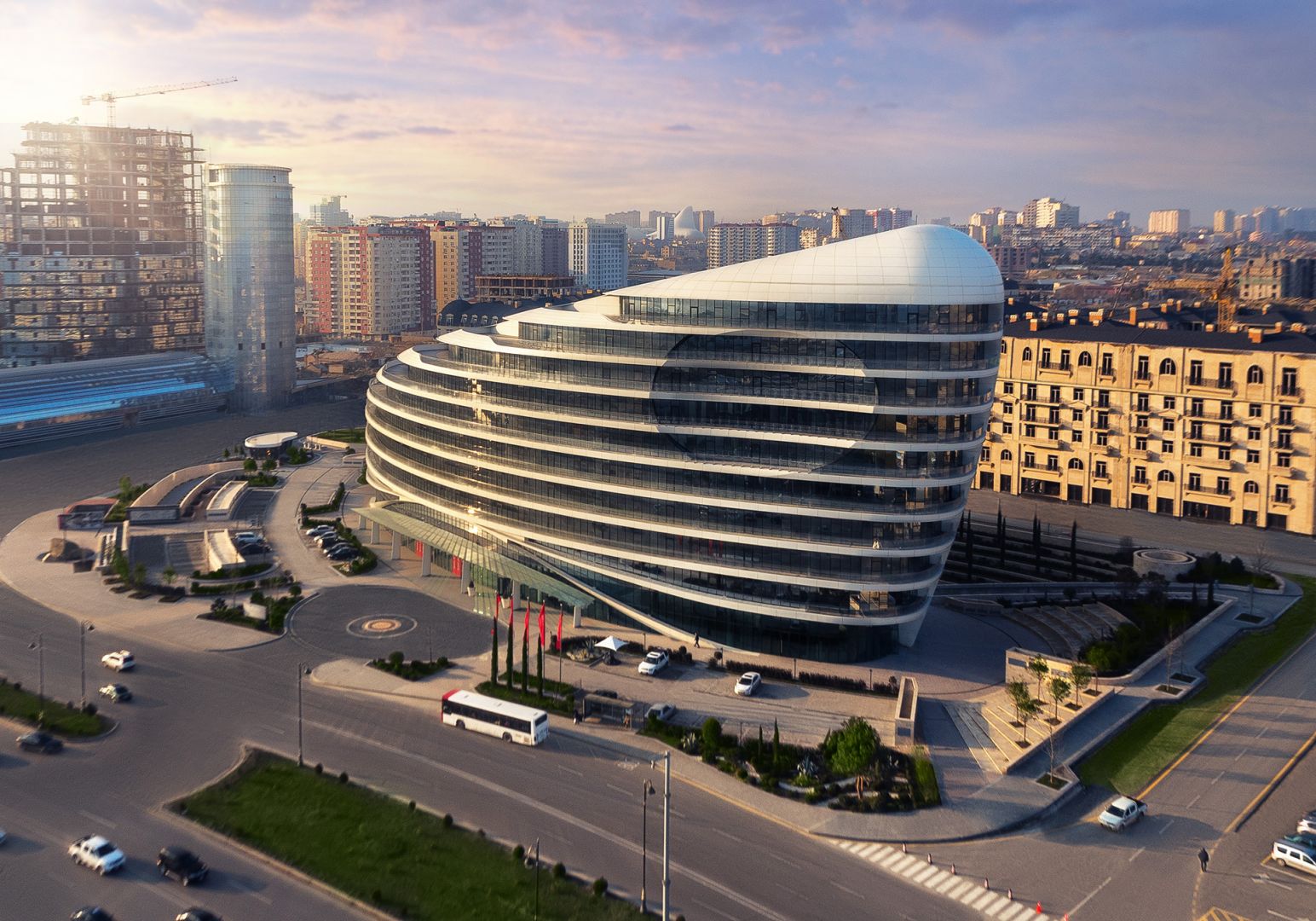
Baku White City
Historically, the eastern part of the city was known as the "Black City" due to the high concentration of soot and oil refineries established at the end of the 19th century.
Under a concept of cultural and ecological redevelopment, this area has been completely cleaned and transformed into the "White City."
It is one of the largest industrial regeneration projects in the world, converting former toxic wastelands into a modern urban environment with boulevards, parks, and residential neighborhoods integrated into the capital's cultural fabric.
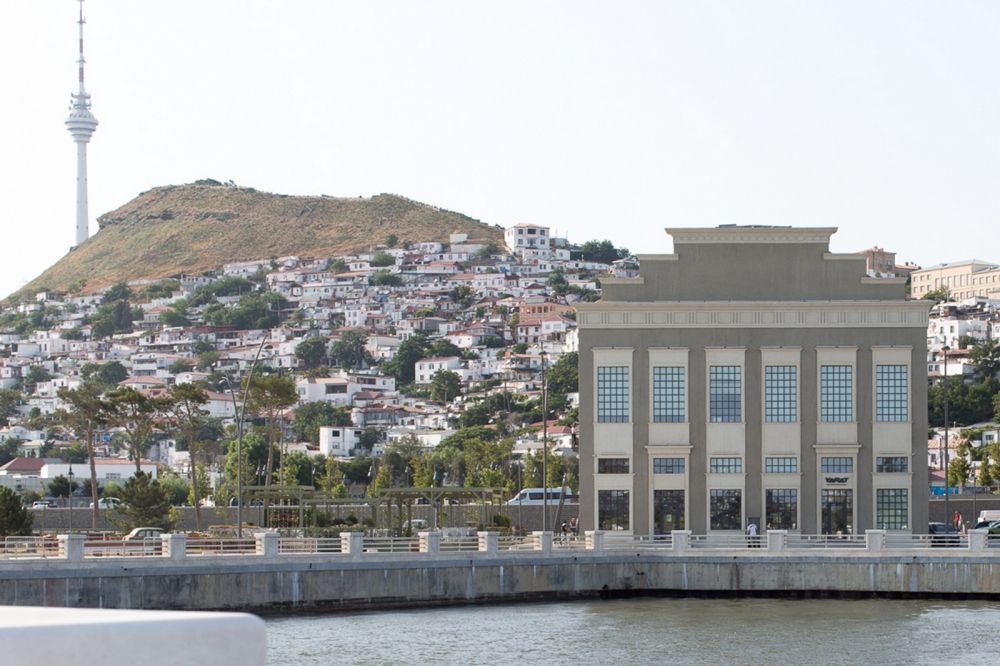
YARAT Contemporary Art Space
A prominent example of adaptive urbanism in Baku is the YARAT Contemporary Art Space, which opened its doors in 2015.
Located in a former Soviet naval base in Bayil, the building retains its industrial character while being repurposed as a lively center for artists, residents, and visitors.
This is a classic example of cultural urbanism: art breathing new life into abandoned industrial infrastructure.
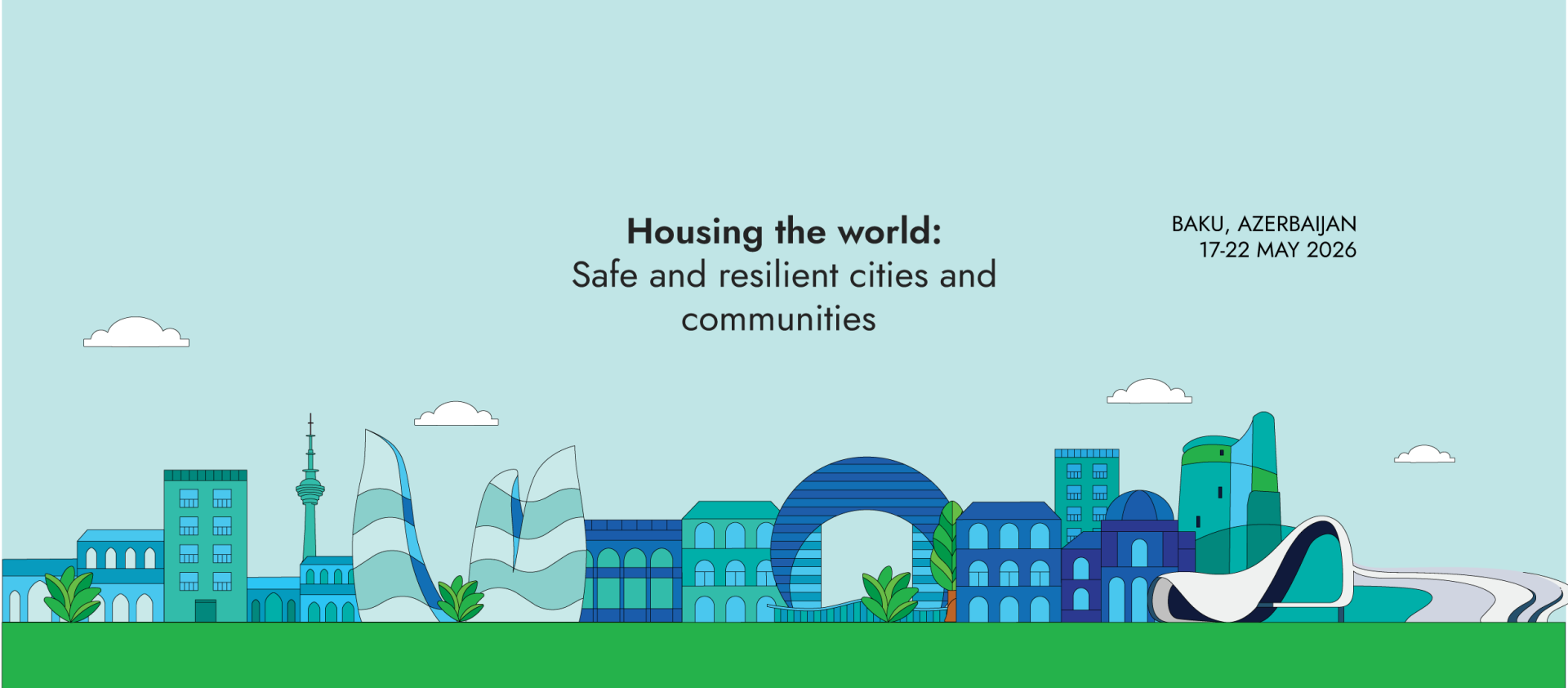
World Urban Forum and Its Role in Cultural Urbanism
An important element of Azerbaijan's contemporary urban agenda is hosting the World Urban Forum under UN-Habitat. Such international events underscore Baku's growing role in the global discussion about the future of cities and sustainable urbanization.
From the perspective of cultural urbanism, these forums serve a dual purpose. On one hand, they shape the international expert agenda and connect Baku to the global network of urban research centers. On the other hand, they influence local urban policy by increasing attention to public spaces, the preservation of historic districts, and the development of the creative economy.
The forum's main theme, "Housing the World: Safe and Resilient Cities and Communities", emphasizes the need to address the global housing crisis, positioning housing as a key factor in inclusive, sustainable, and socially-oriented urban development.
The event also acts as a global venue for exploring sustainable urbanization, exchanging best practices from different countries, and building partnerships to implement effective urban solutions in cities of all scales.
Heritage and Modernization Challenges
The current stage of Baku's development is characterized by the city's efforts to integrate into the global architectural and economic system.
The city is seeing major contemporary architectural projects, the formation of a new business district, and active development of its tourism infrastructure.
This process is accompanied by a rethinking of urban identity and attempts to combine historical heritage with the image of a modern metropolis.
Maintaining a balance between cultural heritage and innovative development defines the key objectives of urban policy and shapes the city's identity as a place capable of harmoniously combining local character with global trends.
Here we are to serve you with news right now. It does not cost much, but worth your attention.
Choose to support open, independent, quality journalism and subscribe on a monthly basis.
By subscribing to our online newspaper, you can have full digital access to all news, analysis, and much more.
You can also follow AzerNEWS on Twitter @AzerNewsAz or Facebook @AzerNewsNewspaper
Thank you!