
President Aliyev highlights Azerbaijan’s expanding energy footprint across Europe

Qabil Ashirov
Read moreThe tectonic shifts currently reshaping the global geopolitical landscape have fundamentally rewritten the rules of international energy security and economic interdependence. Nations are forced to rapidly reassess their strategic alignments at a period, particularly defined by deep volatility, supply chain fragmentation, and the urgent restructuring of traditional trade corridors. Amidst this sweeping global realignment, Azerbaijan has seamlessly transitioned from a crucial regional actor into one of the core, indispensable players on the global energy stage. This elevation is neither accidental nor a simple byproduct of recent geopolitical crises; rather, it represents the natural, calculated culmination of a sophisticated, decades-long strategy geared toward integration with premium global markets and fostering long-term institutional reliability.
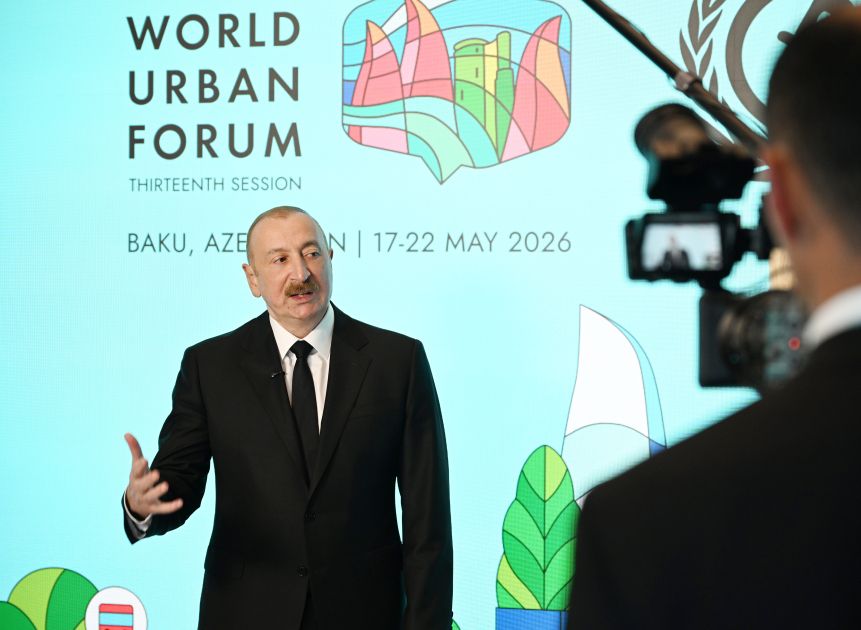
The profound necessity of this synergy became glaringly evident in the wake of the Russia-Ukraine war, which triggered the most severe energy crisis in Europe’s modern history. As the European continent faced an unprecedented crunch in hydrocarbon supplies, it found itself in urgent pursuit of a dependable, conflict-free partner capable of ensuring long-term, uninterrupted energy security. Concurrently, Azerbaijan required a sophisticated, high-value, and legally secure consumer base to fully unlock its vast export potential and justify further multi-billion-dollar investments in upstream infrastructure. This alignment of strategic interests created a perfect geopolitical symbiosis. Reflecting on this mutual dependence and the strategic necessity of the partnership, Azerbaijani President Ilham Aliyev aptly summarized the dynamic in his interview with Euronews: “We need a premium market, which is Europe. And Europe needs an alternative source of supply, which is Azerbaijan. So we combined our efforts and established a very fruitful cooperation with the European Commission.”
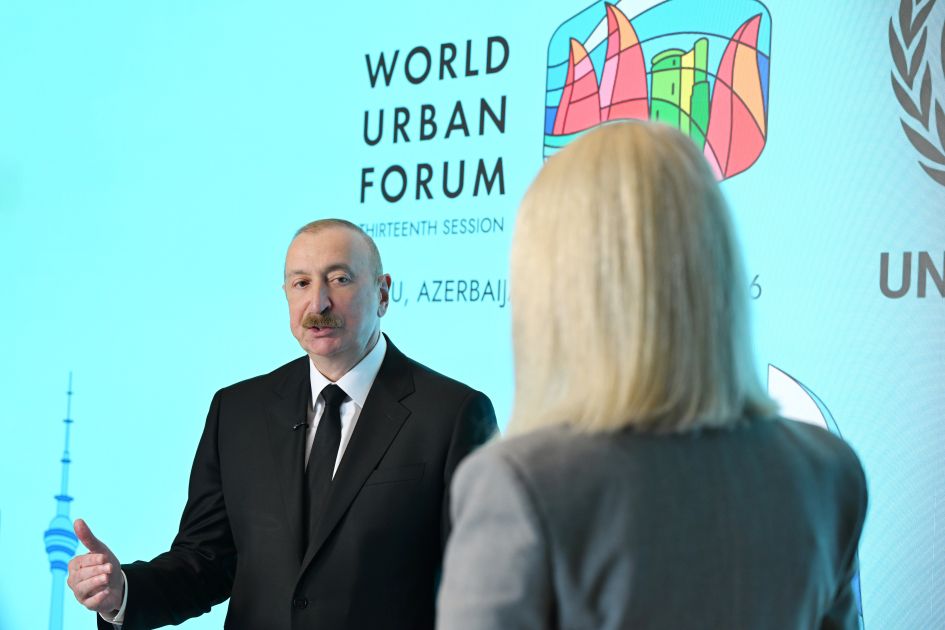
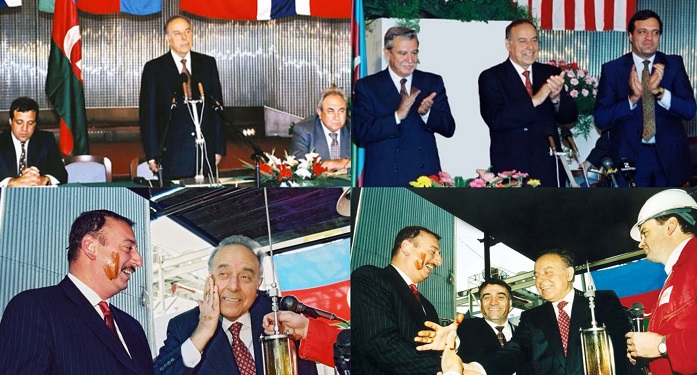
While the current geopolitical climate has undoubtedly accelerated this partnership, the architectural and diplomatic foundations of Azerbaijan’s gas diplomacy with the West were laid long before the current decade. Immediately upon regaining its independence in the early 1990s, under incredibly challenging regional circumstances, Baku made a definitive and visionary geopolitical choice to open its strategic energy sector to major Western corporations. Let's remember the landmark "Contract of the Century" signed in 1994, which did not just secure vital foreign direct investment. It permanently anchored Azerbaijan to the global economic grid and established its reputation as a predictable partner. The macroeconomic dividends of this policy are nothing short of staggering. Over the course of three decades, Azerbaijan’s Gross Domestic Product expanded nearly 170-fold, a rate of economic transformation and wealth accumulation that remains an extreme anomaly in modern economic history.
Having successfully utilized its oil wealth to build a resilient, sovereign state and modern infrastructure, Azerbaijan successfully replicated this exact blueprint within the natural gas sector. Although the country's comprehensive gas strategy was conceived in the late 1990s with the discovery of the mammoth Shah Deniz field, the physical, cross-continental bridge to Europe was fully realized after 2020 with the operationalization of the complex Southern Gas Corridor. Today, Baku’s energy infrastructure pumps stability directly into the heart of the European continent, crossing multiple borders to deliver vital supplies. Azerbaijan now supplies natural gas to 16 countries globally, a striking 12 of which are European nations, effectively positioning the country as a primary guarantor of energy diversification for Southern and Eastern Europe.
Nevertheless, Baku’s current export volumes and geographical reach are not viewed by its leadership as a final destination, but rather as a dynamic launchpad for further expansion. As new, massive gas fields like Absheron come online, and existing infrastructure undergoes capacity upgrades to meet growing demand, Azerbaijan’s footprint is poised to grow even larger. The rising demand from continental buyers who are actively seeking to increase their intake underscores Baku's growing diplomatic and economic influence. As President Aliyev observed regarding the expanding geography of Azerbaijan's energy diplomacy and the continuous influx of new partnerships, “The number of countries is growing. The number of requests for us to start cooperation is growing.
Crucially, the nature of Azerbaijan’s energy statecraft has undergone a profound qualitative evolution that sets it apart from traditional resource-rich nations. The country is no longer just a passive geographical source extracting hydrocarbons from the Caspian basin for foreign consumption. Instead, Baku has matured into a powerful exporter of capital, technical expertise, and operational know-how. The state-backed energy mechanisms and operational standards developed in the Caspian are now being deployed globally, showcasing the maturity of the State Oil Company of Azerbaijan (SOCAR). In recent years, Azerbaijan has ventured far beyond its traditional post-Soviet and regional geography, engaging in sophisticated exploration agreements with Israel in the Mediterranean Sea, and expanding its upstream footprint into the African continent through strategic partnerships with Kenya and Côte d'Ivoire.
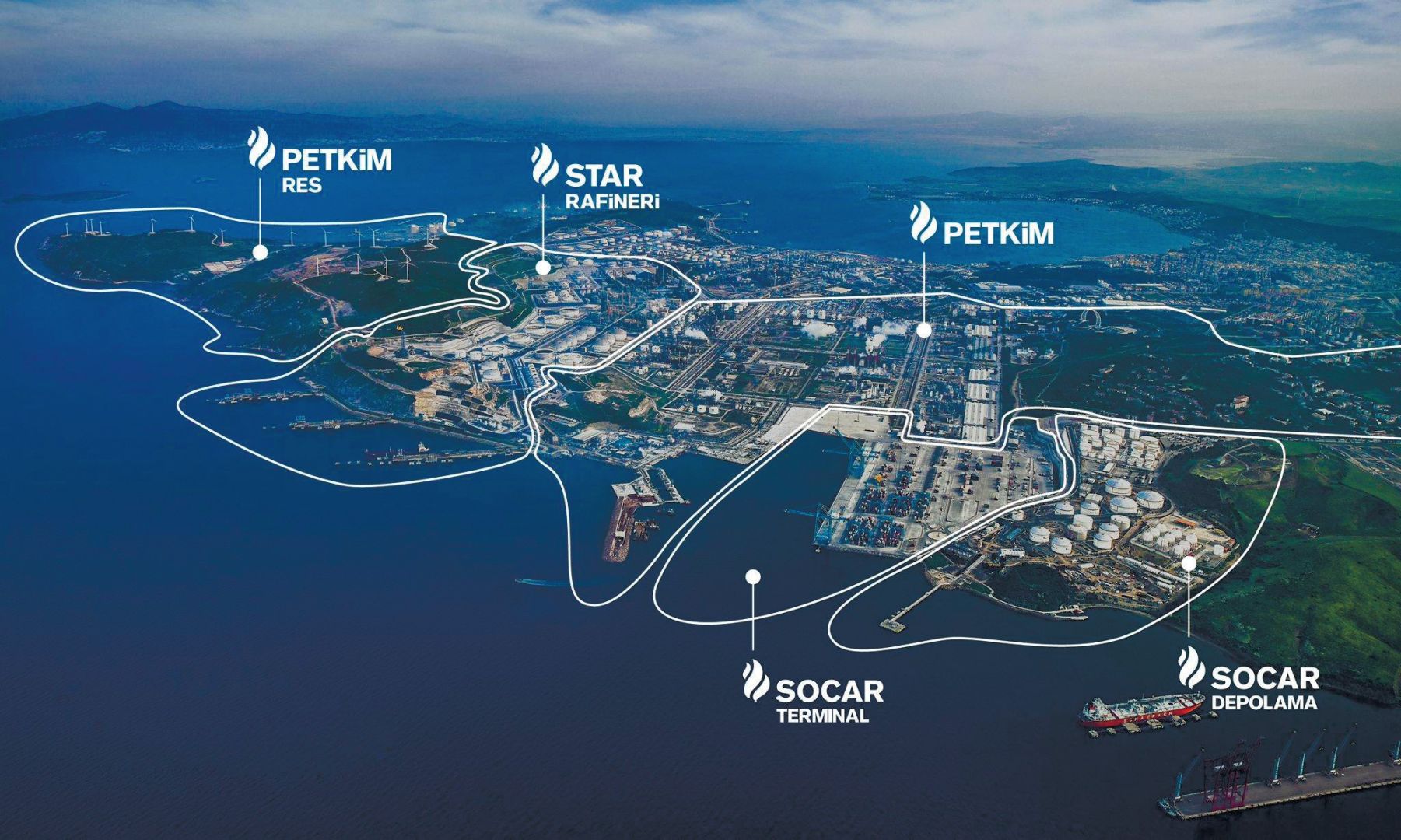
Furthermore, Azerbaijan's downstream investments in Georgia and Türkiye, where it owns major industrial assets like the Petkim petrochemical complex and the STAR refinery, alongside its growing commercial presence in various European markets, demonstrate a holistic approach to value-chain integration. This regional network is further strengthened by Baku’s emerging leadership in the green energy transition, as the country actively develops the Black Sea submarine cable project to export renewable wind energy from the Caspian directly to Europe. By transforming from a traditional resource exporter into a global investor, green energy pioneer, and multinational operator, Azerbaijan has secured its economic and geopolitical relevance for decades to come. Ultimately, Baku’s journey illustrates how a clear strategic vision, coupled with institutional reliability, can elevate a nation from the periphery of post-Soviet transition into an indispensable anchor of global energy security.
Here we are to serve you with news right now. It does not cost much, but worth your attention.
Choose to support open, independent, quality journalism and subscribe on a monthly basis.
By subscribing to our online newspaper, you can have full digital access to all news, analysis, and much more.
You can also follow AzerNEWS on Twitter @AzerNewsAz or Facebook @AzerNewsNewspaper
Thank you!