
Strategic reclamation of Lachin: How diplomacy and military rewrote South Caucasus map

Elnur Enveroglu
Read moreThe shadows of 1992: a district lost to chaos
To understand the profound strategic and emotional weight of Lachin’s return to Azerbaijani sovereignty, one must first revisit the bleak spring of 1992. The fall of the Lachin district in May of that year was a structural collapse born of political paralysis in Baku. As the Soviet Union dissolved, Azerbaijan found itself fractured by internal power struggles, with the political factions deeply embroiled in a domestic tug-of-war for authority.
This governance vacuum proved fatal on the battlefield. Shusha had fallen just days earlier, and Lachin, the vital geographic corridor wedged between Armenia and the mountainous enclaves of Garabagh, was left dangerously exposed. Deprived of cohesive centralized command, clear logistics, or a unified military strategy, Azerbaijani forces were forced to retreat.
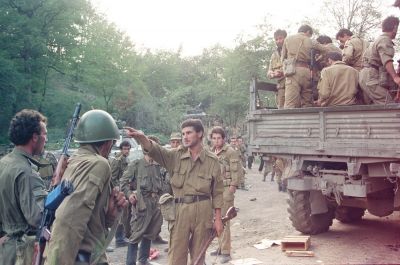
For the Armenian forces, the capture of Lachin was a triumphalist milestone, securing the land bridge they desperately required. Archival footage from the era captured a bitter reality for Baku: Armenian soldiers entering the surrendered city of Lachin with songs, dances, and celebratory joy. In the geopolitical lore of the region, the internal political failures of Baku's temporary authorities were viewed by the occupiers almost as a "gift", a capitulation handed over amid the chaotic infighting of early 1990s Azerbaijani politics. The cost to Azerbaijan was immense, displacing tens of thousands of local residents and locking the region into nearly three decades of frozen conflict.
2020 and 2022: Masterclass in bloodless reclamation
The status quo was decisively shattered during the 44-day Second Garabagh War in Autumn 2020. Having modernized its military hardware, integrated advanced drone warfare capabilities, and secured robust geopolitical alliances, Azerbaijan systematically dismantled decades of defensive fortifications.
While the majority of the territory was reclaimed through intense kinetic combat, the final return of the Lachin district showcased a sophisticated blend of military leverage and coercive diplomacy. Under the trilateral ceasefire agreement signed on 10 November 2020, President Ilham Aliyev leveraged Azerbaijan’s overwhelming battlefield superiority to dictate terms. The political-military strategy was clear: encapsulate the remaining occupied territories in a diplomatic vice, forcing a bloodless withdrawal.
The climax of this strategy unfolded in August 2022. Under the terms of the 2020 agreement, a new route bypassing Lachin city and the adjacent villages of Zabukh and Sus was constructed. On 26 August 2022, the Azerbaijan Army marched into Lachin city, Zabukh, and Sus, raising the national flag over the strategic topography.
Remarkably, this final phase was executed without a single shot being fired. By utilizing precise diplomatic maneuvering backed by the credible threat of force, Baku achieved what standard military doctrine rarely accomplishes: the total capitulation and evacuation of a heavily fortified, strategically vital zone without further casualties. This bloodless takeover saved thousands of lives on both sides, transforming a potential urban quagmire into a textbook execution of asymmetric political strategy.
Renaissance on Hakari River: Lachin today
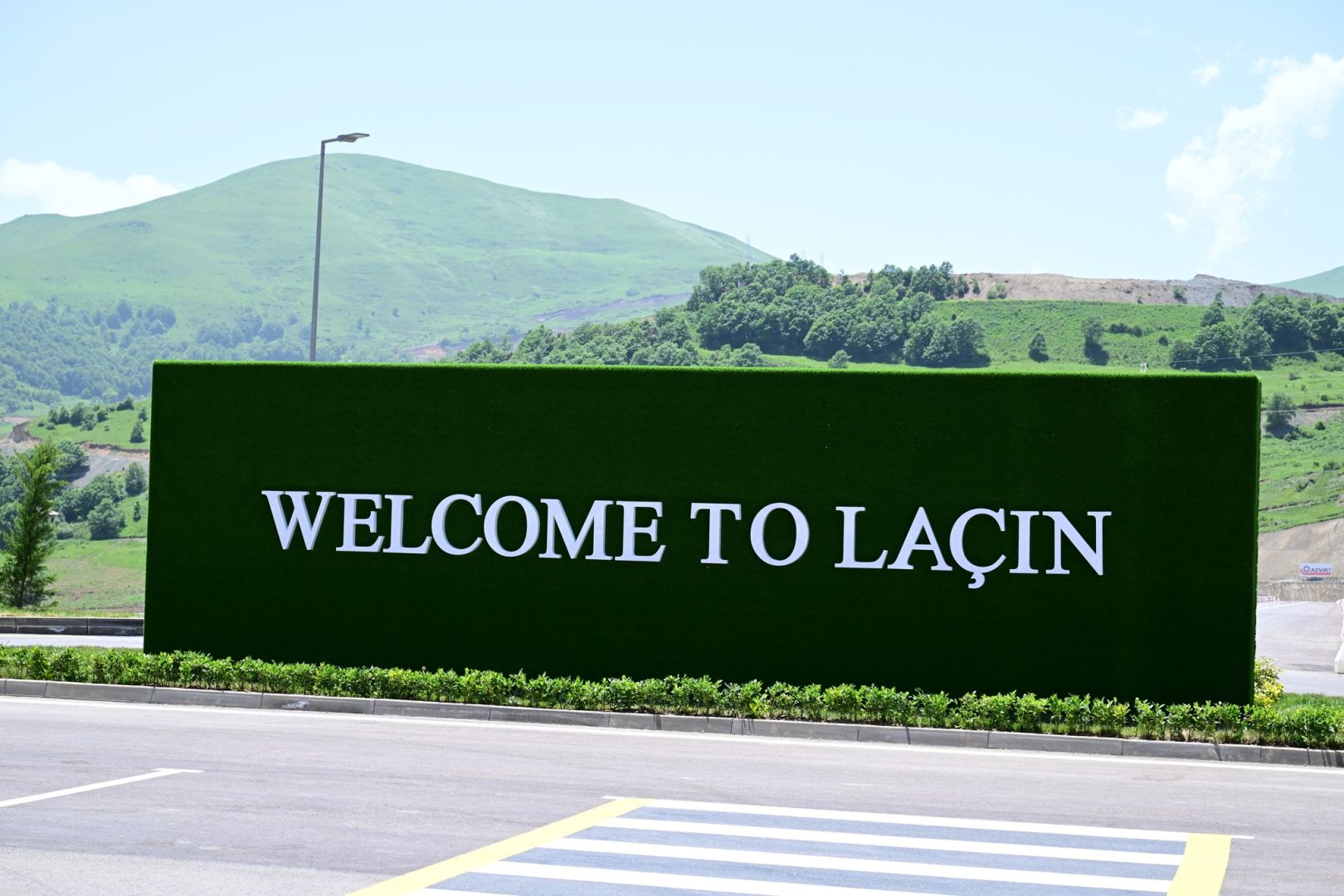
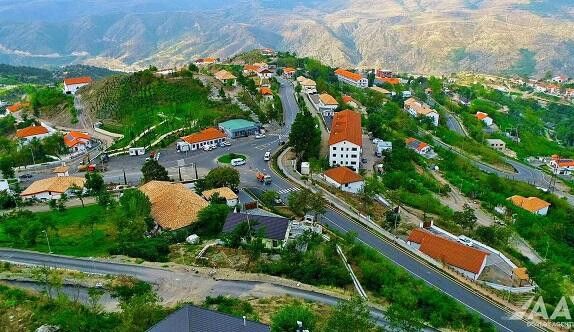
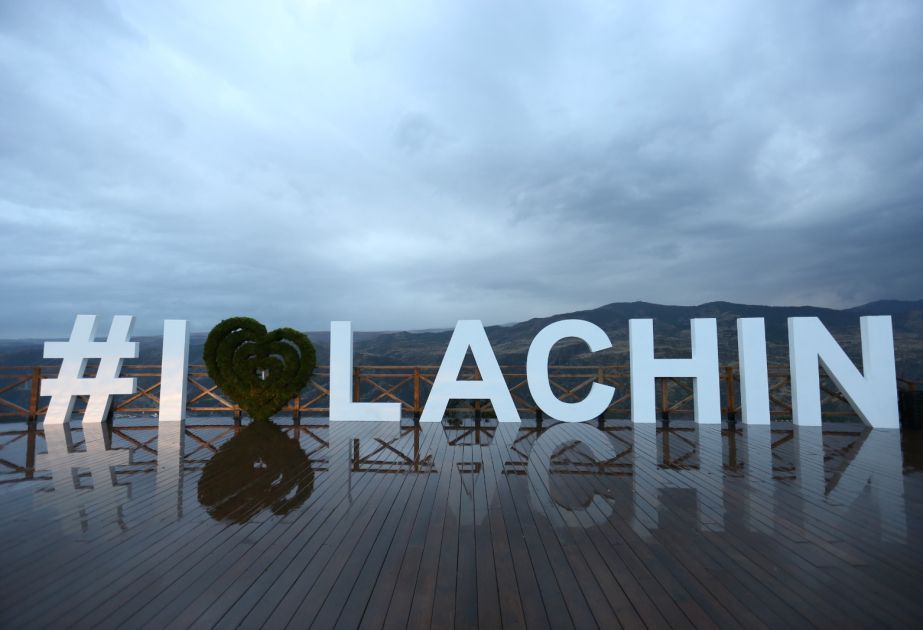
Today, the transformation of Lachin from a ruined ghost town into a bustling hub of state-of-the-art infrastructure is a cornerstone of Azerbaijan's "Great Return" policy. The region, once defined by its geopolitical vulnerability, is being aggressively integrated into the national economy.

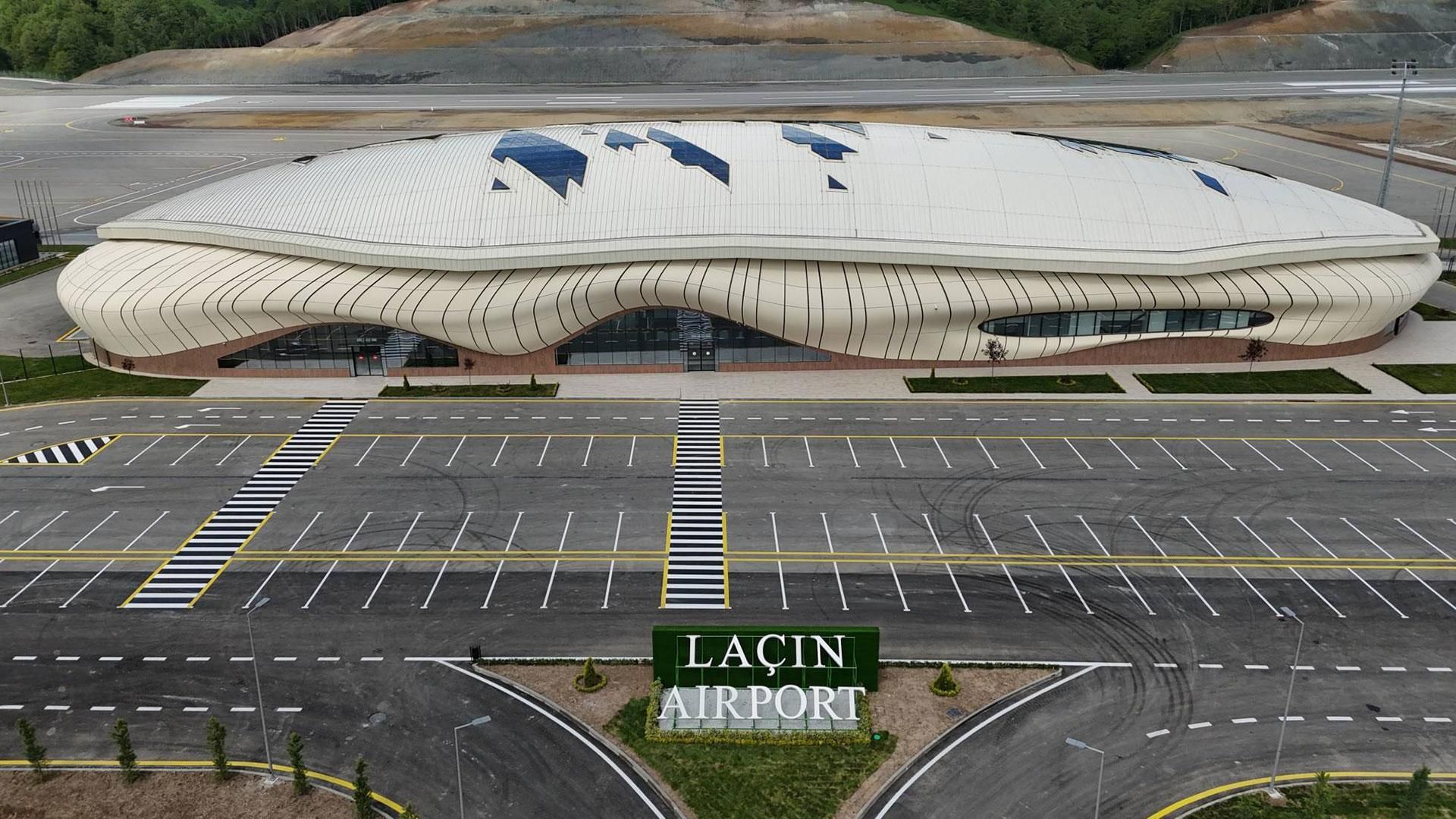
The reconstruction is comprehensive. Miles of modern highways now snake through the mountainous terrain, and the construction of the Lachin International Airport, built at an impressive altitude, serves as both a logistics hub and a sovereign statement. Residential quarters have been rebuilt from scratch, allowing thousands of internally displaced persons (IDPs) to finally return to their ancestral homes. The city has been fitted with green energy grids, agro-industrial parks, and modern schools, replacing the scars of war with sustainable urban planning.
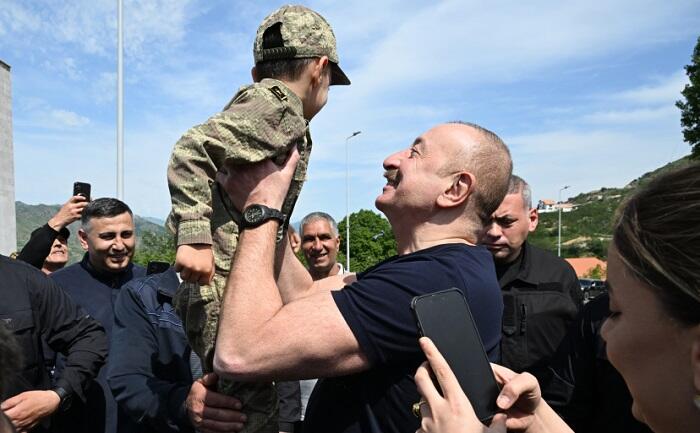
President Ilham Aliyev’s frequent, high-profile visits to Lachin underline its symbolic and practical value to Baku's long-term vision. Steering his own vehicle along the newly paved roads or inspecting housing projects in Zabukh, the President’s presence sends an unequivocal message to both domestic and international audiences: Azerbaijan’s sovereignty over these territories is absolute, permanent, and non-negotiable.
Here we are to serve you with news right now. It does not cost much, but worth your attention.
Choose to support open, independent, quality journalism and subscribe on a monthly basis.
By subscribing to our online newspaper, you can have full digital access to all news, analysis, and much more.
You can also follow AzerNEWS on Twitter @AzerNewsAz or Facebook @AzerNewsNewspaper
Thank you!