
Azerbaijan accelerates economic diversification with surge in non-oil exports

Qabil Ashirov
Read moreThe latest trade data from the first four months of 2026 offers a compelling glimpse into the quiet transformation taking place within Azerbaijan’s economic landscape. For decades, the narrative surrounding the nation’s wealth has been monolithically tethered to oil and gas, resources that fueled rapid urbanization and infrastructure development but left the state exposed to the volatile whims of global energy markets.
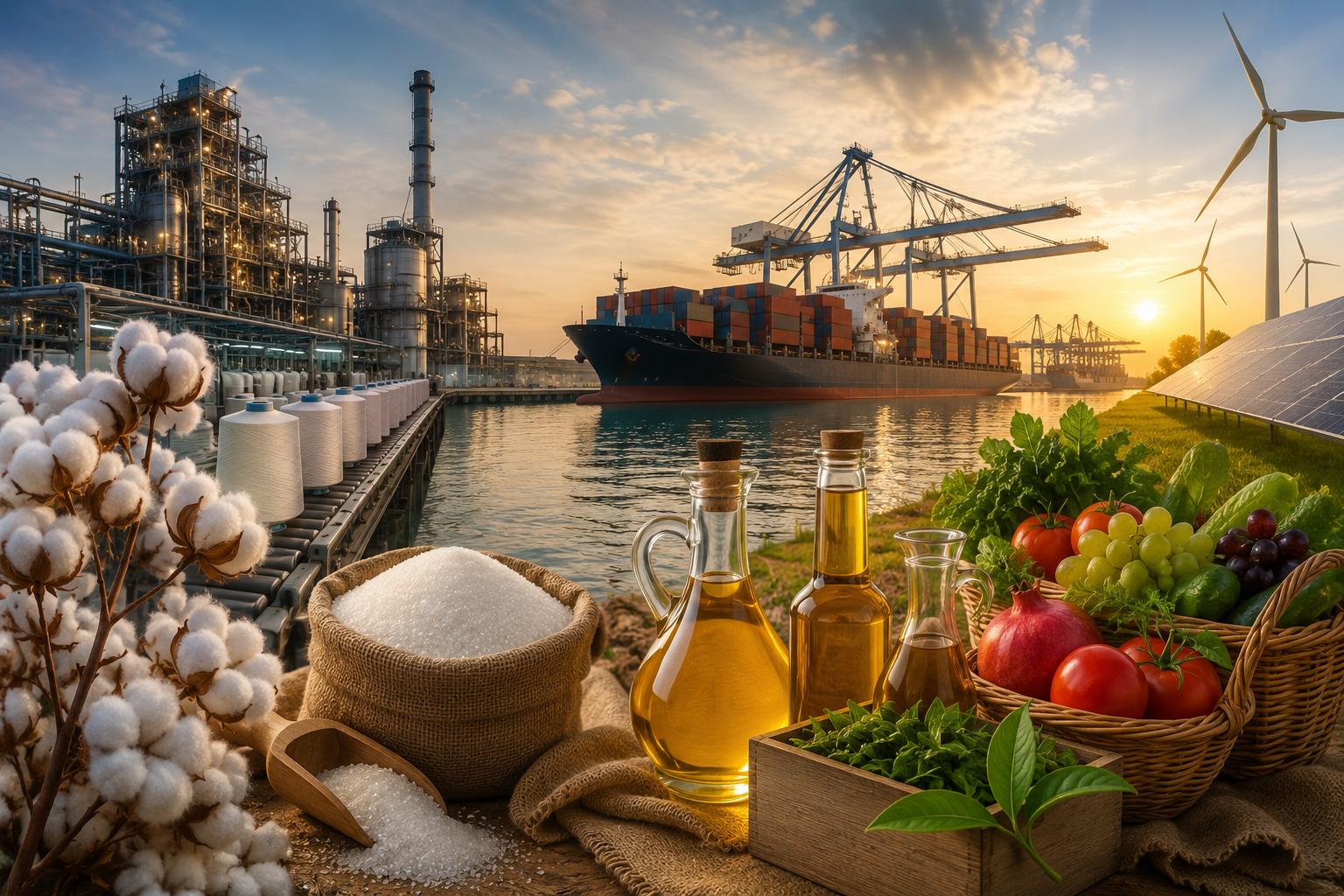
Today, however, a different story is emerging, one where fields of cotton, processing plants, and agricultural ingenuity are stepping out from the shadow of oil derricks. The country is making concerted, deliberate efforts to diversify its export portfolio, and the newest metrics indicate that these structural ambitions are translating into tangible, real-world momentum.
According to recent findings, Azerbaijan’s non-oil exports, excluding non-monetary gold, surged by an impressive 13 percent between January and April of 2026 compared to the same period in the previous year, reaching a total value of 1.1 billion dollars. This double-digit growth is far from an isolated statistical anomaly; rather, it serves as concrete evidence that the government’s long-term diversification strategy is bearing fruit. By deliberately factoring out gold from these calculations, the data presents a clearer, more honest picture of the country's manufacturing and agricultural vitality. This trajectory aligns perfectly with Baku’s ambitious economic benchmark to push non-oil and gas exports past the threshold of four hundred dollars per capita, a target that once seemed distant but now appears increasingly within reach as the nation marches steadily forward.
When analyzing the specific commodities driving this upward trend, the resurgence of certain sectors is highly significant. Among the standout performers in the early months of this year were sugar, cotton yarn, and vegetable and animal oils and fats. The prominence of these specific goods is particularly telling, as they tie deeply into both the historical identity and the recent economic trials of the nation. Cotton, for instance, has long been a cultural and economic trademark of Azerbaijan, historically dubbed white gold during eras when the country was famed for its vast, fertile fields. The fact that cotton yarn exports skyrocketed by 2.3 times, coupled with a nearly fifty percent increase in raw cotton fiber, signals a profound and much-needed revival of this legacy industry. It demonstrates that Azerbaijan is not merely producing raw materials but is successfully climbing the value chain by processing cotton into textiles ready for international trade.
Even more dramatic is the story of sugar, an industry that experienced a meteoric rise after the collapse of the Soviet Union, quickly becoming one of the most rapidly developing sectors in the independent republic. Prior to the economic shocks of 2015, Azerbaijan’s sugar exports were a massive revenue generator, valued in the hundreds of millions of dollars. However, the post-2015 period saw a devastating decline, with sugar exports plummeting nearly tenfold due to shifting market dynamics and currency adjustments. Against this historical backdrop, the revelation that sugar exports have multiplied fourfold in early 2026 is nothing short of a renaissance. It marks the definitive moment where the sugar sector has begun to reclaim its lost ground, proving its resilience and adaptability.
A remarkably similar trajectory has been traced by the vegetable and animal oils and fats sector. Like sugar, these oils were once pivotal components of the national export basket before suffering a catastrophic tenfold drop in the decade following 2015. The recent seventy-one percent surge in this category indicates that the sector is undergoing a parallel recovery, breathing new life into processing facilities that had long operated under capacity.
This broad-based recovery is further reinforced by the stellar performance of the broader agricultural matrix. Combined exports of agrarian and agro-industrial products climbed by over twenty-nine percent to exceed four hundred seventeen million dollars, driven by substantial gains in fruits, vegetables, aluminum products, tea, and beverages. What we are witnessing in 2026 is the orchestrated awakening of Azerbaijan’s traditional sectors, vindicating years of policy focus on food security and rural development. While the road to full economic independence from fossil fuels remains long, the revival of sugar, the rebirth of cotton, and the steady climb toward per capita export targets suggest that Azerbaijan is successfully rewriting its economic future, one non-oil sector at a time.
Here we are to serve you with news right now. It does not cost much, but worth your attention.
Choose to support open, independent, quality journalism and subscribe on a monthly basis.
By subscribing to our online newspaper, you can have full digital access to all news, analysis, and much more.
You can also follow AzerNEWS on Twitter @AzerNewsAz or Facebook @AzerNewsNewspaper
Thank you!