
SOCAR adds another piece to its expansion strategy in Africa
Akbar Novruz
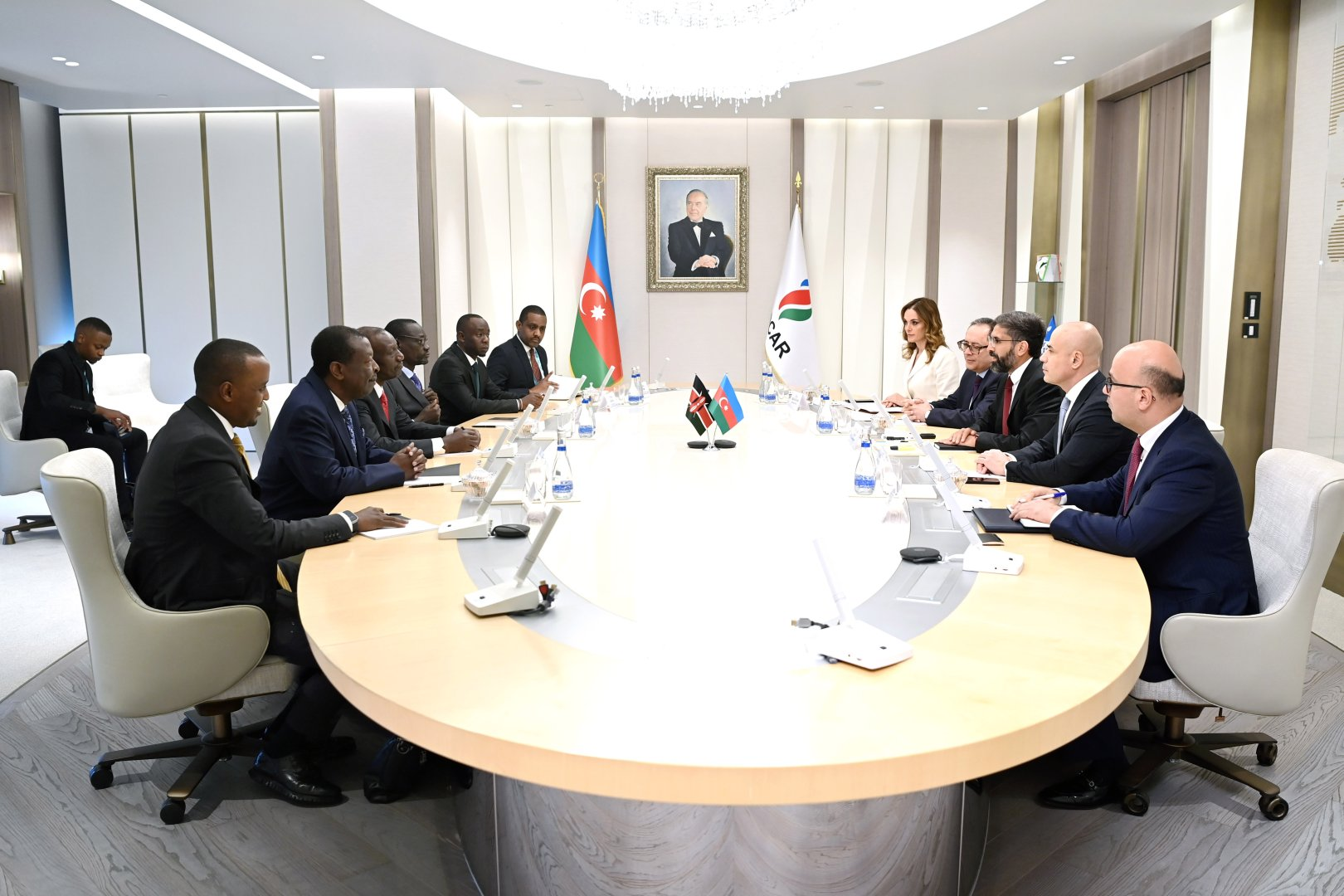
Read moreOn the face of it, a meeting between the president of Kenya and the CEO of Azerbaijan’s state oil company can be assumed to be one of those courtesy visits which fill diplomatic agendas but yield little in terms of substance. Such a conclusion would clearly not apply to the recent meeting between William Ruto and SOCAR CEO Rovshan Najaf. The reason is simple as it follows on the heels of SOCAR’s first ever direct investment in upstream production in Africa, a 10% interest in Eni’s Baleine field off the coast of Ivory Coast which was agreed upon at the margins of Davos last month, and in a context of keen interest on the part of Kenya in the special expertise of SOCAR in reservoir management and logistics chain optimization.
The Baleine deal, which was announced on January 22 at the World Economic Forum and signed between SOCAR president Rovshan Najaf and Eni CEO Claudio Descalzi, was an extremely well-thought-out entry move. First, Baleine is not just a potential frontier play – it is a producing field, currently providing 62,000 barrels of oil and more than 75 million cubic feet of gas daily through the first two phases of its production, with plans for a third phase that will bring the total production level to 150,000 barrels of oil and 200 million cubic feet of gas daily. The timeline from discovery to first production, achieved only in 2023, is one of the fastest for a deepwater African project since 2021. Besides, the field is marketed as the first net-zero emissions upstream operation in Africa, featuring gas utilization, lower flaring rates, and offsets. The entry into such a field – producing, developing, and possessing an environmentally-friendly label – presents quite a different challenge compared to frontier exploration.
SOCAR is coming to Africa and it is coming in as a strategic financier – acquiring a 10% stake in an operating, Eni-operated field at a time when the asset is de-risking itself of the exploration stage and embarking on a growth phase. This is exactly the kind of strategy that a national oil company with excess capital will seek: exposure to growth without involvement in operations, in an asset operated by a credible major with a clear development strategy. The signing of the three MoUs between Eni and SOCAR in 2024, on topics of energy security, upstream exploration and production, and reduction of greenhouse gas emissions, created the relationship framework within which the Baleine deal could take place. It was not a random acquisition but rather the first tangible result of a two-year-old partnership framework between the two companies.
And now this time, it appears that Azerbaijan’s main oil company will be bringing yet another 'piece' to the table for their further growth in Africa. It’s Kenya!
There are some structural differences between the Baleine case and the Kenya case which should be noted. In the former, Côte d’Ivoire was willing to provide a producing asset opportunity – that is, an equity stake in an increasing oil field. In the latter, Kenya seeks something more particular – namely, the technical know-how in reservoir management and logistics chain modernization that SOCAR has gained. Upstream operations in Kenya have been through a very difficult decade. The South Lokichar basin operated by the Tullow Oil company in the Turkana region reportedly contains 600 million barrels of recoverable oil. However, due to numerous project delays, financing problems, and problems with pipeline infrastructure, the project has not gone beyond first oil despite the fact that it has been discovered back in 2012.
The opportunity for SOCAR to partner with Kenya comes through their proven track record. SOCAR has years of experience in managing mature and semi-mature Caspian fields – maximising recovery from wells whose production has already peaked and where enhanced oil recovery techniques are employed, and dealing with the intricacies of transporting land-locked oil and gas to export facilities. This is precisely what Kenya needs to do for its South Lokichar project, which includes not only field development expertise, but a 900-km pipeline to Lamu port. Whatever the outcome of the Ruto-Najaf meeting – whether a service contract, a memorandum of understanding, or merely an informed continuation of ongoing discussions – the message is obvious: SOCAR wants to be seen as a technical services company in East Africa, supplementing its West African equity interests in Côte d'Ivoire.
Set against the backdrop of the recent agreement for SOCAR's entrance into the North Ustyurt field in Uzbekistan made just two days earlier, the Kenya trip helps form the image of a national oil company rapidly expanding internationally both in terms of exploration and services capabilities, an expansion whose speed could not be predicted two years ago. Within a single week in May 2026, the SOCAR's president signed a major agreement on Central Asian exploration with bp and held talks with the Kenyan head of state concerning SOCAR's involvement in providing services to East African oil companies. This is not a coincidence and reflects a strategic vision: given the declining output from Azerbaijani oil fields, which fell from 41.6 million tonnes in 2015 to 27.7 million in 2025, SOCAR needs to compensate for the loss of production and revenues from the oil fields that it no longer can produce. There are two promising frontiers for a national oil company with substantial technical capabilities and financial resources and an international presence based on years of experience with European majors. Three of the four 2024 MOUs relate to energy security, exploration and production cooperation, and reducing greenhouse gas emissions, the latter being especially pertinent to Baleine's claim as the first net-zero emissions upstream development in Africa.
As a 10% shareholder in such an enterprise, SOCAR ties its image to a standard that will become increasingly relevant to European capital markets and institutional investors, to whom it needs to appeal in order to raise money for its renewable energy transition at home. The Baleine share is not only a means of securing an upstream resource, but also a tool that helps build up energy transition credentials, as the same European parties to whom it will be selling gas in the future. The Eni alliance is a way to accomplish both at once, which is quite an efficient way to go about things in the current energy environment.
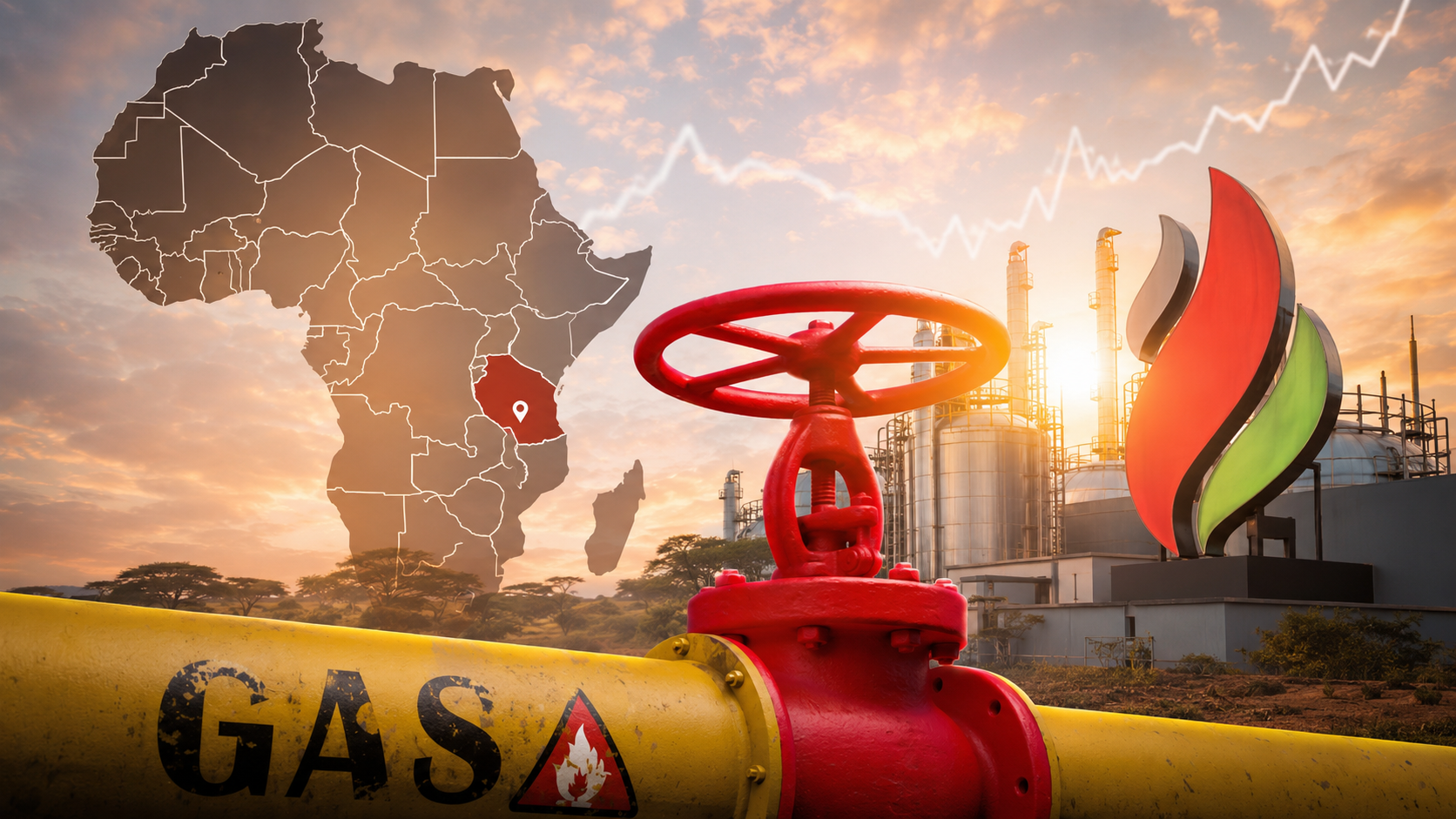
*Image is generated with Artificial Intelligence
Here we are to serve you with news right now. It does not cost much, but worth your attention.
Choose to support open, independent, quality journalism and subscribe on a monthly basis.
By subscribing to our online newspaper, you can have full digital access to all news, analysis, and much more.
You can also follow AzerNEWS on Twitter @AzerNewsAz or Facebook @AzerNewsNewspaper
Thank you!