
WUF13: Director of National Art Museum explains how art shapes cities and urban change [INTERVIEW]
![WUF13: Director of National Art Museum explains how art shapes cities and urban change [INTERVIEW]](https://www.azernews.az/media/2026/05/18/ogkotpot29.jpg)
Laman Ismayilova
Read moreThe 13th session of the World Urban Forum (WUF13), held in Baku, brought together global experts, policymakers, and cultural leaders to discuss the future of cities under the pressures of rapid urbanization, climate challenges, and social transformation.
As one of the world's leading platforms on sustainable urban development, the forum highlighted not only infrastructure and housing solutions, but also the cultural and human dimensions of urban life.
Within this international context, the Azerbaijan National Art Museum presented its perspective on how art reflects, preserves, and actively shapes the identity of cities.
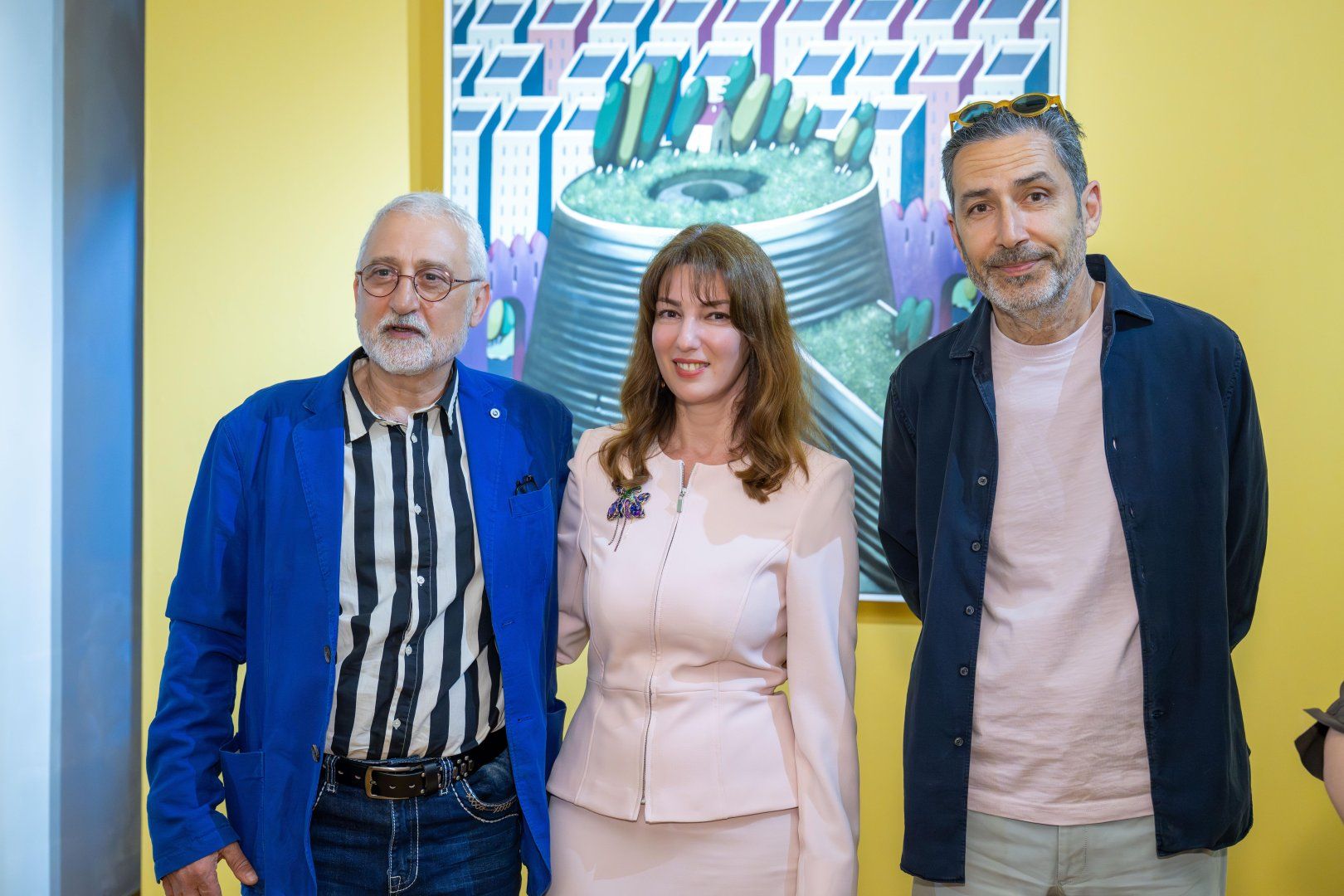
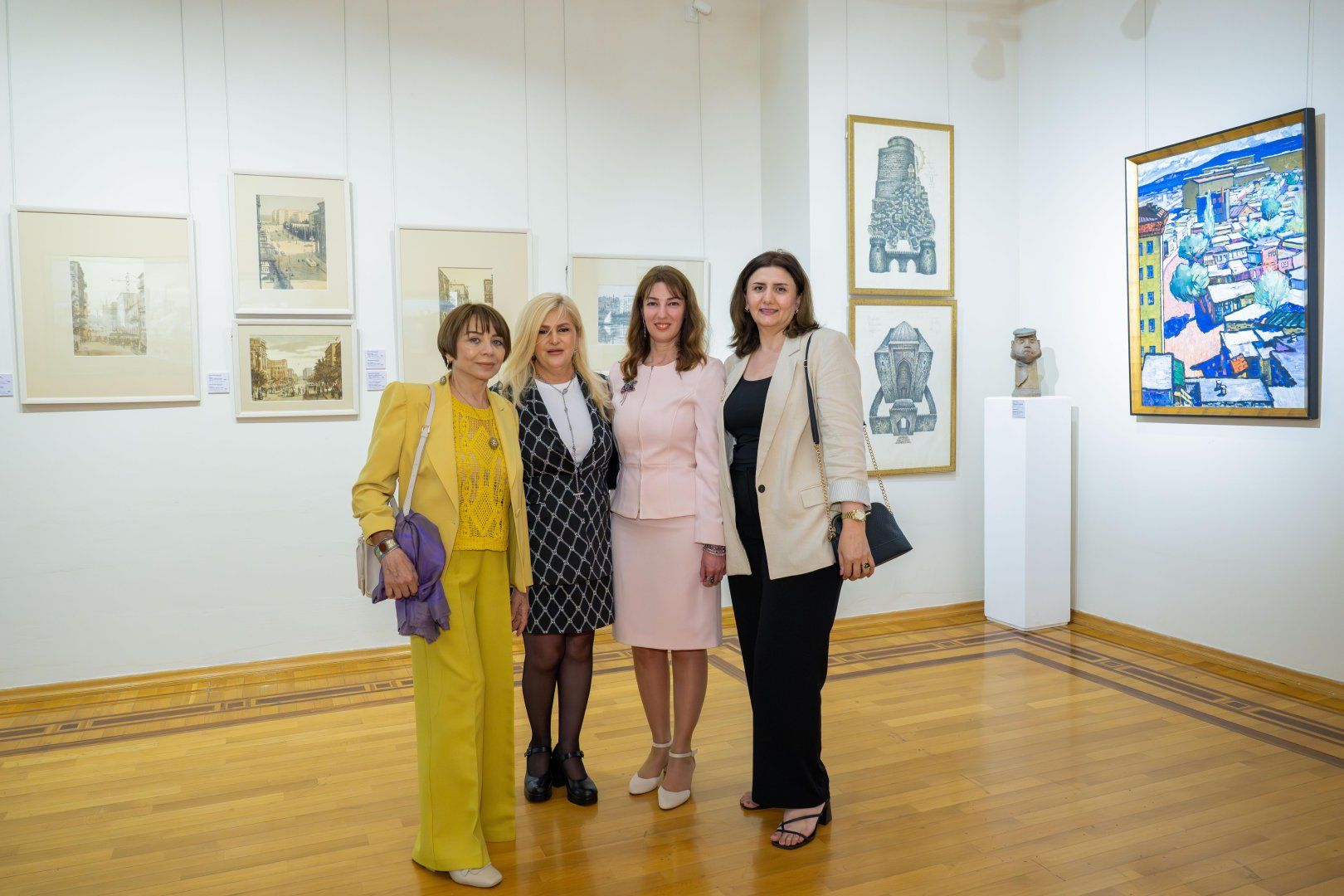
In an interview with AzerNEWS, director of the Azerbaijan National Art Museum, Honored Cultural Worker Shirin Malikova, discussed how historical and contemporary art practices capture the evolving image of cities, with a particular focus on Baku's transformation, cultural heritage, and the role of museums in sustainable urban development.
Q: WUF13 focuses on sustainable urban development and housing in the context of global urbanization. In your opinion, how can art reflect and even influence processes of urbanization and the transformation of cities?
A: Art is, in general, meant to reflect the surrounding reality (and not only that). It is, therefore, only natural that one of the aspects of human life that comes into its field of vision is urban development. Views of cities from different eras appear in countless works of art. Sometimes, however, the exact reproduction of a landscape is not the main point—other parameters take precedence.
At times, photographic accuracy does prove useful in practice, especially in works created before the invention of photography. A classic example is the work of the 18th-century Italian painter Bernardo Bellotto (also known as Canaletto). He worked in the genre of "veduta", a highly precise form of cityscape painting. Bellotto depicted many cities, including Warsaw. After the Second World War, Warsaw's historic center, which had been left in ruins, was reconstructed in extraordinary detail based precisely on Bellotto's paintings created two centuries earlier.
Another example of how art can influence urban development is the construction of the Eiffel Tower for the 1889 World's Fair. It was originally conceived as a temporary installation, a striking symbol of scientific progress, which was the theme of the exhibition. After the fair, it was intended for use in scientific experiments and later as a radio transmission tower. Parisians were initially not enthusiastic about this "iron skeleton" in the heart of their city. However, 20 years after the exposition, when Gustave Eiffel's contract expired, and the tower was due to be dismantled, it had already become deeply embedded in the visual identity of Paris. The public had grown accustomed to it. As a result, it was preserved. Today, nearly a century and a half later, it continues to attract millions of tourists.
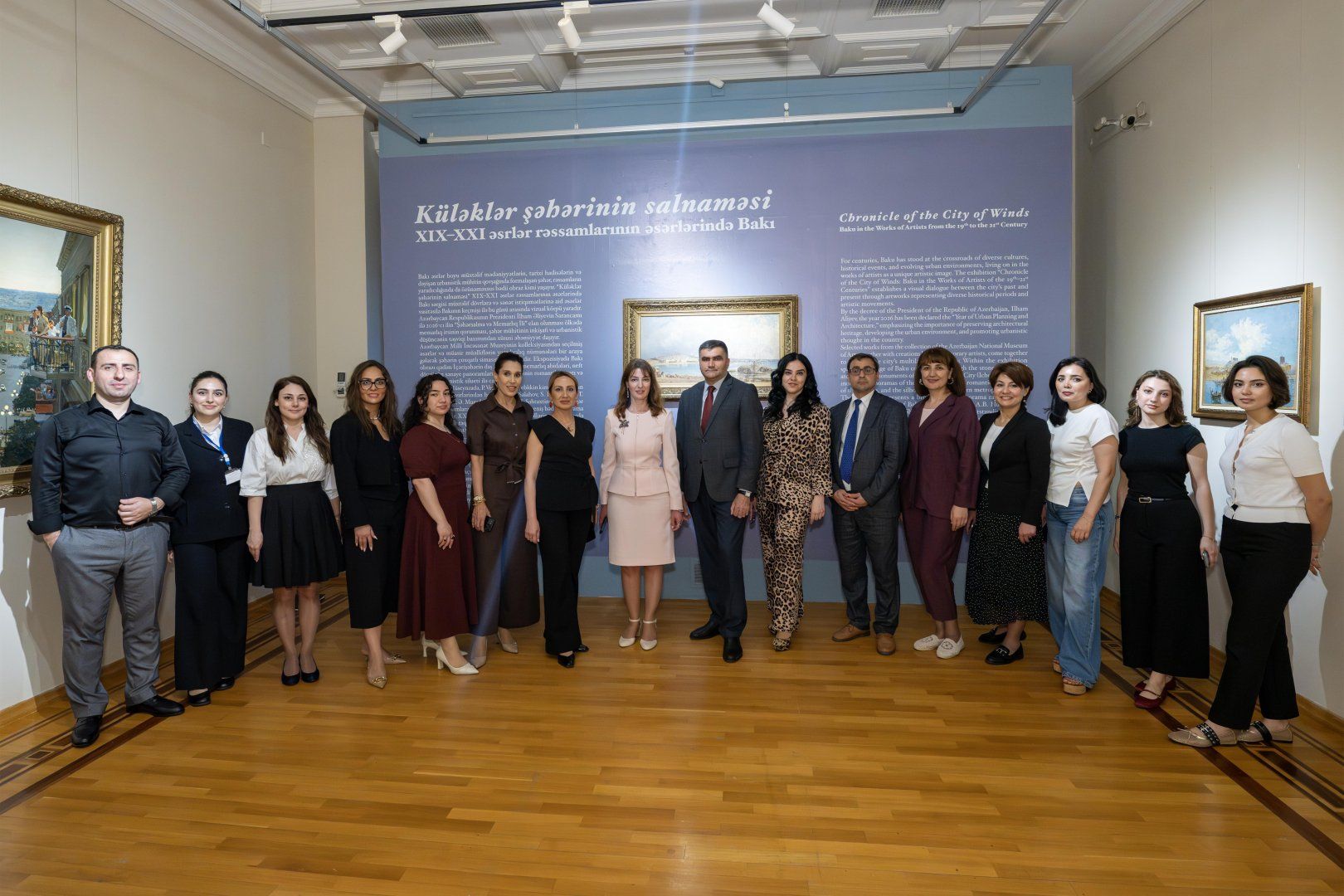
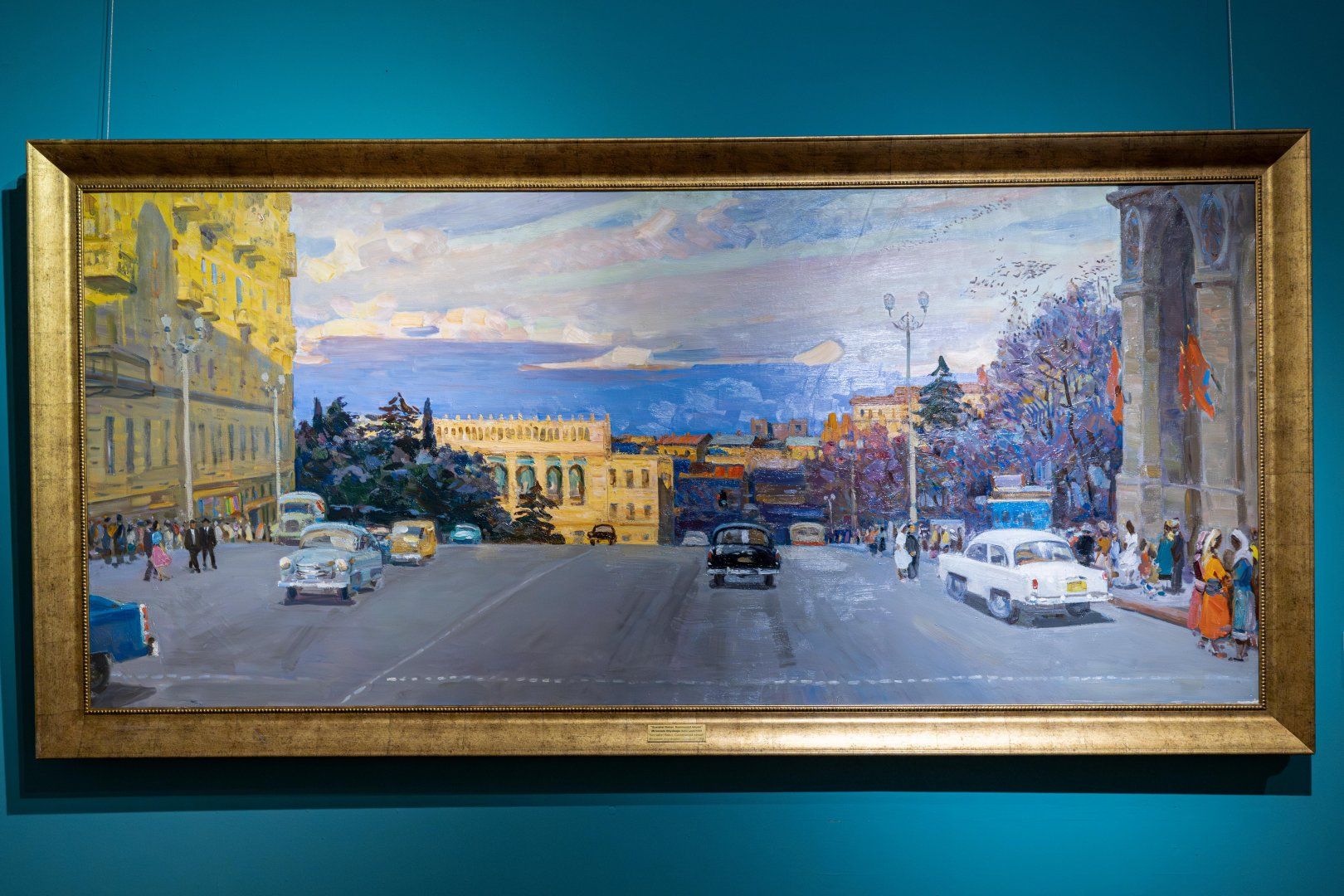
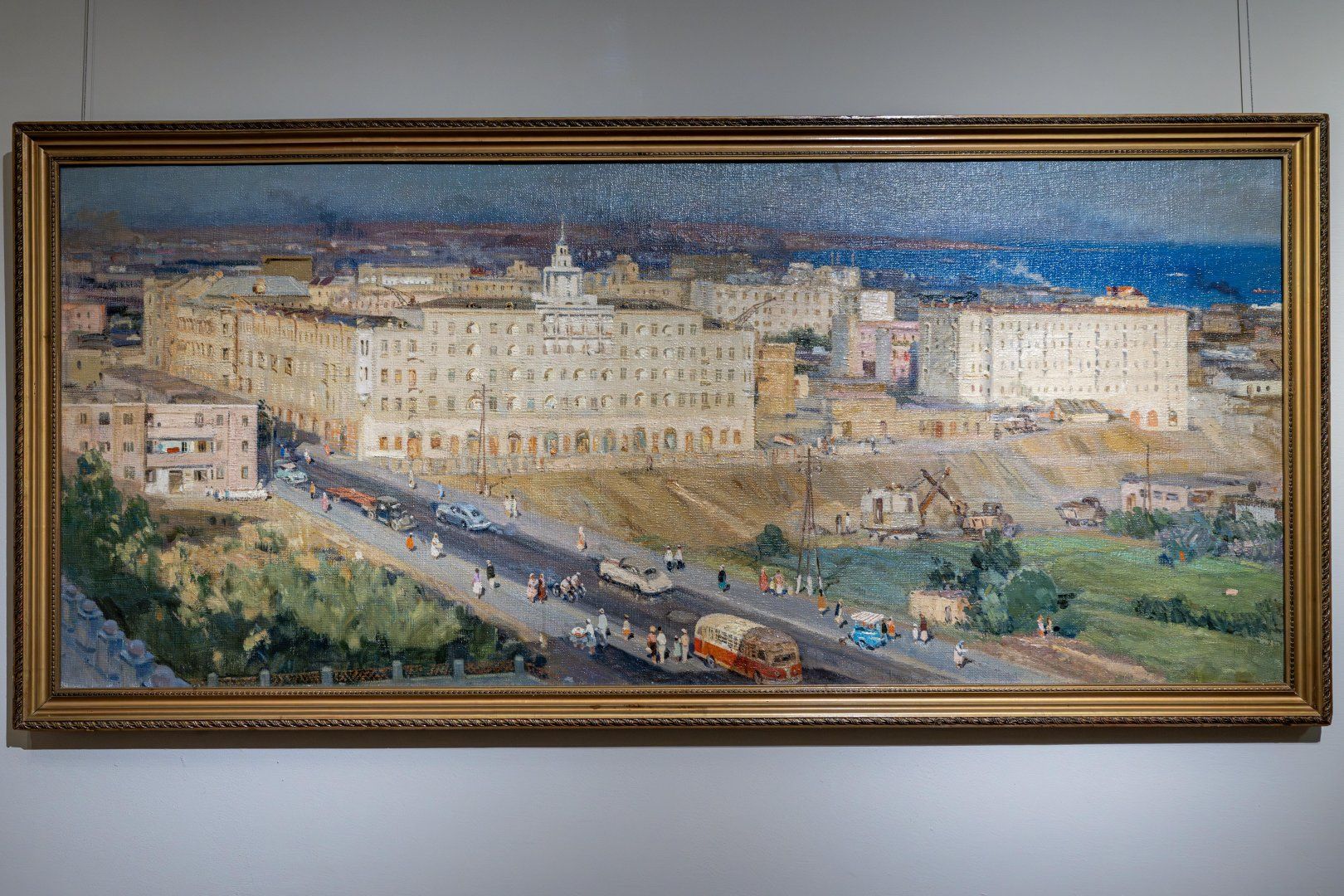
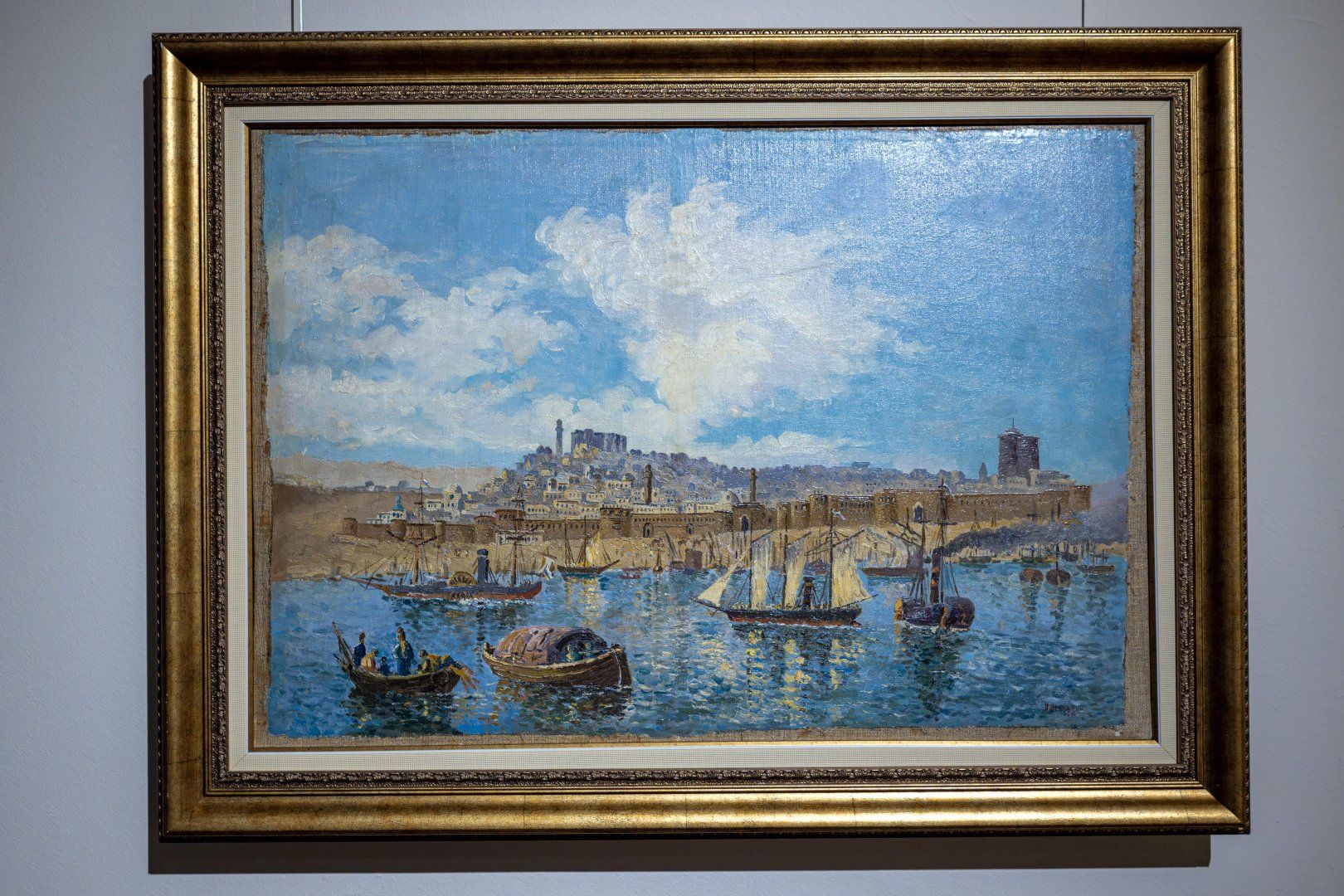
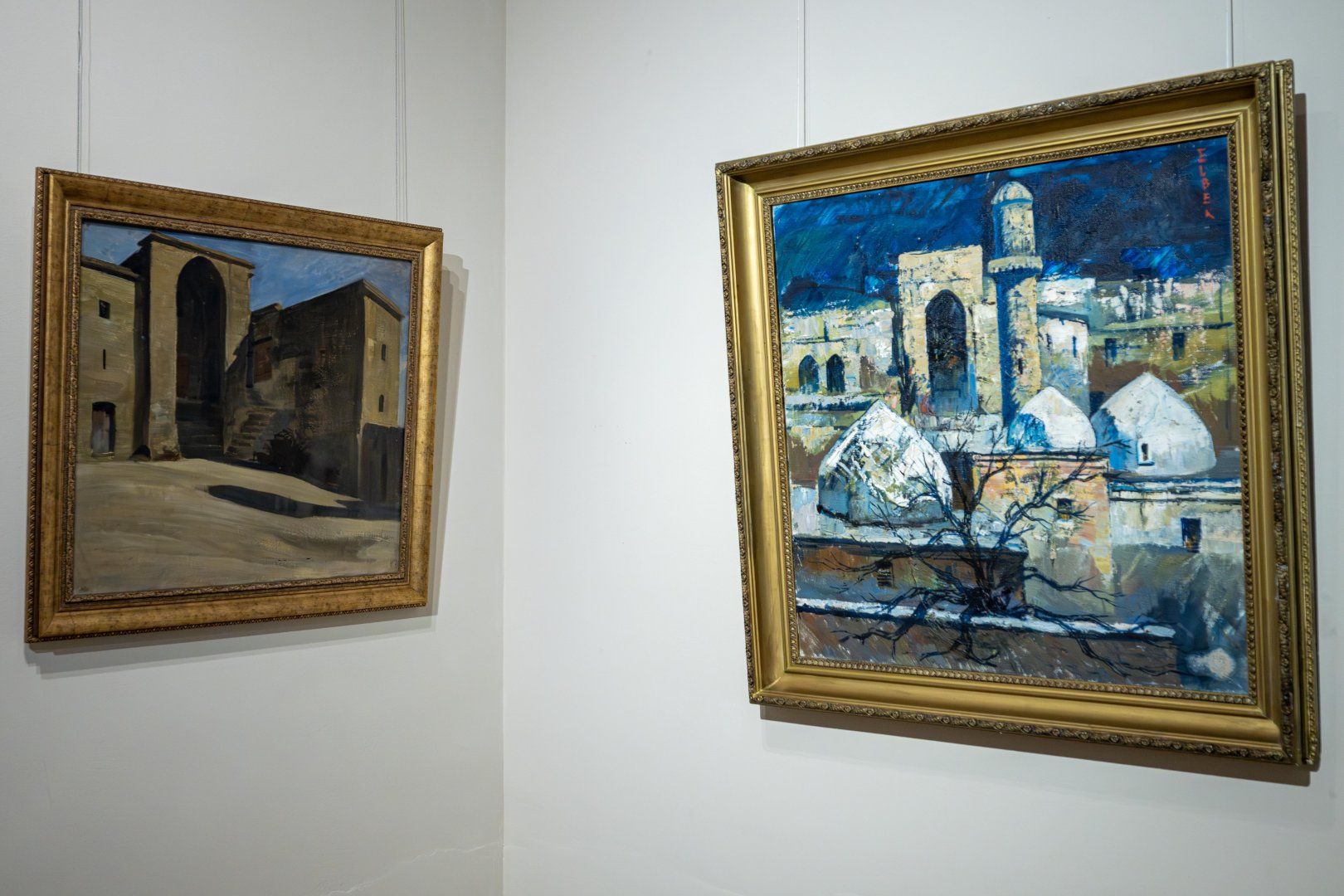
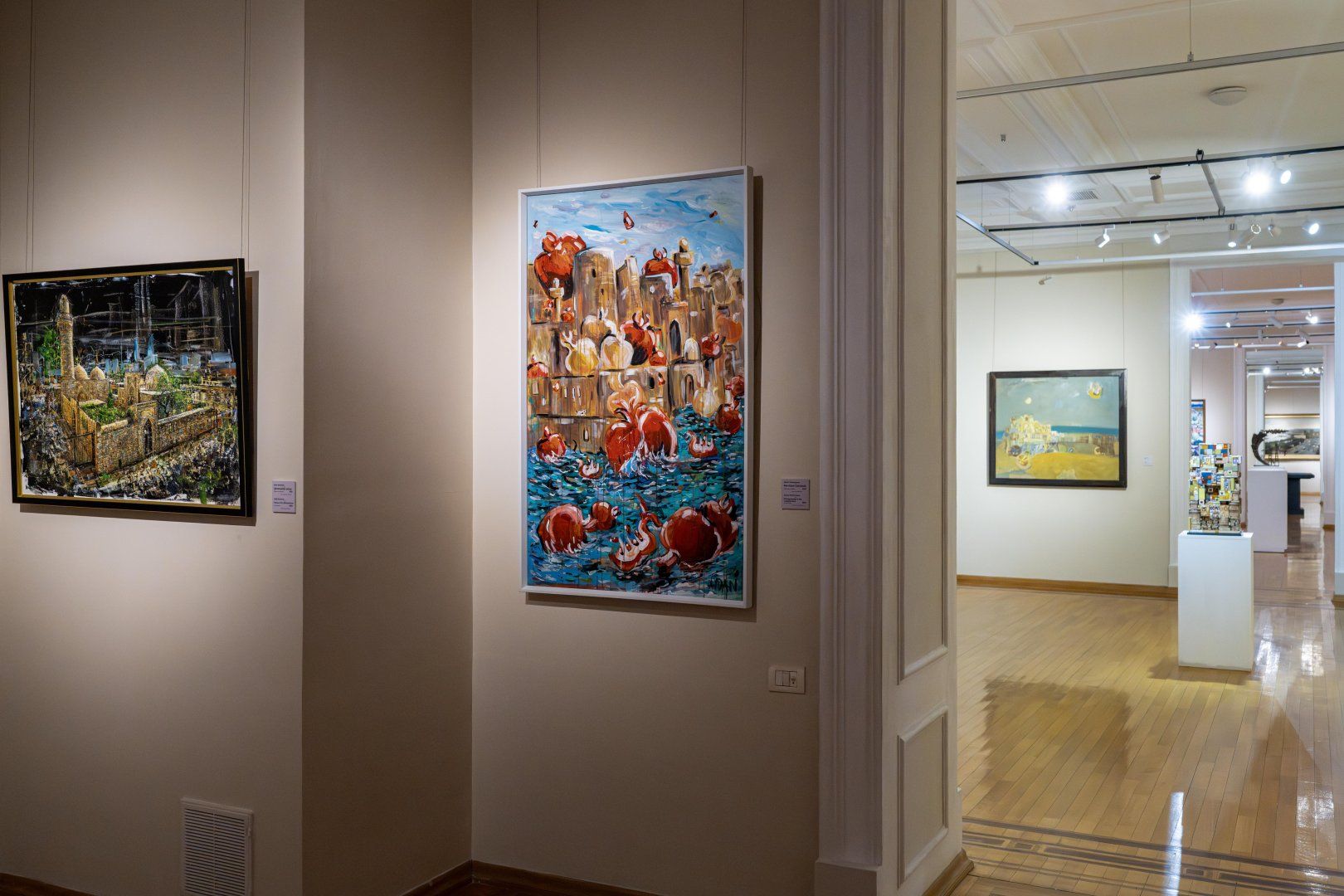
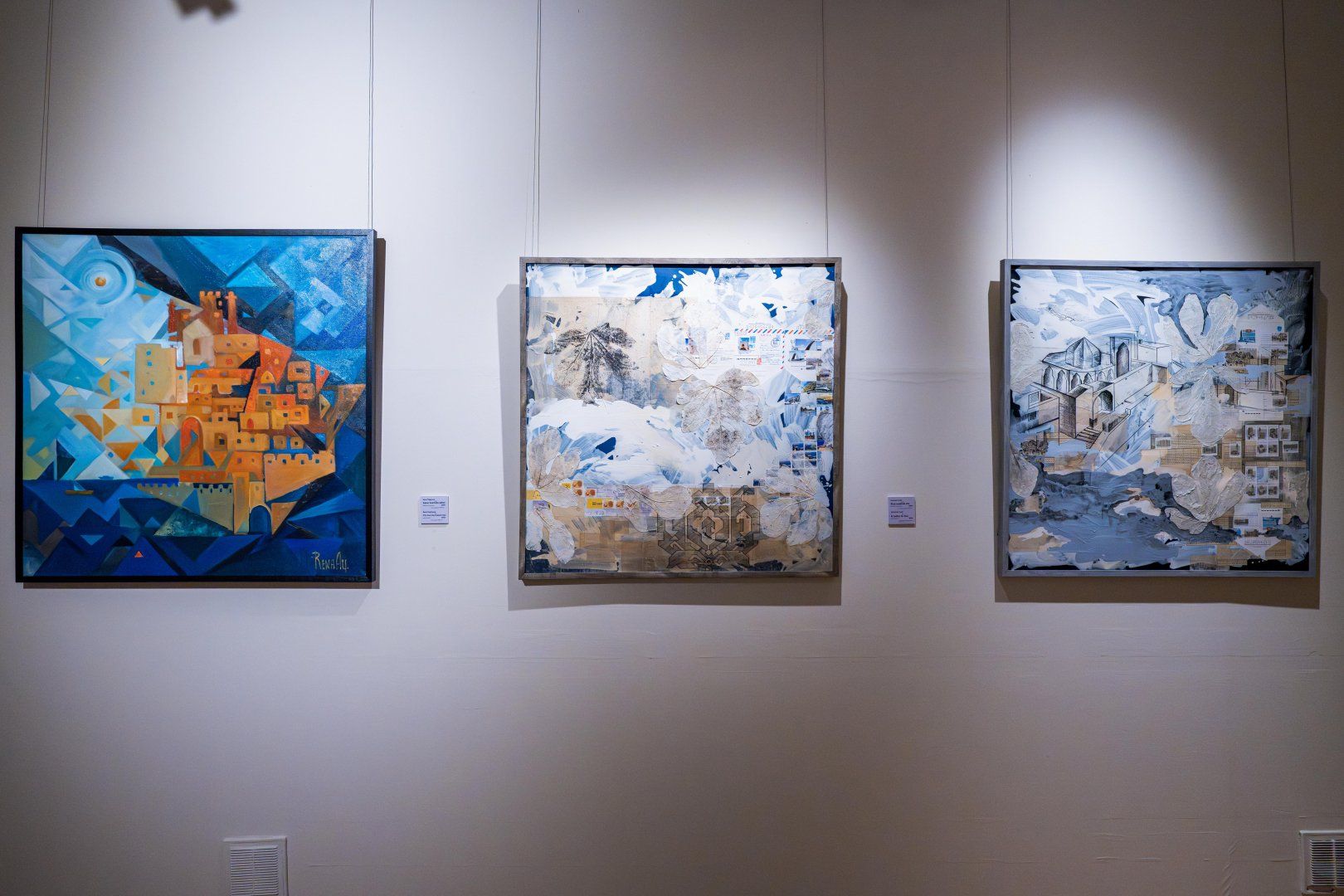
Q: Within the forum, the museum presented an exhibition dedicated to the image of Baku and its development through art across different eras. How was the concept of this exhibition formed, and why was such a historical-artistic approach chosen?
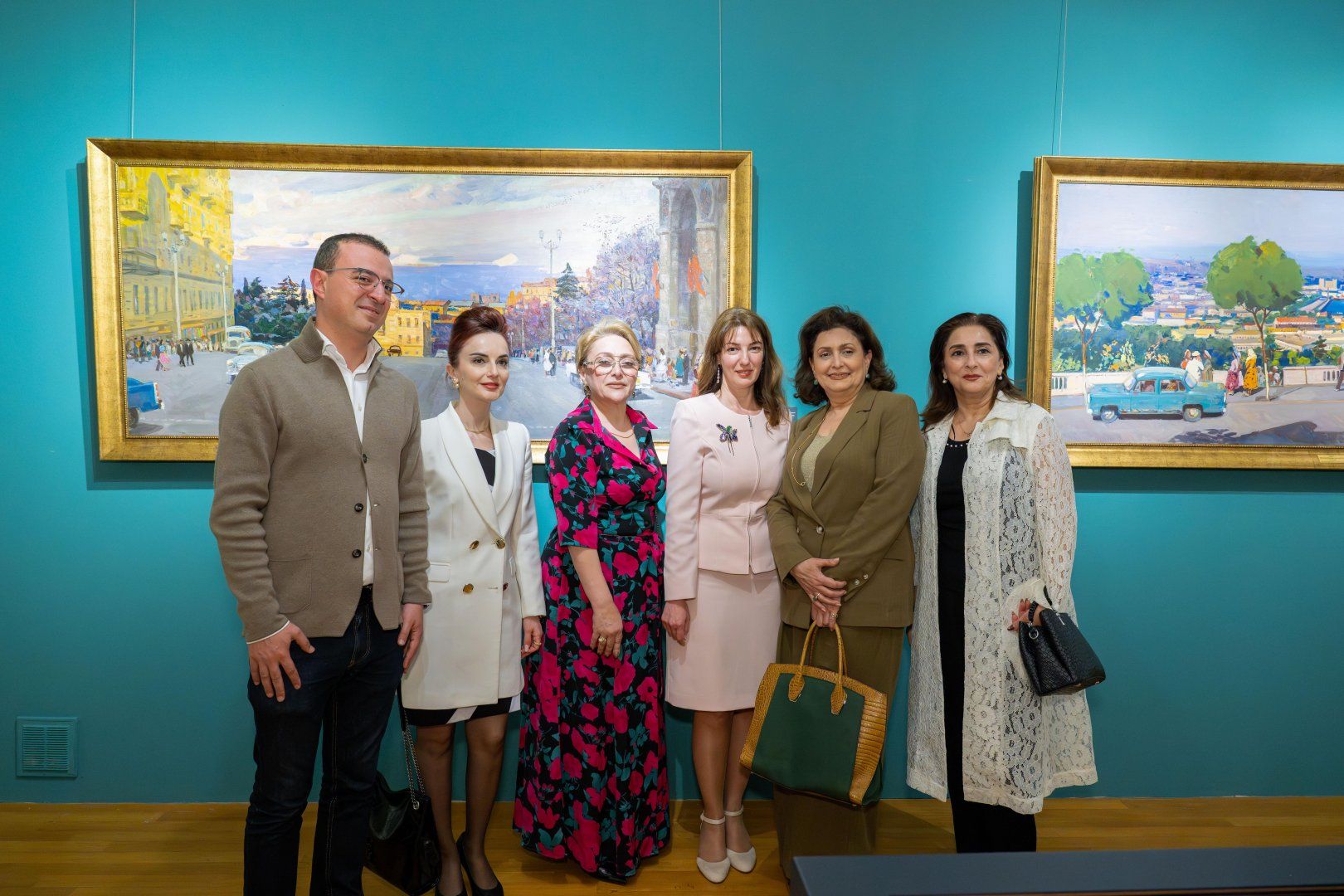
A: This was done in order to vividly demonstrate the multilayered history and culture of Baku, and its unique atmosphere that has been preserved over centuries, even as the city has gradually changed its appearance in response to the course of history.
At times, this process unfolds slowly and almost imperceptibly. At other times, it takes the form of a dramatic surge, such as the construction boom at the beginning of the last century, which coincided with the first oil boom in Baku. Newly emerged magnates built private mansions for themselves and public spaces for the city, from luxurious theaters to equally opulent bathhouses and mosques.
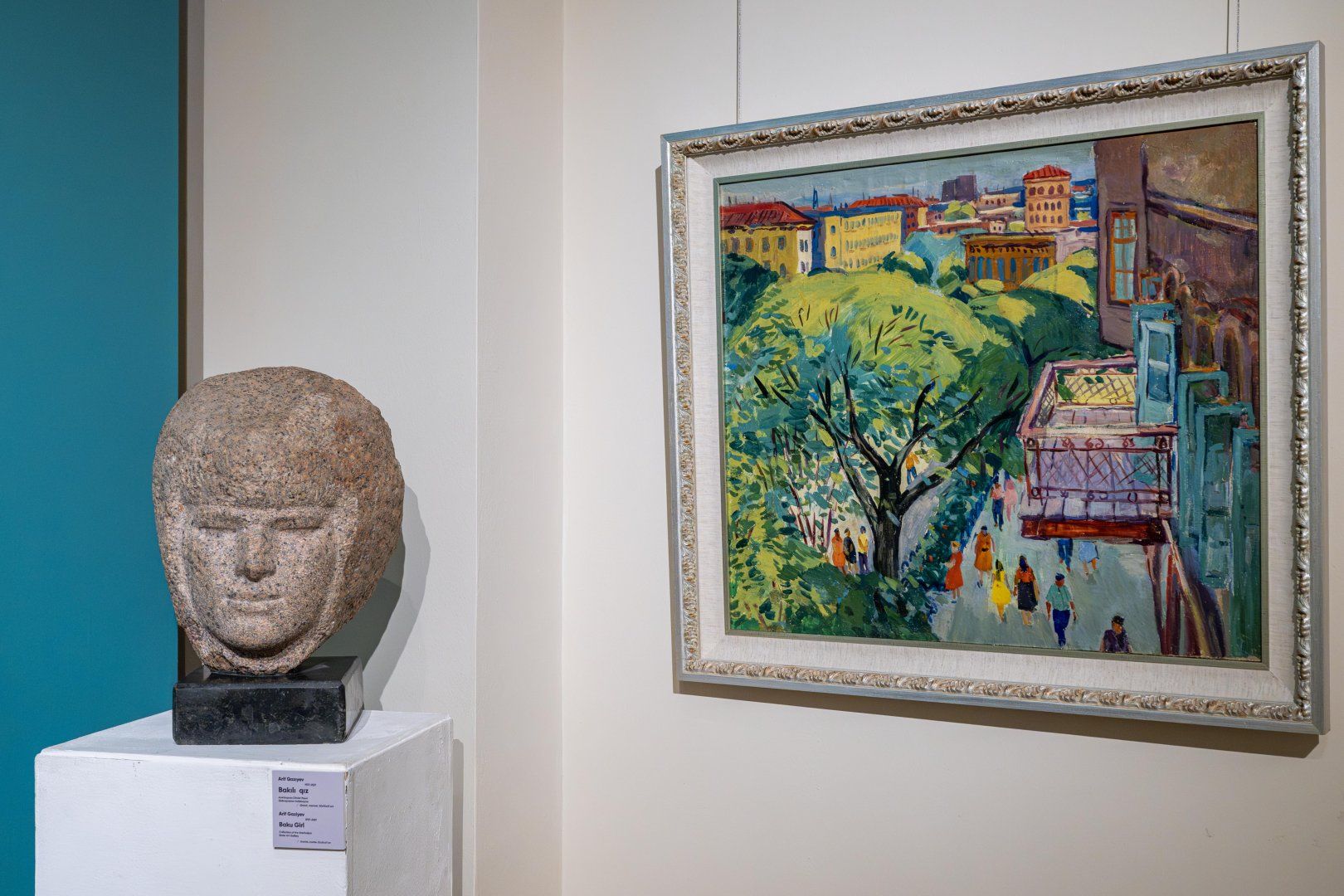
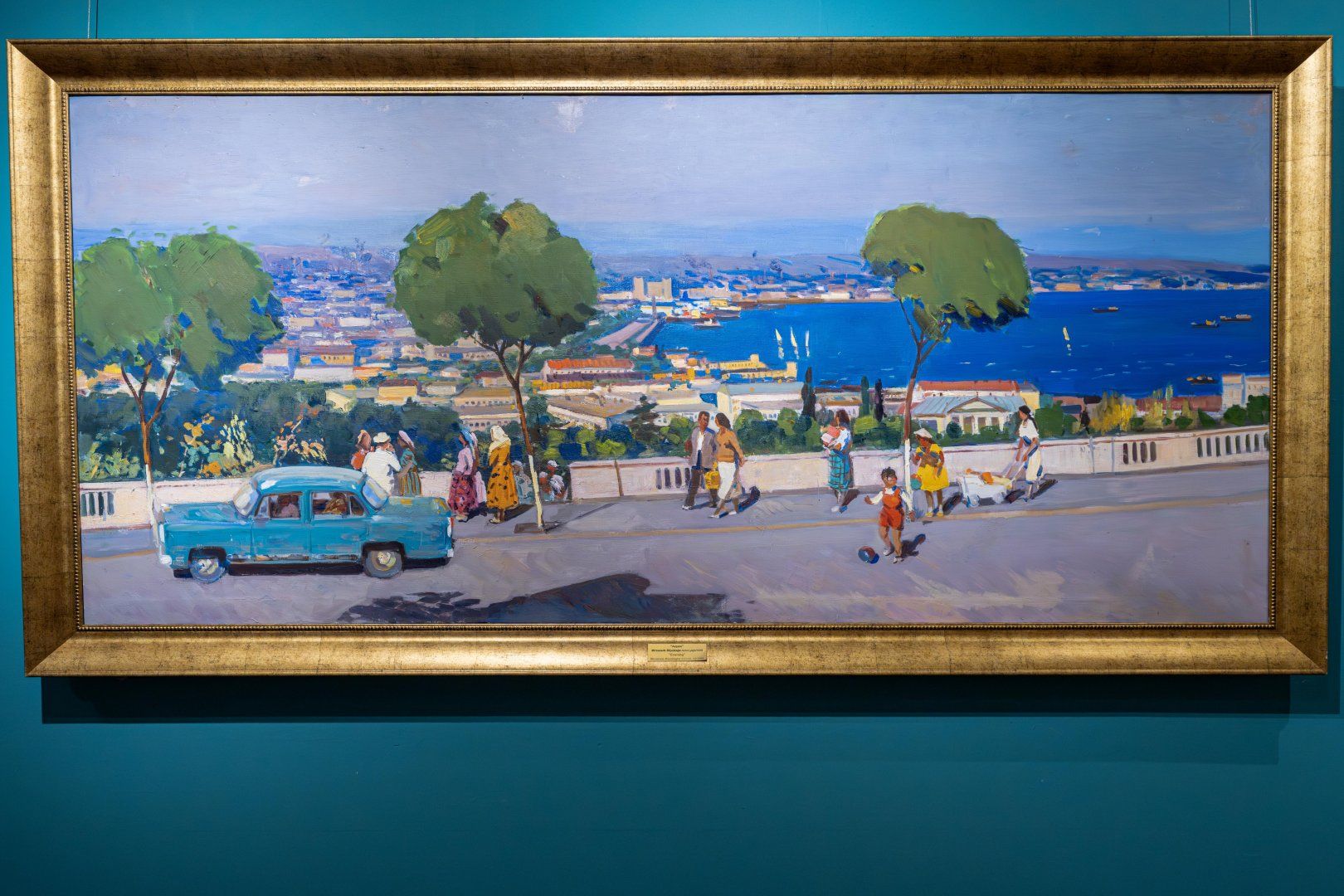
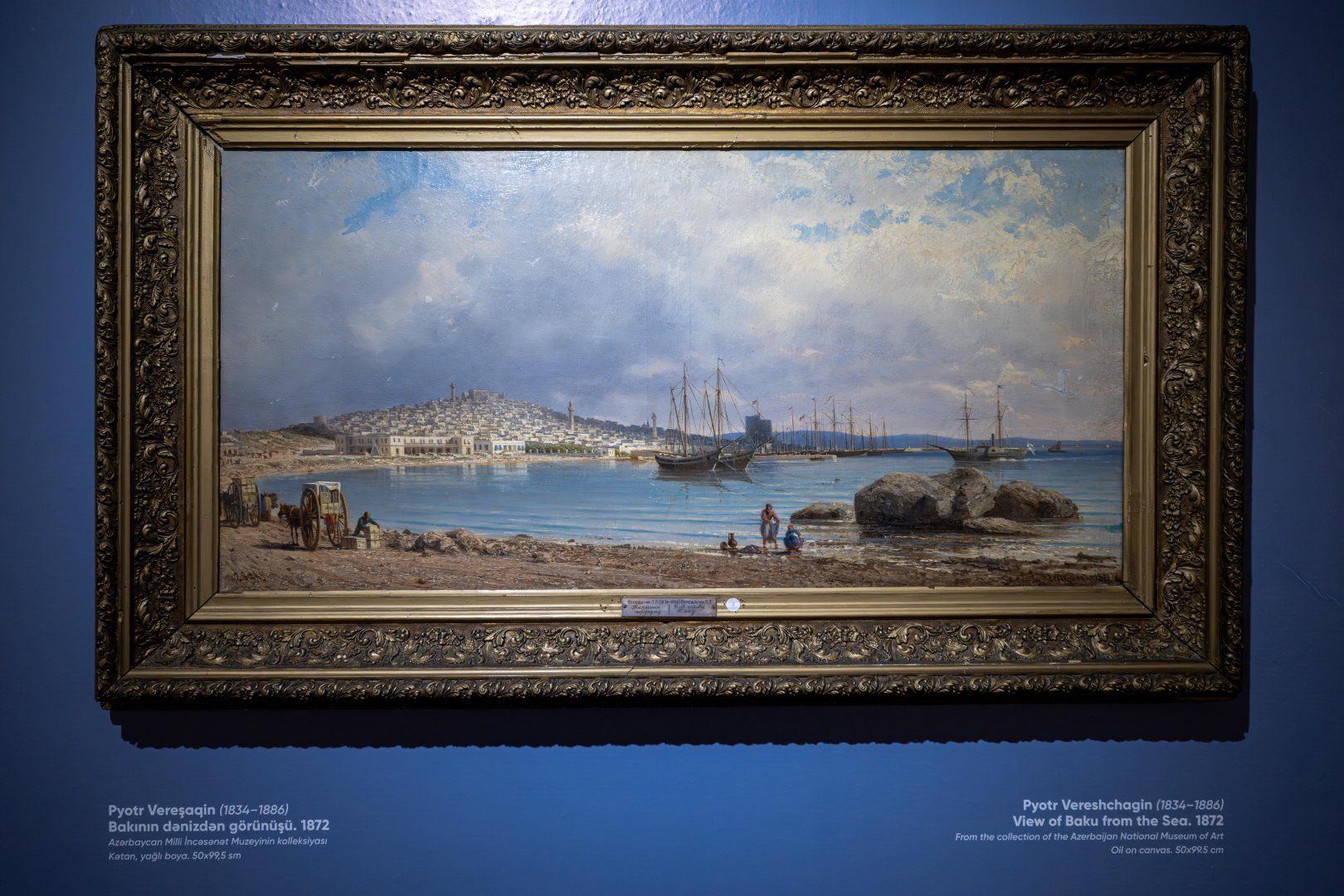
Each historical period leaves its own trace on the face of the city and its aura. Over time, the city becomes increasingly diverse and rich in character. Artists of the past and the century before last depicted Baku in different ways, sometimes focusing on the energy of new urban districts, and at other times on its historical architectural monuments. Each artist filtered this vision through their own experience and talent. As a result, the exhibition presents a remarkable retrospective of views of various parts of the capital.
Q: How does art help preserve and simultaneously reinterpret Baku's cultural identity amid rapid urbanization and global change?
A: The answer is quite clear: art inspires people, and in every era, people, to some extent, take their cues from it. In our case as well, works of art from past periods help preserve the city's image for future generations.
However, it is also important that for the younger generation, this is not merely a passive act of reception. The goal is to inspire not only young audiences but also young artists. The aim is not to imitate the masters of the past, but rather to continue their approach, carefully preserving the memory of the city in their works, as they see it today.
Q: What new projects does the Azerbaijan National Art Museum plan to implement in the near future, and are there any initiatives related to sustainable urban development and international cooperation?
A: Many of our projects are connected with international cooperation. The museum is currently actively preparing for the celebration of its 90th anniversary; however, the events dedicated to this milestone will take place in the autumn, so it is still too early to speak in detail about these plans.
As for sustainable urban development, it is, in one way or another, present in almost every one of our art projects. The museum itself is part of the urban environment and a rather active one at that. It is a place where people come to rest and engage with beauty and culture.
In addition, the museum's own buildings—two historic 19th-century mansions connected by a modern glass structure help shape the appearance of Niyazi Street, where they are located. This is, incidentally, a prominent part of the city's historic center.
Here we are to serve you with news right now. It does not cost much, but worth your attention.
Choose to support open, independent, quality journalism and subscribe on a monthly basis.
By subscribing to our online newspaper, you can have full digital access to all news, analysis, and much more.
You can also follow AzerNEWS on Twitter @AzerNewsAz or Facebook @AzerNewsNewspaper
Thank you!