
South Korean monster film is 2026 must-watch
By Alimat Aliyeva
One of the most expensive South Korean films ever produced, this ambitious sci-fi epic opens like a “breathless rollercoaster ride,” blending elements reminiscent of The Terminator, Predator, Aliens, and Avatar into a single high-energy cinematic experience, AzerNEWS reports, citing BBC.
Films competing for the Palme d’Or at the Cannes Film Festival are typically known for their intellectual depth, artistic subtlety, and political commentary. They are not usually associated with high-speed police chases through narrow streets or confrontations with grotesque, slime-covered giant creatures. However, this year breaks that tradition with a bold South Korean blockbuster that has been described as a must-see monster spectacle of 2026.
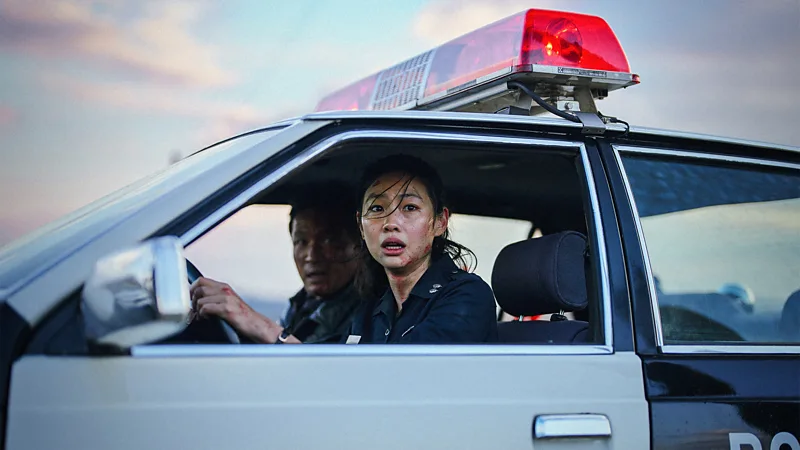
Titled “Hope”, the film is far more than a conventional monster story. Reportedly one of the most expensive productions in Korean cinema history, it moves rapidly between genres—shifting from western-style drama to action thriller, then to horror and large-scale science fiction—while maintaining the raw, energetic feel of a 1970s exploitation film. Director Na Hong-jin, known for his meticulous approach and long gaps between projects (his previous film, The Wailing, was released in 2016), appears to have poured years of ideas into this single work.
The story unfolds without slow exposition. The protagonist, played by Hwang Jung-min, is a police chief in a worn-down rural town called Hope Harbor, set in an ambiguous era that feels like the 1970s or 1980s. Barely introduced, he is immediately confronted with reports of a mutilated cow bearing deep, unnatural claw marks. What begins as a routine investigation into a possible wild animal attack quickly escalates into something far more disturbing.
Soon, the town descends into chaos as an unknown creature begins to terrorize the area—part Godzilla-like disaster, part apocalyptic horror. The officer is drawn into a growing trail of destruction that spreads across the community, transforming the quiet rural setting into a battleground between humanity and an unpredictable, otherworldly force.
Interestingly, the film reflects a growing trend in global cinema: the blending of blockbuster spectacle with arthouse sensibilities. South Korean filmmakers in particular have become known for pushing genre boundaries, creating works that combine social commentary with intense visual storytelling—continuing the momentum seen in internationally acclaimed hits like Parasite and Train to Busan.
Here we are to serve you with news right now. It does not cost much, but worth your attention.
Choose to support open, independent, quality journalism and subscribe on a monthly basis.
By subscribing to our online newspaper, you can have full digital access to all news, analysis, and much more.
You can also follow AzerNEWS on Twitter @AzerNewsAz or Facebook @AzerNewsNewspaper
Thank you!