
UN sounds alarm as Hormuz tensions threaten global food security

Qabil Ashirov
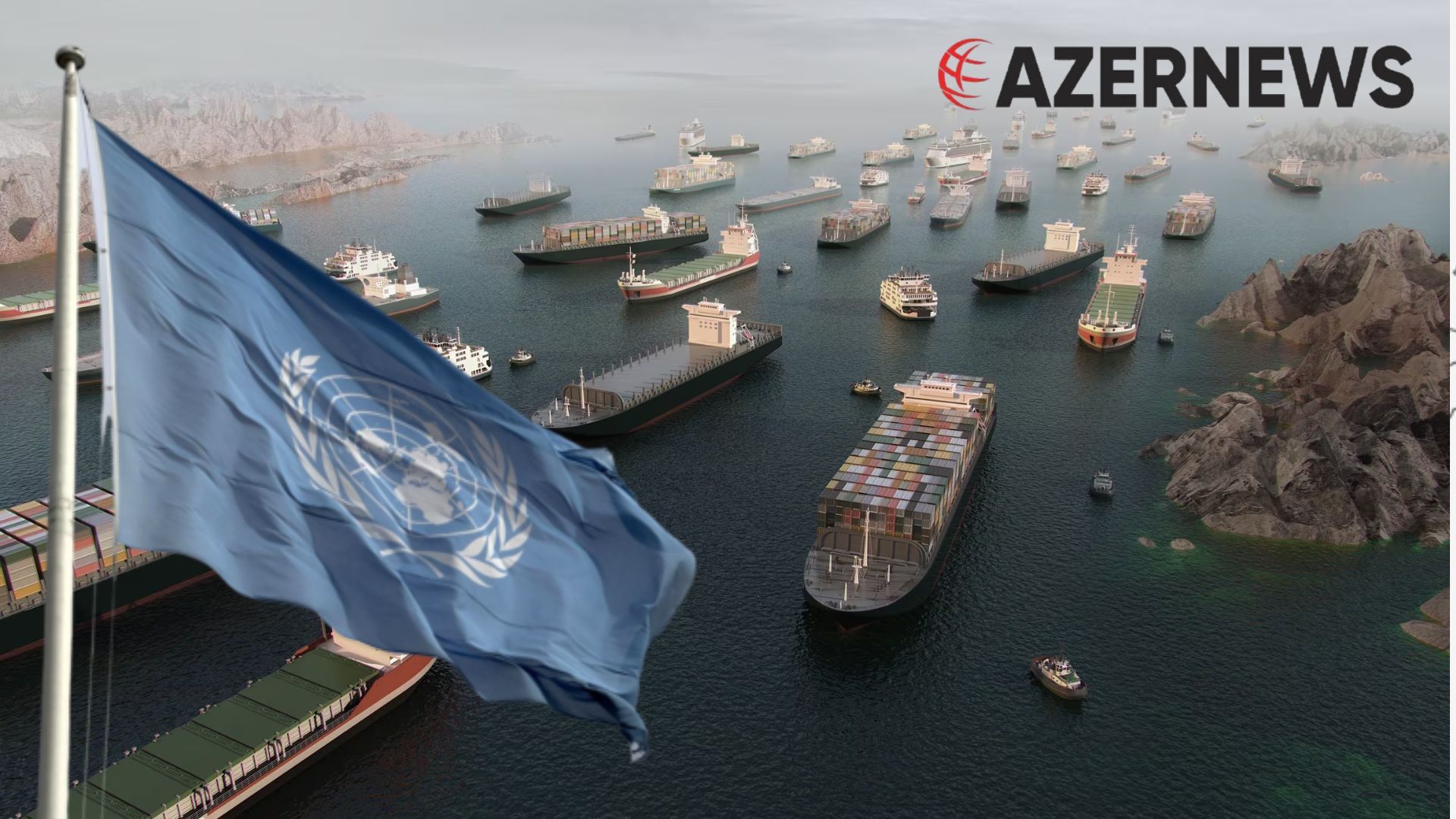
Read moreThe Strait of Hormuz is often discussed in the context of global energy, a vital choke point where a flicker of geopolitical tension can instantly send oil prices soaring. However, a recent warning from the United Nations Food and Agriculture Organization (FAO) shifts the spotlight to a far more visceral vulnerability: the global food system. The FAO’s assessment that prolonged instability in the Strait could trigger a severe global food price crisis within the next six to twelve months should shatter any lingering illusions that agricultural security is detached from maritime flashpoints. We are no longer just talking about the cost of fueling a vehicle; we are confronting the terrifyingly real prospect of whether millions of people will be able to afford their next meal.
The mechanics of this vulnerability are both simple and devastating. Modern agriculture is completely dependent on energy. When shipping lanes like the Strait of Hormuz are threatened, insurance premiums skyrocket, freight costs surge, and energy prices climb. This creates an immediate domino effect. The FAO Food Price Index has already recorded consecutive monthly increases, driven precisely by rising energy costs and Middle Eastern conflicts. Higher oil prices mean it becomes significantly more expensive to run tractors, process crops, and transport food across oceans. Perhaps even more critically, energy prices directly dictate the cost of synthetic fertilizers, which rely heavily on natural gas. When fertilizer becomes a luxury, crop yields drop, and a localized maritime dispute rapidly transforms into a global shortage on supermarket shelves thousands of miles away.
What makes this situation particularly perilous is the fragility of the post-pandemic global economy. Many developing nations are already grappling with depleted financial reserves, high debt, and weakened currencies. They simply do not have the economic cushions to absorb another massive spike in food inflation. If the current friction in the Strait continues to choke supply lines, we are not looking at a minor macroeconomic adjustment; we are looking at a humanitarian catastrophe. History has shown us time and again that when food prices spike unexpectedly, social unrest follows close behind. Bread riots are not a relic of the past; they are a predictable reaction to systemic failure.
To avert this looming crisis, the international community must move past reactive hand-wringing and engage in immediate, radical coordination. The FAO’s call for swift alignment between governments, international financial institutions, and the private sector is not merely sound advice—it is an urgent survival strategy. First and foremost, we must establish and secure alternative trade routes. Relying on a few vulnerable maritime bottlenecks is a collective gamble we can no longer afford to take. Diversifying logistical pathways might be expensive in the short term, but it is a fraction of the cost of managing a global famine.
Simultaneously, governments must resist the dangerous temptation of economic nationalism. In times of crisis, the knee-jerk reaction of many food-exporting nations is to implement export restrictions to protect their domestic markets. While politically popular at home, these protectionist measures panic the global market, hoard supply, and artificially drive prices even higher, disproportionately punishing the most vulnerable populations. Keeping trade flowing and fiercely protecting human rights and humanitarian aid corridors must remain an absolute, non-negotiable priority.
Furthermore, international financial institutions need to step up with robust buffer mechanisms to absorb rising transport and production costs for low-income, food-importing countries. This means creating emergency credit lines and subsidized financing so that these nations can continue to purchase essential grains and fertilizers despite inflated market rates. The private shipping and insurance sectors must also be brought to the table to prevent predatory pricing during periods of heightened risk.
Ultimately, the warning from the FAO serves as a stark reminder of how interconnected and fragile our world has become. A conflict in one corner of the globe can silently dictate the price of bread in another. We have the data, the warnings, and the institutional framework to prevent this crisis from unfolding. What we need now is the political will to coordinate, cooperate, and treat global food security not as a secondary concern to geopolitics, but as the foundational pillar of global stability itself. If we fail to act within this critical six-to-twelve-month window, the cost of our inaction will be counted not in dollars or barrels of oil, but in human lives.
Here we are to serve you with news right now. It does not cost much, but worth your attention.
Choose to support open, independent, quality journalism and subscribe on a monthly basis.
By subscribing to our online newspaper, you can have full digital access to all news, analysis, and much more.
You can also follow AzerNEWS on Twitter @AzerNewsAz or Facebook @AzerNewsNewspaper
Thank you!