
UN warns development goals at risk as financing gaps widen

Ulviyya Poladova
Read moreA new United Nations report has warned that rising global conflicts, the climate crisis, and shrinking development finance are placing severe pressure on the world’s poorest and most vulnerable countries, pushing the Sustainable Development Goals (SDGs) further off track, AzerNEWS reports, according to the UN official website.
The Financing for Sustainable Development Report 2026 (FSDR) shows a concerning picture of stalled - and in some cases reversed - progress toward the 2030 development agenda. With just four years remaining, the report says the world is still grappling with the long-term impacts of the COVID-19 pandemic, escalating geopolitical tensions, and worsening climate-related disasters.
According to the report, the global system of development financing is tightening at a critical moment. One in four developing countries still has a lower per capita income than before the pandemic. In addition, around 3.4 billion people live in countries that spend more on debt interest payments than on either healthcare or education.
Official development assistance has fallen sharply, while foreign direct investment continues to decline. At the same time, many governments in low-income countries struggle to generate sufficient tax revenues to fund essential public services.
Rising global trade tensions and increasing tariffs are further compounding economic difficulties, particularly for least developed countries that depend heavily on exports and external financing.
Despite the bleak outlook, the report points to areas of resilience. Global economic growth exceeded expectations in 2025, trade between developing countries (South-South trade) has expanded rapidly over the past two decades, and investment in renewable energy reached a record high of $2.2 trillion in 2024 – double the level invested in fossil fuels.
The authors stress, however, that progress will not be sustained without urgent action, identifying a financing gap of up to $4 trillion annually for developing countries and calling for accelerated implementation of the Sevilla Commitment (a 2025 global agreement to scale up developing financing) as the best – and only – realistic path to get back on track.
Key priorities include increasing investment, strengthening multilateral cooperation, modernising the international financial system to give developing countries a stronger voice, and building resilience to better withstand future shocks.
Without renewed global cooperation and political will, the report cautions, the promise of the SDGs – and a more equitable future – will remain out of reach.
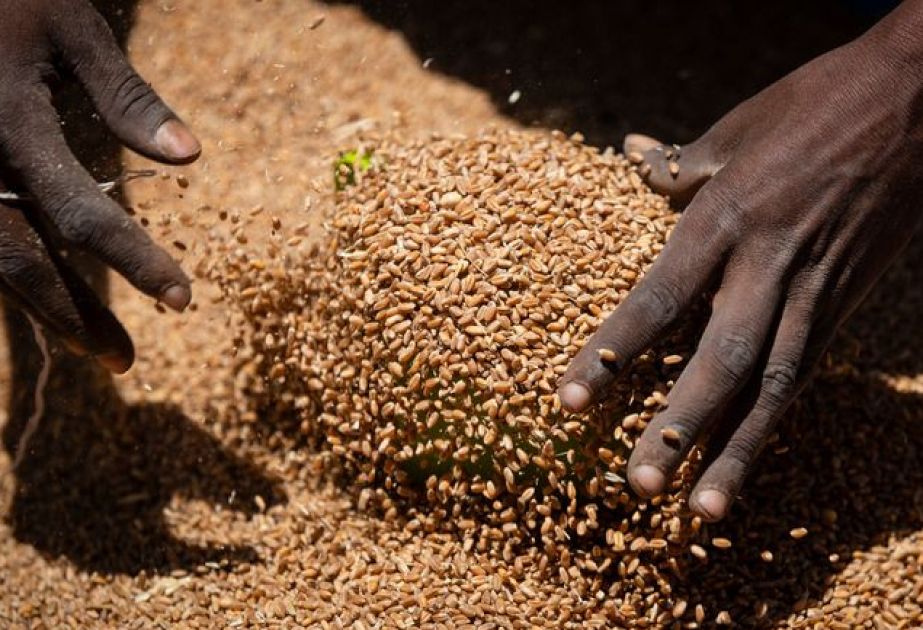
Photo: WFP
Here we are to serve you with news right now. It does not cost much, but worth your attention.
Choose to support open, independent, quality journalism and subscribe on a monthly basis.
By subscribing to our online newspaper, you can have full digital access to all news, analysis, and much more.
You can also follow AzerNEWS on Twitter @AzerNewsAz or Facebook @AzerNewsNewspaper
Thank you!