
Yen Gains Amid Haven Demand as Yemen Strife Weakens Aussie, Kiwi
By Bloomberg
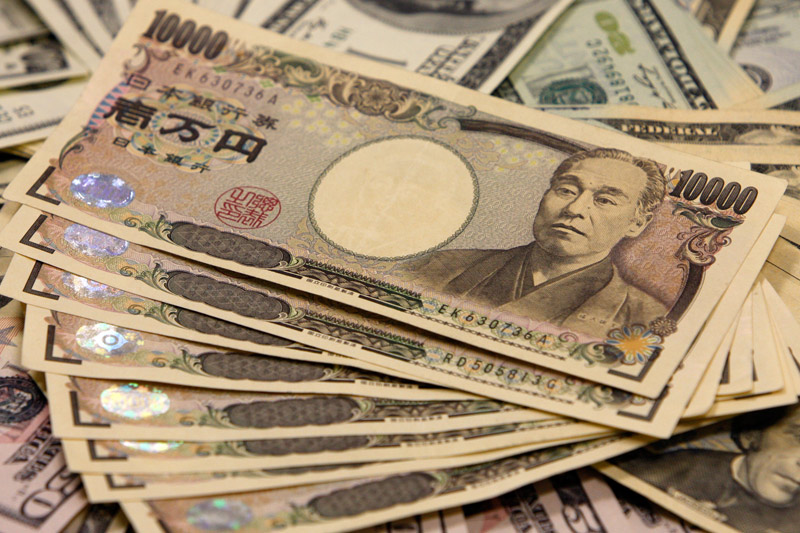
The yen advanced to the strongest in a month versus the dollar amid increased demand for haven assets as Saudi Arabia and its allies bombed targets in Yemen.
The Australian and New Zealand dollars fell the most among developed-market currencies as higher-yielding assets lost their appeal to investors, after rebels known as Houthis pushed deeper into Yemen’s dwindling government-held area. The Canadian dollar and Norwegian krone rose with the price of oil.
“If things escalate in the Middle East, the risk is certainly to the downside for a lot of the risk proxies,” said Sue Trinh, senior currency strategist at Royal Bank of Canada in Hong Kong. “Kiwi and Aussie have been the biggest losers in this environment,” while the yen and Canadian dollar outperform, she said.
The yen gained 0.7 percent to 118.71 per dollar as of 6:49 a.m. in London, after reaching 118.67, the strongest since Feb. 25. It rose 0.4 percent to 130.53 per euro.
The Aussie slid 0.2 percent to 78.28 U.S. cents, while the kiwi fell 0.2 percent to 75.91 U.S. cents. The Canadian dollar gained 0.4 percent to C$1.2465 versus the greenback, and Norway’s krone added 0.4 percent to 7.8073 per dollar.
King Salman ordered the air strikes against Shiite Houthi positions after an “appeal” from Yemen’s President Abdurabuh Mansur Hadi, Saudi Ambassador Adel al-Jubeir said in Washington.
Saudi Arabia, the world’s top oil exporter, has accused Iran of fomenting unrest in Yemen, which has emerged as the latest ground for a proxy confrontation between the two regional rivals.
Haven Demand
West Texas Intermediate crude futures jumped as much as 5.6 percent to $51.98, while the VIX volatility index -- sometimes called the fear gauge -- surged 13 percent on Wednesday.
Haven demand in 2015, amid conflict in Ukraine and concerns the Chinese economy is slowing, have helped the yen to the best performance among developed-market peers after the Swiss franc. It has gained 5.5 percent among a basket of 10 currencies tracked by Bloomberg Correlation-Weighted Indexes.
The dollar has risen 4.5 percent amid prospects for the Federal Reserve to raise interest rates this year, while the euro is the underperformer, sliding 6 percent as the European Central Bank began sovereign-debt purchases.
Here we are to serve you with news right now. It does not cost much, but worth your attention.
Choose to support open, independent, quality journalism and subscribe on a monthly basis.
By subscribing to our online newspaper, you can have full digital access to all news, analysis, and much more.
You can also follow AzerNEWS on Twitter @AzerNewsAz or Facebook @AzerNewsNewspaper
Thank you!